REVIEW · LUXOR
Luxor: Farm Tour 30 Hectares(Breakfast With Arabian Horses)
Book on GetYourGuide →Operated by Sunrise ballooning luxor · Bookable on GetYourGuide
Breakfast with horses beats the usual Luxor routine. This short West Bank farm tour pairs an organic-style farm visit with an Arabian horse breakfast setup you don’t see on the standard Luxor circuit. You get real time in the shade, real farm smells, and real animals.
I also love how the guide spends time explaining, then you get freedom to walk at your own pace. The main drawback to plan for is simple: you’ll be outdoors for the whole experience, so comfortable shoes and sun protection matter.
In This Review
- Why This Luxor Farm Tour Feels Different From Usual Sightseeing
- Key Highlights You’ll Care About
- Crossing to Luxor’s West Bank Farm Life
- Breakfast Under the Kiosk: Local Food in the Right Setting
- How Guides Turn a Farm Visit Into Real Understanding
- Pure-Breed Arabian Horses Up Close (And Why It’s the Main Draw)
- The Mango Orchard and 30 Hectares of Farm Life
- More Than Horses: The Animal Lineup That Keeps It Interesting
- What the 2 Hours Really Feels Like on the Ground
- Price and Value: Is $30 Good for What You Get?
- Best Fit: Who Should Book This and Who Might Skip It
- Should You Book This Luxor Farm Tour?
- FAQ
- FAQ
- How long is the Luxor farm tour?
- Where does the tour take place?
- Is hotel pickup and drop-off included?
- Is breakfast included?
- What animals will I see?
- Is water and drinks provided?
- How does the tour handle crossing the Nile?
- What languages are available for the live guide?
- Is the experience wheelchair accessible?
- What is the cancellation policy?
Why This Luxor Farm Tour Feels Different From Usual Sightseeing
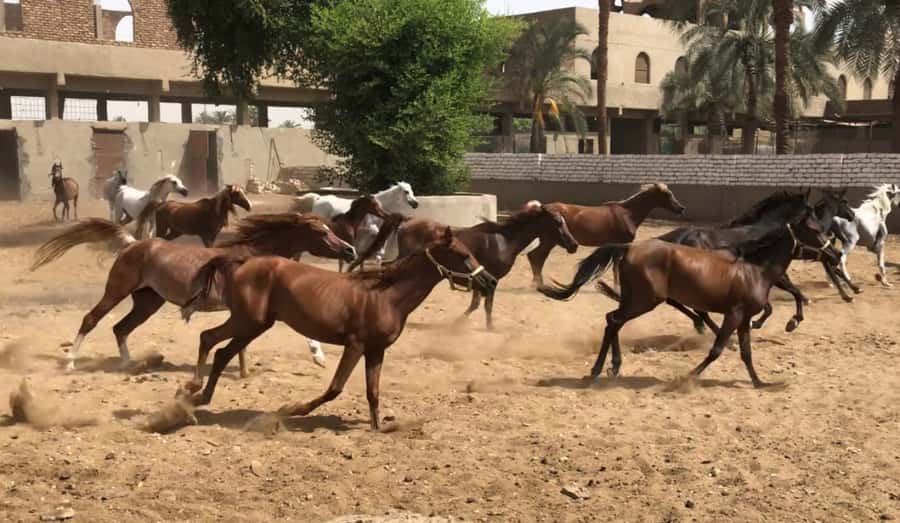
This isn’t a museum hour. It’s a working farm on Luxor’s West Bank, set over lots of land, with horses and other animals you can actually get close to. The format is simple: you’re picked up in Luxor, transported across, fed a traditional Egyptian breakfast, and then you spend your time meeting the animals and seeing how the farm runs.
What makes it especially appealing is the blend of farm life plus a focus on pure-breed Arabian horses—from young horses to stallions. Add to that a mango orchard and seasonal crops, and it becomes a calm, human-scale way to spend time around Luxor that doesn’t feel like another checkpoint.
One note for your expectations: it’s built as a 2-hour visit. If you want a slow, long barn-to-field day, this may feel a bit fast. But if you want something relaxed, safe, and packed with variety, it hits the sweet spot.
Key Highlights You’ll Care About
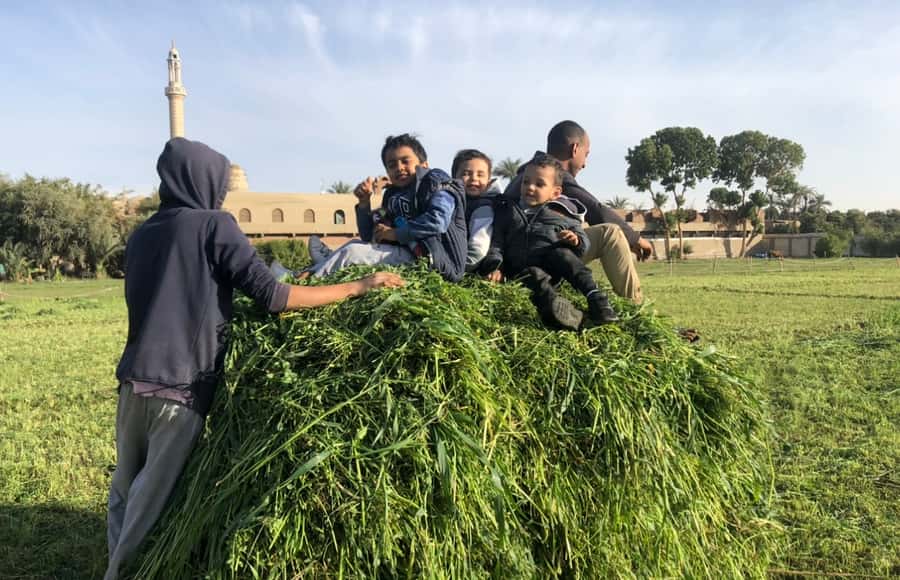
- Pickup from your Luxor hotel plus drop-off back so you’re not figuring out river logistics on your own
- Oriental Egyptian breakfast under kiosk shade overlooking mango and alfafa fields
- Dozens of pure-breed Arabian horses, from babies to stallions
- Mango orchard scale on 30 hectares, with 25 mango-tree varieties and room to cool off
- Animal mix that goes beyond horses: cows, sheep, goats, chickens, ducks, bees, and even a camel
- A guide who explains, then lets you wander, with support in Arabic and English
You can also read our reviews of more tours and experiences in Luxor.
Crossing to Luxor’s West Bank Farm Life
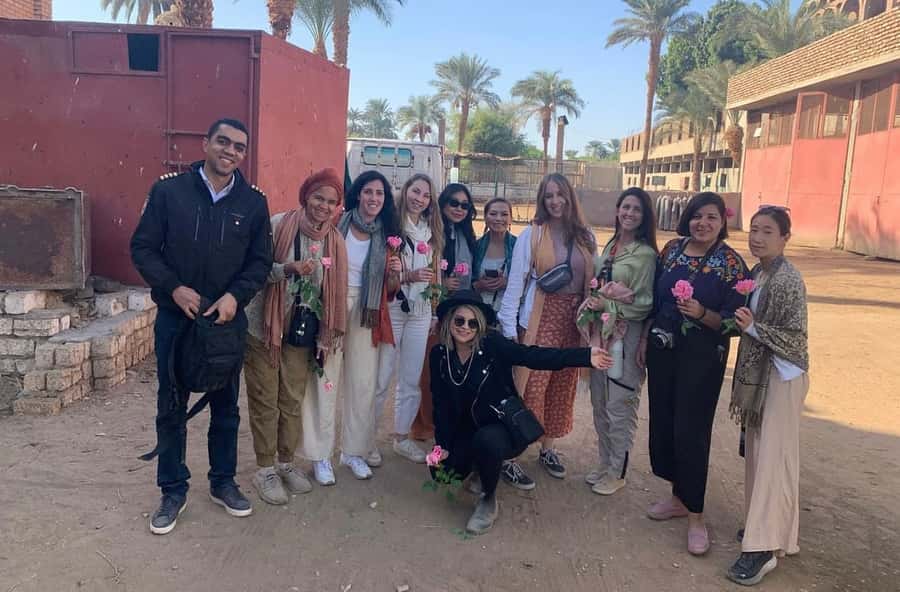
Most Luxor days have a rhythm: temple, photos, maybe a short stop, back to the hotel. This one starts by loosening that rhythm. You’re collected from Luxor and then transported to the farm area on the West Bank. The crossing can happen by boat or by bridge, depending on the day’s setup, which means you get a little “in-between” moment instead of a straight drive.
That matters because the West Bank can feel like a different world once you leave the main traffic flow. Even before breakfast, you’re already traveling toward something more agricultural and local. You’ll notice it when you arrive: less “tourist site,” more “working land,” with shade, fields, and animals that look like they belong to daily routines.
Breakfast Under the Kiosk: Local Food in the Right Setting
Breakfast here isn’t just food, it’s the tone-setter. You start your visit with an Oriental Egyptian breakfast served in a shaded area under a kiosk (and tree canopy). You eat while looking out over the farm’s orchard and alfafa fields, so your meal feels like part of the experience instead of a quick stop.
What I like most is the variety and the fact that it feels home-produced. Depending on what’s in season, you might get fruits straight from the property such as mangoes and other citrus, plus items like honey. In some visits, breakfast has included things like fresh, warm flatbread and house honey, along with extra local touches such as mint tea.
One of the smartest parts of this meal setup: it gives you a cool break before the animal time. You’re not rushing from van to sun to animals. You sit down first, hydrate, and then walk out when your body is ready.
How Guides Turn a Farm Visit Into Real Understanding
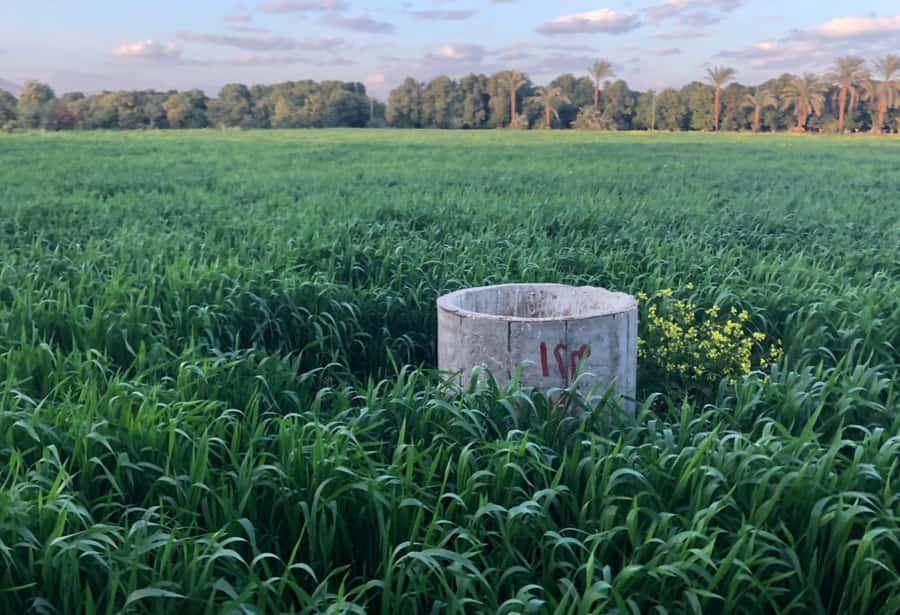
A farm tour can be either a quick animal look—or it can feel like you’re learning what you’re seeing. Here, the guide plays a real role. The tour includes a live guide in Arabic and English, and the best moments come when the guide takes time to explain what’s where and how the farm is managed.
In the experience, you may encounter guides such as Abdo and Rajiv, who are friendly and patient, and who can add extra context beyond the usual “this is a horse, that is a cow” type of explanation. Even if you don’t know what to ask, a good guide helps you notice details: why certain areas are planted, what horses are kept together, and how different animals fit into daily farm life.
Then comes the practical rhythm: you get guidance up front, but you’re also given space to explore at your own pace after that. That’s a big deal for anyone who doesn’t want a rushed group flow.
Pure-Breed Arabian Horses Up Close (And Why It’s the Main Draw)
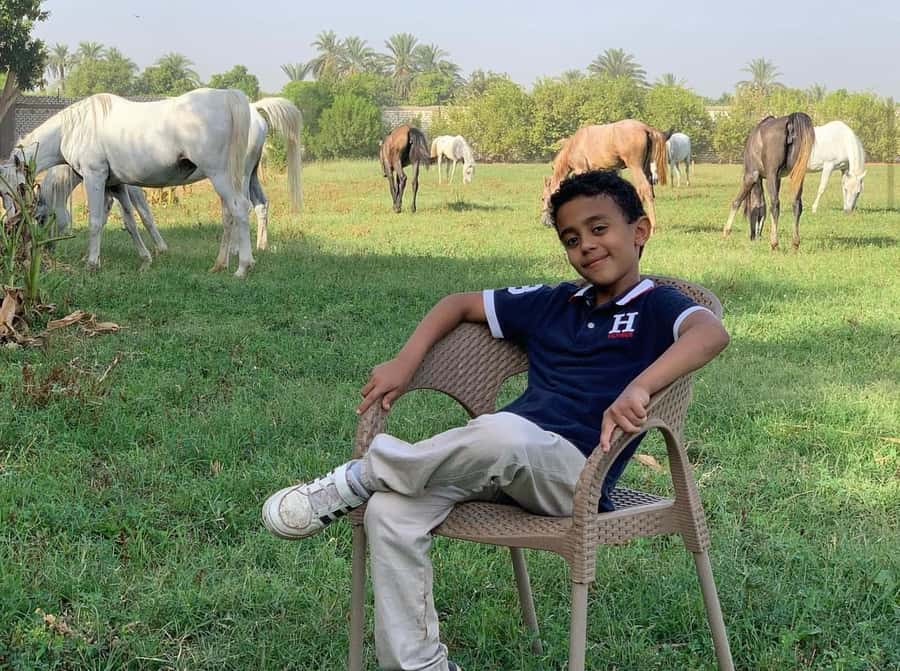
The star of this tour is the horse part. You’ll meet dozens of pure-breed Arabian horses, ranging from young horses to stallions. If you’re a horse person, this is what you came for. If you’re not, it still works because Arabian horses are distinctive in appearance and behavior, and seeing them in a farm setting is very different from seeing them behind ropes.
What makes this feel special is the closeness and the range of ages. You’re not only looking at fully grown horses. You also get a sense of breeding and care across different life stages, which changes how you experience the farm.
A practical tip: take your time standing slightly back before you step in. Horses are curious, and if you move calmly you’ll often get better interactions. If your guide offers the chance to ride, you can treat it as an optional bonus rather than the reason to book. On at least one visit, guests were allowed to ride a few rounds, so it’s worth asking when you’re there.
The Mango Orchard and 30 Hectares of Farm Life
After breakfast, you’ll walk through farm areas where the scale becomes clear. This property is described as spread across 30 hectares, with a mango orchard that includes 25 different mango trees. You’ll see how the orchard is planted across the land, not just a small background grove for photos.
This is where the tour feels most “Egyptian farm” rather than “farm attraction.” You can cool down under mango branches, and you get a view of the land—fields, planted areas, and working routines—that makes the place feel real. Even if you only spend a few minutes under the trees, that break helps you enjoy the rest more.
The farm also grows other crops. Depending on what’s available during your visit, you might encounter fruits and trees like meyer lemons, figs, olives, and dates. That matters because it explains why this place feels busy with life even when you’re not watching a show. It’s producing, storing, and maintaining year-round.
More Than Horses: The Animal Lineup That Keeps It Interesting
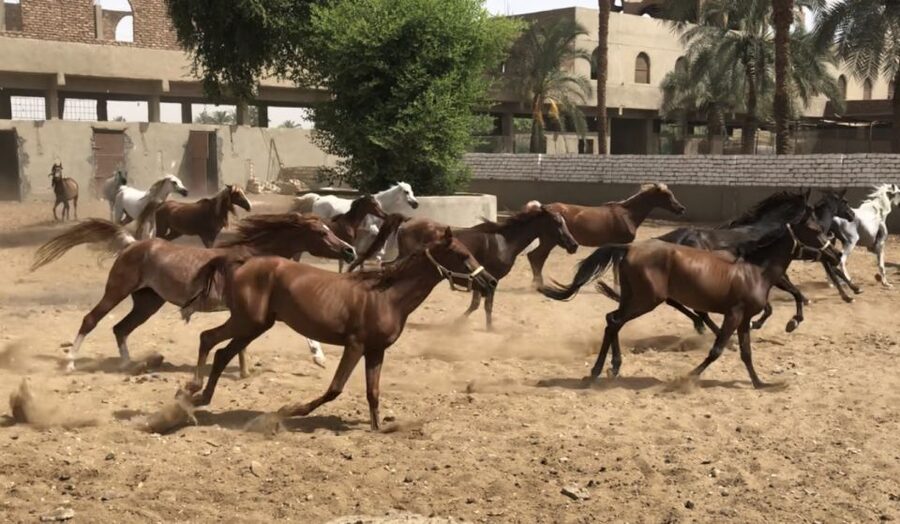
If you think the tour is only for horse lovers, you’ll likely be pleasantly surprised. You can meet and observe a range of animals: cows, sheep, goats, chickens, ducks, bees, and even a camel.
The bees part is worth mentioning because it’s not just a detail. Honey tasting and beehive awareness adds a “whole farm system” feeling to your visit. In some breakfasts, the honey is part of what you taste, which connects directly to what you see later around the farm.
Also, the animal mix helps the visit feel balanced. Even if you finish with the horses quickly (or if you’re traveling with someone who wants variety), there’s always another corner to explore—barn areas, animal pens, or spots where you can observe how different animals are managed.
What the 2 Hours Really Feels Like on the Ground
Two hours sounds short. But in practice, the structure makes it manageable. You start with pickup, cross to the West Bank area, sit down for breakfast, then you walk through the farm to meet animals and take in the orchard.
Because you’re outside for a large portion of the time, the pacing matters. You’ll likely want to arrive hydrated and ready to walk. The farm setup gives you shade options, especially near the kiosk and under mango trees, and you also get water and drinks as part of the experience. That’s important in Luxor’s heat, where the difference between a good day and a tiring one can be hydration and timing.
One consideration: if you want deep hands-on time with every animal, the 2-hour window won’t turn into a full-day farm immersion. It’s a “good taste of farm life,” not a long study session. Still, for a $30 activity, that’s a fair trade when you’re also trying to fit temple time into your schedule.
Price and Value: Is $30 Good for What You Get?
At $30 per person for about 2 hours, the value is actually pretty strong—mainly because the tour includes more than just entry. You get pickup and drop-off, breakfast, water and drinks, a live guide in Arabic and English, and access to a working organic-style farm setup with a standout horse component.
Let’s break down what that means for your trip planning. If you were to do this independently, you’d likely spend time and money on transport and cross-river logistics, and you’d probably still need to arrange where to eat and how to find a farm that lets you interact at a comfortable, safe pace. Here, the tour bundles those pieces into one simple block of time.
It’s also good value if you’re traveling with mixed interests. A temple day can be exhausting for someone who wants a break from crowds. This farm day gives you open air, animals, and local food, while still being structured enough that you’re not lost.
Best Fit: Who Should Book This and Who Might Skip It
This works best for people who want something calmer than major monuments. If you like animals, enjoy local food, and don’t mind walking outdoors, you’ll likely have a great time.
It’s also a solid pick if you’re traveling with kids who enjoy animals, or with adults who love seeing real-life Egypt beyond photos. The combination of mango orchard shade, multiple crops, and animal variety makes it more interesting than a one-animal visit.
You might skip it if you’re only in Luxor for a very tight schedule and need to maximize each hour with iconic sights. Also, if you have a low tolerance for heat and walking, treat this as an afternoon plan with care, not a last-minute stop.
Should You Book This Luxor Farm Tour?
Yes, if you want an easy, well-timed experience that feels genuinely local. This is one of those activities that gives you a different angle on Luxor: not another temple sprint, but a working farm with pure-breed Arabian horses and a real breakfast under tree shade.
Book it especially if:
- you’re excited about horses and want to see them in a farm setting
- you want local food as part of the itinerary, not just a meal stop
- you like animal variety, including bees and birds, not only the big headline horses
Consider skipping or choosing another option if:
- you need a longer experience than 2 hours to feel satisfied
- you don’t like outdoor walking in strong sun
FAQ
FAQ
How long is the Luxor farm tour?
The tour lasts 2 hours.
Where does the tour take place?
It takes place in Luxor Governorate, on Luxor’s West Bank of the Nile.
Is hotel pickup and drop-off included?
Yes. Full transportation pickup and drop-off are included.
Is breakfast included?
Yes. You’ll have an Oriental Egyptian breakfast as part of the experience.
What animals will I see?
You can meet dozens of pure-breed Arabian horses, plus cows, sheeps, goats, chickens, ducks, bees, and a camel.
Is water and drinks provided?
Yes. Water and drinks are included.
How does the tour handle crossing the Nile?
After pickup, you’ll cross the river by boat or by the bridge.
What languages are available for the live guide?
The live tour guide is available in Arabic and English.
Is the experience wheelchair accessible?
Yes, it is listed as wheelchair accessible.
What is the cancellation policy?
You can cancel up to 24 hours in advance for a full refund.