REVIEW · SKALANI
Heraklion: Olive Farm Tour with Tasting of Local Delicacies
Book on GetYourGuide →Operated by Kleanthi · Bookable on GetYourGuide
Olive oil has a story you can taste. This Kleanthi farm experience in Skalani, near Heraklion, walks you through old trees, modern processing, and then a food table built around the oil itself. You’ll learn how Cretans farm olives with sustainability in mind, and you’ll see the machinery that turns handpicked fruit into the bottle you’ll recognize at home.
I love how clearly the guides explain what’s happening in the grove and at the mill, from pruning and harvesting routines to the pressing workflow. I also love the tasting portion: it’s not a tiny sip-and-scrap session, and the spreads of bread, cheeses, honey, herbs, fruit, and savory bites can easily work as a meal.
One consideration: there’s no hotel pickup, and the farm is reached from a meeting point at Kleanthi in Skalani—so plan to get there by taxi or your own car. The road approach can be narrow, so slow down on the final stretch and wear shoes you can walk in.
In This Review
- Key highlights you’ll care about
- Kleanthi Olive Farm in Skalani: what you’re really paying for
- Walking the olive groves: ancient trees and modern farming
- The mill tour: watching olive oil extraction up close
- Tasting Cretan foods with award-winning olive oil
- Photo stops, shopping, and taking home the taste
- Price and logistics: easy access matters more than you think
- Who this tour suits best (and who might want a different plan)
- Should you book the Kleanthi Olive Farm Tour?
- FAQ
- Is the tour guide available in English?
- Where does the tour start?
- What’s included in the tasting?
- How long is the experience?
- Do they pick you up from your hotel?
- Is the tour wheelchair accessible?
- What should I bring?
- Is there a cancellation option?
- Can I reserve without paying immediately?
Key highlights you’ll care about
- Ancient olive groves with practical farming talk led by friendly English-speaking guides like Mary and Theodora
- Modern mill viewing where you can watch how the extraction process works with automated pressing machines
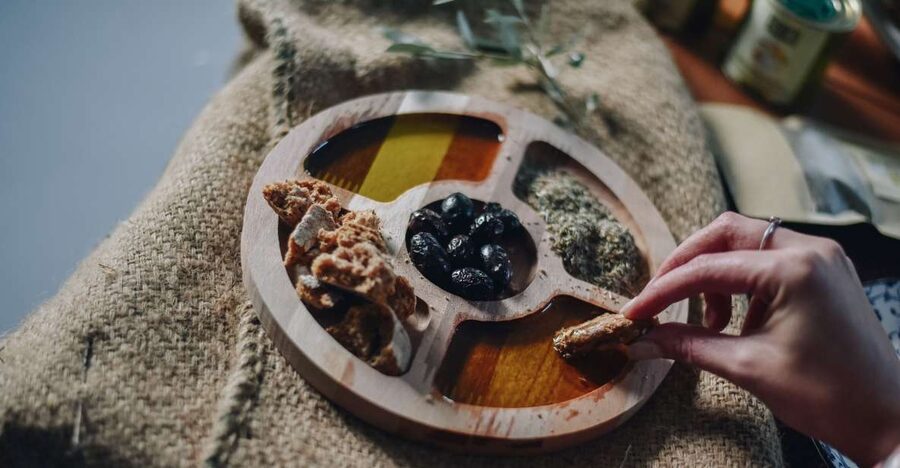
- Award-winning olive oils plus serious pairings with bread, cheeses, yogurt, honey, herbs, and cured meats
- You’ll learn flavor with comparisons, including which spices and combinations work best with each oil
- Photo stops and scenic viewpoints on the way, so you’re not rushed through the countryside
Kleanthi Olive Farm in Skalani: what you’re really paying for
For $23 per person and about a day’s commitment, you’re buying three things at once: time in the olive groves, a backstage look at the mill, and a tasting menu that includes both food and drinks like water and refreshments. Many tours stop at one of those. This one tries to connect all three, so the oil makes sense in your brain and tastes better on your tongue.
Kleanthi is family-run and set up to teach without turning the place into a lecture hall. The overall feel from the way the experience is described is hands-on and friendly, with guides who answer questions patiently. If you like food history that actually shows up on a plate, this is a good match.
Walking the olive groves: ancient trees and modern farming
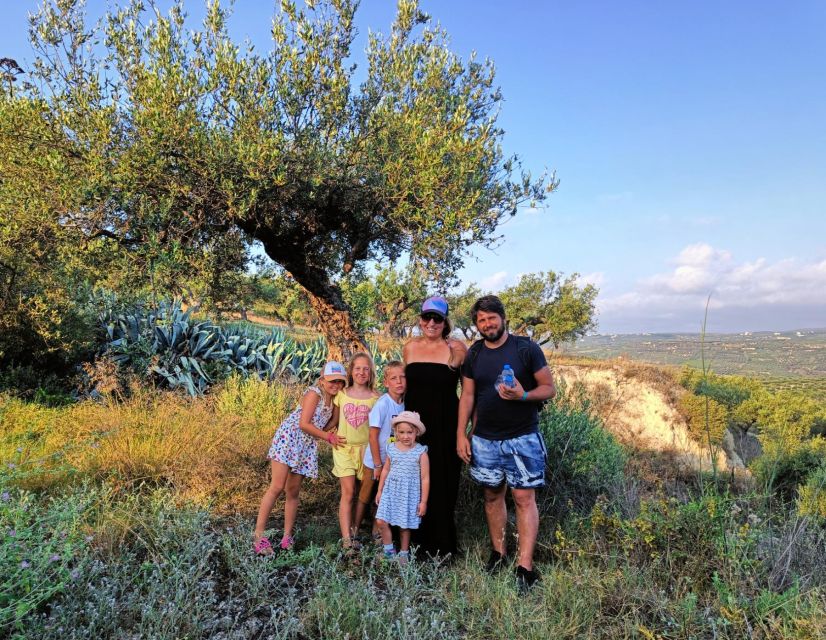
Your day starts at the Kleanthi farm. From there, you’ll walk into the olive groves with a live English-speaking guide. The focus is on how olive trees are grown, why specific trees matter on the farm, and how Cretans keep their practices sustainable—at least the way Kleanthi works and teaches it.
This part is also where the experience becomes more than food tourism. Olive trees aren’t just background scenery here; they’re the living base for the entire process. You’ll hear how harvesting and tree care support the final oil quality, and you’ll get a sense of how long these systems last.
A small detail, but a useful one: there’s a photo stop along the way with scenic views. That means you get a moment to step out of the tour rhythm and catch the countryside look—before you head back to learning mode.
If you’re someone who normally skips “agriculture tours” because you think it will be boring, keep an open mind. Several guests mention the explanation is clear and structured, and they come away learning things like how varieties affect flavor and what to look for when you taste later.
The mill tour: watching olive oil extraction up close
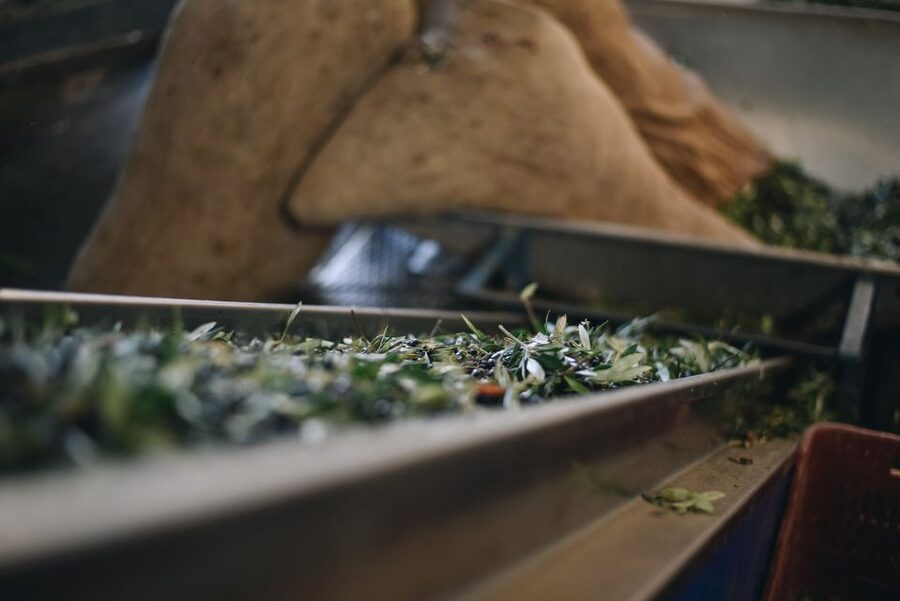
After the grove portion, you step into the production area to see the mill. This is where you get the hands-on payoff: you can watch the extraction process that transforms handpicked olives into the olive oil Kleanthi sells. In plain terms, you’ll see the steps that happen after olives leave the trees—before the oil becomes something you drizzle on salads or dip bread into.
The mill experience is described as straightforward and visual, with guides walking you through the precision of processing. You’ll also have a short video shown during the production phase, including the olive harvesting workflow, so the timing of what happens in the grove connects to what you see inside.
One benefit here is that you don’t have to be an oil expert to follow along. The tour is set up to explain what each stage contributes, and multiple guests highlight the clarity of the explanations. You’ll likely pick up on the difference between machines that do the heavy work and the earlier human choices that affect quality.
Practical note: this part is inside the mill area, so wear comfortable shoes from the start. Even though the overall duration is only about a day, you’ll still do walking, standing, and moving through different spaces.
Tasting Cretan foods with award-winning olive oil
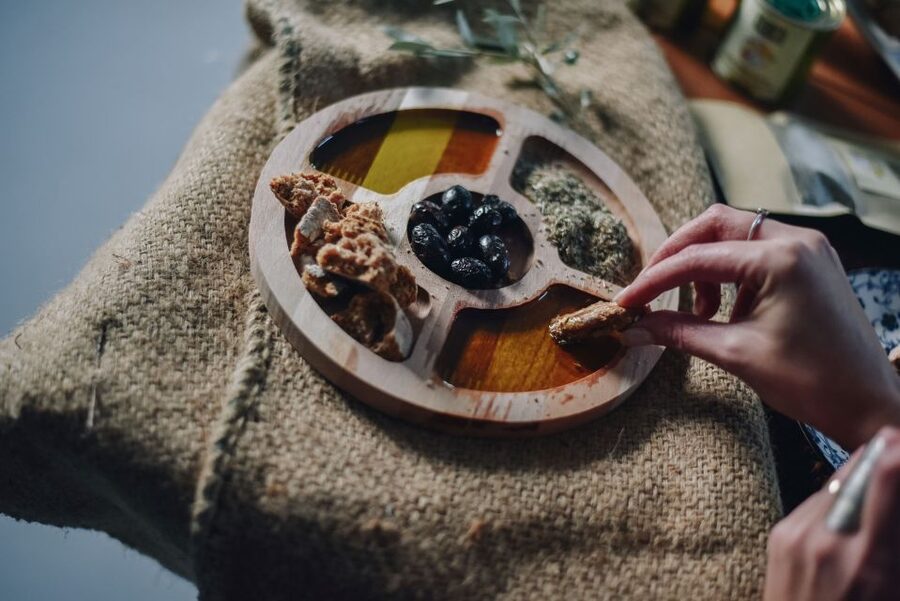
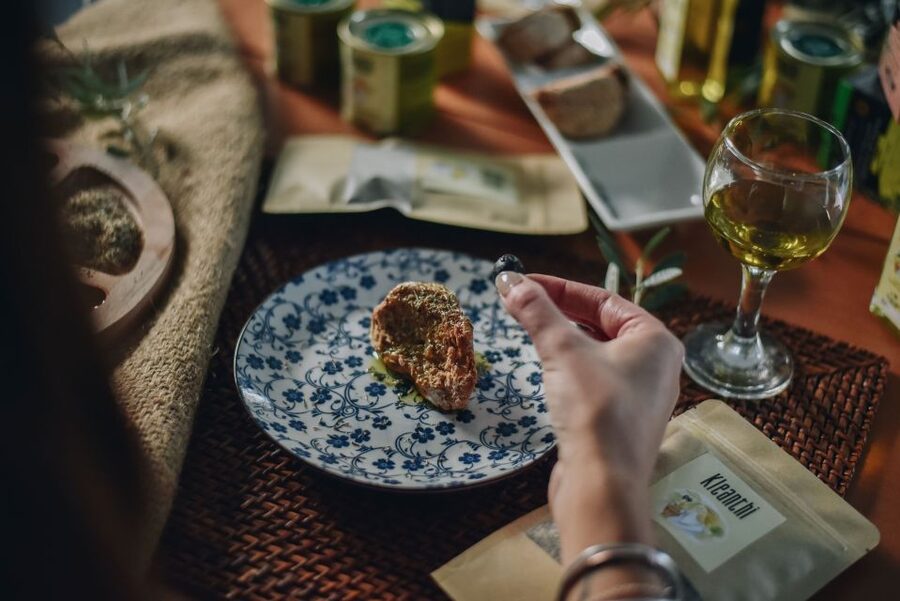
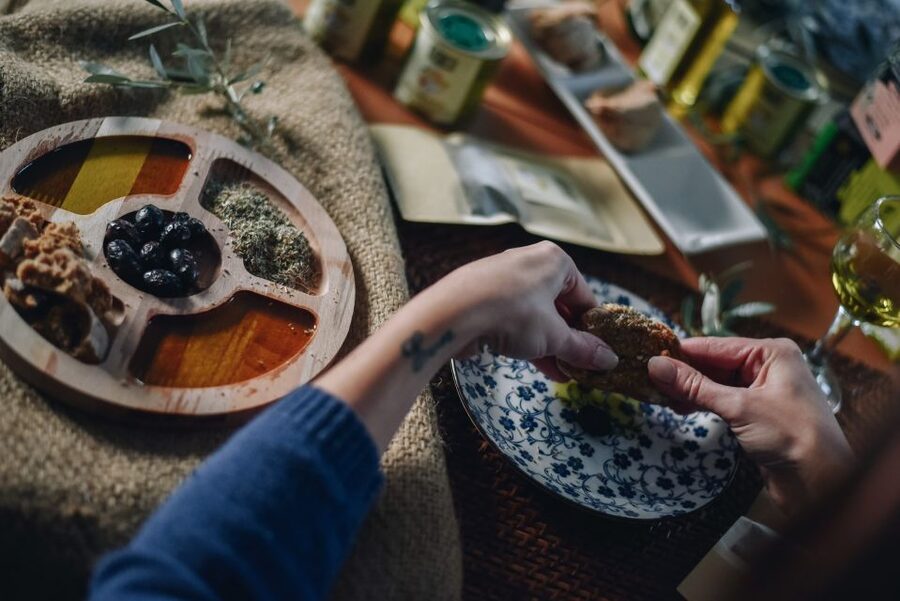
Then comes the part most people remember: tasting. After the tour, you sit down for a curated olive oil tasting menu paired with local delicacies—plus water and refreshments. The lineup can include artisanal bread, cheeses, yogurt, ham, honey, herbs, fruit, and other savory items, depending on the spread that day.
What makes this tasting strong is the way you learn to taste, not just eat. Guides talk you through flavors and aromas, and you get the chance to try combinations—oil with spices, oil with different foods—so you can understand what changes when you swap one ingredient. One guest specifically mentions that the staff teach which spices pair best with the oil. That’s the kind of takeaway you can actually use later in your own kitchen.
Also, the portion size matters. Several guests describe the tasting as generous enough to count as lunch. That’s rare at food tours where you’re often still hungry afterward. If you skip breakfast or keep lunch light, you’ll probably feel satisfied rather than snacky.
A small word on variety: guests mention tasting multiple olive oil blends and comparing how different oils taste. That’s useful if you’ve only ever bought one bottle at a supermarket. You start to notice differences that are subtle in smell and immediate on the palate.
Photo stops, shopping, and taking home the taste
Once you’ve finished eating, you have time to shop on-site. This is one of those practical “don’t rush” moments. You can buy the olive oils and local products you tasted, which is the easiest way to turn a good day out into a lasting memory.
Because the shop is connected to the tasting, you’re not buying blind. You’ve tasted the flavors already, so you can choose based on what you liked rather than what sounds good. Several guests say the products are fairly priced, and that they had no trouble finding things worth taking home.
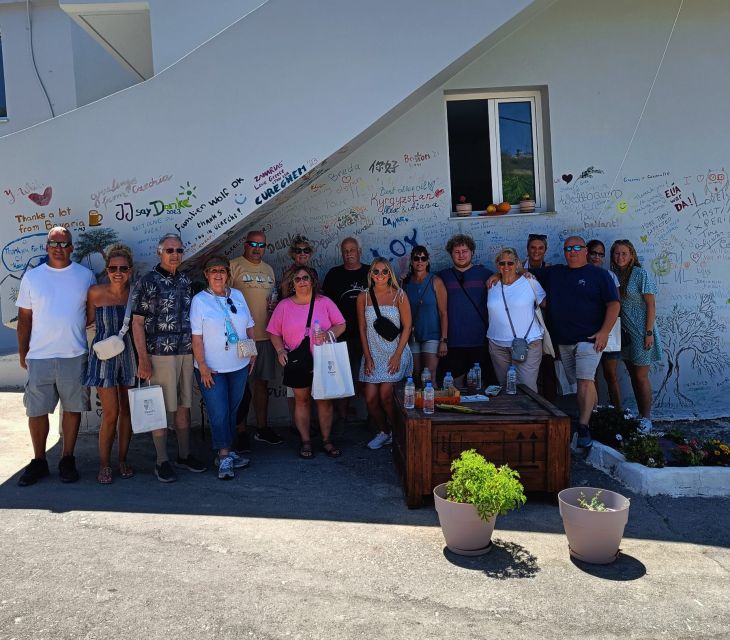
There’s also an informal social element. A few visitors mention staying to chat after the tour, and that the hosts are welcoming and attentive. Even if your goal is just food and photos, this warmth makes the whole schedule feel less like a checklist.
And if you’re planning a tight schedule—say you also want to see nearby highlights like Knossos—this tour’s length is generally short enough to fit between other plans. It’s described as a quick visit that doesn’t eat the entire day.
Price and logistics: easy access matters more than you think
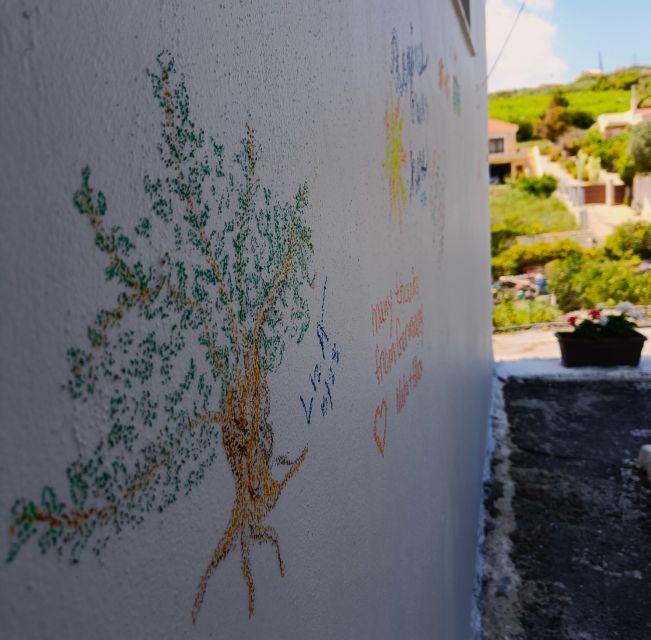
At $23 per person for a guided olive grove walk, a mill exploration, and a tasting menu, the price looks fair for what you get. You’re not just paying for access to trees and machines. You’re paying for guided interpretation plus food pairings—enough that many guests report it feels like a meal.
The main logistics factor is access. There’s no hotel pickup or drop-off. The meeting point is Kleanthi olive farm in Skalani, Heraklion, and you’ll look for road signs that say Kleanthi. If you’re in Heraklion, taxi access is usually straightforward, and at least one guest notes it was easy from a cruise port.
If you’re arriving by car, parking is described as available. One caution: the road or track toward the venue can be narrow, so take it slowly on the final approach. If you’re nervous driving a country road in Crete, a taxi may reduce stress.
Timing note: the experience says it runs on a 1-day basis with starting times based on availability. If you have a rigid schedule, book early so you get the time window that works best for your day.
Who this tour suits best (and who might want a different plan)
This tour is ideal if you want a Cretan experience that’s hands-on and food-forward. If you like learning how local products actually get made—then tasting them in context—you’ll get a lot from the grove-to-mill-to-table flow. The guides’ explanations are repeatedly praised, including patience in answering questions.
It also suits couples and solo travelers who don’t want a huge group. One review mentions a small group size, which tends to make questions easier and the tasting more relaxed.
You might skip it if you want a long multi-stop itinerary across multiple villages. This is a focused farm experience, not a full-day bus tour of sights. It’s also not designed to be a passive “sit and watch” show; comfortable walking shoes are part of the deal.
If you’re very sensitive to heat, plan your footwear and timing wisely. One guest mentions it was very hot that day and they still found the tour enjoyable—so bring the usual sun-smart gear like water and take it at a steady pace.
Should you book the Kleanthi Olive Farm Tour?
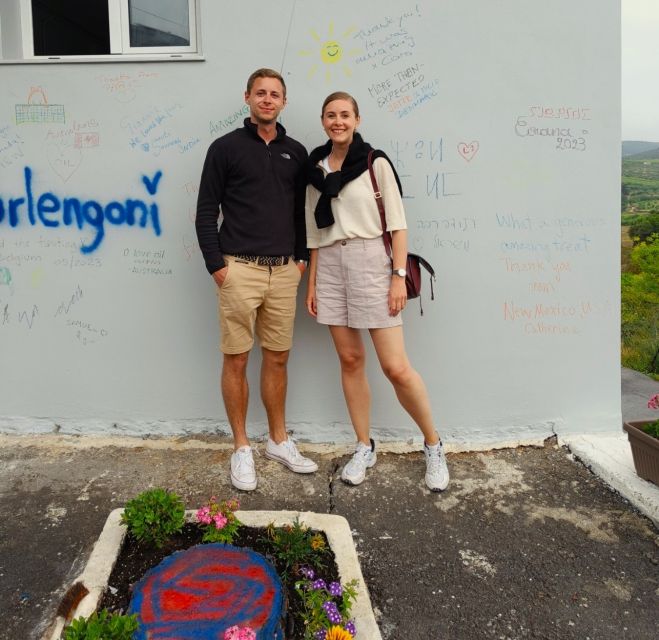
If you want good value for money, and you care about tasting olive oil with food pairings you can actually replicate, I’d book it. The combination of grove walking, mill viewing, and a generous tasting spread hits the best sweet spot: you learn, you taste, and you leave with products you know you’ll enjoy.
I’d pay attention to the logistics piece—no hotel pickup, meeting point at Kleanthi in Skalani, and a narrow road approach. If you’re comfortable arranging a taxi or driving, you’ll probably find it easy. If not, choose a tour time that matches how you’ll get there.
Overall, this is the kind of tour where the “why” behind olive oil becomes clear, and the payoff is something you can bring home.
FAQ
Is the tour guide available in English?
Yes. The tour includes a live guide who speaks English.
Where does the tour start?
The meeting point is Kleanthi olive farm in Skalani, Heraklion. Look for road signs that say Kleanthi.
What’s included in the tasting?
The package includes an olive oil tasting menu, plus water and refreshments. The food pairings can include items like bread, cheeses, and other local delicacies.
How long is the experience?
It’s listed as a 1-day activity.
Do they pick you up from your hotel?
No. Hotel pickup and drop-off are not included.
Is the tour wheelchair accessible?
Yes, the experience is marked as wheelchair accessible.
What should I bring?
You should bring comfortable shoes for walking on-site.
Is there a cancellation option?
Yes. Free cancellation is offered up to 24 hours in advance for a full refund.
Can I reserve without paying immediately?
Yes. The experience offers a reserve now & pay later option, where you can book and pay nothing today.