REVIEW · OAHU
Kona Coffee Tasting: A Farm to Cup Experience
Book on Viator →Operated by The Coffee Lab by Hala Tree Cafe · Bookable on Viator
Kona coffee tastes better when you know why. This one-hour farm-to-cup tasting at The Coffee LAB by Hala Tree Cafe pairs a tight three-coffee flight with an educator-led story about their Kona operation on the Mauna Loa slopes. I love that you’re not just sampling—you learn how farming choices show up in the cup, from cultivation and fermentation to roasting.
I also like the small-group feel, with a maximum of 12 people, so the session stays casual and interactive instead of lecture-y. One drawback to consider: it’s a tasting and presentation at the shop, so if you’re hoping for a full, hands-on farm visit up the mountain, this experience is more about learning than walking the fields.
In This Review
- Key highlights I’d plan around
- Farm-to-cup Kona coffee, taught at The Coffee LAB
- Price and what you get for $10
- Your one-hour plan: arrive, taste the flight, learn the farm story
- Stop 1: The Coffee LAB by Hala Tree Cafe (the whole experience)
- A small planning note
- How you’ll taste (and why it makes a difference)
- Mauna Loa and Kona: what this tasting teaches you about place
- Processing, fermentation, and roasting: the flavor chain you’ll understand
- Cultivation and harvest
- Processing and drying
- Fermentation choices
- Roasting decisions
- Group size, comfort, and the details that make it smoother
- Who this Kona coffee tasting is best for
- My take: a smart $10 stop for Kona lovers and beginners
- Should you book this Kona Coffee Tasting?
- FAQ
- How long is the Kona Coffee Tasting?
- What will I taste during the experience?
- Where is the meeting point for the tour?
- Is the experience offered in English?
- How big are the groups?
- What happens if the tour is canceled due to weather?
- Is there free cancellation?
Key highlights I’d plan around
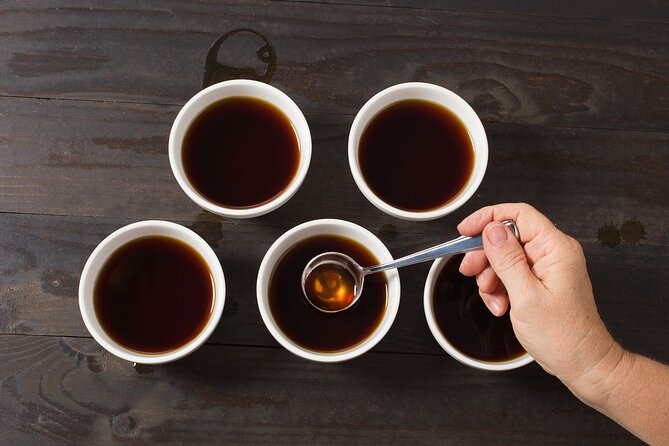
- Three Kona coffees in one flight so you can compare varieties and processing methods fast
- Educator-led tasting technique that helps you notice flavor instead of just liking it
- Mauna Loa farm story covering growing, harvest, processing, drying, fermentation, and roasting
- Small group size (max 12) keeps it personalized and question-friendly
- Practical coffee-sensory tips including how to smell and taste in a way that actually works
- Set in Oahu at The Coffee LAB for an easy add-on during your day, not a long excursion
Farm-to-cup Kona coffee, taught at The Coffee LAB
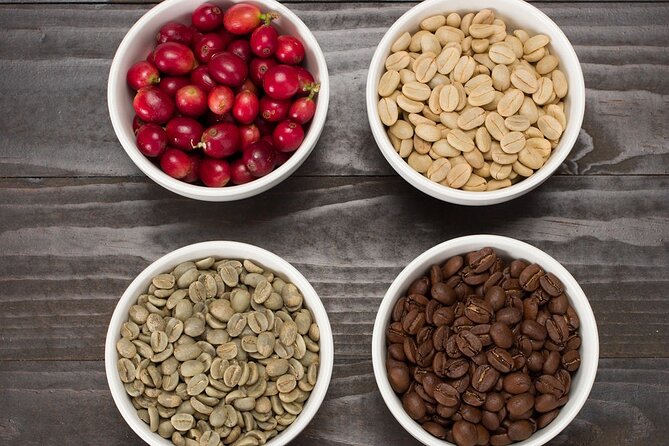
This tasting is built around a simple idea: you’ll understand Kona better if you connect each sip to a real decision made on the farm. The experience is led by the coffee educators at The Coffee LAB by Hala Tree Cafe, and it’s focused on their 100% Kona coffee.
You’ll start in a shop setting at 51-666 Kamehameha Hwy, Kaaawa, HI 96730, and the session stays there. That matters because the time is tight and the instruction is clear. You’re not spending hours in transit or wandering around in the heat—you’re getting a guided flavor workout, plus a presentation about the farm in Kona.
If you’re the type who loves a good food story, this one is fun. You’ll hear how they grow and harvest, how they process and dry coffee, and how they roast. The goal is not to impress you with jargon. It’s to help you taste with intention.
You can also read our reviews of more tours and experiences in Oahu.

Price and what you get for $10
At $10 per person for about one hour, this is one of the easier-value coffee experiences on Oahu. The big reason is the structure: you’re paying for instruction plus a comparison tasting, not just coffee on the side.
You taste three Kona coffees as a planned flight. That alone makes the session more useful than a single pour, because you’re training your palate to spot differences. And you get a guided presentation that explains what’s behind those differences—cultivation, fermentation choices, and roasting decisions.
If you’re already a Kona fan, this still pays off because you’ll learn what to look for when the coffee tastes different. If you’re new to tasting, it’s also a strong starting point because the educators focus on how to smell and taste properly instead of assuming you already know.
Your one-hour plan: arrive, taste the flight, learn the farm story
The experience runs about an hour (some sessions land closer to 35 minutes depending on pacing), and it follows a straightforward rhythm.
Stop 1: The Coffee LAB by Hala Tree Cafe (the whole experience)
You meet at The Coffee LAB and settle in for the guided tasting. Here’s what you can expect in the order it usually unfolds:
- Welcome and set-up for the tasting flight
You’ll be tasting three Kona coffees from their family-owned farm on the slopes of Mauna Loa. The educator frames what you’re looking for—varieties and processing choices, and how those choices can change flavor.
- The guided flight tasting
Each coffee is presented as part of the larger story, so you’re comparing rather than randomly sipping. This is where you pick up the most practical skills.
- Farm presentation: grow to roast
After or alongside the tasting, you’ll get an engaging explanation of their award-winning farm in Kona. You’ll hear about cultivation and harvest, traceability, innovative drying methods, and experimental fermentation approaches. Then they connect those steps back to what you’re tasting.
- Q&A and final sips
Because the group is capped at 12, you can usually ask direct questions without feeling rushed. It’s also the best time to ask what to try next if you’re a beginner—or what variables matter most if you’re already picky.
A small planning note
This is weather-dependent in the sense that it requires good weather. The good news: the experience itself is at the shop meeting point, so you’re not signing up for a long outdoor hike. Still, if the session gets canceled due to weather, you’ll be offered a different date or a refund.
How you’ll taste (and why it makes a difference)
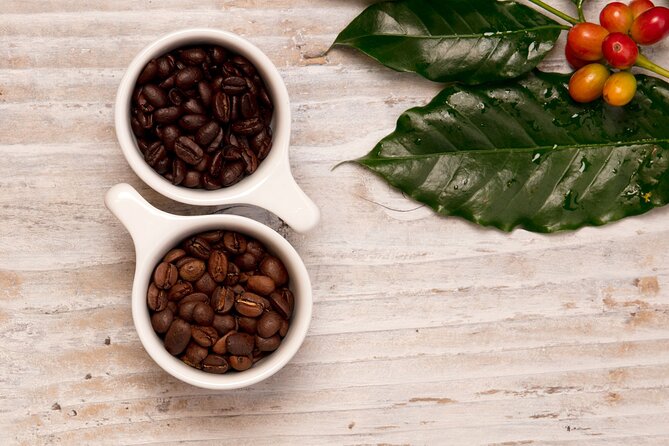
This is the part that stood out most for people who love learning skills, not just drinking coffee.
You’ll be taught how to taste properly, which sounds obvious until you try it the wrong way. One useful tip: smell with your mouth open, so aromas can hit your taste system before the first sip. Then take a drink and let the liquid move over different parts of your mouth before swallowing. After you swallow, breathe through your nose to pick up the rest of the aroma.
That simple sequence helps you separate flavor impressions. It turns tasting into something repeatable, not random.
You’ll also get help with roast-level comparisons. For example, you may hear the difference between standard roasting and light roasted coffee in a way that makes sense. Light roast often preserves more origin character—think brightness and distinct flavor notes—while darker roasts can shift toward deeper, heavier flavors. Even if you already have opinions about roast level, the instruction helps you understand what you’re noticing.
Mauna Loa and Kona: what this tasting teaches you about place
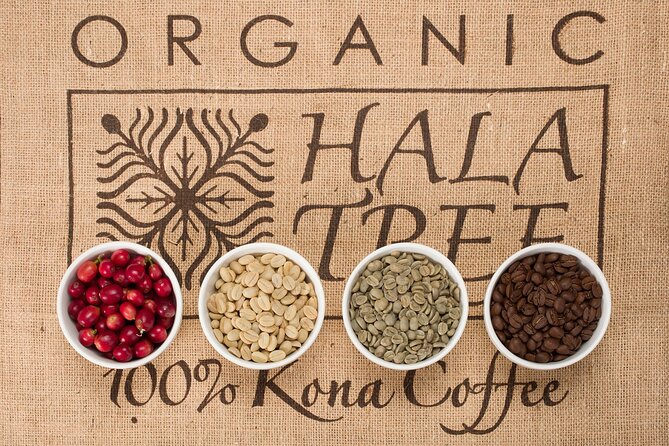
Kona coffee is famous, but fame can blur the details. This experience pushes past the label and helps you connect Kona flavor to the environment and the farm’s choices.
You’ll learn that the coffees come from a family-owned farm on the slopes of Mauna Loa. That matters because growing conditions shape how coffee develops. But instead of stopping there, the educator ties the farm story to the cup: how cultivation and harvest decisions affect quality, and how processing steps influence what ends up in your cup.
You’ll also get a look at their emphasis on traceability. In practical terms, traceability means the farm wants you to know where the coffee came from and how it was handled. That gives you confidence when you’re comparing lots or trying to figure out why one coffee tastes clean and sweet while another can feel harsher or flatter.
And yes, there’s often a setting bonus. People note the ocean views around the Kona-coffee experience route on Oahu, which is a nice add-on if you arrive earlier or tack it onto a day with good viewpoints.
Processing, fermentation, and roasting: the flavor chain you’ll understand
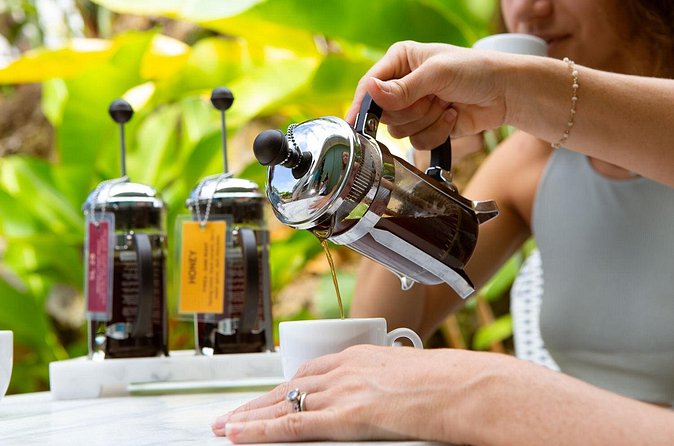
One of the best outcomes from this tasting is learning the chain of cause-and-effect. The educator explains how coffee isn’t just roasted; it’s built.
Here’s how you’ll see the chain come together during the presentation:
Cultivation and harvest
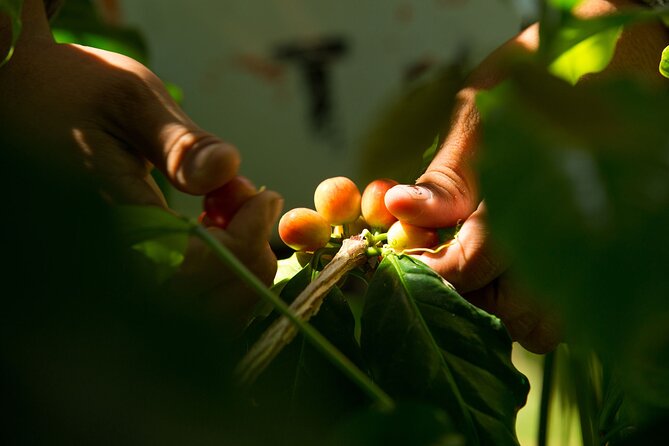
Growing and harvesting determine the starting quality. When coffee cherries are handled well and harvested appropriately, the coffee tends to develop clearer flavors after processing.
Processing and drying
You’ll hear about innovative drying techniques and how processing methods can shape taste. Drying affects how coffee reaches roast-ready stability. It can also influence how the coffee’s sweetness and acidity present in the cup.
Fermentation choices
The presentation includes experimental fermentation methods. Fermentation can change the coffee’s flavor direction—often by impacting sweetness, acidity expression, and aromatic complexity. The point here isn’t to memorize terms; it’s to understand that two coffees can both be Kona, both roasted, and still taste different because the earlier steps changed the chemistry.
Roasting decisions
Finally, roasting locks in and amplifies what’s already there. That’s why you’ll taste differences between the three coffees as a combination of earlier farm steps plus the way each coffee was roasted.
The practical benefit: after this tasting, you’ll read flavor descriptions more intelligently. You won’t just treat tasting notes like marketing. You’ll start asking, What processing choice caused that? What did the roast do?
Group size, comfort, and the details that make it smoother
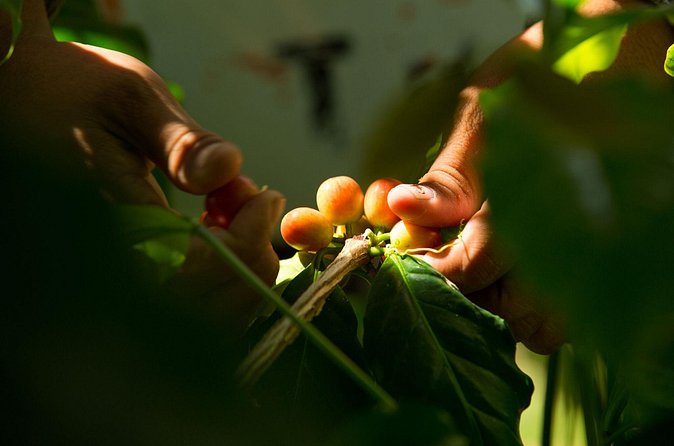
Small matters here. With a maximum of 12 travelers, you’re more likely to get personal attention, and the tasting can move at a comfortable pace.
You’ll also get a mobile ticket, which is useful if you’re bouncing around Oahu and don’t want extra paperwork. The experience is offered in English, which makes the instruction easier to follow in detail.
Service animals are allowed, and the meeting area is near public transportation. That’s helpful if you don’t want to rely on a car for one short stop.
And because the duration is only about an hour, it slots nicely into a day where you also want beach time, a hike, or a meal somewhere great.
Who this Kona coffee tasting is best for
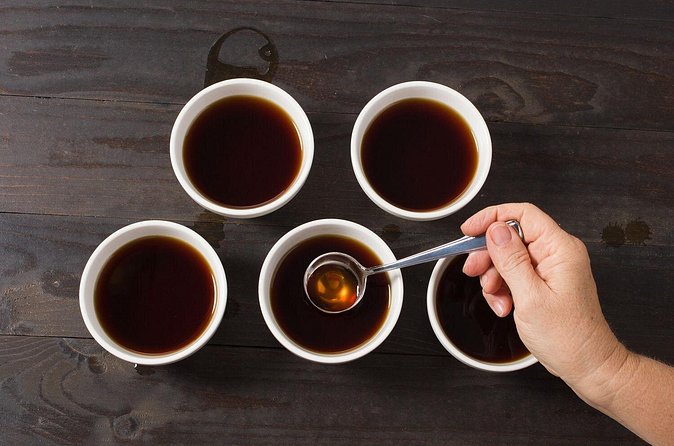
This tasting fits a wide range of coffee people, which is rare for a short tour.
You’ll be happiest if:
- You drink coffee but want to taste it with skill, not just vibes
- You’re curious about how Kona coffee is made beyond the bag label
- You want a quick, guided experience with a farm story you can actually connect to flavor
- You enjoy small groups and asking questions
You might hesitate if:
- You’re looking for a full on-farm visit up the Mauna Loa slopes
- You want a long, hands-on brewing or cupping workshop (this is still a tasting and presentation, not a multi-session class)
My take: a smart $10 stop for Kona lovers and beginners
I like that this experience balances story with technique. The farm details—cultivation, harvest, processing, traceability, drying methods, fermentation experiments, and roasting—could stay abstract. Instead, they’re tied directly to the coffees you’re tasting.
The tasting tips are the standout. Learning how to smell and taste in a structured way changes how you drink coffee afterward. Even if you’re not trying to become a coffee nerd, you’ll walk out with a better sense of what you like and why.
And at $10, you’re not taking a huge risk. It’s short, focused, and you get real comparison: three Kona coffees side-by-side with explanations.
Should you book this Kona Coffee Tasting?
Yes—if you want the easiest way to upgrade your Kona coffee understanding without spending all day.
Book it if you’re:
- New to coffee tasting and want clear instruction
- A Kona fan who wants to connect flavor to farm choices
- In Oahu with limited time and want a high-value, low-cost experience
Skip it if you:
- Are specifically seeking a long farm tour or hands-on field work
- Only want coffee with zero explanation and don’t care about the “why” behind flavor
If you’re on the fence, here’s how I’d decide: if you can spare an hour to learn how to taste, you’ll get more pleasure out of every coffee after this. And for $10, that’s a tough deal to beat.
FAQ
How long is the Kona Coffee Tasting?
It’s about 1 hour (approx.).
What will I taste during the experience?
You’ll taste a flight of three Kona coffees.
Where is the meeting point for the tour?
You meet at The Coffee LAB by Hala Tree Cafe, 51-666 Kamehameha Hwy, Kaaawa, HI 96730, USA.
Is the experience offered in English?
Yes, it’s offered in English.
How big are the groups?
The experience has a maximum of 12 travelers.
What happens if the tour is canceled due to weather?
It requires good weather. If it’s canceled because of poor weather, you’ll be offered a different date or a full refund.
Is there free cancellation?
Yes. You can cancel up to 24 hours in advance for a full refund.