REVIEW · GREECE
Heraklion :Olive & Dragon Farm Tour & Cretan Farmers Brunch
Book on GetYourGuide →Operated by Alex Alexakis IKE · Bookable on GetYourGuide
Olives and dragon fruit, served under living shade. This 2-hour private stop around Heraklion pairs a family olive farm tour with a Cretan Farmers Brunch and brunch under olive trees.
I also like how Alexis and his wife share four generations of olive cultivation, including a winter harvesting simulation. The main trade-off is it’s mostly outdoors, so bring a hat and expect a no-alcohol brunch setting.
In This Review
- Key things to look for
- Why this olive grove + dragon fruit combo works
- A quick note on the group style
- Getting to Evangelismou 135 and meeting Alexis
- What you see on the olive tree farm tour
- A highlight: the winter harvesting simulation
- Dia Island views while you pause in the patio
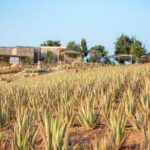
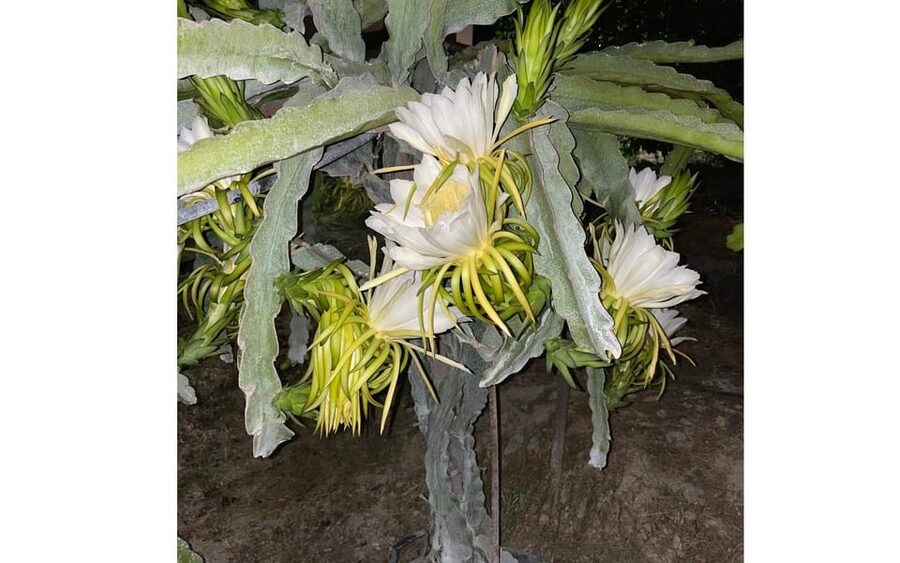
- The dragon fruit part you might not expect
- The Cretan Farmers Brunch: what you actually get
- The menu, item by item
- Why brunch under the trees is a big deal
- Extras and how to make it work for you
- Price and value for a 2-hour private farm meal
- The small practical considerations that matter
- Who should book this tour (and who might skip it)
- Should you book the Heraklion Olive and Dragon Farm Tour?
- FAQ
- How long is the olive and dragon farm tour?
- What is included in the brunch?
- Is alcohol included with the meal?
- What languages is the live guide available in?
- Where do we meet the guide?
- What should I bring?
Key things to look for
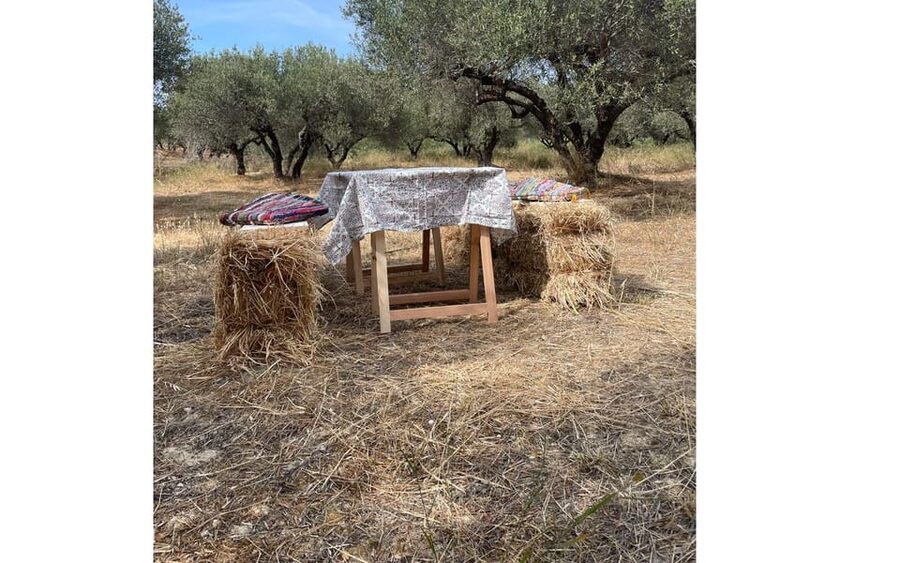
- Brunch inside the olive grove, served right under the trees
- Olive cultivation from a family orchard with stories passed down for generations
- Winter olive-collection simulation to show how the work really happens
- Dragon fruit farming included so you’re not stuck with only olive topics
- A view over Dia Island while you rest from the walk and tour talk
- Big, satisfying Cretan food made with local ingredients and bio eggs
Why this olive grove + dragon fruit combo works
Most farm tours go all-in on one crop. Here, you get two very different parts of Crete’s food identity in the same visit: olives and dragon fruit. That contrast keeps the tour feeling fresh, and it makes the farming stories easier to understand. Olives are the liquid-gold staple, and dragon fruit shows how growers adapt to newer demands.
I like the pace because it’s not a long hike disguised as a history lesson. In about 2 hours, you’re walking through the orchard, hearing what you need to know, then sitting down for a real meal. The brunch isn’t an afterthought, and it’s built around what farm life looks like: rest, shade, and food that belongs outdoors.
You can also read our reviews of more tours and experiences in Greece.
A quick note on the group style
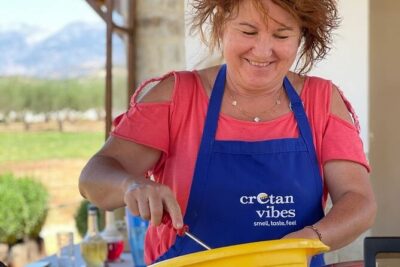
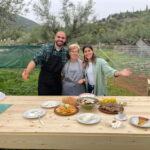
This is a private group tour, which usually means less waiting around and more time for your questions. You’ll hear explanations in English and Greek, led by Alexis (Alex Alexakis IKE), with his wife often involved in the welcome and hosting.
Getting to Evangelismou 135 and meeting Alexis
Your meeting point is Ευαγγελισμού 135 in Heraklion, and you return there afterward. The sign you’re looking for is on the right as you drive uphill, toward Cretan Dragon Farm. It’s a simple setup, but the trip from the city to the farm can be part of the day’s mood: you go from traffic and sidewalks to the quiet of farmland.
Even though the listed duration is short, the structure matters. The day isn’t “walk fast, eat later.” It’s tour first, then brunch in the grove. That means you arrive hungry in a good way, not rushed or overworked.
What you see on the olive tree farm tour
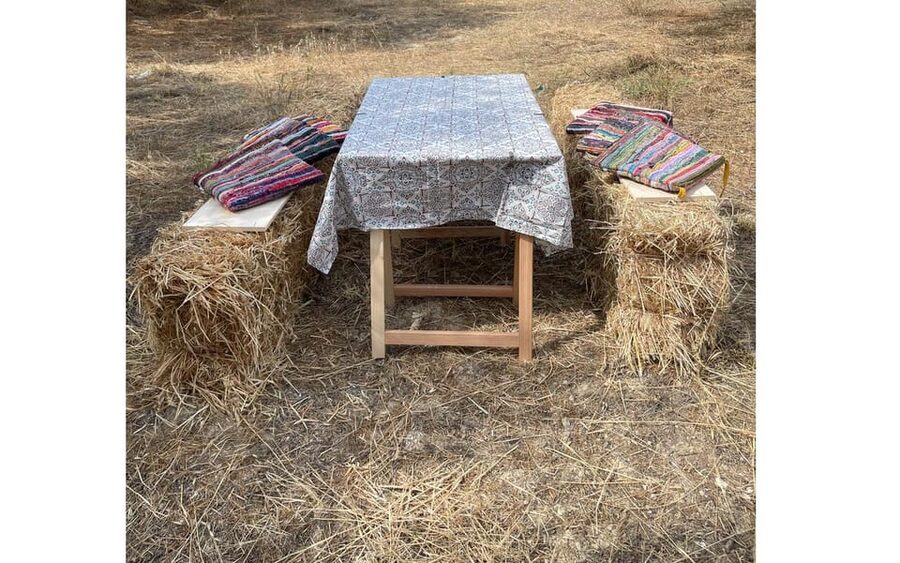
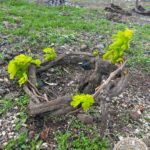
This is a family-owned olive grove farm visit, managed by the same family for more than four generations. That detail isn’t just trivia. When you hear farming stories passed down through generations, you get a sense of what changes slowly and what farmers adjust more often. It also helps explain why olive growing is both tradition and problem-solving: weather, timing, soil, and harvest methods all matter.
You’ll learn about:
- how olive trees are cultivated over time
- how growers think about harvesting
- what seasonal work looks like
And because olives are central to Crete’s identity, they also build the story around taste. You don’t just hear that olives are important—you get to sit in an orchard where olives are literally around you, including small olives that come from nearby trees during the meal.
A highlight: the winter harvesting simulation
One of the most practical parts is the simulation of olive collection. The tour notes that during the winter months they provide an exact simulation of the process. Translation for you: you’re not getting vague gestures. You’re shown the steps closely enough that you can picture what farmers do when the real work time comes around.
If you’ve never thought about harvesting as a timed process, this is the moment that clicks. Olives aren’t picked in a hurry; the work has rhythms.

Dia Island views while you pause in the patio
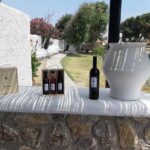
Between orchard walking and the meal, there’s time to rest in an outdoor patio area. You’ll be able to take in the view of Dia Island. This matters more than you’d think, because it gives your brain a break from the information stream. You can look out, then come back to the olive story with less pressure.
This is also a good moment to ask your host questions. If you’re curious about how local farms handle seasons, harvesting, or selling produce, this patio break gives you a natural pause to talk.
The dragon fruit part you might not expect
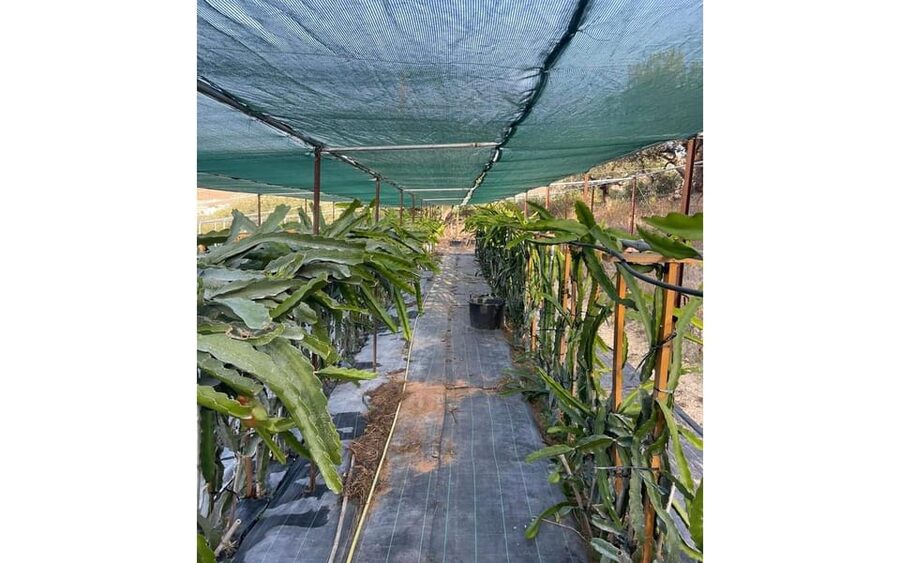
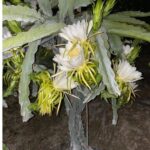
The tour name includes dragon fruit for a reason. You get a visit to the dragon fruit farm as part of the same experience, so you’re not stuck in an olive-only mindset. The practical value here is simple: you see that farming on Crete isn’t limited to one product.
There’s also a useful explanation element. One review highlights that they adapt their approach to fit market needs. You’ll likely hear some of that thinking as you tour the dragon fruit areas—how growers respond to what buyers want, not just what’s traditional.
If you’re traveling with someone who likes novelty—different crops, different plant habits—dragon fruit gives them something concrete to look at while still tying back into the bigger farming picture.
The Cretan Farmers Brunch: what you actually get
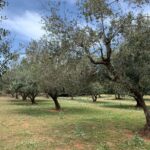
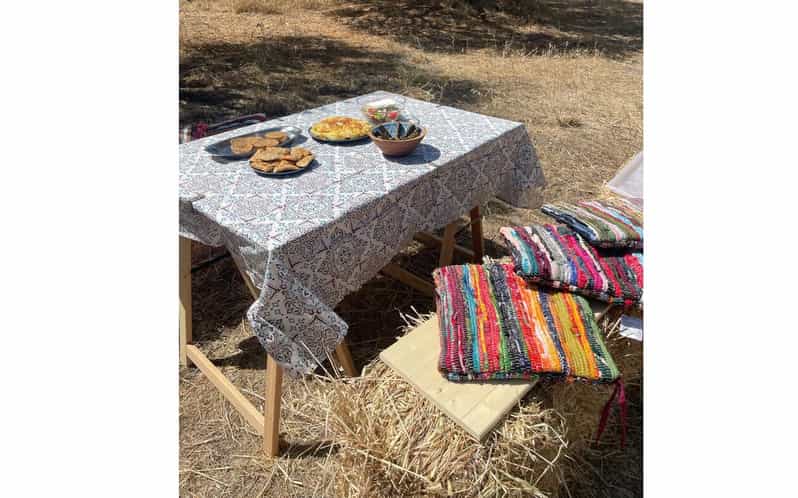
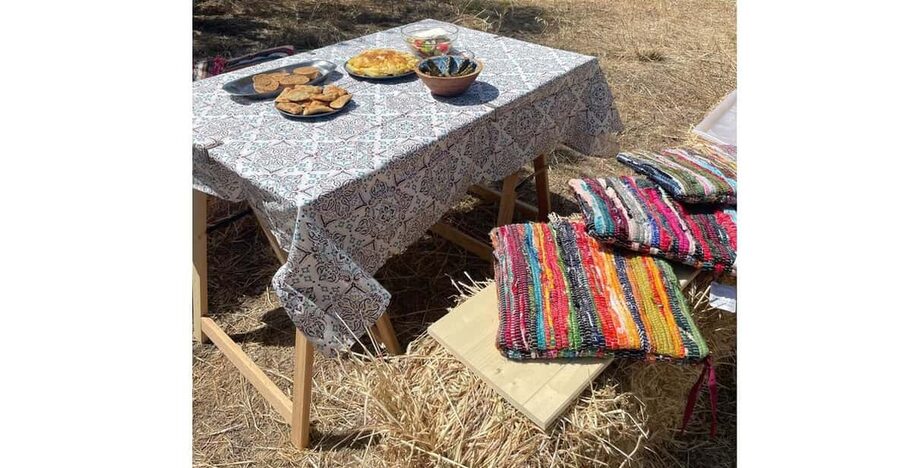
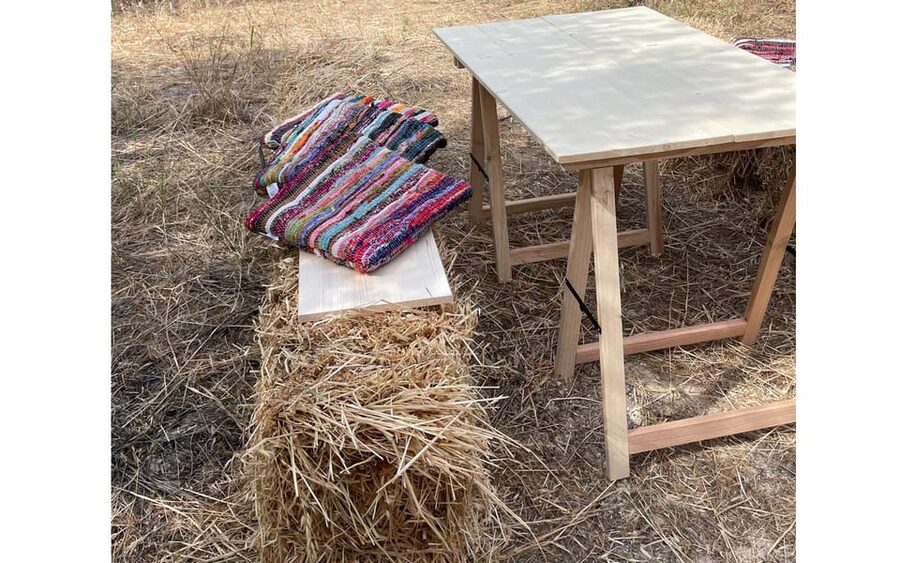
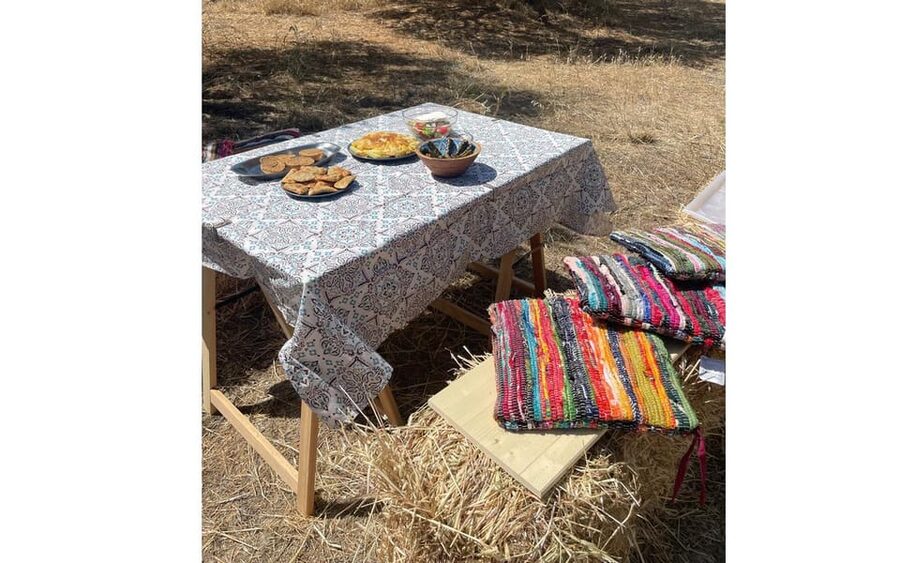
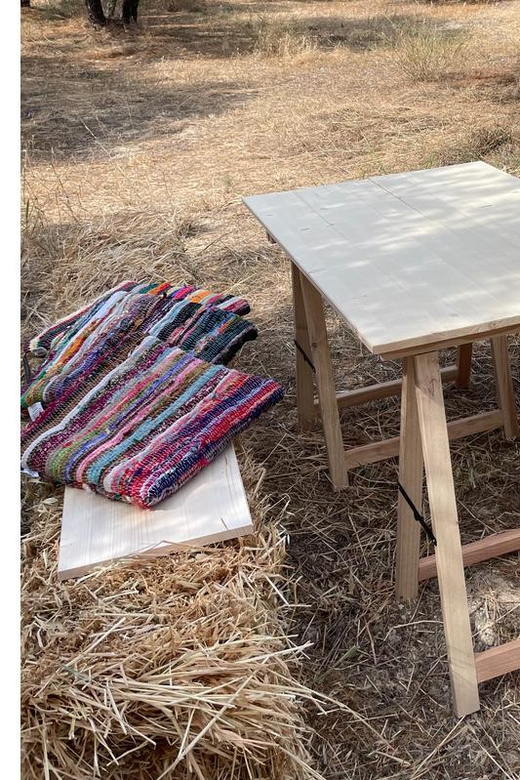
Now the best part: you eat where the olives grow. The brunch is provided inside the olive grove, under the trees. That turns the meal from a restaurant moment into a farm-life moment.
You get what the tour describes as a rich and tasty Cretan Farmers Brunch, designed to feel like an actual farmers’ setup rather than a staged tasting.
The menu, item by item
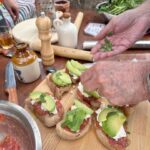
For the brunch included, you’ll be served:
- Sfouggato: a local omelette made with potatoes and local bio eggs
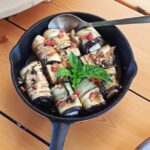
- Ntolmadakia: small rice rolls wrapped in vine leaves, cooked slowly (about 10 pieces mentioned)
- Fried pies stuffed with a variety of greens
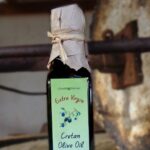
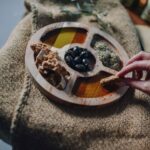
- Local salad with fresh tomato, cucumber, dakos rusk, plus olives and olive oil
- Small olives coming from the trees around you
- Local still water
Even if you’re not a big eater, this menu is filling. It’s not just one dish—it’s multiple comforting staples: egg + potatoes, vine-leaf rolls, greens in pastry form, then salad for balance. It’s the kind of meal that feels like it belongs to Crete, not a generic Mediterranean buffet.
Why brunch under the trees is a big deal
You might think any meal is good if the food is good. But this setting changes the feel of the day. Sitting under olive trees means you’re eating in the environment that shaped the ingredients. It also helps you slow down after the tour walk. The shade and outdoor vibe make the whole visit feel grounded, not like a quick stop.
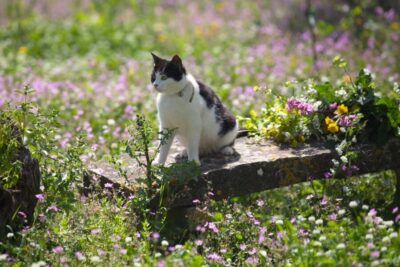
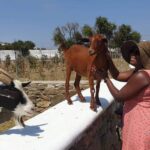
One more detail: some reviews mention cats around the grove area. That’s not something you can plan for, but it adds to the lived-in farm atmosphere.
Extras and how to make it work for you
The tour includes water, but it specifically lists no alcohol as part of what’s allowed during the activity. If you want wine with your meal, you’ll need to handle that outside the tour experience.
Also, one review talks about being able to take food to go. If you find yourself full but not finished, it’s worth asking politely if there’s an option to pack leftovers for later.
Price and value for a 2-hour private farm meal
At $35 per person for a 2-hour private experience with tour + brunch included, the value is strong on paper and in practice. Why?
You’re not paying only for food. You’re paying for:
- time with the farm host
- the orchard and farm walkthrough
- the olive cultivation explanations
- the dragon fruit visit
- a full Cretan brunch menu in the grove
Because the food is included and described as rich and copious, the meal cost component is built into the price. If you try to build this day on your own—transport, entrance costs (if any), guided explanations, and a proper Cretan meal—you’d likely spend more time and probably more money.
The short duration is another value lever. Two hours is long enough to feel like you did something meaningful, but short enough that it doesn’t wreck your other plans in Heraklion.
The small practical considerations that matter
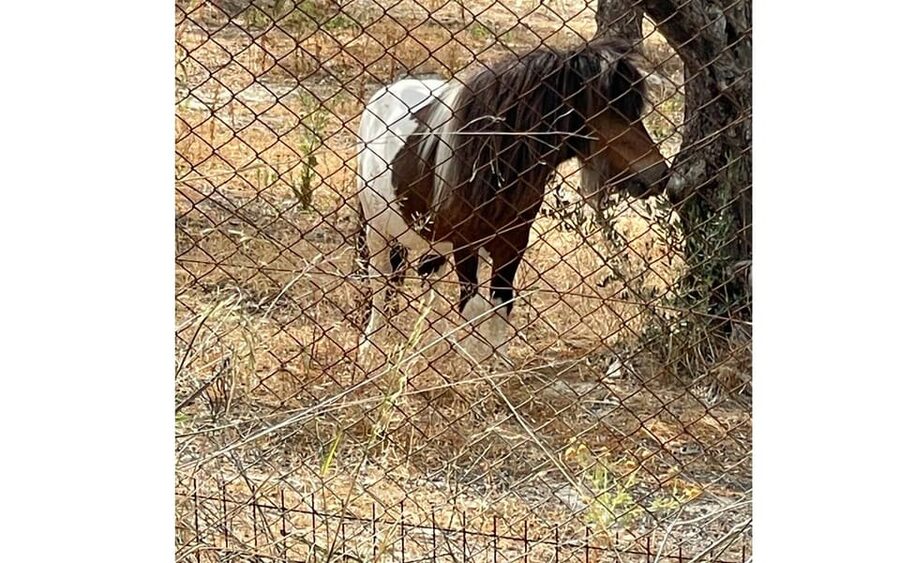
This is a farm setting, so plan like it’s a farm visit, not a museum.
- Bring a hat. The activity includes outdoor time in the olive grove area.
- Wear shoes you’re comfortable walking in, since you’ll be touring the farm grounds.
- The experience is not suitable for people over 95 years.
- Alcohol isn’t part of the included experience, and the tour notes alcohol and drugs aren’t allowed.
If you’re traveling in the hottest part of the day, shade helps, but you still need to think about sun and comfort. The upside is the grove setting is naturally cooler than exposed streets.
Who should book this tour (and who might skip it)
This tour is a great match if you want:
- Real farm context, not just a photo stop
- a meal that feels like Cretan home cooking, not tourist food
- both olives and another crop like dragon fruit in one short visit
- a warm, personal guide style with questions welcomed
It may be less ideal if you:
- want a long day with extensive stops (this is 2 hours)
- dislike outdoor meals or strong sun exposure
- need alcohol included with lunch
If you’re the kind of traveler who enjoys learning how food is grown—especially Crete’s olive culture—this will click fast.
Should you book the Heraklion Olive and Dragon Farm Tour?
Yes, you should book it if you want a short, high-value experience that blends farming education with a genuinely Cretan brunch served in the olive grove. The strongest reasons to go are the family-hosted feel, the hands-on olive harvesting simulation, and the meal itself: sfouggato, ntolmadakia, fried pies with greens, salad with dakos, and olives straight from the area.
Skip it only if you’re mainly after a big sightseeing checklist, or if outdoor heat and an alcohol-free brunch setting don’t fit your style. Otherwise, this is the kind of day that makes Crete feel personal and real.
FAQ
How long is the olive and dragon farm tour?
The guided experience lasts about 2 hours.
What is included in the brunch?
The tour includes a brunch with sfouggato (potato omelette made with local bio eggs), ntolmadakia (vine-leaf rolls), fried pies stuffed with greens, local salad with dakos and olives, and local still water.
Is alcohol included with the meal?
No. The tour does not include alcohol, and alcohol is listed as not allowed during the activity.
What languages is the live guide available in?
The live tour guide speaks English and Greek.
Where do we meet the guide?
The meeting point is at Ευαγγελισμού 135 in Heraklion, with a sign on the right as you drive uphill toward Cretan Dragon Farm.
What should I bring?
The tour suggests bringing a hat for sun protection.