REVIEW · KAMPOT PROVINCE
Kampot Private Tour: Pepper Farm, Salt Field & Secret Lake
Book on GetYourGuide →Operated by Kampot-Kep day tours by locals · Bookable on GetYourGuide
A day on a Khmer tuktuk changes how you see Kampot. This small-group tour strings together pepper, salt, and a countryside water stop with photo breaks and clear guiding. It’s a simple route, but the variety keeps it from feeling like just another farm visit.
I especially like the way the transport and guidance are built in. You get an English-speaking tuktuk driver who also talks as you go, plus a pepper-farm tour with tasting and the option of La Plantation or Bo Tree. One thing to consider: the salt fields may not always look like you expect, since you might see less salt depending on conditions.
The secret lake break at Bratek Krola (a reservoir people call the secret lake) is another strong point. It gives you a scenic pause between stops, with short story time and plenty of chances to grab photos. If you’re prone to motion sickness or you’re traveling with limited mobility, this isn’t the right fit, since it’s done on a traditional motor trailer.
In This Review
- Key Things I’d Block Time For
- A Tuktuk Route That Feels Like Local Tempo
- Pepper Farm Stop: La Plantation vs Bo Tree
- Salt Fields in Kampot: Big Area, Different Look
- Bratek Krola Secret Lake: A Reservoir Break for Stories and Photos
- Lunch Time: Keep It Simple and Flexible
- Price and Value: What $37 Gets You
- Timing and Feel: Private for Your Group, Shared at the Farm
- Who This Tour Suits Best
- Practical Tips to Make It Better
- Should You Book This Kampot Private Tour?
- FAQ
- How much does the Kampot Private Tour cost?
- What’s included in the tour price?
- Is the tour fully private?
- Which pepper farm will I visit?
- Are there extra fees for pickup and drop-off?
- What language is used during the pepper farm tour?
- What should I expect to see at the salt fields?
- Is this tour suitable for everyone?
Key Things I’d Block Time For
- English-speaking tuktuk driver who guides as you travel
- Pepper-farm walking plus tasting at La Plantation or Bo Tree
- Salt fields stop at Kampot’s biggest salt area (with seasonal variability)
- Bratek Krola secret lake reservoir break for photos and stories
- Pepper-farm timing feels easier because the driver waits
A Tuktuk Route That Feels Like Local Tempo
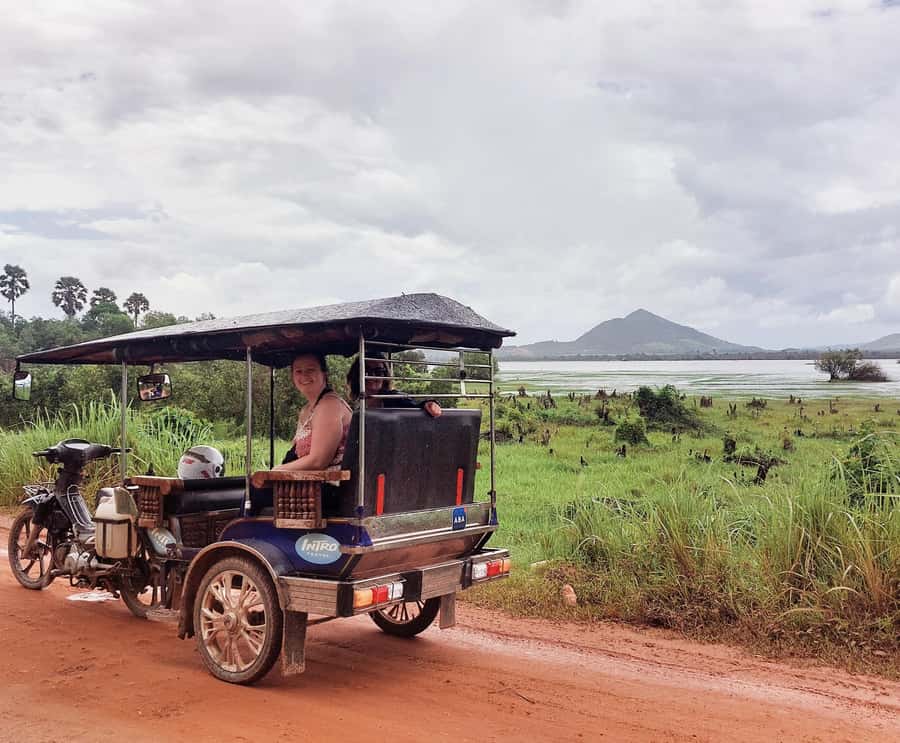
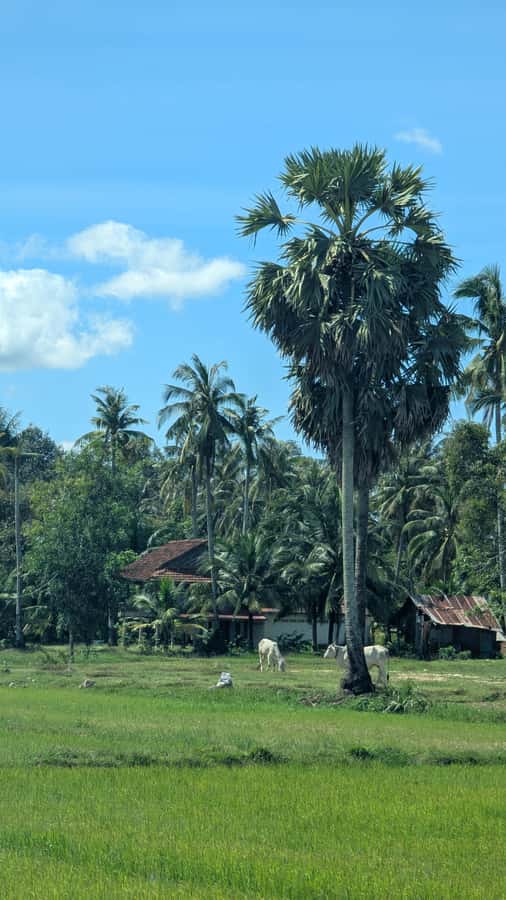
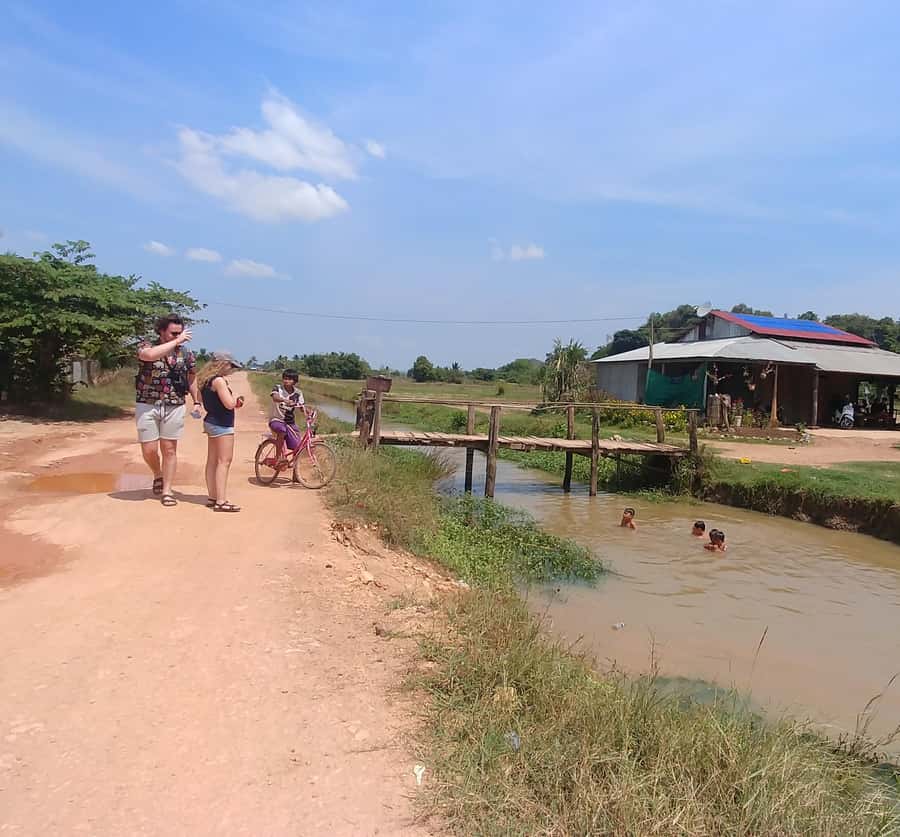
The tour rides you out past Kampot’s main area into villages and farmland, with rice fields and open countryside views along the way. The vehicle is a traditional Cambodian tuktuk, basically a motor trailer. That matters because it slows the day down just enough for photos, casual conversation, and real roadside watching.
What makes this work well is that you’re not just dropped at each location. Your driver also acts as the guide, giving stories and context during the ride, then keeping things moving so you’re not stuck figuring out the logistics between stops.
If you like active, day-trip pacing (instead of sitting in a van all day), you’ll probably enjoy the rhythm here. Just keep in mind that this is also road time on a trailer setup, so it’s not ideal if you get motion sick.
You can also read our reviews of more tours and experiences in Kampot Province.
Pepper Farm Stop: La Plantation vs Bo Tree
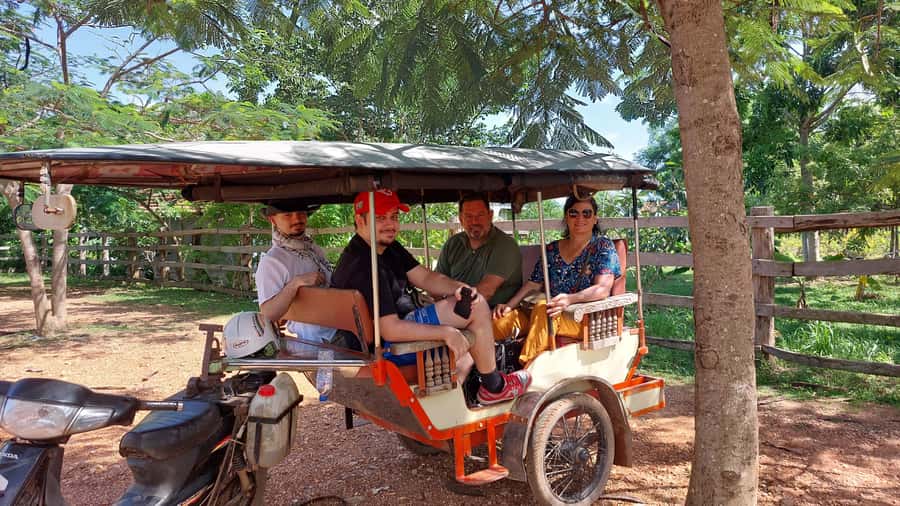
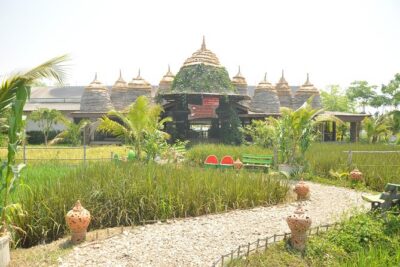
Pepper is the star of the day, and you get to choose which farm you visit: La Plantation or Bo Tree. That choice is valuable because La Plantation is described as the biggest and most famous, while Bo Tree gives you an alternative depending on what’s available or what you prefer.
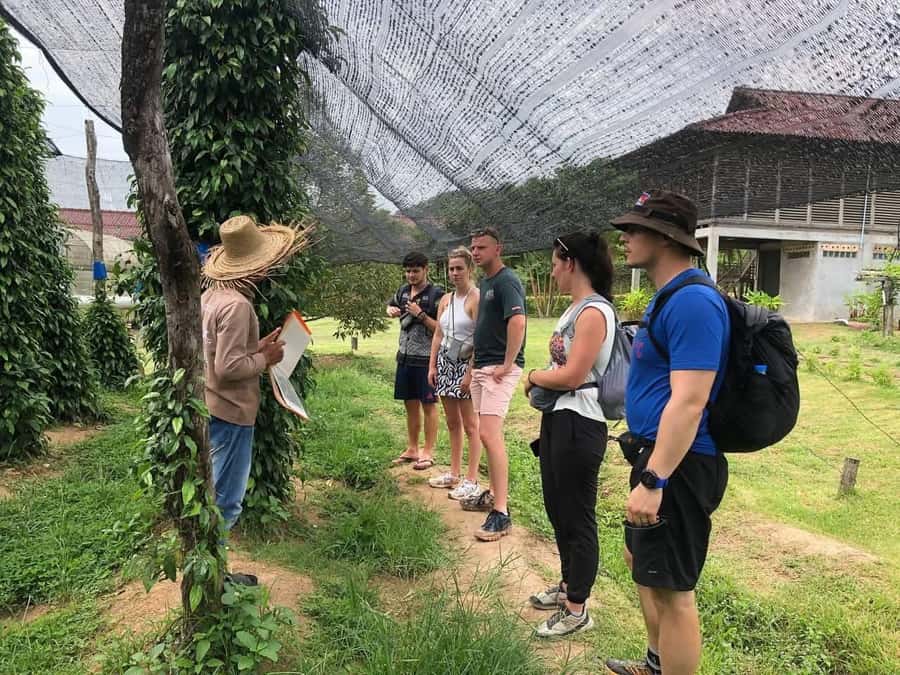
At the pepper farm, you’ll join a guided tour in English or French. The focus is pepper products and how the farm works, and it includes walking and tasting. If you’re the kind of person who buys spice once and then never learns what you actually bought, this stop is designed to fix that. You walk around the production side, then taste at the end, so the story sticks.
A small but real detail: your tuktuk driver waits while the pepper tour finishes. That means you’re not trying to entertain yourself for long stretches outside. It’s also helpful if you’re traveling with someone who doesn’t want to wander independently for an hour while everyone else tours.
Possible drawback: the pepper-farm tour is shared with other visitors. That’s not a problem if you’re friendly and happy to ask questions as they come up, but it does mean you won’t have a fully private farm guide voice for the entire time.
Salt Fields in Kampot: Big Area, Different Look
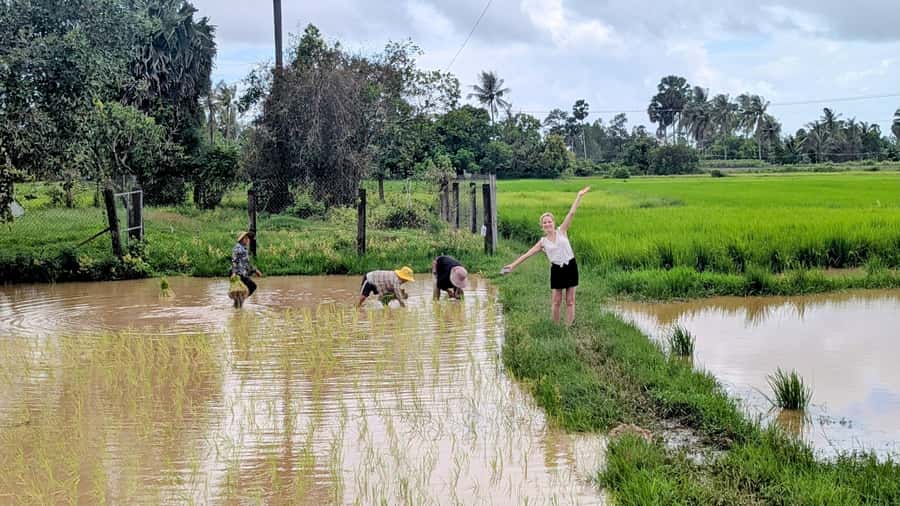
After the ride and before the next countryside break, you’ll stop at the salt fields. The tour specifically aims for Kampot’s biggest salt fields, so you’re not just doing a quick photo stop at a tiny patch.
Here’s the honest consideration: salt doesn’t always look the same day to day. One common surprise is that you might not see much actual salt at the time of your visit. Even when the visual salt is subtle, you can still learn what the process is like and why the fields matter here. The guide should be ready to explain the system, and that explanation is a big part of the value of this stop.
If your priority is dramatic salt pans with obvious piles of salt, plan your expectations. Think of this as a learning and landscape-stop combo. You’ll get the area’s role in Kampot agriculture, plus the context around how salt farming works.
Bratek Krola Secret Lake: A Reservoir Break for Stories and Photos
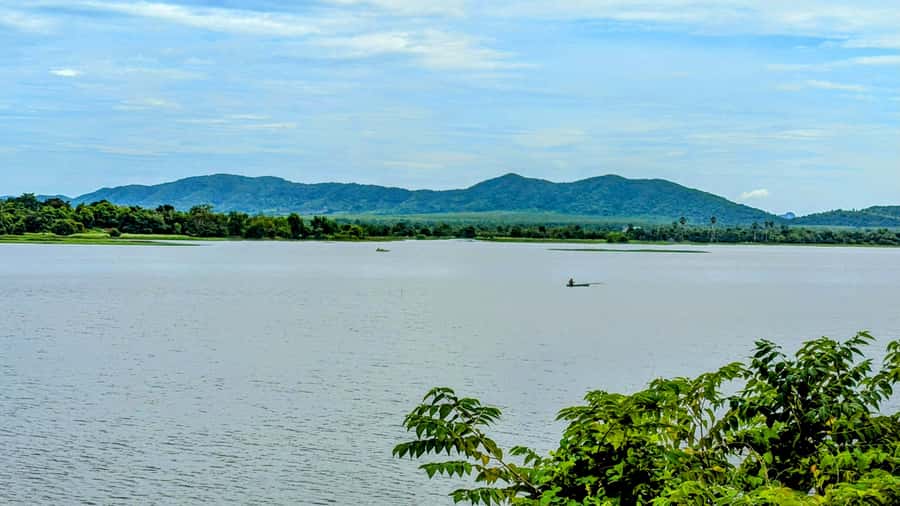
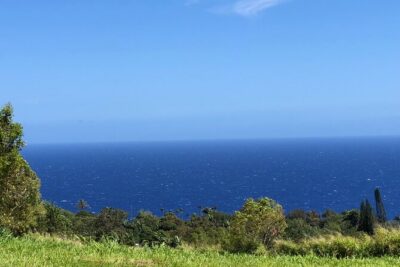
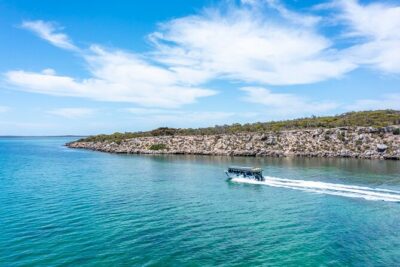
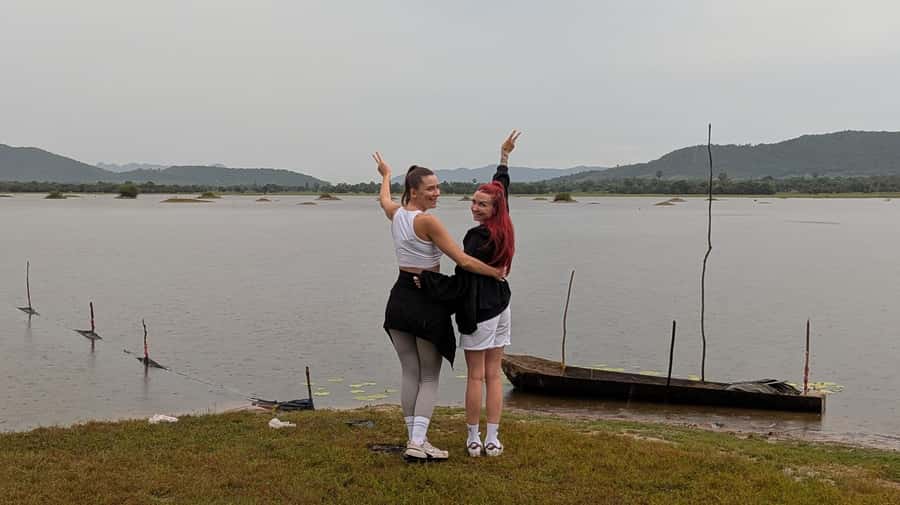
The secret lake portion is tied to Bratek Krola water dam (reservoir). You’ll stop there for a short break, often described as the kind of stop that resets the day: story time, a chance to photograph the water, and a moment to stretch before heading onward.
This stop works because it breaks the day into chunks. Pepper and salt are production-focused; the reservoir gives you a calm visual reset. Even if you’re not the type who needs swimming-water views, the scenery and the pause are what make this feel like a full countryside tour instead of a checklist.
One practical detail from the tour flow: the pepper farm is about 7 km from the lake. That gives you a sense of how this trip sequences the stops, so you’re not bouncing around the province randomly. It’s a corridor day.
If you’re traveling with someone who likes pictures, this is also the moment that’s easiest to enjoy without needing to do much walking.
Lunch Time: Keep It Simple and Flexible
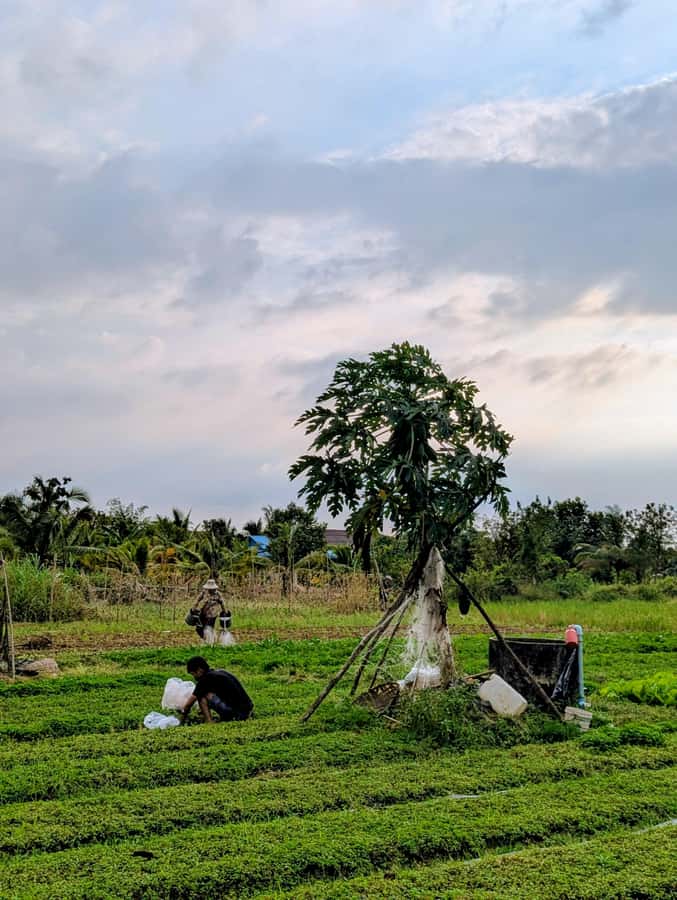
The tour includes time for lunch, but the details of where you eat aren’t provided here. That means you should treat lunch as a flexible slot rather than a guaranteed sit-down feast you can plan around.
My advice: eat something that won’t slow you down too much. Pepper and salt are both hands-on stops, and the day has driving time plus walking at the farm. If you have dietary needs, ask ahead or use the time slot to confirm options once you’re there.
The good news is that lunch time is built into the structure, so you won’t be scrambling for food between stops. For a day trip, that’s worth something.
Price and Value: What $37 Gets You
The price is listed as $37 per group up to 2. For that money, you’re paying for transportation (via tuktuk), an English-speaking tuktuk driver, and the guided pepper-farm experience with tasting. You’re also getting included time for lunch and stops at both salt fields and the Bratek Krola reservoir.
Where it becomes good value is the balance. You’re not just paying for admission at one site. You’re buying a guided day where the route itself adds value: countryside driving plus spoken context, then pepper knowledge and tasting, then two extra stops that round out the region’s food and water story.
There’s one potential cost add-on: pickup/drop-off over 3 km from Kampot city centre costs $2.5. If you’re staying close to the centre, you likely avoid that. If you’re farther out, factor it in so the day-trip price stays what you expect.
Timing and Feel: Private for Your Group, Shared at the Farm
Even though the pepper-farm tour is a shared group activity in English or French, the transport and guidance around the driving and stop sequence are still designed for your group. The driver meets you at departure time and then takes you through each planned location with story and breaks.
This setup makes the day feel less stressful than a DIY version. You don’t need to arrange multiple rides, and you don’t need to figure out what to ask at each stop. Plus, because the driver waits at the pepper farm, you don’t have that awkward moment where someone is stuck waiting alone while you’re mid-tour.
If you want a day that’s easy to manage without sacrificing authenticity, this is the kind of structure that works.
Who This Tour Suits Best
This tour is a good match if you want:
- an easy countryside day outside Kampot with guided pepper tasting
- a route that includes more than one type of attraction (farm, salt fields, reservoir)
- an English-speaking guide who can answer questions during the ride
It may not be the right match if:
- you need wheelchair access (not suitable for wheelchair users)
- you get motion sickness easily (not suitable for motion sickness)
- you’re traveling with very small children (not suitable for children under 3)
- you’re over 70 (not suitable for people over 70)
If you’re unsure about walking comfort, the pepper farm includes walking, but the driver waiting helps. Still, you should expect some uneven farm paths rather than polished, flat surfaces.
Practical Tips to Make It Better
- Bring water. The pepper-farm walking plus road time can add up, especially in warmer weather.
- Wear comfortable shoes. Farm tours are typically on mixed ground.
- Have your pepper preferences in mind. If you like mild vs strong spices, you can ask during the tasting portion.
- Don’t over-plan salt visuals. Treat the salt fields as a process stop with context, not a guaranteed pile-of-salt photo spot.
Should You Book This Kampot Private Tour?
I’d book this if you want a countryside day that stays practical: tuktuk transport, English guidance, pepper farm tasting, and two extra stops that make the trip feel complete. The $37 per group up to 2 price looks fair for what’s included, especially if you’d otherwise have to piece together transport and guides yourself.
I’d skip it if you’re chasing a specific salt look (like heavy visible salt crystals) or if motion sensitivity is an issue for you. Also, if you need wheelchair access, this route isn’t designed for it.
If your goal is to learn something real about Kampot beyond the main tourist strip—pepper production, salt farming context, and a calm reservoir break—this tour offers a clean, well-structured way to do it.
FAQ
How much does the Kampot Private Tour cost?
It costs $37 per group up to 2.
What’s included in the tour price?
The tour includes an English-speaking tuktuk driver, a pepper farm guided tour (English or French, shared), time for lunch, and visits to the salt fields and the secret lake area.
Is the tour fully private?
You ride with an English-speaking tuktuk driver as your guide. The pepper farm guided tour is shared with other visitors.
Which pepper farm will I visit?
You can choose between La Plantation or Bo Tree for the pepper farm visit.
Are there extra fees for pickup and drop-off?
Yes. Pickup/drop-off over 3 km from Kampot city centre is an extra $2.5.
What language is used during the pepper farm tour?
The pepper farm guided tour is available in English or French (shared group format).
What should I expect to see at the salt fields?
You’ll visit Kampot’s biggest salt fields, but you might not see salt in every situation, so expect more explanation than guaranteed dramatic visuals.
Is this tour suitable for everyone?
It is not suitable for children under 3, wheelchair users, people with motion sickness, or people over 70.