REVIEW · BOPHUT
Thai Cooking Class | Since 2012 | Farm to Table
Book on Viator →Operated by Island Organics Thai Cooking Class · Bookable on Viator
Thai cooking class on Koh Samui can feel touristy. This one starts on a micro-farm, then moves into a purpose-built kitchen where Chef Lat teaches you by doing. You’ll practice four Thai recipes, plus core basics like curry paste, coconut cream, and an herbal drink, using ingredients grown onsite.
Two things I really like: the farm visit is not a quick photo stop—you walk the organic gardens and harvest what goes into your meal. And the class is hands-on and well paced, so even if you don’t cook much, you can follow along at your station. The main consideration: this experience depends on good weather, and the schedule can shift if conditions are bad.
In This Review
- Why This Farm-to-Table Thai Class Feels Different
- What You Actually Do Before You Touch a Wok
- Inside the Purpose-Built Kitchen Setup
- The 4 Thai Recipes Plus the Basics You’ll Use Forever
- What Your Meal Tells You About Thai Flavor
- The Role of the Organic Micro-Farm (And Why It’s Not Just a Tour)
- Vegetarian and Dietary Options (What You Should Know)
- Price and Value: What You’re Really Paying For
- Who This Class Is Best For (And Who Might Skip It)
- Timing, Size, and Getting There Without Stress
- Should You Book Island Organics Thai Cooking Class?
- FAQ
- What is the duration of the Thai cooking class?
- What recipes and Thai cooking skills will I learn?
- Is pickup offered?
- Are there vegetarian, vegan, or gluten-free options?
- Are children allowed to attend?
- Can cruise ship passengers join?
Why This Farm-to-Table Thai Class Feels Different
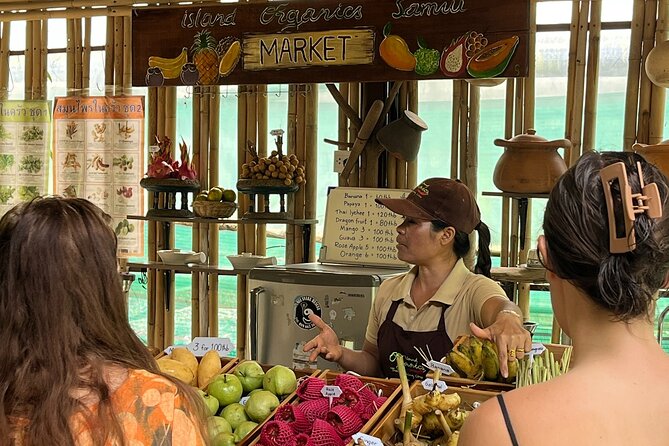
You’re not just learning Thai food. You’re learning the logic behind it—how herbs, aromatics, and fresh produce shape flavor. Island Organics Thai Cooking Class is built around that idea: harvest from their organic micro-farm, then cook in their setup designed for Thai cooking.
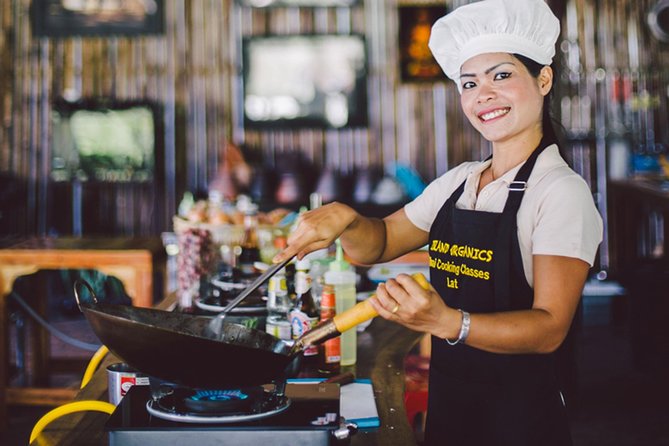
Chef Lat leads the session, and the tone matters. People consistently highlight her humor and energy, but it’s also clear she runs a tight, practical class. You’ll get step-by-step guidance while you chop, stir, and taste your way through the recipes.
What You Actually Do Before You Touch a Wok
The day starts with you meeting the team and getting into the rhythm of the farm. Then Chef Lat guides you through the micro-farm—Thai herbs, vegetables, fruit, mushrooms, and more. If you’ve ever wondered why Thai food tastes so alive, this is where it starts to make sense.
The focus is sustainable growing methods and chemical-free produce. You’ll see how their garden system has been built up over time, from sandy soil into what they describe as a food paradise. Along the way, you’ll learn about moringa (the miracle tree), and you may see moringa offered for sale as powder or capsules.
You also harvest your own herbs and vegetables for the cooking experience. That detail changes everything: you’re not cooking with generic ingredients. You’re cooking with produce you helped bring from the garden to the kitchen.
Inside the Purpose-Built Kitchen Setup
After the farm portion, you move into a Thai cookery kitchen designed for class sizes up to 16 people. Smaller groups help because you’re not waiting around for tools, answers, or ingredients. Many classes like this feel crowded; this one is built so you can work.
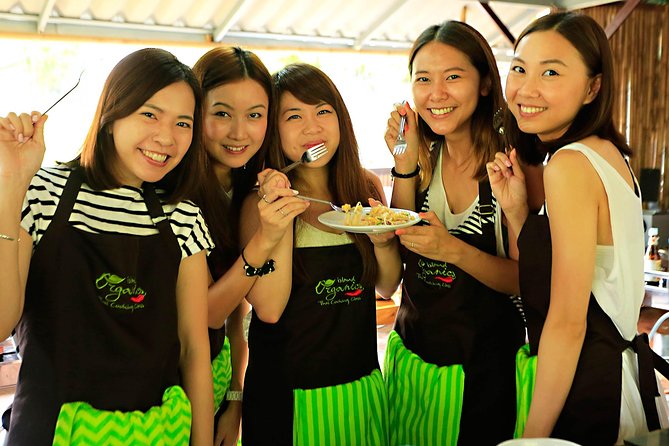
Each person cooks at their own station. You’re not watching someone else do everything—you prep and cook yourself, following Chef Lat’s instructions. That means you learn the motion and timing, not just the final dish.
The class includes all ingredients and equipment, so you aren’t worrying about what to bring. They also provide complimentary herbal drinks and dessert as part of the meal.
The 4 Thai Recipes Plus the Basics You’ll Use Forever
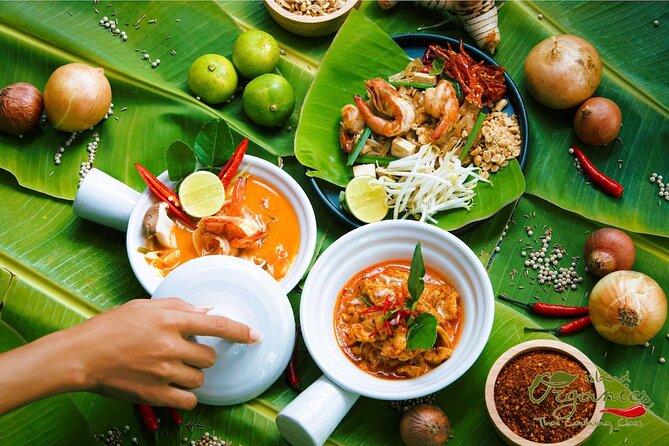
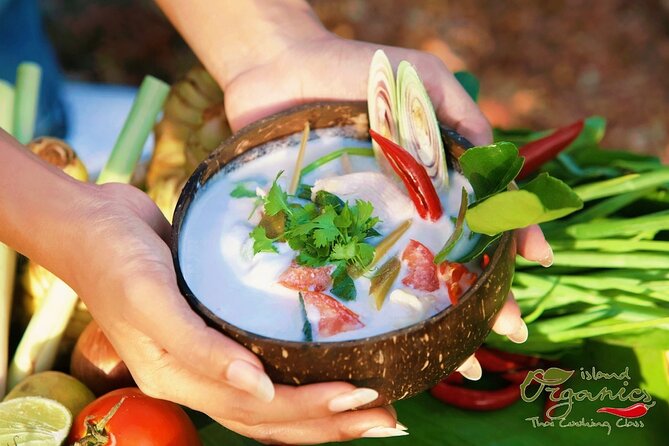
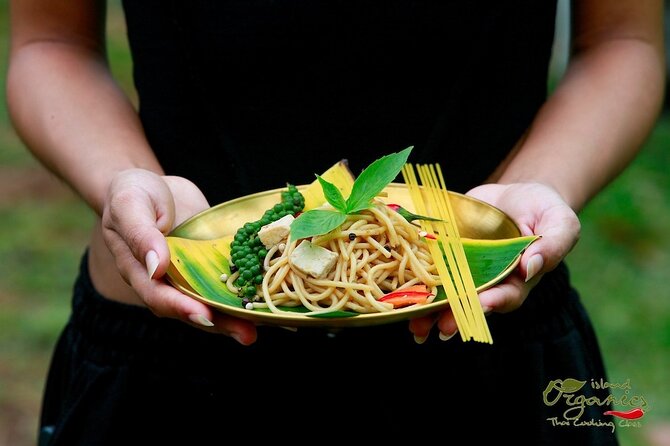
The centerpiece of the class is learning four traditional Thai recipes. Across different sessions, people often mention dishes like Pad Thai, Papaya salad, Tom Yon/Tom Yum, and chicken in coconut cream/milk soup. You’ll definitely cook four dishes in total, guided by Chef Lat and her team.
But the smartest part is the core basics built into the experience:
- Curry paste: not just adding paste, but making it—so you understand what flavors you’re building.
- Coconut cream: you’ll learn how it fits into Thai cooking for balance and texture.
- A herbal drink: this reinforces the Thai idea that food and herbs belong together.
These are the techniques that travel best to your home kitchen. If you learn the recipes alone, you might recreate the dish. If you learn the paste/cream/herb logic, you can adapt flavors with what you can find where you live.
And yes, you handle the work. People consistently note that even non-cooks can keep up—because the staff and assistants help at each step, and the class is organized enough that you’re not lost.
What Your Meal Tells You About Thai Flavor
Thai food is layered. Sweet, sour, salty, bitter, spicy—often all in one meal. In class, you taste along the way, so you start to recognize what the dish is asking for rather than just following a checklist.
Coconut-based dishes show one kind of balance: richness softened by aromatics and brightness. Curry pastes show another: depth built from herbs and spices, not just heat. And the herbal drink portion reminds you that Thai flavor doesn’t always come only from chili.
By the time you eat, you’ll have a clear sense of why ingredients are used together. That’s why this class can become more than a fun activity—it’s a shortcut to understanding Thai cooking.
The Role of the Organic Micro-Farm (And Why It’s Not Just a Tour)
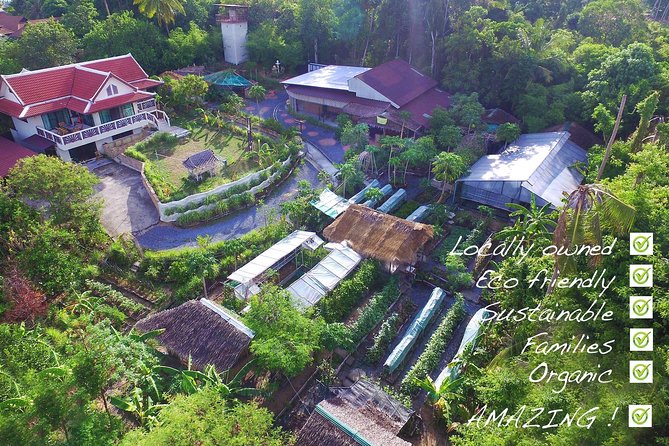
A farm visit can be a marketing line. Here, it functions as the first half of your recipe lesson. The produce grown onsite is mostly what they keep for their Thai favorites in the kitchen, which makes the connection between garden and meal direct.
You’ll learn about the micro-farm approach: herbs, vegetables, fruits, mushrooms, and the systems they’ve built to grow food without the usual chemical dependence. You even get a takeaway path through their QR code: scan it to access class recipes and additional info about how they created the organic micro-farm from a sandy patch of soil.
That QR code detail is underrated. Most cooking classes give you a couple notes and a memory. This one gives you a digital guide book structure, which makes it easier to cook again later without hunting through your phone.
Vegetarian and Dietary Options (What You Should Know)
Island Organics Thai Cooking Class offers vegetarian/vegan and gluten-free options. That’s important because Thai cooking can be flexible, but not every class handles dietary needs well.
Also check the practical side: they’re growing herbs and produce onsite, which often helps when adapting meals. Still, because the class includes four recipes and specific techniques (curry paste, coconut cream, herbal drink), you’ll want to confirm how they map those techniques to your dietary preference when you book.
If you’re traveling with mixed dietary needs, this is one of the better types of Thai class to consider, since it isn’t only about one “standard” menu.
Price and Value: What You’re Really Paying For
At about $84.79 per person for roughly four hours, the price feels fair when you think about what’s included. You’re not buying a show. You’re paying for:
- Farm visit plus harvesting your own ingredients
- A purpose-built kitchen experience with a real teaching flow
- All ingredients and equipment included
- Four Thai recipes you cook yourself
- Techniques like curry paste and coconut cream
- Complimentary herbal drinks and dessert
- A digital recipe guide accessed via QR code
On Koh Samui, many activities cost money but don’t leave you with a useful skill. This one gives you techniques and recipes you can repeat. If you care about food and want something hands-on rather than a one-time performance, it’s strong value.
Who This Class Is Best For (And Who Might Skip It)
This class is a great fit if:
- You want an authentic Thai cooking experience with real ingredients behind it
- You like learning by doing, not just watching
- You’re traveling with friends or a partner and want a shared activity that ends with a meal
- You want to cook at home afterward and not just take photos
It may not be the best fit if:
- You’re on a tight schedule and don’t have flexibility for the morning start time
- You’re traveling with kids under 10 (children under 10 aren’t able to attend for safety reasons)
- You’re arriving by cruise ship (they say they can’t host cruise ship bookings due to timing/logistics)
- Weather is unpredictable—good conditions matter for the farm part
Timing, Size, and Getting There Without Stress
The class starts at 10:00 am and lasts around 4 hours. It ends back at the meeting point. If you’re the type who likes a clear plan, this is helpful: you’re not wandering around for half a day without structure.
They offer pickup, and the tour uses a mobile ticket. The meeting point is listed at ร้าน รอ คิว H343+MCV, Bo Put, Ko Samui District, Surat Thani 84320, Thailand. If you’re walking, you’ll want to double-check the exact pickup time with your confirmation details.
Group size is capped at 16 travelers, which supports the hands-on format.
Should You Book Island Organics Thai Cooking Class?
If your goal on Koh Samui is more than a photo op, I’d book it. The combination of harvest-first cooking, a real teaching kitchen, and the specific techniques (curry paste, coconut cream, herbal drink) makes it more practical than most “Thai cooking experiences.”
Book it if you want to taste, cook, and take recipes you can actually use later. Skip it only if your plans don’t match the morning timing, you’re traveling with a child under 10, or your itinerary depends on cruise-ship docking schedules. And if weather looks questionable, keep a bit of flexibility—you’ll be happiest when the farm part can happen as planned.
FAQ
What is the duration of the Thai cooking class?
The class runs for about 4 hours.
What recipes and Thai cooking skills will I learn?
Chef Lat teaches four traditional Thai recipes. You’ll also practice key basics like making curry paste, coconut cream, and preparing a herbal drink.
Is pickup offered?
Yes, pickup is offered.
Are there vegetarian, vegan, or gluten-free options?
Yes. Vegetarian/vegan and gluten-free options are available.
Are children allowed to attend?
Children under 10 years old are not able to attend the class for safety concerns.
Can cruise ship passengers join?
No. They are unable to take bookings from cruise ships due to timing and logistics.