REVIEW · KAMPOT
Kampot: Tuk Tuk Trip to Pepper Farm, Kep, Crab Market & More
Book on GetYourGuide →Operated by Kampot tours--pepper farm. Cave. Secret lake and Salt field · Bookable on GetYourGuide
Tuk-tuk days in Kampot hit different. This 7-hour loop through pepper country and coastal Kep mixes big countryside sights with a couple of stops that feel almost secret, including a Secret Lake tied to Cambodia’s past. I like how the day is paced to feel relaxed, not like a checklist.
I also really enjoy the practical, hands-on style of the stops: you get a guided look at salt harvesting, then you land at La Plantation for pepper tasting, photos, and time to wander. Guides like Sany and TangGo are repeatedly praised for solid English and for keeping things calm and unrushed, which matters when you’re on a tuk-tuk all day.
One possible drawback: the tuk-tuk ride can feel bouncy, and if your pepper farm visit lands around lunch time, you might not see workers in peak action. Also note the tour adds an extra $5 if your pickup/drop-off is outside Kampot town by more than 5 km from the Durian roundabout.
In This Review
- Key highlights worth your attention
- The $25 value: 7 hours of real countryside plus Kep
- Pickup and tuk-tuk reality: how to prepare for the ride
- Salt fields: seeing how Kampot’s salt gets made
- Phnom Chhngok Cave and Brateak Krola viewpoints: a climb with payoff
- Secret Lake: the quiet stop that carries heavy stories
- La Plantation pepper farm: tasting Kampot pepper and learning the process
- Kep crab market and Kep Beach: seafood energy with a slower finish
- Practical tips so the day feels smooth, not stressful
- Who this tuk-tuk trip is best for
- Should you book this tour?
- FAQ
- How long is the tour?
- What does the tour cost?
- What areas do they pick you up from?
- Is an English guide included?
- What’s included in the price?
- Is there an extra charge for pickup or drop-off outside Kampot town?
- Do I need to pay upfront right away?
- What is the cancellation policy?
Key highlights worth your attention
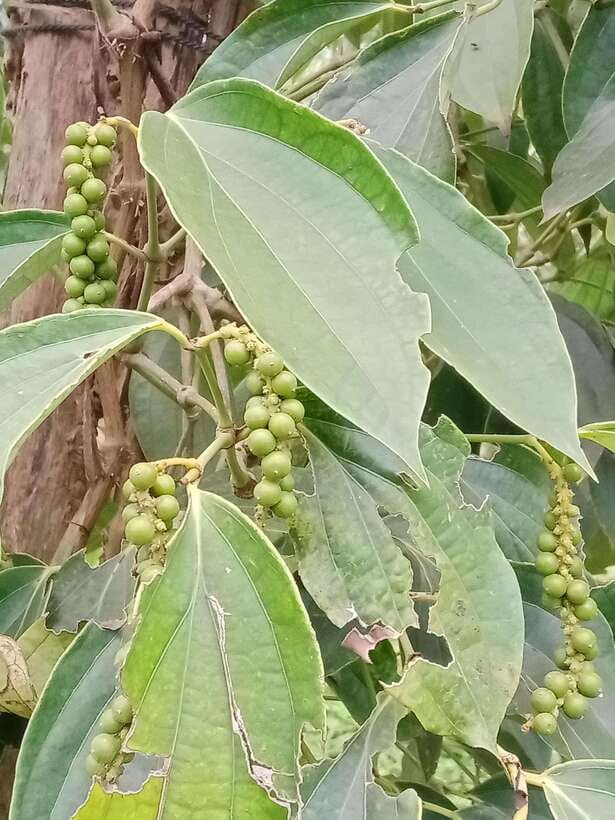
- La Plantation pepper tasting plus a guided farm walk and shopping time
- Secret Lake with Khmer Rouge-era stories your guide explains on site
- Salt fields with a short guided walk that helps the place make sense
- Phnom Chhngok Cave and nearby viewpoints for photos and guided context
- Kep Crab Market and Kep Beach for seafood vibes and sea air in one day
The $25 value: 7 hours of real countryside plus Kep
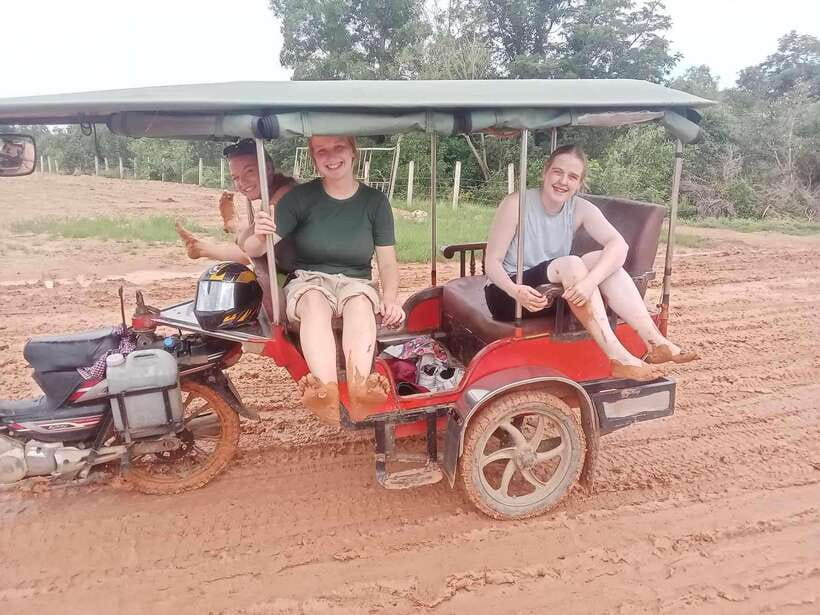
At $25 per person for a full-day tuk-tuk tour, the value is in the mix. You’re not just doing one “big” attraction. You’re moving through Kampot Province’s working landscapes—salt flats and pepper farms—then ending in Kep, where the crab market and seaside atmosphere give you a different Cambodia.
The math works out because several key pieces are included: transport by tuk-tuk, hotel/guesthouse pickup, entry fees, water, and guided stops. You also get pepper tasting and coconut, which sounds small until you realize these are the exact moments you’d otherwise pay for or queue for on your own.
If you’re the type who likes to travel efficiently without feeling rushed, this itinerary hits a sweet spot. You’re getting multiple regions in one day: inland production sites, a cave viewpoint day-stop, and then a coastal town finish.
You can also read our reviews of more tours and experiences in Kampot.

Pickup and tuk-tuk reality: how to prepare for the ride
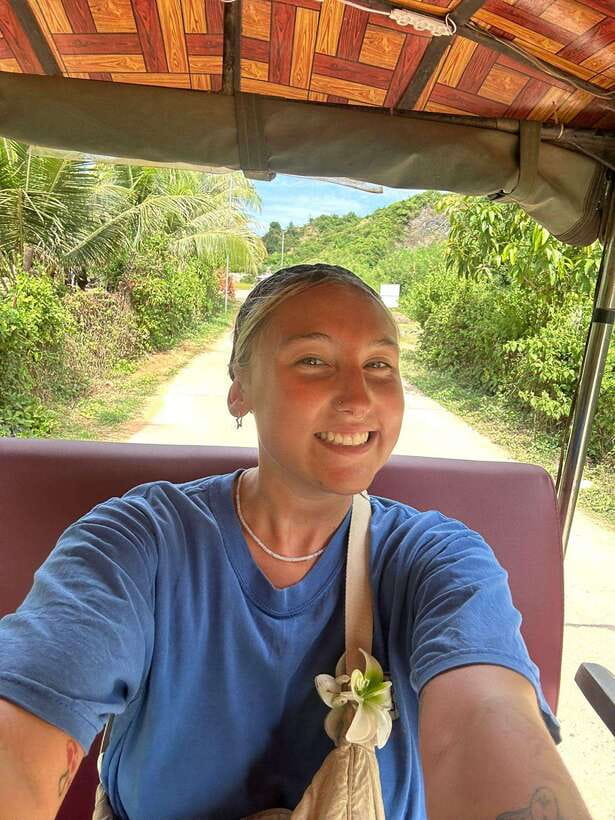
Pickup is included, and you’ll get picked up about 15 minutes before departure. The tour offers two pickup-style options in Kampot Province (a meeting point near 7-Eleven, and another option near Kampot Spean Chas), then you settle into the day’s route by tuk-tuk.
A tuk-tuk is fun. It’s also bumpy. One reviewer called out that it could be uncomfortable for bad backs, so if you have back or mobility issues, plan for it: wear supportive shoes, bring a light layer, and consider a small cushion if you’re sensitive.
The good news is that the guides are strongly praised for keeping the day smooth and safe. Names that come up often include TangGo, Nak, Pheary, and Sany, with consistent notes about English quality and a relaxed pace. That kind of calm guidance matters on a route with short stops—when the timing is tight, you want someone who can manage your time without rushing you.
Salt fields: seeing how Kampot’s salt gets made
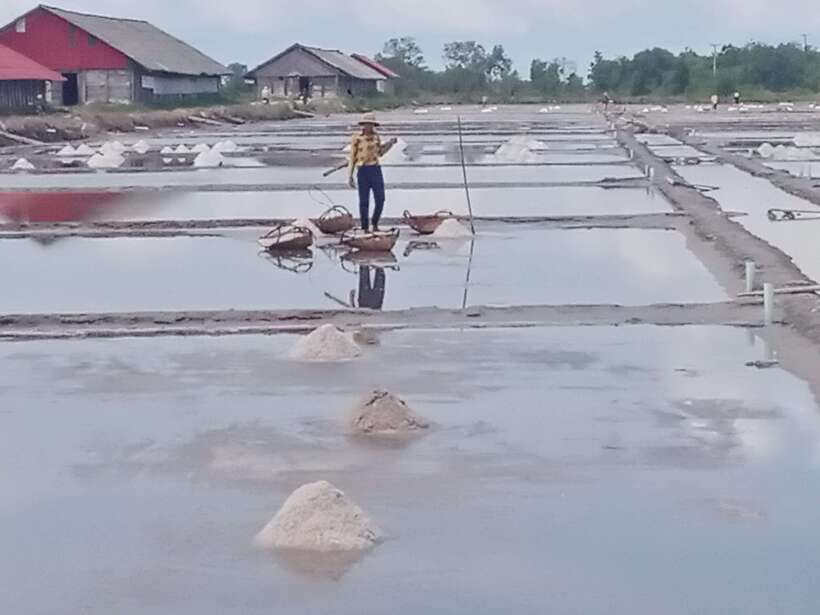
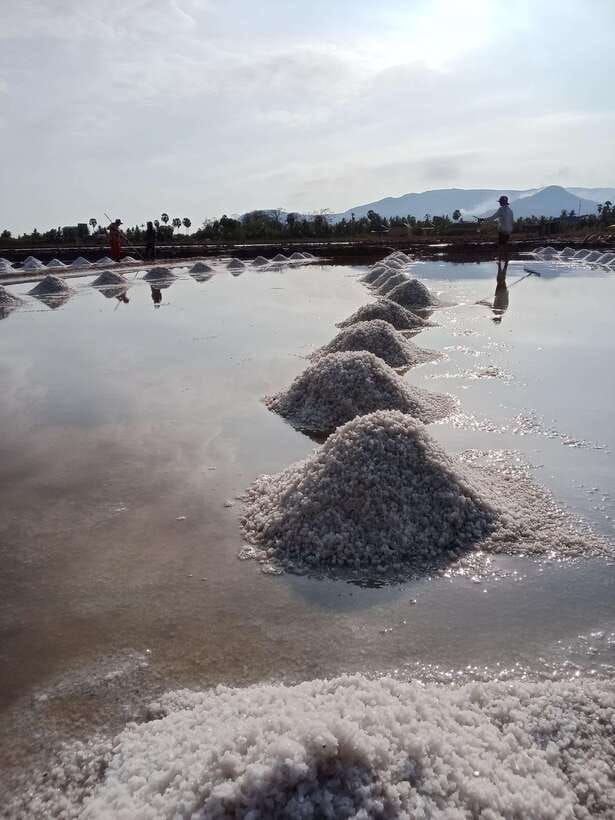
The day starts with a stop at the salt fields for a guided walk and sightseeing. Even though the stop is relatively short, it’s the kind of place where a guide helps you notice what you’d otherwise miss—how the harvesting process looks in real life and why this area is known for salt.
Here’s why I think this stop is valuable: it turns “Cambodia postcard” into everyday work. You’re watching an industry tied to seasons and weather, not just touring a monument. And because it’s guided, you get context instead of staring at flat white ground and hoping you’re interpreting it correctly.
What to expect in practical terms: bring water (you have some), wear something breathable, and expect sun. Salt flats can reflect light hard, so sunglasses help. If you’re the type who loves photos, this is one of the easiest places to get interesting angles fast.
Phnom Chhngok Cave and Brateak Krola viewpoints: a climb with payoff
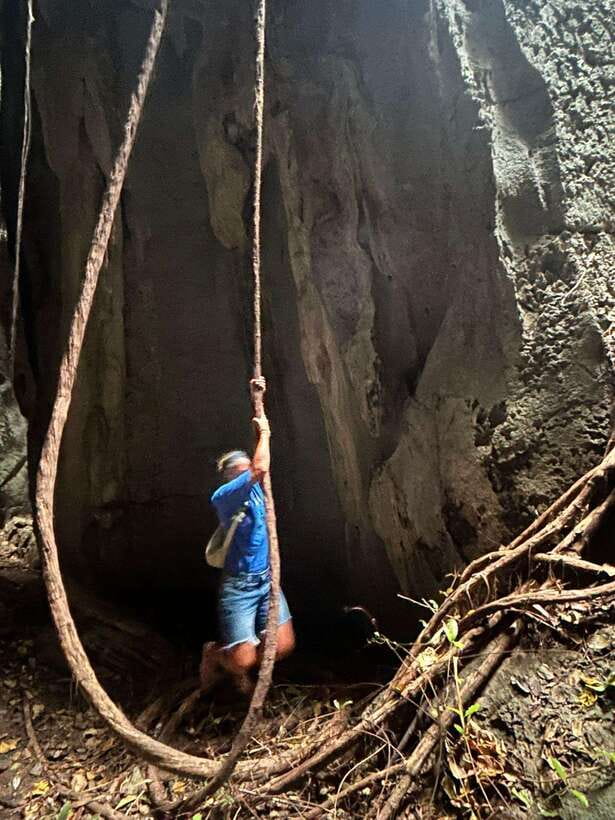
After the salt stop, the route moves to Phnom Chhngok Cave for photos, a guided visit, and time on site (about 45 minutes). The cave stop tends to be memorable because it mixes a quiet interior feel with views that make the effort worth it.
Then you’ll have a stop at Brateak Krola, which includes a photo stop and a short guided visit plus a little walking time. Think of these two spots as your “up and look around” portion of the day—some movement, some height, and plenty of opportunities to pause and take in the region.
One thing I’d plan around: caves can be cooler, but the surrounding sun can be intense. Wear comfortable shoes for uneven ground and have a plan for your phone and camera batteries if you’re doing lots of photos. Also, if you like questions, this is a good time to ask your guide about what you’re seeing—guides are usually eager to explain the stories behind the sites.
Secret Lake: the quiet stop that carries heavy stories
The Secret Lake stop is exactly the kind of location that changes how you see the rest of the day. This place is discussed as being created during the Khmer Rouge era, and your guide can connect the physical site to Cambodia’s difficult recent history.
That mix—beautiful water plus painful context—is powerful. It’s not loud or dramatic in the way a theme park is. It’s more like a pause where you notice details and let the story land. If you like sites with meaning, this is often the moment people remember most.
Practical note: this is a stop where you’ll want time to look slowly, not just snap a photo. If you tend to rush, remind yourself that the value here isn’t the picture—it’s understanding what you’re looking at and why it matters.
La Plantation pepper farm: tasting Kampot pepper and learning the process
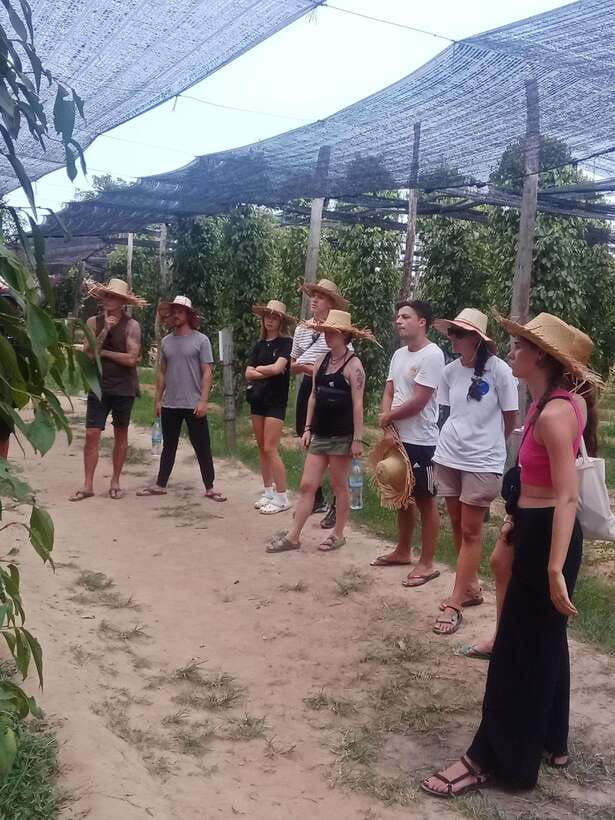
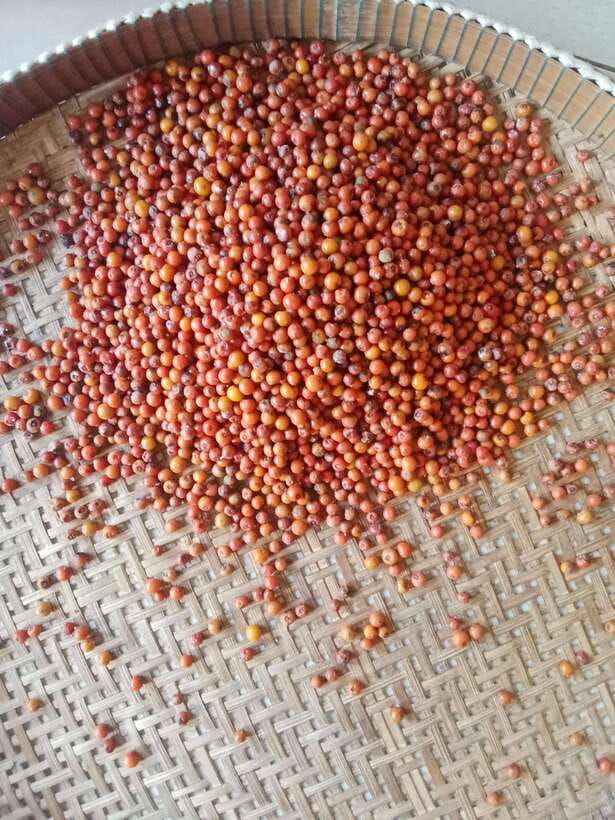
The biggest highlight for many people is the pepper farm visit at La Plantation. You’ll get a guided farm tour and time to enjoy the grounds, take photos, and do some shopping. A major plus is that you get pepper tasting here, plus coconut.
Pepper tasting is one of those experiences that sounds simple until you do it. It helps you understand why Kampot pepper has a reputation. The guide’s explanations make the flavors feel less random and more connected to how pepper is grown and handled.
One useful tip from what people struggled with: don’t assume all farm tours are the same. There can be a free tour option and a longer paid option at the plantation, and space can run out. If you’re serious about the pepper farm side of the day, consider confirming ahead of time which tour version has room so you get the depth you want.
Also pay attention to timing. Some visitors noted that depending on when you arrive (like around lunch), you may not see workers in full action. That’s not a reason to skip it—La Plantation still has the guided walk and tasting—but it’s good to set expectations. If you want maximum “working farm” visuals, arriving earlier in the day is the safer bet.
Kep crab market and Kep Beach: seafood energy with a slower finish
The route then shifts toward the seaside with a stop at Kep Crab Market. You’ll have time for sightseeing and a mostly self-guided wander, plus scenic views along the way. This is a fun contrast after farms and caves: the energy is coastal, and you’ll see the food system in motion.
What should you eat? The tour experience is built around crab and seafood in Kep, and it’s common to tie dishes to Kampot pepper. I’d treat this as your chance to go full local—ask your guide what looks freshest and what gets cooked with Kampot pepper, then enjoy it without overthinking the menu.
After the market, you’ll head to Kep Beach for a photo stop and a short walk. This part of the day is short (about 20 minutes), so think of it as a reset rather than a beach day. Bring something light and breathable, and use the time for one last look over the water before you head back.
Practical tips so the day feels smooth, not stressful
Here are a few details that can make a noticeable difference in comfort and enjoyment:
- Plan for sun and walking: you’ll do short walks at salt fields and in/around cave areas. Bring sunglasses and wear light layers.
- Expect a bumpy ride: the tuk-tuk is part of the charm, but it can be rough if you’re sensitive to back discomfort.
- Pepper farm timing matters: if you want more of the behind-the-scenes pepper side, check in about tour options and timing so you don’t miss a longer session.
- Bring a flexible mindset for food: the crab market stop gives you the setting to eat well, but your exact meal choice is what you’ll control on the day.
- Know the pickup extra: there’s an extra $5 for pickup/drop-off outside Kampot town if you’re more than 5 km from the Durian roundabout.
Who this tuk-tuk trip is best for
This day trip is ideal if you want a good slice of Kampot Province plus Kep without wasting a whole day switching between separate tours. It’s especially good for you if you like:
- learning from an English-speaking guide while you move between sites
- seeing how Cambodia produces things (salt, pepper) instead of only viewing landmarks
- getting a mix of history (Secret Lake) and outdoors (cave + viewpoints)
- finishing with a coast-town meal and sea air
It’s not the best pick if you hate cars/bumpy rides, or if you want only one major attraction and lots of free time at it. The pace is relaxed, but it’s still a full circuit.
Should you book this tour?
Yes—if your goal is to experience more of Kampot and Kep in one day with minimal planning, this makes a lot of sense. The strong point is how well the day connects different types of places: working landscapes, a cave/viewpoint stop, a meaningful Secret Lake, and then Kep’s food-and-sea atmosphere.
Book it if you like guidance. Many people highlight the guides’ English and calm style, with names like TangGo, Nak, Pheary, and Sany coming up again and again. That kind of guide can turn “I went places” into “I actually understood what I saw.”
Hold off if you’re very sensitive to uneven rides, or if you’re mainly chasing one single attraction. For a “one-and-done” day that’s both practical and culturally grounded, though, this is a strong choice.
FAQ
How long is the tour?
The tour runs for 7 hours.
What does the tour cost?
The price is $25 per person.
What areas do they pick you up from?
Pickup is included from your hotel, guest house, or resort, with pickup options in Kampot Province (7-Eleven or Kampot Spean Chas).
Is an English guide included?
Yes. The tour includes a live guide who speaks English.
What’s included in the price?
Included: tuk tuk transport, pickup, water, entry fees, pepper tasting, and coconut.
Is there an extra charge for pickup or drop-off outside Kampot town?
Yes. There’s an extra $5 if your pickup/drop-off is outside Kampot town, beyond 5 km from the Durian roundabout.
Do I need to pay upfront right away?
You can reserve now and pay later, with the option to book without paying today.
What is the cancellation policy?
You can cancel up to 24 hours in advance for a full refund.