REVIEW · MAUI
Hali’imaile: Pineapple Farm Tour
Book on GetYourGuide →Operated by Maui Pineapple Tour · Bookable on GetYourGuide
Pineapples grow for real in Hali’imaile. This Maui Gold pineapple farm tour is interesting because it mixes field time, factory packing, and the practical story of how pineapple goes from plant to airport-friendly box. I love the guided walk through a working plantation and the fresh pineapple tasting with real, on-farm flavor. One consideration: the walk involves uneven/mulched ground and a flight of broad stairs (about 24 steps), so plan footwear and take it slow.
The vibe is hands-on and surprisingly personal. Guides like Shilo, Rudy, Josh, Ken, and Mo are frequently praised for keeping things fun and for explaining both farming basics and the small details of how to pick pineapple at the store.
At 90 minutes, it’s a focused stop—not a half-day project. For $99, you’re paying for a living farm experience plus a take-home pineapple packaged for travel, not just a quick sightseeing photo.
In This Review
- Quick hits on the Hali’imaile pineapple tour
- A working Maui Gold farm in Hali’imaile
- Meeting point and how the 90 minutes really flows
- The field walk: cultivation lessons you can actually see
- Pineapple tasting: learning sweetness stages, not just eating fruit
- The packing process: turning farm fruit into airport-ready travel
- Your take-home pineapple: what to do with it after the tour
- Price and value: is $99 worth it?
- Who this tour is best for (and who should think twice)
- Booking call: should you go?
- FAQ
- FAQ
- How long is the Hali’imaile Pineapple Farm Tour?
- Where do I check in for the tour?
- Is hotel pickup included?
- What food or tasting is included?
- Do I take home pineapple?
- What should I bring for the tour?
- Is this tour suitable for kids?
- Is the tour ADA accessible?
- What language is the tour guide speaking?
Quick hits on the Hali’imaile pineapple tour
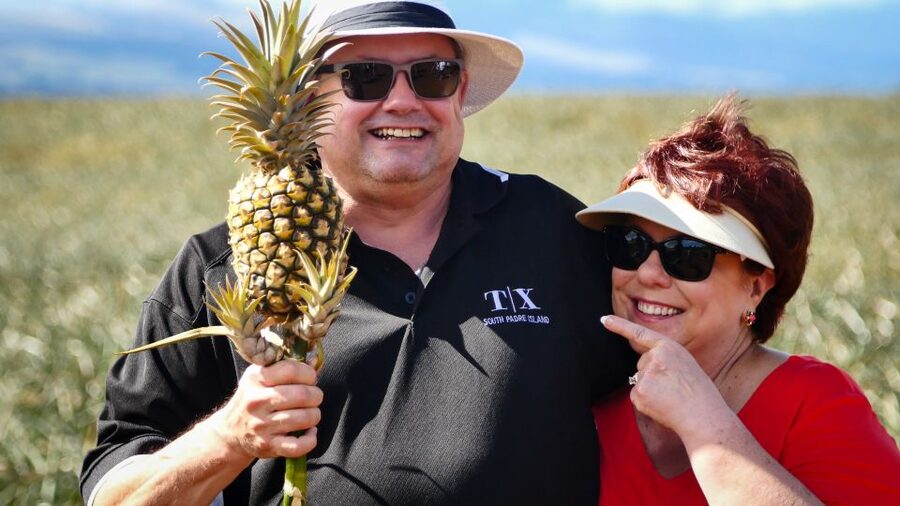
- Working farm access in Hali’imaile, with a real view of how Maui Gold is grown
- Field tastings where you learn what makes fresh pineapple taste so different
- Packing and preparation so your pineapple is ready for airport transport
- A live guide who talks farming + helps you understand sweetness and ripeness
- Short and sweet timing at about 90 minutes total
A working Maui Gold farm in Hali’imaile
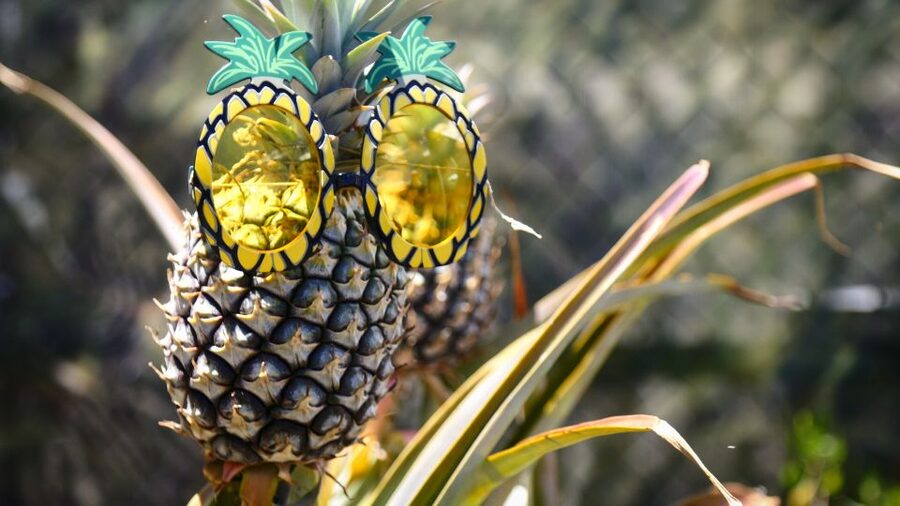
This tour is based in the historic town of Hali’imaile, at 870 Haliimaile Rd. That matters because you’re not stepping into a theme park version of agriculture. You’re touring an active pineapple operation—plants, work areas, and the practical rhythm of a working day.
I like that it frames pineapple as part of Maui life, past and present. You’ll get the story of cultivation techniques, what the growing cycle looks like, and why Maui Gold has its reputation.
You also get a straightforward “what to look for” lens. Guides tend to talk about the farm side and the eating side, so the tour clicks whether you came for food or for photos—or both.
You can also read our reviews of more tours and experiences in Maui.


Meeting point and how the 90 minutes really flows
You check in at the front desk of the Maui Pineapple Store. From there, the tour is guided and timed to land right around 90 minutes total, including the field and factory segments.
There’s no hotel pickup or drop-off, so you’ll want to plan to get yourself there and back. If you’re staying away from Hali’imaile, build in a little extra buffer for routing and parking.
Also pay attention to timing when you’re choosing your day. The tour is compact, so if you’re bouncing between multiple Maui activities, you’ll want this on your schedule as a main event—not a “maybe we’ll squeeze it in” stop.
The field walk: cultivation lessons you can actually see
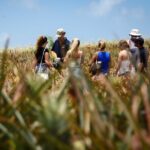
Most of the excitement here comes from being in the grove. You’ll take a guided walk through the farm area (about a 20-minute stretch) on uneven or mulched ground, and then you’ll climb about 24 broad stairs with a railing. That’s not a deal-breaker if you’re steady on your feet, but it’s a real consideration.
In the grove, the guide focuses on how pineapples grow and what farmers watch for. You’ll learn cultivation techniques, the growing cycle, and how Maui Gold fits into the bigger picture of pineapple history on Maui.
This is also where the tasting makes sense. A pineapple can taste fine in a grocery store and still feel like a mystery. In the field, you’re seeing the plant up close, hearing what ripeness looks like, and tasting what fresh sweetness really means.
If you want a useful takeaway, aim to listen for the guide’s advice on how to pick pineapples at stores. People often leave talking about how to judge sweetness and readiness, not just that it tastes good.
Pineapple tasting: learning sweetness stages, not just eating fruit
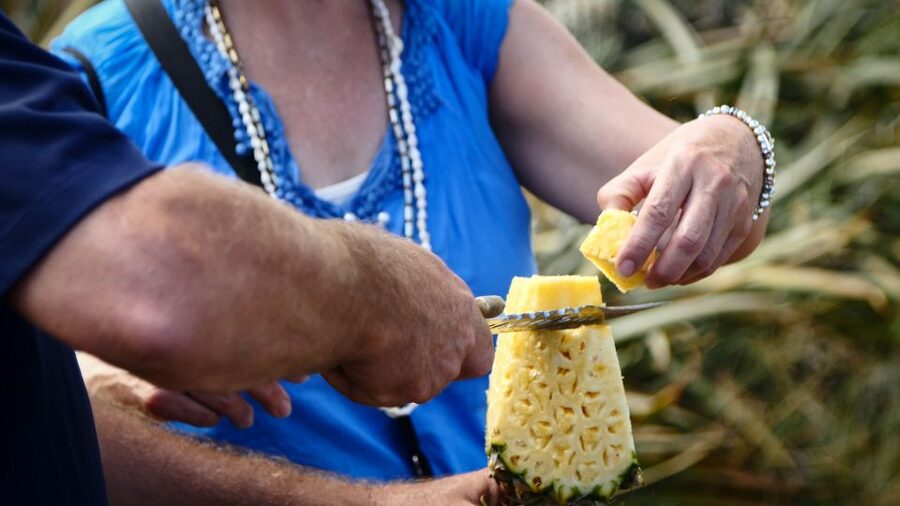
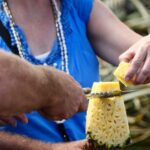
Tasting is built into the experience, and it’s not treated like a random snack break. You’ll sample fresh pineapple as part of the tour, and the guide uses that moment to teach.
Some tours also use the tasting to compare pineapples at different sweetness levels. The point isn’t to turn it into a science lecture. It’s to help you connect what you’re tasting with what you’re seeing on the plant and hearing about in the growing cycle.
I also appreciate that the tour is paced so you can taste without feeling rushed. At the factory portion, tastings are guided and seated, which helps if your legs need a breather after the field walk.
And yes, the fruit is the star. Expect very sweet, fresh pineapple flavor—especially compared with what you might be used to buying at home.
The packing process: turning farm fruit into airport-ready travel
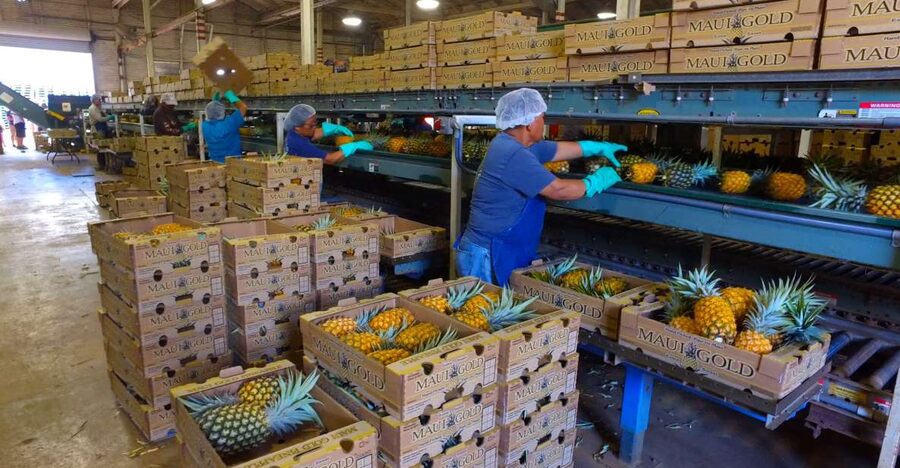
One of the most practical highlights is the packing you get at the end. You receive a fresh pineapple that’s approved and packaged for airport transport.
That’s a big deal, because carrying fruit home is where many good food experiences fall apart. Here, the work is done for you. You’re not scrambling for containers, trying to guess how to protect it, or worrying about how to transport it through the airport.
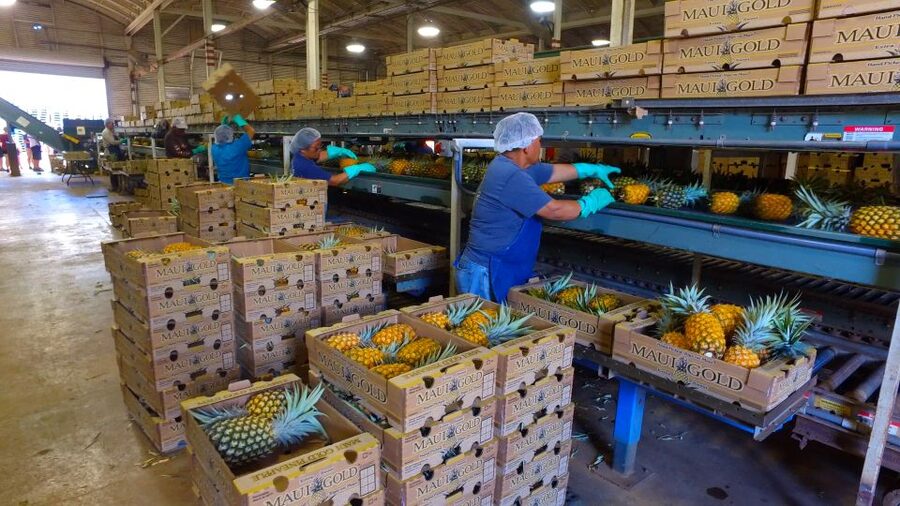
In the factory segment, you’ll also get a look at how the packing process works. This is where your farm understanding becomes “okay, now I get how it gets from the grove to my plate.” It’s the same fruit, but the workflow is completely different.
Some guides are especially good at explaining the behind-the-scenes side of the business—how the operation works, why timing matters, and how the packaging supports safe travel.


Your take-home pineapple: what to do with it after the tour
At the end of your tour, you take home your pineapple in airport-ready packaging. Plan to keep it in your bag and follow whatever instructions come with the package.
If your goal is to enjoy it quickly, treat it like fresh fruit you want to savor, not like something you can forget for a few days. Tropical fruit is happiest when it doesn’t sit around.
If your goal is shipping later, there’s a chance you may learn about purchasing options during the tour. In past experiences with this operation, people have talked about buying fruit for later delivery to their home. Just keep your expectations grounded: the guaranteed takeaway is the pineapple you receive that day, pre-packaged for travel.
Price and value: is $99 worth it?
$99 per person is not a budget add-on, so I look for what you’re actually getting. Here’s the value math that makes sense to me:
- You get a guided tour of a working pineapple farm, which is more than a casual farm stop.
- You get pineapple tasting, which adds education and eating value.
- You get an airport-ready pineapple packaged for transport, which is often the most expensive part of the experience if you’d otherwise buy fruit at the airport or on the last day.
The duration helps too. At about 90 minutes, you’re buying a concentrated experience, not losing half a day. That’s helpful on Maui where drive times and planning can quietly eat your schedule.
Finally, the transport gets strong marks, with 89% of people reporting a perfect score. Since you can’t rely on hotel pickup, that doesn’t remove the need to plan your own arrival, but it does suggest the tour’s movement part tends to run smoothly.
Who this tour is best for (and who should think twice)
This tour is described as suitable for ages 3 and up, and it’s a family-friendly way to get kids interested in where food comes from. It’s also a good pick for adults who like learning something that changes how they buy food later.
You’ll especially enjoy it if you like:
- fruit and farm-to-table stories
- guided explanations with hands-on tastings
- Maui Gold specifically, or pineapple in general
- a short activity that still feels like a real experience
One thing to be honest about: it’s not ADA accessible. The walk through the grove includes uneven or mulched ground, and you’ll climb broad stairs (around 24) with a railing. There’s also no room in the vehicles to store walkers. The tasting at the factory is seated and accessible, but the route to get there is the limiting factor.
If mobility is limited, this may not be the best choice even if you’re okay resting during tastings. You should weigh your comfort with the uneven ground and the stairs before booking.
Booking call: should you go?
I’d book this tour if you want a real pineapple experience on Maui—one that mixes plant facts, sweet tasting, and practical airport-ready fruit. It’s well structured for 90 minutes, and the big payoff is that you leave both educated and fed, with a pineapple you can actually bring home.
I’d think twice if stairs and uneven ground are an issue for you or your group. The factory tasting is seated, but the farm walk and stair climb are part of the main event.
If you’re on Maui for the first time, and pineapple is even a “maybe,” this is one of the easiest ways to turn that maybe into a memorable bite.
FAQ
FAQ
How long is the Hali’imaile Pineapple Farm Tour?
The tour runs for about 90 minutes, including the guided farm and factory portions.
Where do I check in for the tour?
Check in at the front desk of the Maui Pineapple Store at 870 Haliimaile Rd.
Is hotel pickup included?
No. Hotel pickup and drop-off are not included.
What food or tasting is included?
The tour includes pineapple tasting.
Do I take home pineapple?
Yes. You receive a fresh pineapple that is approved and packaged for airport transport.
What should I bring for the tour?
Bring comfortable shoes, sunscreen, and insect repellent.
Is this tour suitable for kids?
It is suitable for guests aged 3 and up. Children under 3 years are not suitable.
Is the tour ADA accessible?
No, it is not ADA accessible. The tour involves a slow walk on uneven or mulched ground and climbing a flight of broad stairs (about 24). Guided tastings at the factory are completely accessible and seated.
What language is the tour guide speaking?
The live tour guide speaks English.