REVIEW · MAUI
The Maui Butterfly Farm Tour
Book on Viator →Operated by The Maui Butterfly Farm · Bookable on Viator
Butterflies turn a short visit into a lesson. At the Maui Butterfly Farm, you’ll get a small-group tour that focuses on how butterflies are bred and researched on Maui, plus a chance to feed them inside their butterfly flight area. It’s a tight 45-minute stop that still feels hands-on, not like a lecture.
I particularly like the way the visit connects the butterfly life cycle to real conservation work. You’ll learn how the farm supports Hawaii’s native species through propagation, research, and education, and you’ll hear it explained clearly by guides such as Lara (and yes, you may also meet Laura—both are mentioned by name).
One thing to consider: this isn’t a big, sprawling “farm day.” It’s designed as a compact experience, and if you’re hoping for a longer walk-through with lots of space to roam, you may feel it’s a little too short.
In This Review
- Key things to know before you go
- Entering the Maui Butterfly Farm: a 45-minute stop that actually teaches
- What you’ll see: Hawaii’s native butterflies and the full life cycle
- The flight house and the lighthouse-style feeding moment
- Hands-on time: holding caterpillpillars, butterflies, and praying mantises
- Meeting your guide: Lara and Laura set the tone
- Price and value at $49.99: what you’re really paying for
- Timing, weather, and how to plan your day
- Who this tour fits best (and who might not love it)
- Should you book the Maui Butterfly Farm Tour?
- FAQ
- How long is the Maui Butterfly Farm tour?
- Where does the tour start?
- How much does it cost?
- What group size should I expect?
- Is the tour in English?
- Do I get admission included?
- Can I feed or interact with the butterflies?
- Are service animals allowed?
- Is it suitable for most travelers?
- What happens if the weather is poor?
Key things to know before you go
- Small group size (max 12): You’ll stay close enough for questions and hands-on moments.
- Real conservation focus: Learn about saving native Hawaii butterfly species through propagation and research.
- Feeding inside the flight house: You feed butterflies in the flight area, not just from behind a fence.
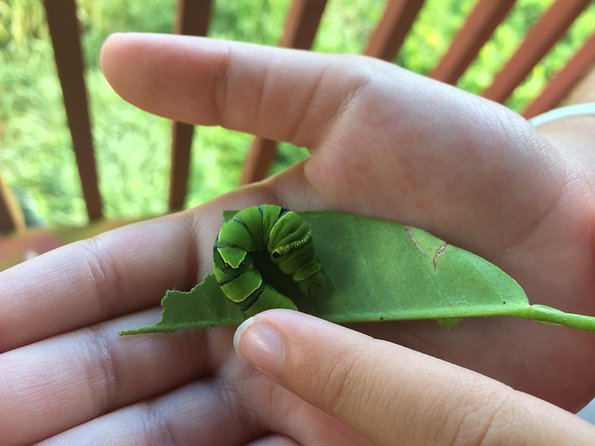
- Hands-on encounters: You may hold caterpillars, butterflies, and praying mantises during the tour flow.
- Family-friendly, not stuffy: The tone is casual, with clear explanations for mixed ages.
- Near Lahaina with easy add-ons: The site is in Lahaina area territory, and there’s a nearby store/food option (including Leoda’s pie, by common pairing).
Entering the Maui Butterfly Farm: a 45-minute stop that actually teaches
The Maui Butterfly Farm tour is built for short attention spans and busy Maui schedules. Plan on about 45 minutes from start to finish, and the tour ends back at the meeting point at 737 HI-30, Lahaina, HI 96761.
That short timing is part of the value. You’re not committing to a half-day expedition, but you still get a structured experience: you arrive, move through the facility, learn what the farm is doing, and then spend time with butterflies (and other insects) in a controlled, guided setting. If you’re touring Lahaina and want something different from beaches and scenic pull-offs, this is one of the easiest “yes” options.
It also helps that the group is kept small—up to 12 travelers, and many groups run around 10. That matters because butterfly encounters work best when everyone can actually see what’s happening and when the guide can manage the pace.
You can also read our reviews of more tours and experiences in Maui.


What you’ll see: Hawaii’s native butterflies and the full life cycle
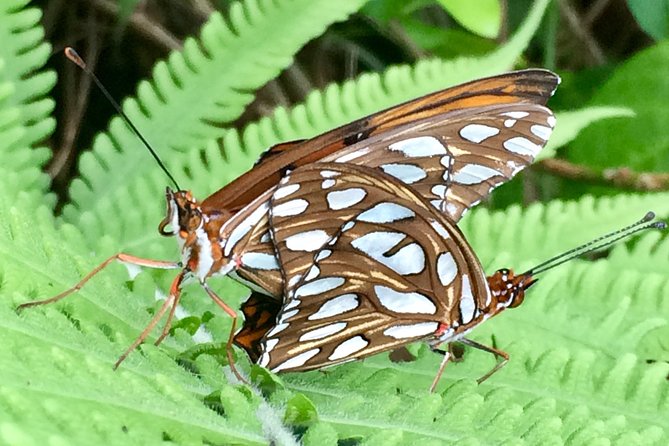
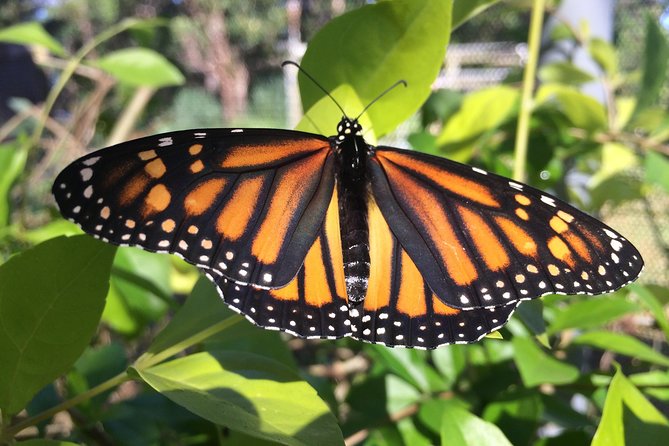
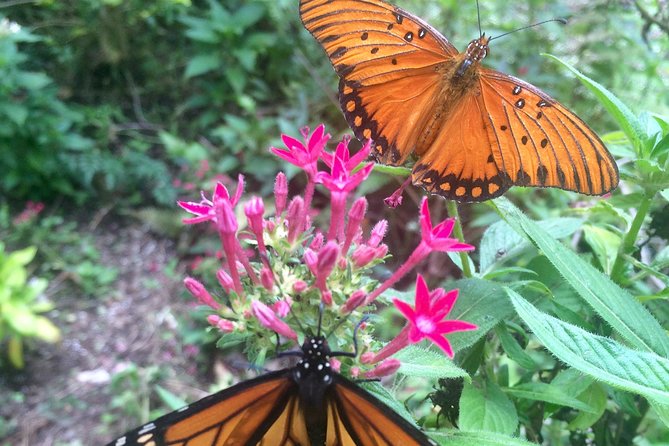
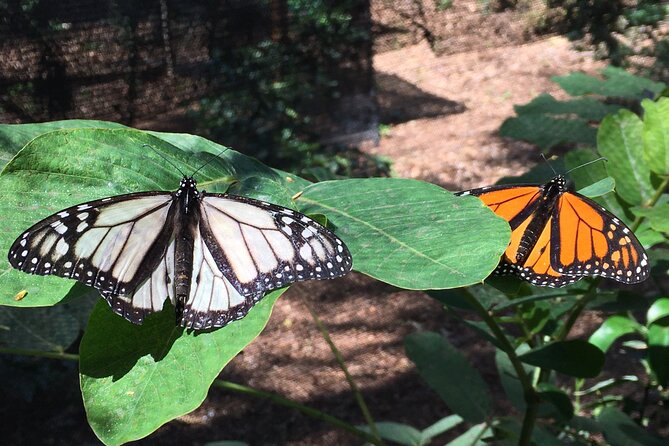
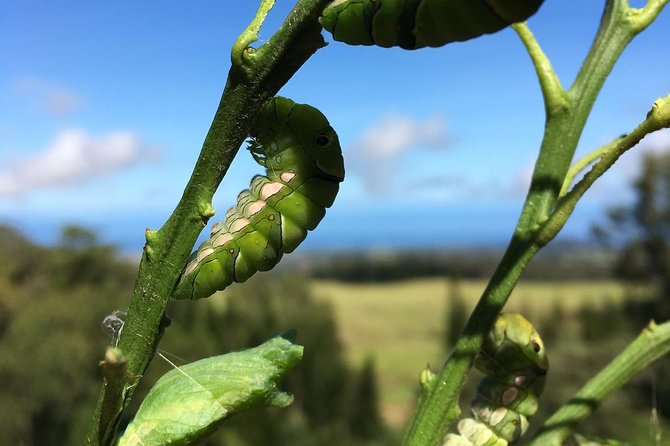
The heart of the experience is the farm’s butterfly production facility—basically, where the work happens. You’ll see different butterfly types the farm raises in Hawaii, and you’ll get a clear storyline: how butterflies start as eggs and grow through the life stages until you reach the adult butterfly stage.
Even if you think you already know what a caterpillar turns into, this tour is designed to make the life cycle feel concrete. The way they explain it is connected to their goal: saving butterflies by breeding them (propagation), studying them (research), and teaching others (education).
A nice detail is that the focus isn’t generic “look at butterflies.” It’s specifically tied to native Hawaiian butterflies and the farm’s research-and-education mission. That gives your visit more meaning than a simple photo stop.
The flight house and the lighthouse-style feeding moment
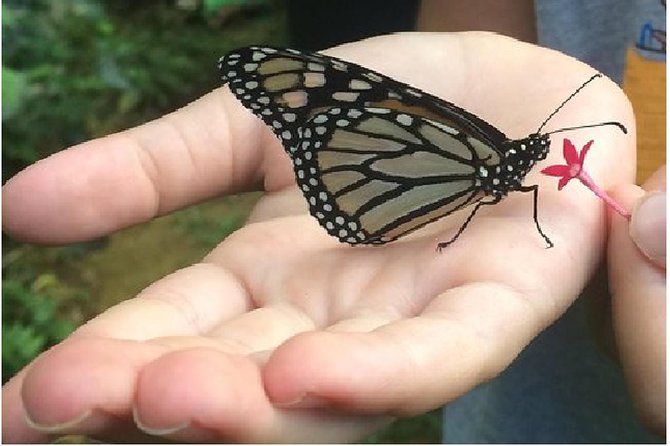
One of the most memorable parts is the feeding time inside the butterfly flight area. The tour includes the chance to feed different butterfly species in an on-site setup that’s described as a lighthouse. It’s not just a viewing platform. It’s meant to be interactive, with butterflies coming close when conditions and timing are right.
In practice, this is where you’ll see the difference between “you saw butterflies” and “you experienced butterflies.” Several guides use hands-on techniques to help butterflies land where you can observe them safely—like giving you something to hold that attracts them (think flowers and similar tools).
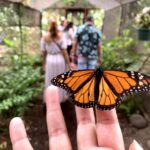
If you’re the type who loves small moments—something landing on your fingers, watching wings up close, seeing how they behave—this is the moment that makes the tour feel like it earns its place in your Maui itinerary. And it’s also where kids tend to lock in their attention, because it’s active, visual, and immediate.
Hands-on time: holding caterpillpillars, butterflies, and praying mantises
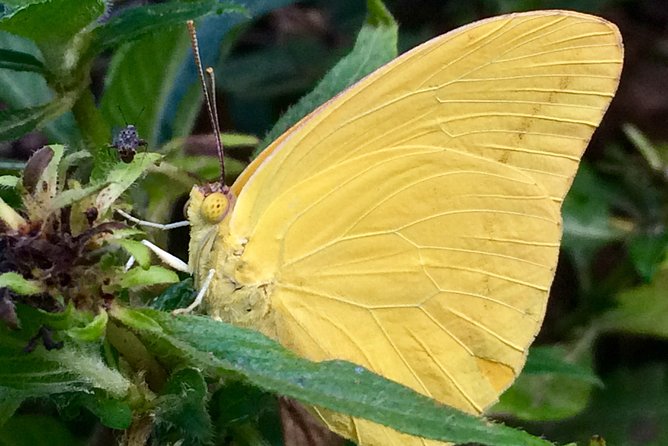
The tour is famous for interaction, and the interaction goes beyond just butterflies. During the guided experience, you may get hands-on time with caterpillars, butterflies, and praying mantises.
That’s a big deal for two reasons:
First, it turns the biology lesson from “words in your ear” into “something you can feel and see.” Watching an insect move is one thing. Holding a small caterpillar or seeing how a butterfly settles is another.
Second, it makes the experience work across ages. Reviews highlight that this is enjoyed by toddlers through adults, and that the guides pace things so kids aren’t rushed and adults aren’t bored.
A practical note: you don’t want to treat this like a grab-and-snap photo event. Go in calm. Follow the guide’s instructions and move slowly. The whole point is to keep the moment comfortable—for you and for the insects.
Meeting your guide: Lara and Laura set the tone
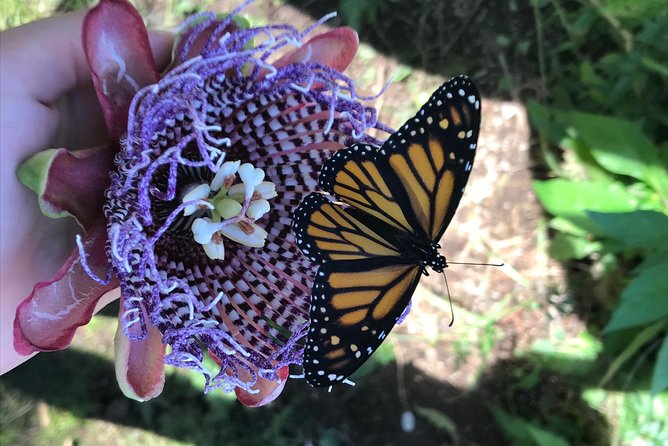
Guides are a major part of what makes the tour click, and you’ll see specific guide names mentioned often: Lara and Laura. The repeated theme is that they balance expertise with a relaxed, welcoming vibe.
I like that style, because it avoids the two common extremes: either the guide talks like it’s a classroom, or the guide talks like it’s just a show. Here, you get real explanations—life cycle, what the farm is doing, and how they aim to support native species—without it feeling stiff.
You’ll also notice the guides actively help people participate, including smaller kids who need extra patience and direction. That’s a big plus if your group includes someone who gets overwhelmed easily. It helps the tour feel less like a line you stand in and more like a shared activity.



Price and value at $49.99: what you’re really paying for
At $49.99 per person for about 45 minutes, this isn’t a bargain attraction. But it can be strong value depending on what you want out of a Maui day.
Here’s why the price can make sense:
- You’re paying for a small-group format (max 12, often closer to 10).
- Your admission is included as part of the tour package.
- You get hands-on interactions (caterpillars, butterflies, and mantises), plus feeding inside a flight house setup.
- The tour is tied to a working conservation and education mission, not just a display.
Where it may feel pricey is if you’re expecting a big, long “farm to explore.” Since it’s short and compact, it’s best for travelers who value experience density—a focused activity—over wandering around for hours.
If you’re traveling with kids, the price can feel even more reasonable because you’re basically buying a guided, supervised activity that holds attention. For couples, it works well too if you like learning while doing something physical and memorable.
Timing, weather, and how to plan your day
This tour requires good weather. That’s important in Maui because outdoor conditions can change quickly, and the farm experience is tied to the butterflies and the flight area setup. If weather cancels your slot, you’ll be offered another date or a full refund.
Also, expect heat and humidity. That’s not a deal-breaker, but it’s real. The tour can be more comfortable if you plan for sweat, hydration, and lightweight clothing. Arriving prepared makes the whole experience feel easier—especially if you’re traveling with kids.
One more practical tip: since the meeting point is on HI-30 near Lahaina, it’s easy to slot between other Lahaina-area activities. You can keep your day flexible without losing a huge chunk of time.
Who this tour fits best (and who might not love it)
This is a great fit if you want:
- A short, guided activity that doesn’t eat your whole day
- A hands-on nature experience without needing to hike or hunt for wildlife
- A learning experience that stays playful—good for kids and also satisfying for adults
- A Maui stop that adds something different from beaches and shopping
It may not be the best match if you:
- Want a long, self-paced farm walk with lots of space to roam
- Are only in it for a few photos and don’t care about the lifecycle lesson
- Have very limited tolerance for heat/humidity
In other words: if you can enjoy a compact, interactive science-meets-nature experience, this tour lands well. If you’re expecting a full-day adventure, adjust expectations.
Should you book the Maui Butterfly Farm Tour?
If you’re weighing this against other Maui activities, I’d book it when you want a high-participation experience in a tight time window. The small group size, the hands-on moments, and the way the farm connects what you see to conservation work are the strongest reasons to go.
I’d especially consider it if you’re traveling with kids, or if you like nature experiences that teach you something you can actually repeat at dinner later. Just go in knowing it’s about 45 minutes, not a long exploration—and plan for warm, humid conditions.
If that sounds like your kind of day, the Maui Butterfly Farm tour is very likely to hit the sweet spot.
FAQ
How long is the Maui Butterfly Farm tour?
It’s about 45 minutes.
Where does the tour start?
The meeting point is 737 HI-30, Lahaina, HI 96761, USA.
How much does it cost?
The price is $49.99 per person.
What group size should I expect?
The tour has a maximum of 12 travelers.
Is the tour in English?
Yes, it’s offered in English.
Do I get admission included?
Yes, admission ticket is included.
Can I feed or interact with the butterflies?
Yes. The experience includes feeding butterflies in the butterfly flight area, and you’ll also learn and participate in hands-on interactions during the tour.
Are service animals allowed?
Yes, service animals are allowed.
Is it suitable for most travelers?
The experience lists that most travelers can participate.
What happens if the weather is poor?
This activity requires good weather. If it’s canceled due to poor weather, you’ll be offered a different date or a full refund.