REVIEW · MAUI
Farm to Taco: A Farm to Table Cooking Class
Book on Viator →Operated by Lā Kāhea Community Farm · Bookable on Viator
Tacos with a farm lesson built in. This Maui farm-to-table cooking class pairs a farm walk with real kitchen time, led by Janelle and Catherine at Lā Kāhea Community Farm near Wailuku. It’s designed as a small-group experience, so you’re not just watching.
I love that the class is built for vegetarian and gluten-free needs, and it can be made vegan. I also like how the teaching connects the food to the land, with Janelle showing you what’s growing while Catherine guides you step-by-step in the kitchen.
The main consideration is weather: the experience requires good conditions, so you’ll want a flexible plan.
In This Review
- Key highlights worth circling
- Lā Kāhea Community Farm: the Maui setting that makes tacos taste better
- How the 10:30 class moves from farm walk to kitchen work
- Tortillas and taco assembly with Janelle and Catherine
- Diet-friendly Mexican comfort: vegetarian, gluten-free, and vegan options
- Small group value: what max 15 travelers really buys you
- Is the $149 price fair for a farm-to-table experience in Maui?
- Who should book this Farm to Taco class in Maui?
- Should you book this Farm to Taco class?
Key highlights worth circling
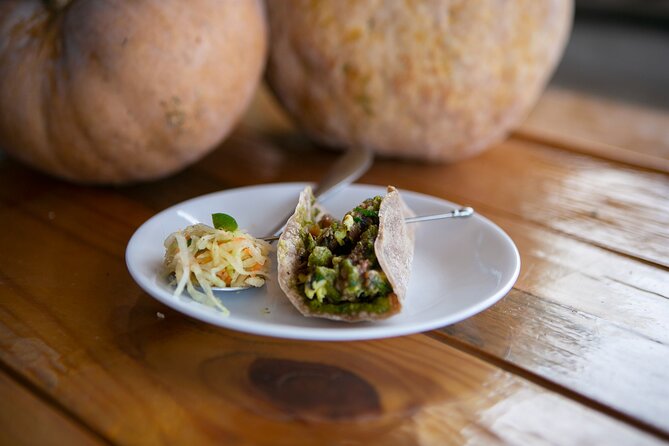
- Janelle and Catherine run the show with a warm farm tour then hands-on taco cooking
- Harvest-to-taco flow makes the ingredients feel real, not theoretical
- Fresh tortillas are part of the lesson, not a pre-made shortcut
- Vegetarian and gluten-free by default, with vegan options available
- Max 15 travelers keeps the class personal and interactive
- You eat what you make as the session wraps up at the farm
Lā Kāhea Community Farm: the Maui setting that makes tacos taste better
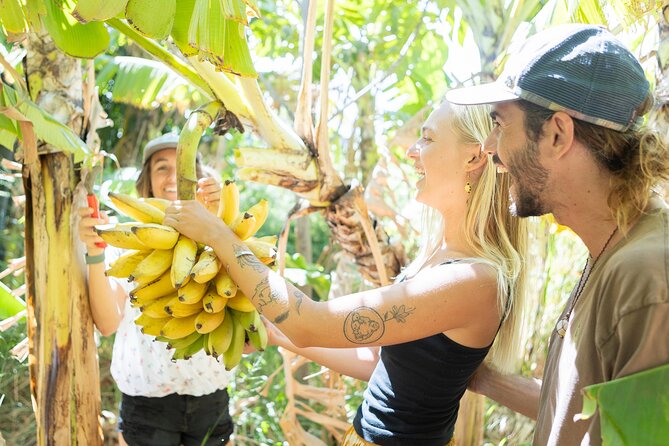
Maui can be all sun and road trips, but this experience slows you down in the best way. You start at 2100 HI-30 in Wailuku, and you spend your morning at Lā Kāhea Community Farm, where the whole point is connecting what you eat to how it’s grown. Instead of treating tacos like a menu item, you treat them like a story—with ingredients you can actually see.
What helps is the “farm first” approach. Janelle leads you through the farm with warmth and real know-how, so you understand what’s in season and why sustainable farming matters here. That matters because when you cook with an ingredient you just saw growing, your taco tastes more vivid—even if you’re a total beginner.
I also appreciate the social feel. This class caps at 15 travelers, which keeps it from turning into a lecture. Catherine then brings that same friendly energy into the kitchen, where the focus stays on getting you confidently involved.
The vibe is also family-friendly. One standout detail from the hosts is how naturally they make space for kids, without making it feel like the adults get less attention. If you’re traveling with kids, this is one of those activities that doesn’t force everyone into an uncomfortable “sit quietly” mode.
You can also read our reviews of more tours and experiences in Maui.

How the 10:30 class moves from farm walk to kitchen work
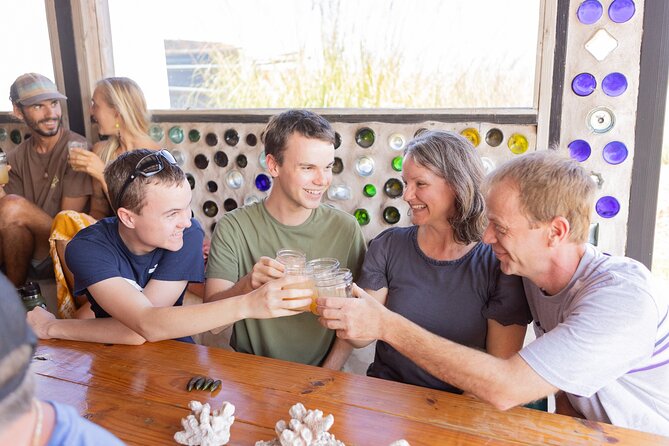
This is a 2 hours 30 minutes experience, starting at 10:30 am. It ends back at the meeting point, so you’re not planning the rest of your day around a long shuttle or a distant drop-off.
In the morning flow, you’ll do two big things:
1) You tour and learn on the farm
You’ll get a hands-on understanding of the produce and farming practices behind the meal. Janelle’s approach is welcoming and passionate, and she shares local context in a way that stays practical. You’re not just collecting facts—you’re learning what to look for so the cooking makes more sense.
2) You move into the kitchen to cook tacos
After the farm portion, Catherine guides you through the cooking steps. The teaching style is relaxed and fun, and the goal is participation. The lesson includes making fresh tortillas and then assembling tacos with the ingredients you’ve learned about.
One smart reason this format works: it reduces the usual disconnect between “tour” and “dinner.” You don’t arrive hungry and then leave with only photos. You leave with a plate—and with a clearer sense of how the ingredients got there.
Practical note: since the class happens at a farm, you’ll want to plan for outdoor conditions. Wear something comfortable and easy to move in. If you’re sensitive to sun, bring sunscreen and a hat. (The class requires good weather, but Maui still has its own rhythms.)
Tortillas and taco assembly with Janelle and Catherine
The cooking portion is where a lot of people decide if a class was worth the money. Here, the big win is that you’re not just building tacos from prepared components. You learn to make fresh tortillas.
Catherine teaches it in a way that stays accessible. Even if you’ve never cooked tortillas before, the pacing is designed to keep you involved without making you feel rushed. The goal isn’t to turn you into a tortilla artisan. It’s to help you understand the process so the meal feels like yours.
Then comes the assembling part—the hands-on moment where the earlier farm learning pays off. You’re not guessing. You know where the ingredients came from and why certain flavors fit the taco format. That connection is what makes the final result feel more than just lunch.
One detail I really liked in how the hosts describe the experience is how they keep it fun while still being informative. Catherine keeps things relaxed and makes sure you feel confident enough to participate, which is exactly what you want from a cooking class on vacation.
If you’re traveling with friends, this format is also great for conversation. People naturally talk during cooking because there are tasks in common: shaping, tasting, and adjusting. It turns into a shared project, not a one-person performance.
Diet-friendly Mexican comfort: vegetarian, gluten-free, and vegan options

Food classes can be tricky if you have dietary needs. Here, the class is designed around vegetarian and gluten-free options, and it can be made vegan.
That matters because “vegetarian” and “gluten-free” can sometimes feel like an afterthought in tourist cooking experiences. In this case, it’s part of the structure, so you’re not stuck eating sides while everyone else gets tacos. You’re meant to cook and eat the same core experience—tacos made with fresh farm ingredients—just adapted to your needs.
If vegan is your goal, you should feel comfortable asking for that option during booking. The class is explicitly described as convertible to vegan, which is a big deal for planning. You’ll also want to mention any additional restrictions you might have (allergies, for example) when you book, but the key point is that the class is built with dietary flexibility in mind.
This is also where the farm-to-table concept helps. When you’re working with fresh produce, there’s more room for naturally plant-based flavors. You’re more likely to get something that tastes intentionally crafted rather than “substituted.”
Bottom line: if you’ve ever been frustrated by classes that don’t actually deliver for your diet, this one is built to include you in the taco-making.
Small group value: what max 15 travelers really buys you
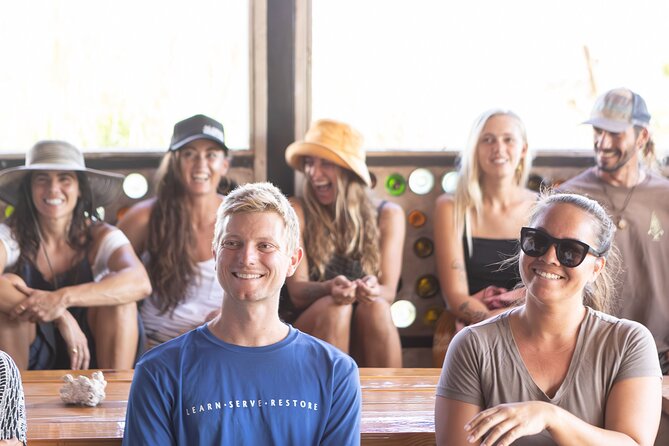
A small group isn’t just a nice-to-have. It changes the whole feel of the class.
With a maximum of 15 travelers, you’re more likely to get personal attention while making tortillas and assembling tacos. That means less standing around, fewer unanswered questions, and more hands-on time. It also helps the hosts keep the mood warm instead of chaotic.
This is also why it can work for families. The hosts make it kid friendly, so you’re not forced to choose between a vacation activity and your child’s comfort. If you’re bringing kids, the small-group setup makes it easier for the instructors to keep everyone engaged without losing the adults.
You’ll also feel the connection to the farm more directly because the group isn’t too large. In a bigger class, you can end up feeling like a tagalong in a line. Here, you’re part of the learning process—walking, noticing, cooking, and then eating together.
And because it’s a farm-to-table class, the ending isn’t just a stamp on your schedule. You’ll savor the meal you made in the farm setting—so you get both the activity and the payoff.


Is the $149 price fair for a farm-to-table experience in Maui?
At $149 per person, this class isn’t a bargain. But it’s also not priced like a flashy resort show. It sits in a category where you pay for real teaching time, a farm experience, and a meal created by you.
Here’s what you’re paying for, in practical terms:
- A farm tour element led by Janelle, focused on local produce and sustainable farming practices
- Hands-on cooking instruction led by Catherine
- Fresh tortillas plus taco assembly, with ingredients tied to the farm
- Small-group format (max 15), which helps justify the teaching attention
- You eat what you make, so the “class” turns into a full experience, not just a snack
Value is personal, but if you’re the kind of traveler who likes learning something you can actually use later—how tortillas come together, how ingredients drive flavor—then $149 may feel fair.
Also, notice the timing. It’s not a half-day add-on that steals hours. It’s about 2.5 hours total, which is a sweet spot for many Maui schedules. If you plan around it, you can still have time for beaches and drives afterward.
One planning tip: this is booked about 45 days in advance on average. If your dates are fixed, don’t treat it like a last-minute option.
Who should book this Farm to Taco class in Maui?
This is a great fit if you want a Maui food experience that feels real, not generic.
I’d especially recommend it if:
- you love hands-on activities and learning by doing
- you want a farm-to-table experience without needing advanced cooking skills
- you need vegetarian or gluten-free options, and you’d like vegan flexibility too
- you’re traveling with kids and want something that’s genuinely kid-friendly
- you prefer small groups over crowded tours
You might consider skipping it if you’re looking for something more like a pure walking tour with no cooking component, or if you’re not interested in tacos or tortilla-making at all. But if those sound like fun, the mix here is exactly the point.
Should you book this Farm to Taco class?
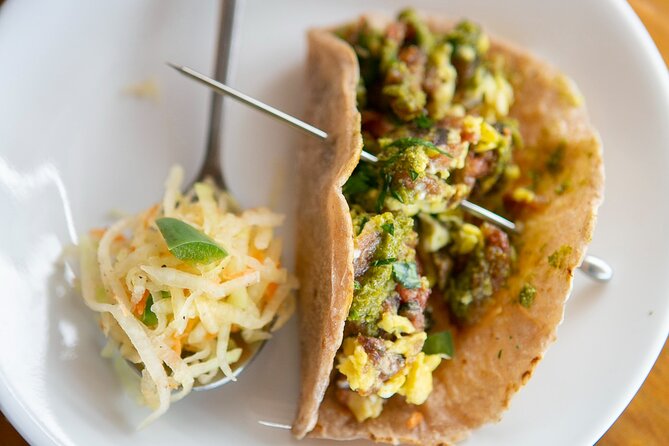
If you want an activity that connects Maui’s ingredients to what’s on your plate, this is an easy yes. The farm portion led by Janelle adds meaning, and Catherine’s tortilla-and-taco instruction gives you a practical skill plus a meal you can actually share and remember.
Book it if you value small-group attention, dietary flexibility, and the kind of vacation experience where you leave with food and knowledge—not just photos. If weather is uncertain during your dates, keep an eye on conditions and plan for the possibility of date changes.