REVIEW · MAUI
Taste of Hawaii: A Maui Farm Tour
Book on Viator →Operated by Lā Kāhea Community Farm · Bookable on Viator
A Maui farm tour that feeds you and teaches you. In about 90 minutes, you’ll walk through Lā Kāhea Community Farm with hosts who focus on sustainable, community-driven growing, then end with real food tastings in the middle of Maui farm life.
My favorite part is how hands-on it feels for such a short outing. You start with fruit bites, then you might even participate in making sugarcane juice, and the tour wraps up with dessert like banana ice cream, with macadamia nuts mentioned in multiple visits.
One thing to plan around: it’s weather-dependent. If rain is heavy, the farm can feel a bit less tidy and your route/pace may adjust, and one review notes the farm tour was affected by rain.
In This Review
- Key Highlights You’ll Actually Care About
- La Kāhea Community Farm: why this Maui tasting tour works
- Timing, meeting point, and what your 90 minutes looks like
- The farm stop itself: plants, pigs, and big Maui views
- Fruit tastings: what you should expect to eat
- Sugarcane juice: the part that makes it feel hands-on
- Banana ice cream and dessert: how they close the loop
- Guides and hosts: the human factor that keeps the ratings so high
- What you’ll learn about Hawaiian crops and farming methods
- Photos and views: where to aim your camera during a farm walk
- Who this Maui farm tour is for (and who might skip it)
- Price and value: is $75 a fair deal?
- Should you book this Maui Farm Tour?
- FAQ
- What does the Maui farm tour include?
- How long is the Taste of Hawaii: A Maui Farm Tour?
- Where do I meet for the tour?
- What time does the tour start?
- Is sugarcane juice part of the experience?
- Will I eat dessert on the tour?
- How big are the groups?
- Is the tour in English?
- Is this tour okay for kids?
Key Highlights You’ll Actually Care About
- Farm-to-table tastings: expect fruit plates and other fresh bites made from what’s grown right there
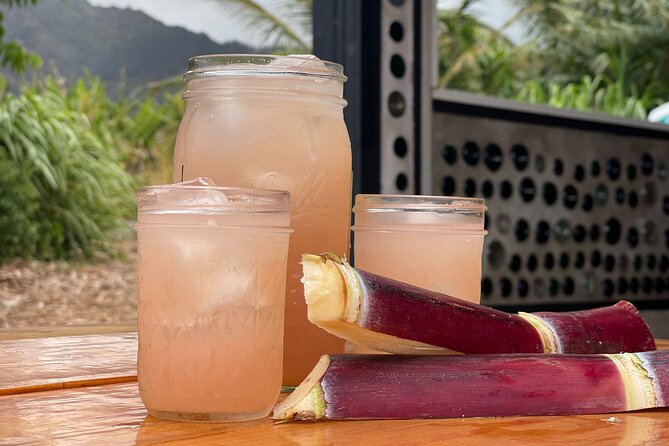
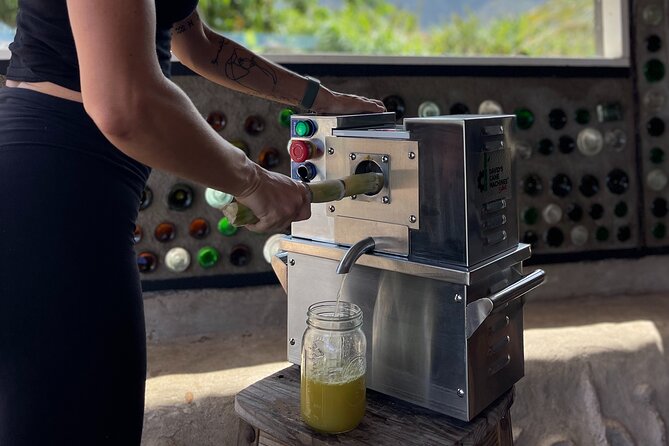
- Sugarcane juice moment: you may get to juice the cane and drink it fresh
- Dessert included: banana nice-cream/ice cream shows up in repeat comments (sometimes with roasted macadamia nuts)
- Community farm mission: you’ll hear how the farm supports environment and local people
- Photo-friendly views: Haleakalā and the West Maui Mountains are part of the visual payoff
- Small-group feel: capped at 35 travelers, so you’re not stuck in a huge crowd
La Kāhea Community Farm: why this Maui tasting tour works
If you’re on Maui and you want something that feels real, not staged, this is a smart use of time. The tour pairs a short farm walk with food tastings and crop education, so you leave with both flavors in your day and a clearer picture of how Hawaiian crops are grown and cared for.
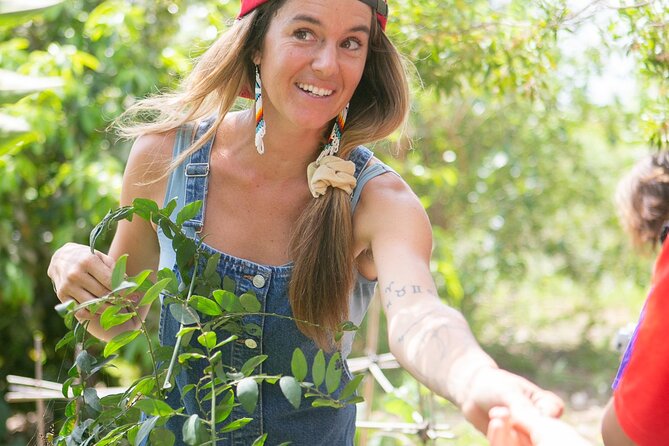
The tone is also refreshingly human. Hosts and guides like Winsome and Anna show up in many of the stories with an upbeat, welcoming approach, and Emily is also mentioned as part of the hosting team. When the people running the place make you feel at home, the tour stops being just a checklist.
At $75 per person for roughly 1 hour 30 minutes, it isn’t the cheapest thing on Maui. But you’re paying for guided access to a working community farm plus multiple tastings (fruit, sugarcane juice, and dessert). For food-focused travelers, that adds up fast.
You can also read our reviews of more tours and experiences in Maui.


Timing, meeting point, and what your 90 minutes looks like
This runs at 10:30 am and starts at 2100 HI-30, Wailuku, HI 96793. The activity ends back at the meeting point, so you’re not scrambling across town afterward.
Plan for an easy, low-stress pace. Many guests describe it as an enjoyable break from the usual driving-and-parking rhythm. You’re walking and tasting, not doing an all-day hike, and the group size is capped at 35 travelers, which helps keep the flow from turning chaotic.
Most people can participate. That said, one review flags that it may not be ideal for very young children. So if you’re traveling with toddlers, think twice; if you’ve got kids who can handle a short farm walk and attention to plants/food, it’s more promising.
The farm stop itself: plants, pigs, and big Maui views
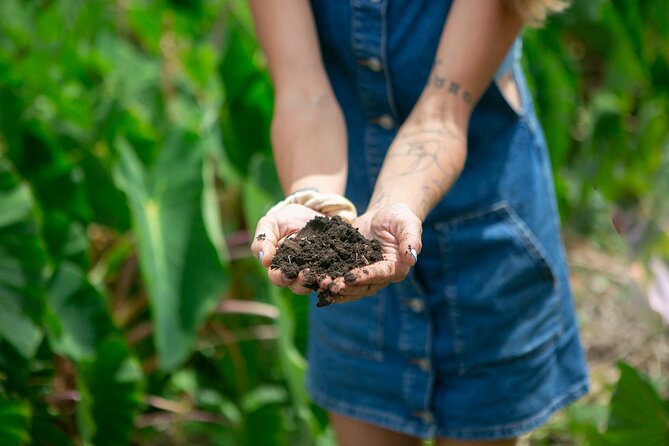
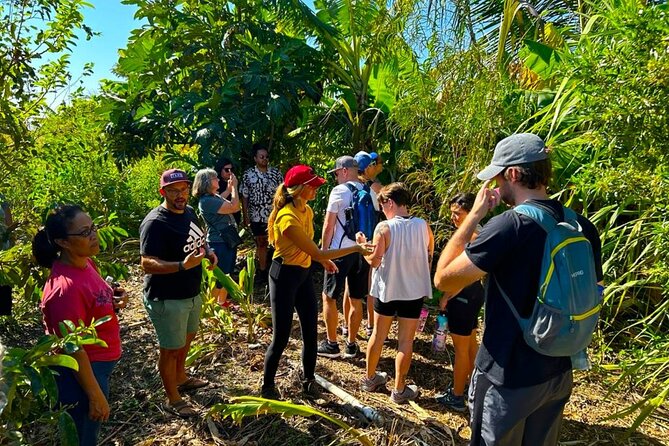
Your main stop is at Lā Kāhea Community Farm, and the setting is part of the experience. You’ll be surrounded by tropical crops, with views toward Haleakalā and the West Maui Mountains. Multiple guests mention the scenery alongside the tasting, so you’re not stuck staring at a table all tour.
A highlight you should keep on your radar: you might get the chance to feed or interact with friendly pigs. That’s the kind of small, memorable moment that turns a food tour into a story you’ll actually tell later.
What makes the farm walk valuable is the way it’s explained. Several reviews mention learning about sustainable and regenerative farming and also understanding the why behind what you see. You’ll hear about tropical plants and why they matter, including crops connected to Polynesian history, with one guest specifically calling out learning about plants brought by Polynesians and their leaves and fruits.
Fruit tastings: what you should expect to eat
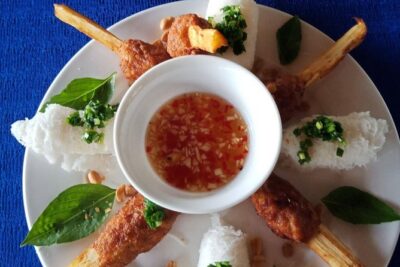
This is a tasting tour first, so the food is not an afterthought. You’ll start with a plate of fresh fruit. Reviews repeatedly mention sliced fresh fruit that was really good, and one solo guest highlights fruit along with sugarcane juice.
A smart way to approach this: go in hungry, but don’t expect an unlimited buffet. You’ll get tastings designed to match what’s growing at the farm that day, and the point is to connect flavors with plants and farming methods, not to try every fruit in existence.
One family review even notes the fruit was so good it stood out as a favorite. If you like learning through taste, this format clicks. If you’re the type who needs a heavy meal to feel satisfied, you might want to treat it as a mid-morning event and plan lunch later.
Sugarcane juice: the part that makes it feel hands-on
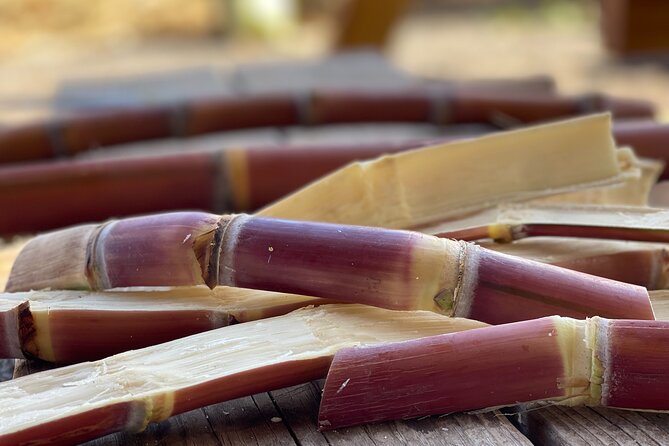
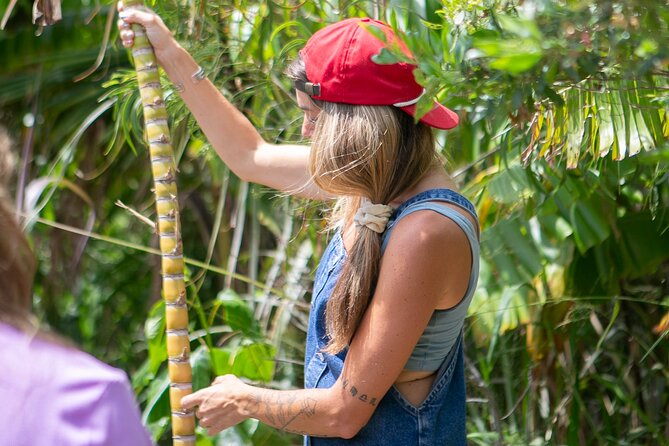
If you’re deciding whether this tour is worth your time, sugarcane juice is a major reason to book. The tour includes fresh cane juice, and multiple guests mention juicing sugarcane themselves or watching the process closely enough to feel part of it.
That’s a rare thing on a vacation: you taste something that you helped create. One guest describes it as a nutritious, tasty drink, and another calls it nature’s Gatorade. The practical takeaway for you is simple: this isn’t just a sip. It’s an activity tied to the farm, and it makes the rest of the crop talk feel more real.
Also, if you’re sensitive to sweetness, keep expectations balanced. Sugarcane juice is naturally sweet, so it can be a strong flavor. Most reviews still rate it highly, but it’s good to know what you’re stepping into.



Banana ice cream and dessert: how they close the loop
Dessert shows up at the end of the tour, and banana ice cream is mentioned again and again. Some reviews point out banana nice-cream, with fresh roasted macadamia nuts included in at least one described finish.
This part matters more than it sounds. The tour is trying to connect farming to outcomes. When the final taste is made from fruit you learned about moments earlier, you feel the logic of the whole experience.
One couple specifically mentions a dessert after the tour as a real treat, and another calls out learning how to make ice cream. Even if you don’t get a full cooking lesson, you’ll likely leave with a stronger appreciation for how farms turn crops into everyday food.
Guides and hosts: the human factor that keeps the ratings so high
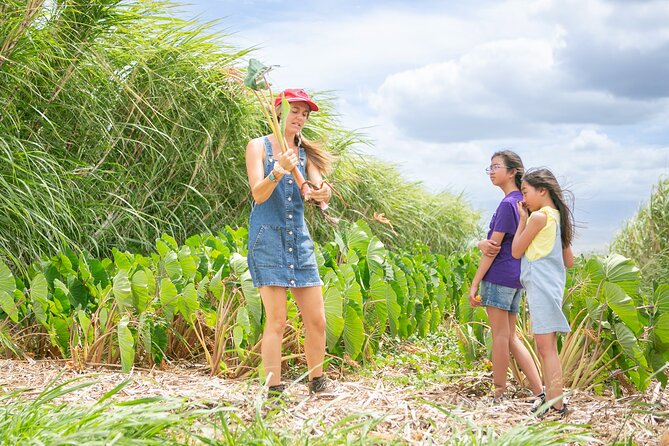
This tour seems to run on people power. Names like Winsome (owner/host) and Anna (tour guide) show up across many of the experiences, along with Emily as part of the hosting team. Other guides such as Jake, Whit, and Jakke also appear in guest stories.
Why you should care: when the guide explains plants clearly and keeps the pace lively, you walk away with more than a snack. Reviews frequently mention entertaining delivery and strong pride in the work being done. That combination matters on farm tours because they can turn dry if the host is just reciting facts. Here, the feedback suggests the energy stays friendly and engaged.
What you’ll learn about Hawaiian crops and farming methods
The education piece isn’t academic for its own sake. It’s framed around real farming practices and what they mean for sustainability and community life. Regenerative farming and restorative approaches come up repeatedly, and multiple guests mention learning about how community farms help the environment and the surrounding area.
You’ll also hear about natural farming and the role of tropical crops on Maui. One review calls out learning about the plants and fruits brought by Polynesians and another describes learning about the leaves and fruits of various crops. That historical angle helps explain why certain crops matter, instead of making it feel like random plant trivia.
One practical upside for you: even if you’re not turning into a gardener tomorrow, you’ll better understand why farms talk about soil, water, and care. When you look at agriculture later during your trip, it won’t just look like greenery. You’ll know there’s a system behind it.
Photos and views: where to aim your camera during a farm walk
This tour gives you a rare combo: farm tastings plus Maui views. The Haleakalā and West Maui Mountains are specifically mentioned as part of what you see while you’re out on the property.
Because you’ll be moving around and tasting, don’t plan to get every shot from one perfect spot. Instead, treat photos as “in between moments”: one good view while you’re on the path, then a close-up of fruit or leaves while you’re at tasting stations. The farm interaction and pigs (if available that day) also create natural photo opportunities.
Bring sunscreen and water. One review flat-out recommends it and notes that the part of Maui can feel dry. Even though the tour isn’t long, you’ll be outdoors for the whole experience.
Who this Maui farm tour is for (and who might skip it)
This is a great fit if you like food, plants, and practical travel experiences. Couples, families with kids old enough to enjoy a short walking tour, and solo travelers all show up in the feedback with positive energy. If you’re the kind of traveler who wants a calm, low-stress activity that still feels meaningful, this should work well.
It also suits gardeners or people who care about sustainable growing. Several comments mention appreciating regenerative or restorative farming and learning ideas they could use or think about at home.
Skip or reconsider if you want a long, intense tour with lots of distinct stops. One review says it didn’t match expectations for how much there was to see. So if you’re craving a big itinerary with multiple locations, you may find this one feels short.
Price and value: is $75 a fair deal?
Let’s talk value in plain terms. At $75 for about 1 hour 30 minutes, you’re paying for:
- Guided access to a working community farm
- Multiple tastings (fruit, sugarcane juice, and dessert)
- Educational talk time while you’re there
- A small-group environment (max 35)
For travelers who usually spend money on tours but skip food experiences, this one is likely to feel better because the tastings are built into the experience. If you’re the type who hates paying for activities that don’t include meaningful food, this stands out.
On the flip side, if you’re already planning a heavy brunch and want a full meal, this may feel more like a snack-plus than a full lunch. Still, the combination of fruit, juice, and banana ice cream is a lot of satisfaction for the time.
Should you book this Maui Farm Tour?
I’d book it if you want an easy morning that mixes fresh farm-to-table tastings with learning how Maui grows tropical crops. The repeat praise for sugarcane juice, banana ice cream/nice-cream, and hosts like Winsome and Anna suggests you’re not just paying for access—you’re paying for a warm experience with real food at the center.
I’d hesitate only if you need a huge range of scenery or multiple stops, because the format is focused on one farm visit. Also, if weather is a serious concern for your schedule, remember the tour requires good conditions, and timing adjustments can happen.
If you’re trying to pick one “different” Maui experience that isn’t about beaches and shopping, this one fits the bill.
FAQ
What does the Maui farm tour include?
You can expect a guided tour of Lā Kāhea Community Farm with fresh farm-to-table tastings, learning about tropical Hawaiian crops, and time to enjoy views. Many visitors also mention sugarcane juice and banana ice cream or nice-cream as part of the food sampling.
How long is the Taste of Hawaii: A Maui Farm Tour?
It’s about 1 hour 30 minutes.
Where do I meet for the tour?
The meeting point is 2100 HI-30, Wailuku, HI 96793, USA. The tour ends back at the meeting point.
What time does the tour start?
The start time listed is 10:30 am.
Is sugarcane juice part of the experience?
Yes. Sugarcane juice is specifically mentioned, and some guests describe juicing it as part of the tour.
Will I eat dessert on the tour?
Dessert is mentioned, including banana ice cream or banana nice-cream, with roasted macadamia nuts mentioned in at least one review.
How big are the groups?
The maximum group size is 35 travelers.
Is the tour in English?
Yes, it’s offered in English.
Is this tour okay for kids?
Most travelers can participate, but one review says it is not recommended for young children. If your children can handle a short outdoor walking tour and tastings, it may work better for them than for toddlers.