REVIEW · BOGOTA
From Bogota: 5 hour guided coffe farm tour – All included
Book on GetYourGuide →Operated by Encanto Colombiano Tours · Bookable on GetYourGuide
Coffee and mountains in one tight day. From Bogotá you’ll head into the Ubaque area for an all-in, guided coffee farm experience where you learn the full story from bean to cup. I especially like the hands-on feel: you’ll get to do manual harvesting and then take part in a coffee tasting and preparation workshop. I also like that the tone is kept human and personal thanks to a small private group, with guides who bring real passion—names like Caren and José show up in the kind of help you’re likely to get along the way.
The main trade-off is time and comfort. It’s about a 7-hour day with walking on the farm, and it’s not suitable for wheelchair users, so plan on comfortable shoes and sun protection.
In This Review
- Key highlights to know before you go
- From Bogotá pickup to Ubaque coffee country
- Breakfast in Ubaque: the meal that powers the morning
- The farm visit: 4.5 hours walking through coffee production
- Manual coffee harvest and eco-friendly farm practices
- Coffee tasting and the workshop: learn how to taste the difference
- Lunch with local Colombian flavors
- What you’re really paying for: value at $118 per person
- Small private group: the difference you’ll notice in practice
- Practical tips so your day stays easy
- The human factor: guides, names, and the tone of the day
- Who this Bogotá coffee farm tour is best for
- Should you book this tour from Bogotá?
- FAQ
- How long is the coffee farm tour from Bogotá?
- Where does the tour start and end?
- What languages are the tours offered in?
- Is coffee tasting included?
- What meals are included?
- Is the farm entrance included?
- Are tickets skipped?
- What should I bring?
- Is the tour wheelchair accessible?
- What’s included in the price, and is tipping required?
Key highlights to know before you go
- Small private group feel for more back-and-forth with your bilingual guide
- Roundtrip transportation from Bogotá so you’re not planning logistics all morning
- Farm time focused on the full coffee process from planting/production steps to harvesting
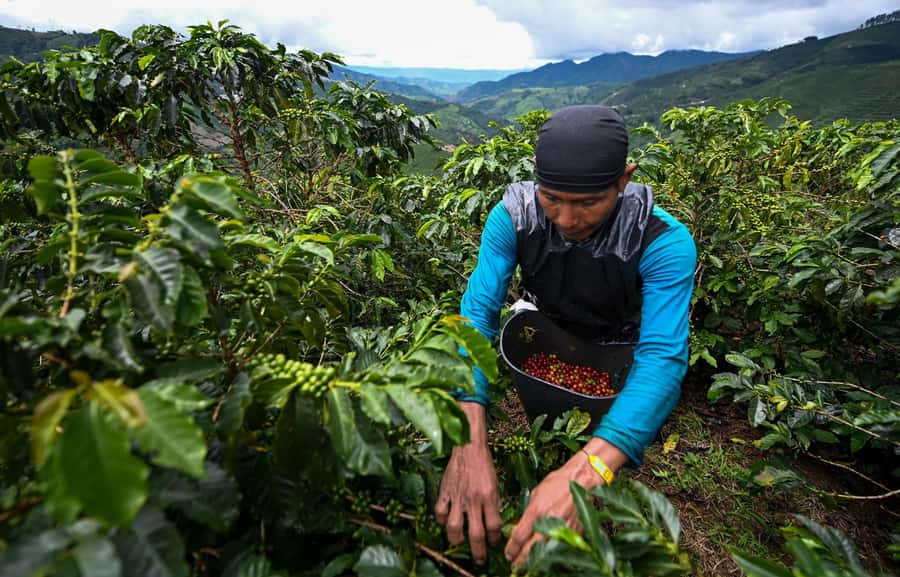
- Manual coffee picking for a hands-on moment that’s more than photo stops
- Coffee tasting + preparation workshop so you leave with skills, not just samples
- Traditional breakfast and lunch with Colombian food included
From Bogotá pickup to Ubaque coffee country
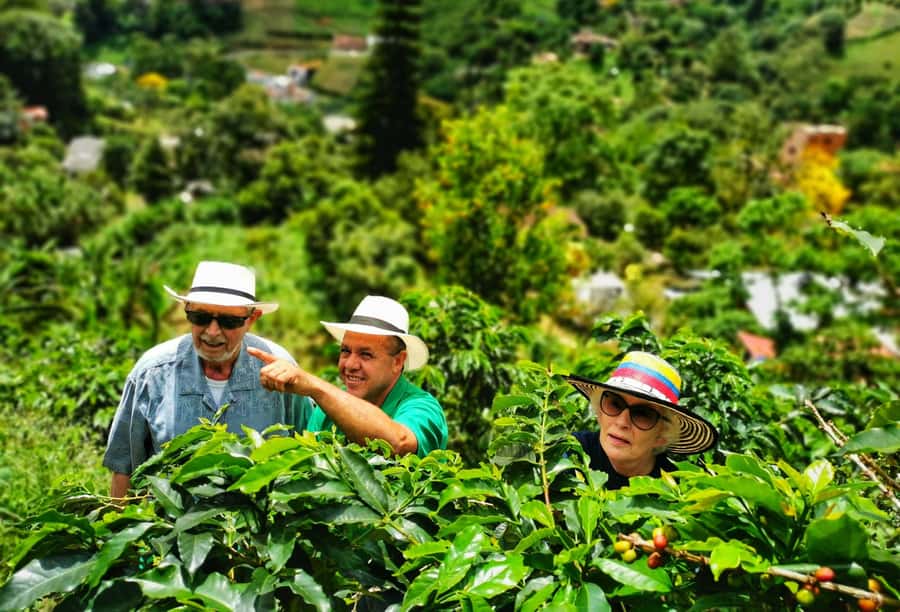
This tour runs as a proper day trip: you start in central Bogotá with pickup, then ride out toward the mountains for the change in pace that makes coffee country feel special. The drive matters more than it sounds. You’re using travel time to shift your brain from city mode to farm mode—fresh air, cooler temperatures (compared with town), and views that put the coffee plants in context.
Once you arrive in the Ubaque area, the schedule is built to get you fed early and ready to move. That’s a smart choice for an activity day, because coffee farms involve real walking and a hands-on block where you’ll want steady energy. You’re not just dropped off for a quick look; you’re guided through the day with a bilingual tour leader (English and Spanish), plus bilingual support depending on your group needs.
You can also read our reviews of more tours and experiences in Bogota.
Breakfast in Ubaque: the meal that powers the morning
Before the farm work starts, you’ll be served a traditional Colombian breakfast. This is one of those included touches that makes the whole trip feel “real” instead of like a rigid tourist route. Breakfast sets you up for what comes next: the farm visit includes a long stretch of guided walking and a manual harvest activity.
Also, the breakfast is part of the cultural framing. You’re heading to a coffee plantation, but you’re also spending time with farmers and local routines. Having breakfast first helps you slow down and join the day rather than arriving hungry and rushing.
Practical note: even if you’re not a big breakfast person, eat something substantial. The morning portion runs long enough that skipping it is a fast way to feel drained halfway through the visit.
The farm visit: 4.5 hours walking through coffee production
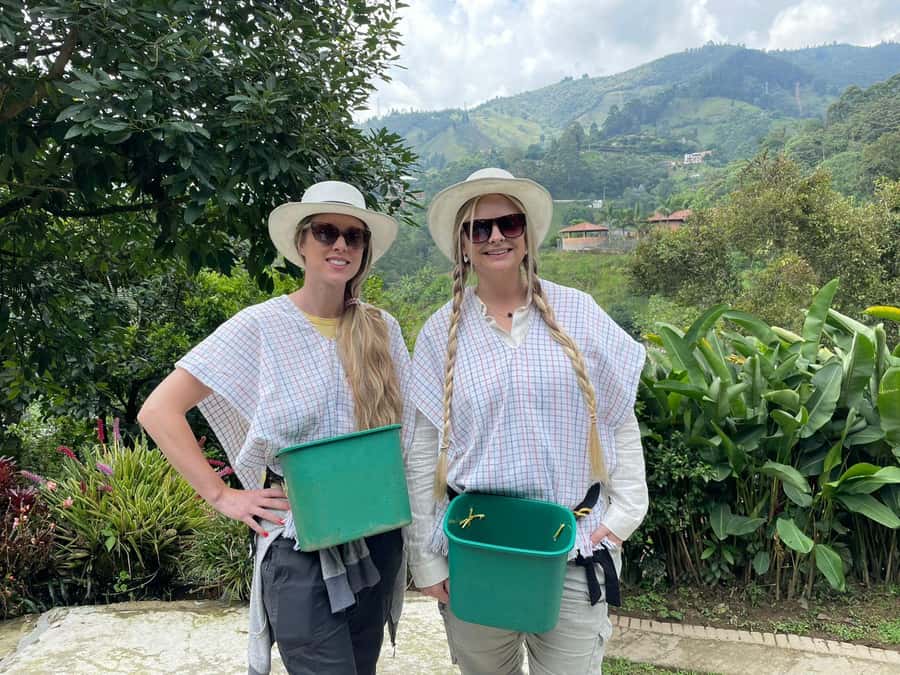
The heart of the day is your guided farm walk, scheduled for about 4.5 hours. This is where you learn how coffee gets grown and processed, not just where the plants are located. You’ll move through coffee fields and follow the production story from planting through harvesting, guided in a way that connects what you’re seeing to what you taste later.
For me, the best farm tours are the ones that explain the logic. Here, the farm tour focuses on stages of production, so you can start connecting your cup of coffee to real decisions made in the field: timing, plant care, and harvest practices. It’s the difference between drinking coffee and understanding why it tastes the way it does.
You’ll also get plenty of walking time, so pace yourself. If you’re the type who likes photos, you’ll have moments—but the value is in the explanation, not a checklist of stops.
Manual coffee harvest and eco-friendly farm practices
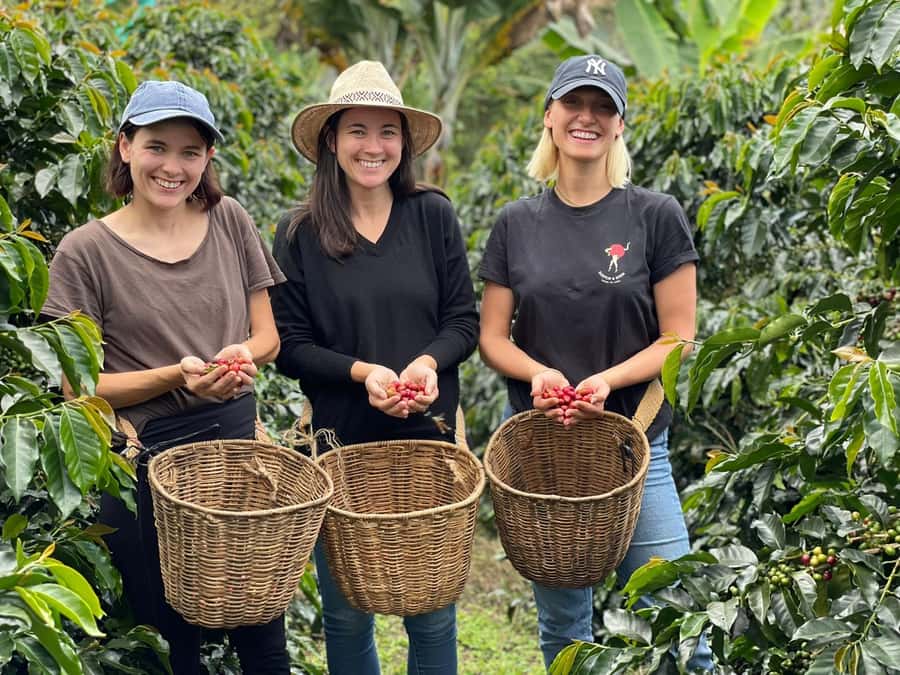
After seeing the process, you get the hands-on moment: manual coffee bean harvesting. This is the part that usually turns a “nice tour” into a memory. You’ll be working with your hands, learning by doing, and noticing details you’d never catch from a distance.
What I like about including the harvest is that it makes the rest make sense. Once you’ve picked beans yourself, the tasting workshop later feels earned—you’re not just sampling; you’re comparing flavors with an understanding of the work behind them.
Your guide also helps you understand farm practices, including a focus on sustainability and eco-friendly methods. The idea isn’t abstract. It’s tied to how the farm is run and why it matters for the land over time. If you care about responsible tourism, this is where you’ll feel the tour’s “value beyond coffee.”
One consideration: harvest time can mean you’re in sun and moving between rows. Bring what you need to stay comfortable, and expect to get a little dusty—farm trips are not museum clean.
Coffee tasting and the workshop: learn how to taste the difference
After the harvesting part, you’ll shift from physical work to sensory work with a coffee tasting and preparation workshop. This is where you learn to pay attention to aroma and flavor instead of treating coffee like one flat experience.
The tour typically includes guidance on how fresh coffee is prepared and how to taste it. That matters because it turns the trip into a skill you can use later. Even if you don’t become a coffee geek overnight, you’ll likely start noticing differences in roast style, freshness, and how coffee feels in the mouth.
I also like that the workshop is scheduled after you’ve done something on the farm. It keeps your brain focused. You’re not waiting around for lunch and then drinking a cup on autopilot—you’re learning in sequence, so the tasting feels connected to the plants you saw and the harvest you did.
If you’re traveling with coffee friends, this is often the part that sparks the best conversations on the ride back—because you’ll have shared terminology and a real basis for comparing what you liked.
Lunch with local Colombian flavors
You’ll also stop for lunch at the Ubaque area. The key point: it’s traditional Colombian cuisine and included in the price, and the timing is practical (there’s a dedicated lunch window). After a morning in the field and a tasting workshop, this is your reset button.
Lunch does two things well here. First, it keeps you fueled for the final stretch of the tour and the ride back to Bogotá. Second, it keeps the day grounded in local life. You’re not just collecting coffee facts—you’re eating like you’re part of the routine.
If you have dietary restrictions, the tour data doesn’t spell out special meals. So it’s smart to plan for flexible options and confirm needs when you book.
What you’re really paying for: value at $118 per person
At $118 per person for a roughly 7-hour experience, this isn’t a budget “grab and go” activity—but it’s also not just a ticket to a place. Your money covers the whole package:
- Roundtrip transportation from Bogotá
- Guided bilingual tour (English and Spanish)
- Entrance to the coffee farm
- Coffee tasting and preparation workshop
- Souvenir
- Traditional Colombian breakfast and lunch
That combination is what makes it feel like good value. You’re paying for time, guidance, and included meals, plus access to the farm experience that would be harder to assemble on your own (transportation out, a guide for the coffee process, and a structured tasting/workshop).
If you’re the type who enjoys learning on the spot and you don’t want to coordinate multiple vendors, this price starts to look more fair. You’d likely spend time—and potentially more money—trying to piece together the same flow with a guide, food, and a farm visit.
Small private group: the difference you’ll notice in practice
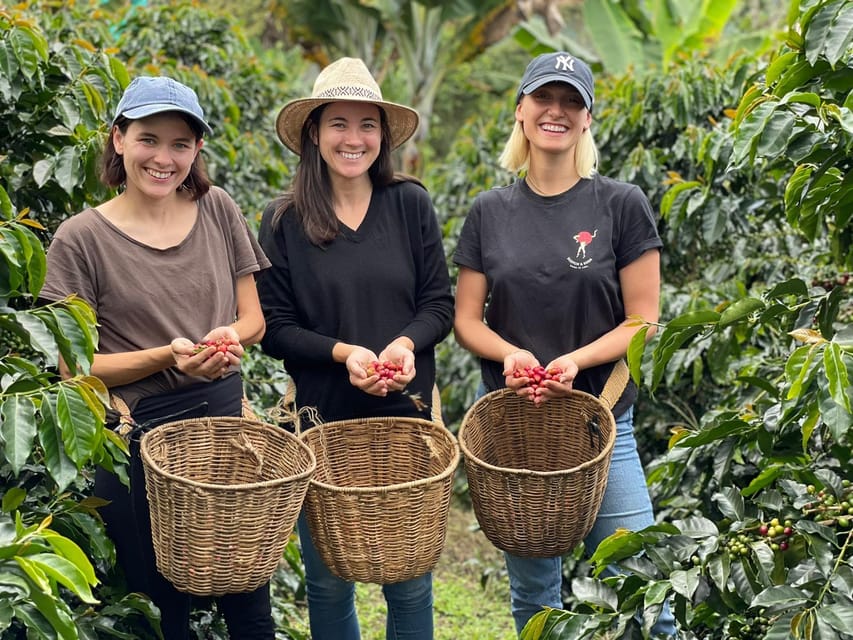
This tour is offered as a private group rather than a large open-to-everyone bus. What that means for your day is simple: you’re more likely to get questions answered, better pacing, and more attention during the farm walk and workshop.
It’s also a comfort upgrade. A smaller group tends to feel easier when you’re doing hands-on harvesting and moving around a working plantation. You’re not waiting behind strangers for space, and the guide can shape the tour to your group’s rhythm.
The tour isn’t described as wheelchair-friendly, so keep that in mind if mobility is a concern. Comfortable footwear and a realistic expectation for uneven farm ground will matter more here than on city walking tours.
Practical tips so your day stays easy
Bring the basics listed for this trip, and you’ll be fine:
- Comfortable shoes (farm walking is real walking)
- Sun hat
- Sunscreen
- Comfortable clothes
A small extra thought: pack a light layer if you run cold in the morning ride out from Bogotá. Weather can change with altitude, and being comfortable makes the farm work feel less tiring.
Also, if you’re sensitive to sun or you bruise easily, go slow during the harvest activity. You’re learning a technique, not competing in an athletic event.
The human factor: guides, names, and the tone of the day
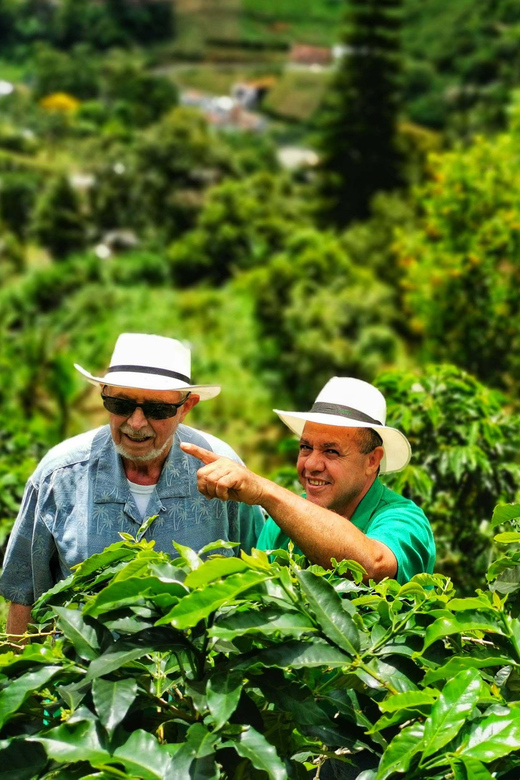
One reason I’d trust this kind of tour is the way it’s set up around good human guidance. In particular, there are examples of drivers like José being friendly and helpful during the trip out, and guides such as Caren bringing a lot of passion about coffee and the farm’s eco-friendly practices.
That matters because coffee isn’t just a product—it’s a system of people, land, and careful steps. When the guide can explain the story clearly in English or Spanish, you get more from the beans you’re tasting later.
Who this Bogotá coffee farm tour is best for
This tour makes the most sense if you want:
- A guided, structured coffee experience rather than a casual walk
- Hands-on harvesting plus tasting and preparation (not just viewing coffee plants)
- Included meals and transportation so you can focus on the learning
- A small, more personal group vibe
It’s a great fit for first-timers to Colombian coffee culture. If you already know coffee basics, you’ll still likely enjoy the farm-to-cup sequence, especially the practical workshop part.
If you hate walking, need wheelchair access, or prefer fully seated experiences, this likely won’t fit well. The farm portion is part of the point, and it takes movement.
Should you book this tour from Bogotá?
If you want a day where you learn coffee from the ground up—literally—and you don’t want to arrange transport, meals, and guiding yourself, I’d say this is a smart booking. The best part is the flow: farm tour and stages of production, then manual harvest, then tasting and preparation, all topped off with breakfast and lunch.
I’d skip it only if mobility is limited or if you’re looking for something shorter and less active. Otherwise, for the money, the combination of transportation + guided farm access + workshop + meals is what makes this feel worth it.
If you do book, show up rested, wear shoes you can trust, and plan to pay attention during the workshop—because that’s where the day’s real payoff becomes yours.
FAQ
How long is the coffee farm tour from Bogotá?
The tour duration is 7 hours.
Where does the tour start and end?
It includes roundtrip transportation with pickup in Bogotá, and you arrive back in Bogotá at the end.
What languages are the tours offered in?
The live tour guide is available in English and Spanish.
Is coffee tasting included?
Yes. You’ll do a coffee tasting and also a coffee preparation workshop.
What meals are included?
You get a traditional Colombian breakfast and a traditional Colombian lunch.
Is the farm entrance included?
Yes, entrance to the coffee farm is included.
Are tickets skipped?
The tour includes skipping the ticket line.
What should I bring?
Bring comfortable shoes, a sun hat, sunscreen, and comfortable clothes.
Is the tour wheelchair accessible?
No, it is not suitable for wheelchair users.
What’s included in the price, and is tipping required?
Included items are roundtrip transportation, a guided bilingual tour, entrance to the farm, tasting/workshop, a souvenir, and breakfast and lunch. Tips are optional and not included.