REVIEW · BANGKOK
3hrs. Canal Cruise & Stop at Big Buddha- English guided tour
Book on GetYourGuide →Operated by Pandan Tour Company Limited · Bookable on GetYourGuide
Bangkok slows down on the water. This canal cruise through Thonburi shows daily life you usually miss from the roads, and the Emerald Crystal stupa inside the Big Buddha stop gives the temple visit real impact. The only catch: temple dress rules and boat steps mean you should wear decent walking shoes and cover up.
I really like that the tour is built for a small group (up to 5) and led by an English-speaking guide who can explain what you’re seeing in plain terms. Guides such as Nadia and Nui have been praised for turning history into something you can actually picture while you’re still on the canal.
One more consideration: English is offered, but clarity can vary. If you’re very picky about hearing every word, come with a tourist attitude and focus on the visuals.
In This Review
- Key highlights worth showing up for
- Getting on board at BTS Wutthakat: a simple start
- Thonburi on a longtail boat: watching life happen, not posing for it
- Khlong Bang Luang Artist House (Baan Silapin): calm craft time beside the water
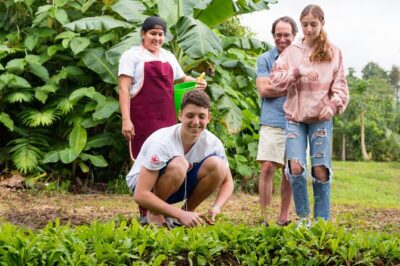
- Niyom’s Orchid Farm: a peaceful greenhouse pause that teaches you something
- The Big Buddha stop: what to notice beyond the photo
- Temple etiquette that matters: clothing rules and shoe reality
- How the 3 hours really feel: short, focused, and sometimes flexible
- Price and value: is $75 fair for 3 hours in Bangkok?
- Shared vs private: who should choose what
- Who this tour is best for (and who should skip it)
- Should you book this 3-hour canal cruise and Big Buddha stop?
- FAQ
- Where do I meet for the tour?
- How long is the experience?
- What’s included in the ticket price?
- Is hotel pickup and drop-off included?
- Are meals included?
- What should I bring?
- What should I wear for the temple?
- Is the tour suitable for mobility impairments?
Key highlights worth showing up for
- Longtail boat canal views in Thonburi, where daily life runs by the water
- Old Bangkok craft stop at Khlong Bang Luang Artist House (Baan Silapin) beside the canal
- Niyom’s Orchid Farm with walking paths through greenhouse rows and growing tips
- Big Buddha in Bangkok with an Emerald Crystal stupa inside the pagoda and meditation hall
- Up to 5 people for a calmer pace and more time for questions
- BTS Wutthakat meeting point that’s easy to reach, no hotel pickup needed
Getting on board at BTS Wutthakat: a simple start
You meet at BTS Wutthakat Station on the Silom line (S11). Look for the Yellow bridge under BTS, and go to Exit 5, where the bridge is in front. It’s a straightforward meeting point, which matters in Bangkok because traffic and confusion can eat time before you even start.
No hotel pickup means you control your timing. If you’re staying near a rail line, that’s a win. If you’re coming by taxi, plan a little extra time so you’re not sprinting from the drop-off point.
You’ll do a short introduction first, aimed at helping you understand what you’re about to see. That matters because canal Bangkok is not just scenery; it’s a way of living. Once you’ve got that mindset, the boat ride turns from a photo stop into something more interesting.
You can also read our reviews of more tours and experiences in Bangkok.
Thonburi on a longtail boat: watching life happen, not posing for it
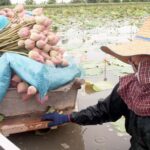
After the intro, you board a traditional wooden longtail boat and head into the canals. This is the heart of the tour: seeing khlongs (canals) up close, with houses, gardens, and daily routines right at the waterline.
Here’s what I like about canal cruising in general, and what this one does well: you don’t just see buildings. You see how people arrange their lives when boats are part of the system. The canals are working waterways, so the views feel lived-in, not staged.
Your guide points out sights along the route and helps connect them to the broader story of Bangkok and Thailand. In a city full of statues and temples, it’s a relief to get context that feels practical: how neighborhoods formed, why water mattered, and how customs shape daily routines.
Boat rides also come with Bangkok’s real atmosphere: sun, breeze, and the occasional splash. You’ll get a life jacket and a chance to settle in, then focus on what’s moving past you. Bring comfortable shoes for the start and any walking you’ll do on land later.
If you’re the type who likes watching small details—people, work, colors, small boats—this part will likely be the one you keep thinking about later.
Khlong Bang Luang Artist House (Baan Silapin): calm craft time beside the water
One of the best surprises on this tour is the stop at Khlong Bang Luang Artist House, also known as Baan Silapin. It’s described as a quieter, less-visited place along the canal in Thonburi, and you feel that the moment you’re there.
The setting is a charming wooden house turned art space. It’s right by the canal, so you get that in-between feeling: you’re not in a big museum, but you’re not outside on a loud street either. It’s a good contrast to the longtail boat and the temple stop later.
This is also a hands-on sort of stop. You might have the chance to do small activities like feeding fish and trying your hand at painting. Even if you’re not an artist, it’s fun because it’s simple and tied to the place. You’re interacting with canal life in a low-pressure way.
What’s the real value here for you? It breaks the pattern of Bangkok sightseeing where everything is either shopping or worship. This stop gives you a human-scale view of creativity and community—something you can feel in 20 to 40 minutes, not just read in a guidebook.
The only thing to watch: this is still a walk-and-step situation. Wear shoes that can handle a little uneven ground and easy on/off movement.
Niyom’s Orchid Farm: a peaceful greenhouse pause that teaches you something
Next comes Niyom’s Orchid Farm in the Taling Chan district. If Bangkok feels like it’s always in a hurry, this stop is a breather.
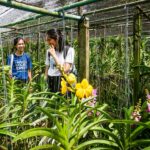
You’ll walk through greenhouses with a wide range of orchid varieties, from delicate blooms to stronger, sturdier types. The main value isn’t just the flowers—it’s the way the visit explains how orchids are cultivated. Staff share tips and techniques, so you leave with at least a basic understanding of what it takes to grow these plants.
It’s also a nice change of pace from canals and temples. You get a quieter environment and time to slow down. The farm offers refreshments, which helps if your morning started early or you’re sensitive to heat.
If you’re the type who loves plants, photography, or gardens, this is a meaningful stop. If you don’t care much about orchids, you’ll still likely appreciate the calm and the chance to breathe—plus you get a guided explanation rather than wandering alone.
The Big Buddha stop: what to notice beyond the photo
The tour finishes with a stop to see the Biggest Buddha Statue in Bangkok. The highlight here is the beautifully crafted Emerald Crystal stupa inside the pagoda and meditation hall.
A statue this large can feel obvious from a distance. The real wow factor happens when you’re closer and you can see the craftsmanship and symbolic space inside the main structure. It’s a temple visit, so you’re not just looking at a landmark—you’re stepping into a place of worship and meditation.
Your guide explains what you’re seeing and adds cultural context so it doesn’t become just a checklist. That context is especially helpful here because Buddhist temple spaces can look similar from far away. Knowing what to focus on—materials, layout, and the significance of the stupa area—makes the stop far more rewarding.
Plan to take your time. Don’t rush straight to photos. Look around, notice the hall setting, and then come back for any pictures you want. You’ll get a better experience that way.
Temple etiquette that matters: clothing rules and shoe reality
This tour includes a temple visit, so dress code matters. Avoid mini skirts, sleeveless tops, and shorts. Even if you feel comfortable in Bangkok heat, you’ll want clothes that cover your shoulders and knees.
Shoes are the other big practical issue. You’ll be getting on and off the boat, walking around the canal areas, and moving through temple space. Wear shoes suitable for walking that won’t be a slipping hazard.
If you show up in flip-flops or very slick sandals, you’ll feel it right away when steps come into play.
One more small tip: if you’re bringing sunscreen, use it before you’re out in the sun for long. You’ll do boat time and outdoor walking, and you’ll be in a better mood if you’re not dealing with sunburn halfway through.
How the 3 hours really feel: short, focused, and sometimes flexible
This is a 3-hour tour with small group size and a guided pace. On paper, that sounds like a quick hit. In practice, it tends to feel focused: water first, then land stops that add variety—art/craft, orchids, and the Big Buddha area.
There’s also an important detail about how the tour operates: your guide can adjust the flow if timing changes. One guide handling a late taxi managed to keep the experience on track and extended the boat ride for the full two hours, then arranged a practical drop-off location so it was easier to catch a car back. That kind of flexibility can make the difference between a rushed tour and a comfortable one.
If you’re sensitive to delays, build in a little buffer in your day. Still, it’s reassuring to know the guide isn’t just running a script.
The guide language is English and Thai, and the tour is led by an English-speaking guide. In some situations, you might find parts of the English harder to catch. When that happens, don’t fight it—turn it into visual learning. The canals, craft house, orchids, and the stupa interior are all clear anchors for understanding.
Price and value: is $75 fair for 3 hours in Bangkok?
At $75 per person for a 3-hour tour, the price lands in the mid-range category for guided experiences. Here’s why it can feel worth it, even if you’re counting every baht.
What’s included:
- English speaking guide
- Entrance fee to the orchid farm
- Life jacket
- Drinking water
What’s not included:
- Hotel pickup/drop-off
- Meals and drinks
- Gratuity
You’re paying for three things: guided interpretation, boat transport, and specific admission/entry costs. Orchid farm access is included, which matters because farms and gardens often charge separately. The boat ride isn’t just a scenic extra; it’s the core of the day.
You’re also paying for a small group, up to 5 participants, which usually means less waiting around. If you hate crowded buses and prefer to move at a human pace, that’s part of the value.
The trade-off is that you’ll handle your own transport to the meeting point, and you won’t have a meal built in. If you eat on schedule, plan for a snack before you go or after you finish.
If you’re trying to maximize time without sacrificing authenticity, this tour is a strong option because it combines canal life, a calmer plant stop, and a major temple moment without turning into a long day.
Shared vs private: who should choose what
The tour gives you a choice between shared or private. For shared tours, the benefit is cost and meeting fellow people who might ask good questions.
For private tours, the big advantage is pacing. If you want extra time at the artist house for hands-on activities, or you prefer to linger inside the pagoda hall, you’re more likely to get that with a private format.
If you’re a couple, a small family, or anyone who likes control over timing, private can be worth it. If you’re traveling solo and enjoy company, shared keeps it social without feeling chaotic.
Who this tour is best for (and who should skip it)
This experience fits best if you want:
- Canal life in Thonburi, not just downtown Bangkok sights
- A guided explanation that helps you connect the dots
- A mix of water sights plus calm stops on land (orchids, craft space, temple hall)
- A small group with a pace that doesn’t feel like a cattle line
It’s not suitable for people with mobility impairments, based on the practical nature of boat access and walking involved.
If you’re traveling with very small kids, you can still consider it, but the boat steps and temple dress requirements might make it more complicated. If you have flexibility and can manage the clothing rules, it can work, just expect more logistics than a purely urban walking tour.
Should you book this 3-hour canal cruise and Big Buddha stop?
Yes, if you want Bangkok to feel like two different worlds in one morning: the waterline life of Thonburi and the spiritual weight of the Big Buddha and Emerald Crystal stupa. I’d book it if you like variety without rushing, and if you appreciate guides who explain what you’re seeing in everyday language.
Skip it if you hate temple dress rules, struggle with steps and short walks, or you’re only interested in one specific type of sight. Also be honest with yourself about the language factor—English is provided, but don’t assume perfect clarity every minute.
If you’re aiming for a memorable contrast day that doesn’t take over your whole afternoon, this one is a solid pick.
FAQ
Where do I meet for the tour?
You meet at BTS Wutthakat Station on the Silom line (S11), at the Yellow bridge underneath BTS. Use Exit 5, and the bridge is in front.
How long is the experience?
The tour duration is 3 hours.
What’s included in the ticket price?
Included are an English-speaking guide, entrance fee to the orchid farm, use of a life jacket, and drinking water.
Is hotel pickup and drop-off included?
No, hotel pickup and drop-off are not included.
Are meals included?
No meals and no additional drinks are included.
What should I bring?
Bring comfortable shoes and sunscreen.
What should I wear for the temple?
Avoid mini skirts, sleeveless clothing, and shorts, since you will visit a temple.
Is the tour suitable for mobility impairments?
No, it is not suitable for people with mobility impairments.