REVIEW · BANGALORE
Farm stay in Sikkim to explore monasteries and villages over 5 days
Book on Viator →Operated by 5 Senses Walks · Bookable on Viator
Sikkim’s hills feel personal, not staged. I like the working organic farm stay at about 6,000 ft—quiet lanes, big-sky Himalayan views when weather cooperates, and Tibetan-style rooms in a home built in 1833. I also really value the culture-focused stops, especially Pemayangtse Monastery, with its famous upper-floor wooden depiction of Sang-tok-palri. One drawback to plan for: the schedule stacks in early travel and long drives, plus the whole experience needs good weather to run well.
On top of that, this trip is designed with local livelihoods in mind. You’re not just passing through: you’ll be driven by local operators and guides, and the day-to-day spending supports nearby businesses rather than disappearing into a faraway chain.
The biggest practical consideration is comfort vs. altitude and movement. You’ll do a 2 km trek to Rabdentse ruins, and the monastery day includes a 90–100 minute drive one way, so it’s not a sit-in-a-car the whole time kind of holiday.
In This Review
- Key things I’d circle before you book
- Getting to West Sikkim: Bangalore, Bagdogra, then the hill road
- Your base: Yangsum Farm and the 6,000 ft organic working life
- Day 2 on the farm: what you actually do besides take photos
- Pemayangtse Monastery: the Nyingmapa stop with real depth
- Rabdentse ruins: 2 km through a nature reserve to a former capital
- Day 4 near Rinchenpong: village life, monasteries, and monks at work
- Day 5 return: Bagdogra to Bangalore without extra drama
- Price and value: what $885 buys you in the hills
- Who this farm stay is best for (and who should skip it)
- Should you book this Sikkim farm stay?
- FAQ
- What time does the tour start and how long is it?
- Where does the trip begin from, and how do you travel to Sikkim?
- Where is the accommodation during the farm stay?
- What farm activities or environment can I expect on Day 2?
- Which monasteries and historical sites are included?
- How long is the drive to Pemayangtse Monastery?
- Is there trekking during the itinerary?
- Is admission covered for the monastery and ruins visits?
- What happens if the weather is poor?
- What is the cancellation policy for a full refund?
Key things I’d circle before you book
- Yangsum Heritage Farm is fully organic and run like a real mountain workplace, not a show farm
- Pemayangtse is the Nyingmapa highlight, including a top-floor wooden structure showing Sang-tok-palri
- Rabdentse ruins pair walking with birdlife, since the route passes a reserve that’s a sanctuary for 106 bird species
- Tibetan-style rooms at a farmhouse remodeled in 1966, with a calmer pace than most monastery tours
- Rinchenpong village time is built around monks’ routines—lessons, chores, prayer wheels, and chanting
Getting to West Sikkim: Bangalore, Bagdogra, then the hill road
Your trip starts early from Bangalore with a flight to Bagdogra (Siliguri). From there, you spend about 4.5 hours on the road to reach West Sikkim—specifically the Yangsum Farm area near Rinchenpong. That long drive matters, because it sets expectations: this is a “slow travel” style itinerary where most of the real sightseeing begins once you’re settled in the hills.
Day 1 ends with check-in at Yangsum Farm around 6:30 pm. This timing is helpful if you’d rather avoid arriving after dark and then trying to find your bearings. If you’re prone to getting impatient in traffic, build in a little patience now: mountain roads move differently.
Also, the tour is built around a private group, with pickup offered and mobile tickets mentioned. That usually translates to fewer surprises when you’re transferring between airport, car, and farm check-in.
You can also read our reviews of more tours and experiences in Bangalore.
Your base: Yangsum Farm and the 6,000 ft organic working life
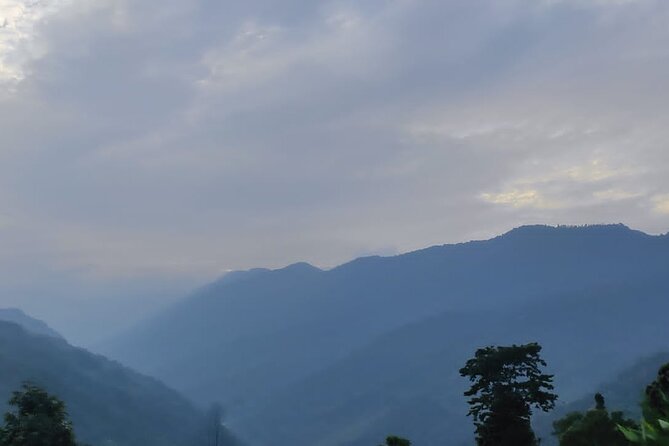
The farm stay is the heart of this experience. You’re above 6,000 ft, tucked near Rinchenpong, in West Sikkim. The farmhouse itself dates to 1833, then remodeled in 1966—which gives it that lived-in, old-hill-home feel, not a brand-new “tourist lodge” vibe.
One of the strongest parts here is that the farm is not decorative. Yangsum Heritage Farm covers about 44 acres and includes a mix of forest types—pine, Himalayan alder, chestnut, magnolia, rhododendrons, cherry, and more. You’ll also see the practical side of mountain farming: maize, paddy, millet, potatoes, ginger, turmeric, and sweet potatoes are grown, plus seasonal vegetables like cauliflower, cabbage, tomatoes, and peas.
I like this approach because it makes the monastery days feel connected. You’re not going from hotel to temple to hotel again. You’re in the same rhythm of the hills—weather, crops, and a slower day structure.
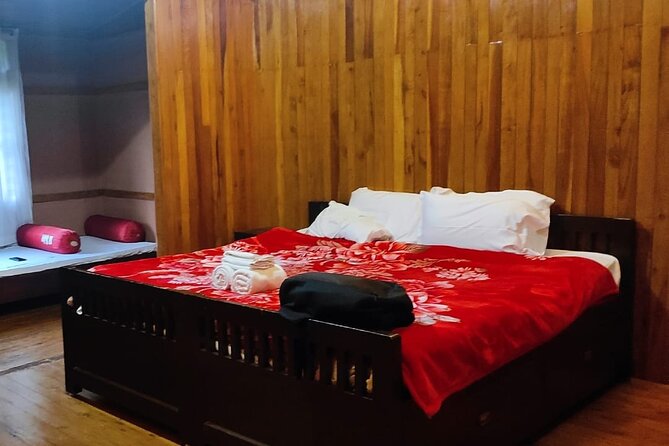
Rooms are described as Tibetan-style rooms, and one of the practical wins from past experiences here is that you can expect basic modern convenience even in a rural setting. People have specifically noted Wi-Fi and phone network connectivity, which helps if you need to upload a photo set or keep maps handy.
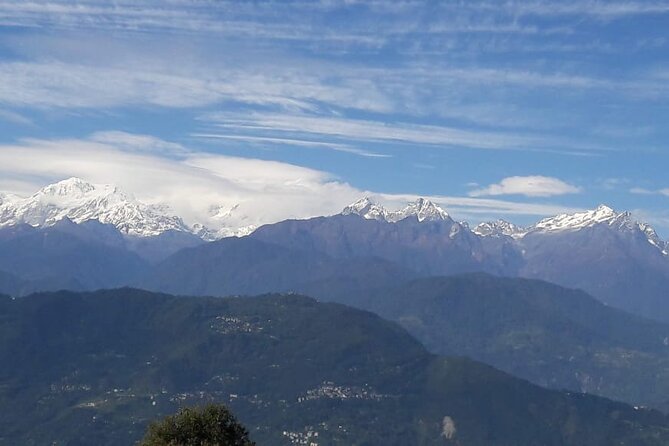
And yes, views are part of the deal. On a good day, you’ll get that Himalayan sweep over the fields and woods around the farm. On a misty day, the charm shifts from panoramic to quiet and close—still scenic, just less postcard.
Day 2 on the farm: what you actually do besides take photos
Day 2 is your farm exploration day at Yangsum Heritage Farm in Yangsum Chingthang. It’s planned as a focused block (about 4 hours), which is ideal for people who like structure but don’t want to be dragged from place to place.
Here’s what stands out about the farm visit, beyond the photo-friendly setting:
- It’s a working organic farm, so you’re seeing agriculture as a living system.
- The environment is diverse, with multiple tree types and mixed forest areas.
- You can spot how seasonal cropping works in a Himalayan climate—especially with the list of plants tied to cultivating season.
This is a good day for slower walking and asking questions. If you’re the type who likes to learn how things are grown (rather than only where to go), you’ll get more out of it.
If you’re expecting entertainment like a theme-park schedule, adjust your mindset. This day is about the pace and the place—real farm life, not performance.
Pemayangtse Monastery: the Nyingmapa stop with real depth
On Day 3, you drive about 90–100 minutes to Pemayangtse Monastery. This is the big monastery anchor on the trip.
Pemayangtse is described as the most important monastery of the Nyingmapa order. It was built in the late seventeenth century by Lama Lhatsum Chenpo, a revered lama connected to the consecration ceremony of the first Chogyal (religious monarch) of Sikkim. That’s the kind of detail that makes the place feel specific, not generic.
When you go inside, plan your time for more than the main hall. The key tip you should follow here: don’t miss the top floor, where there’s a wooden structure depicting Maha Guru’s heavenly palace—Sang-tok-palri. That work is considered a masterpiece created by Late Dungzin Rimpoche.
This matters because the monastery experience isn’t just about big statues. It’s also about how art, architecture, and meaning stack vertically—literally in this case.
The stop is timed at about 1 hour, so I recommend keeping your shopping and photo bursts tight. Save energy for the next part: Rabdentse ruins.
Rabdentse ruins: 2 km through a nature reserve to a former capital
From Pemayangtse, you head to Rabdentse Ruins. Historically, Rabdentse was the second capital of Sikkim, established in the late seventeenth century by the second Chogyal. The palace was abandoned toward the end of the eighteenth century due to threats posed by Nepal, and the capital shifted to Tumlong.
What you do today is a trek of about 2 km from the main road near Pemayangtse, moving through a nature reserve. The reserve is described as a sanctuary for 106 species of birds.
I like this combination because it makes ruins feel alive. You’re not just looking at stones; you’re walking through habitat, with the potential for bird sounds and sightings along the way (though of course, wildlife timing is never guaranteed).
The ruins stop is about 1 hour. It’s enough time to walk in, take in the setting, and absorb the historical context without feeling rushed.
If you’re not comfortable with a moderate walk, this is the one day-moment you should consider most carefully.
Day 4 near Rinchenpong: village life, monasteries, and monks at work
Day 4 shifts from landmark monuments to lived-in hill culture. You’ll visit local villages and Buddhist monasteries around Rinchenpong for about 3 hours.
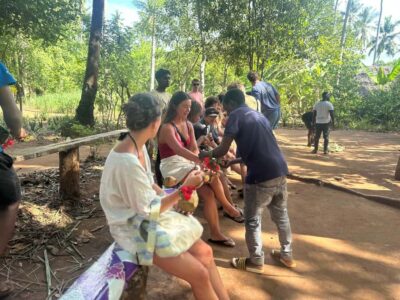
This is the kind of stop that’s hard to fake with an itinerary: you’re meant to watch young monks in lessons and going about daily chores. You can also spin prayer wheels, listen to chanting, and just sit with the quiet hilltop atmosphere.
This is one of the most emotionally satisfying parts of the route, because it’s less about famous architecture and more about everyday spiritual practice—things that continue whether or not a tour bus arrives.
Then at 2:00 pm you depart the farm and check in at a hotel in Siliguri around 6:30 pm. That hotel night is a practical reset before your flight home on Day 5.
If you like having at least one comfortable, city-based night near an airport, this structure helps. If you prefer staying in the hills the whole time, this is the part that might feel like the trip “ends” a bit early.
Day 5 return: Bagdogra to Bangalore without extra drama
On the final day, you leave Bagdogra airport at 9:40 am and arrive back in Bangalore around 12:40 pm. The timing is tight, which is normal for short, structured trips that match flight schedules.
This last day is simple by design. It’s also why it’s best not to over-plan shopping or late activities on the Siliguri evening before—save your energy for the morning transfer.
Price and value: what $885 buys you in the hills
At $885 per person, this trip isn’t cheap. But it’s also not just “a driver and a timetable.” The value comes from the mix of:
- A 5-day itinerary built around one base area in West Sikkim
- A farm stay on a working fully organic farm at high altitude
- Several included sightseeing components, including admission tickets included for Pemayangtse Monastery and Rabdentse Ruins
- Added comfort features like pickup offered, plus group discounts and mobile tickets
- A stated mission to support local employment and nearby businesses
Where the math makes sense for me: you’re paying for logistics in a region where timings and road transfers really affect the quality of a trip. If you try to stitch together monastery visits and a farm stay on your own, it’s easy for the trip to turn into confusing half-days.
Where the cost might feel harder: if you don’t care much about monasteries or you’d rather spend your days solo hiking without structured stops, a guided format may not be your best fit.
Who this farm stay is best for (and who should skip it)
This experience fits you best if:
- You want a genuine farm setting rather than a hotel-only circuit
- You’re excited about Buddhist heritage sites, especially Pemayangtse
- You’re okay with a moderate walk to ruins (about 2 km)
- You like the idea of spending more time in one area—Rinchenpong and West Sikkim—rather than hopping across the state
You might not love it if:
- You dislike early mornings and long road segments (Day 1 is a long travel day)
- You expect the trip to operate like a city break, with minimal altitude and minimal walking
Should you book this Sikkim farm stay?
I’d book it if your dream Sikkim trip includes three things: quiet time at an organic mountain farm, monastery visits that actually teach you something (Pemayangtse’s upper-floor Sang-tok-palri is a standout detail), and village moments near Rinchenpong where daily life and faith share the same space.
I’d pause if you’re only after the famous photo viewpoints and don’t care about the slower rhythm of farm life. And if you’re sensitive to weather risk, remember the itinerary explicitly requires good weather—if conditions are poor, your plan may shift.
If you’re flexible, curious, and ready for a high-altitude cultural break, this one has strong “you’ll remember this” potential.
FAQ
What time does the tour start and how long is it?
The meeting start time is 6:30 am, and the overall duration is listed as 5 days (approximately).
Where does the trip begin from, and how do you travel to Sikkim?
The trip starts in Bangalore. You fly to Bagdogra (Siliguri) and then drive about 4.5 hours to the farm in West Sikkim.
Where is the accommodation during the farm stay?
You stay at Yangsum Farm / Yangsum Heritage Farm in West Sikkim, in Tibetan-style rooms on an organic farm about 6,000 ft above sea level.
What farm activities or environment can I expect on Day 2?
Day 2 focuses on exploring a fully organic 44-acre mountain farm with mixed forests and working cultivation. Crops and seasonal vegetables grown there are part of the experience.
Which monasteries and historical sites are included?
Pemayangtse Monastery and Rabdentse ruins are included. On another day, you also visit local villages and Buddhist monasteries near Rinchenpong.
How long is the drive to Pemayangtse Monastery?
The drive to Pemayangtse Monastery takes about 90–100 minutes.
Is there trekking during the itinerary?
Yes. To reach Rabdentse ruins, you trek about 2 km from near the main road through a nature reserve.
Is admission covered for the monastery and ruins visits?
Admission tickets are indicated as included for Pemayangtse Monastery and Rabdentse ruins.
What happens if the weather is poor?
The experience requires good weather. If it’s canceled due to poor weather, you’re offered a different date or a full refund.
What is the cancellation policy for a full refund?
You can cancel up to 6 days in advance for a full refund. Cut-off is based on the experience’s local time.