REVIEW · VOLOS
Volos: Cook Like a Local at a Greek Farm
Book on GetYourGuide →Operated by Karaiskos Farm · Bookable on GetYourGuide
Farm cooking beats restaurant lessons. At Karaiskos Farm near Portaria, I love the hands-on harvest-and-cook flow and the practical wood-fired cooking lesson, and you’ll eat what you make in the end. One thing to think about: there’s no hotel pickup, so you’ll need your own way to get there.
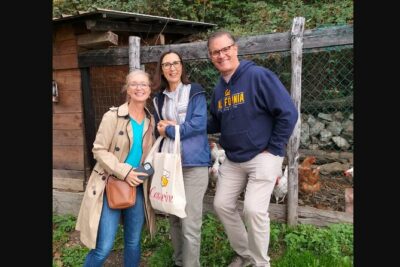
You’ll meet at Karaiskos Farm (about 2 km by car from the center of Portaria) and then walk to the farm’s organic garden to gather ingredients. Expect fresh eggs from the chicken house, herbs from the herb garden, plus vegetables you pick yourself.
The class runs like a friendly half-day: cook in the open kitchen with local guidance, sip tsipouro with a small meze, then sit down to a proper sit-down meal. It’s a private group experience with an instructor who speaks English and Greek, and you’ll leave with a bag of small gifts.
In This Review
- Key things I’d mark on your map
- Karaiskos Farm near Portaria: the setting for Greek cooking
- From garden to plate: harvesting vegetables and fresh eggs
- Wood-fired oven cooking lesson: how locals actually cook
- Tsipouro and small meze: the social rhythm of the class
- The sit-down meal: you eat what you helped make
- Small gift bag at the end: a nice extra from Karaiskos Farm
- Price and Logistics: is $113 worth it for 3.5 hours?
- Who this tour suits best
- Tips to get the most out of your half day on the farm
- Should you book this Volos farm cooking class?
- FAQ
- Where does the experience start?
- How long is the cooking experience?
- What do I do during the class?
- What’s included in the price?
- Is hotel pickup and drop-off provided?
- What languages are spoken during the lesson?
Key things I’d mark on your map
- Harvest ingredients on an organic farm before you cook
- Wood-fired oven cooking lesson in an open kitchen setting
- Fresh eggs and herb garden flavors built into the meal
- Tsipouro plus a small meze to keep it social and relaxed
- Sit-down meal so you can enjoy what you cooked together
- Small gift bag at the end, like a thank-you from the farm
Karaiskos Farm near Portaria: the setting for Greek cooking
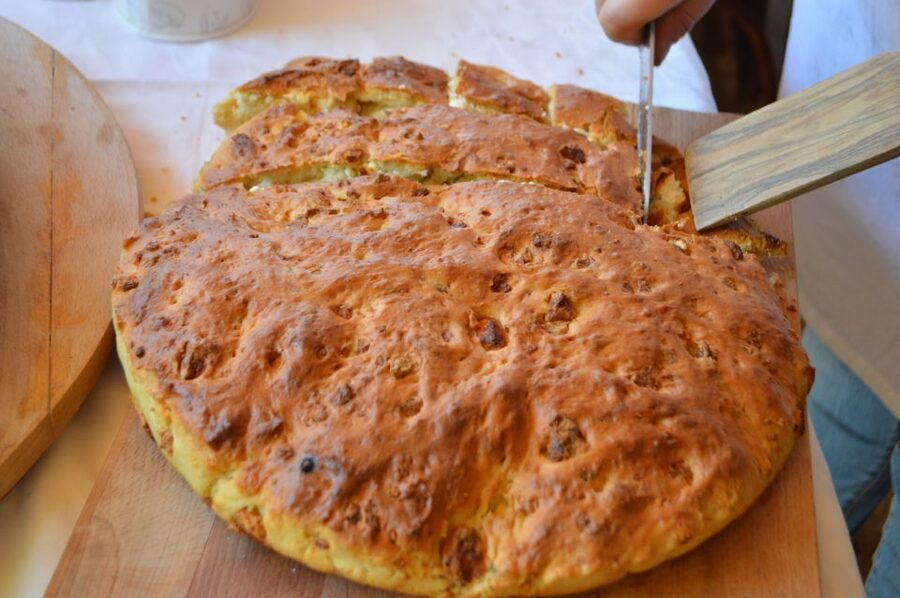
If you’re in the Volos area and you’re tired of “see one cooking thing, then leave,” this gives you the real rhythm of Greek farm food. The experience starts at Karaiskos Farm, a short drive from the center of Portaria. Plan for a bit of walking once you arrive, because you’re meant to move from the farmyard to the kitchen area as part of the day.
I like that the farm isn’t just a backdrop. You’re not touring past plants while someone else cooks. You’re on foot at the garden, collecting ingredients that become your meal. That alone changes the whole vibe. When you pick herbs with your own hands, you pay attention to how they smell when you crush them or chop them later.
This is also a practical win if your schedule is tight. The duration is 3.5 hours, so it’s long enough to do a full cycle—harvest, cook, eat—without eating up your entire day.
From garden to plate: harvesting vegetables and fresh eggs
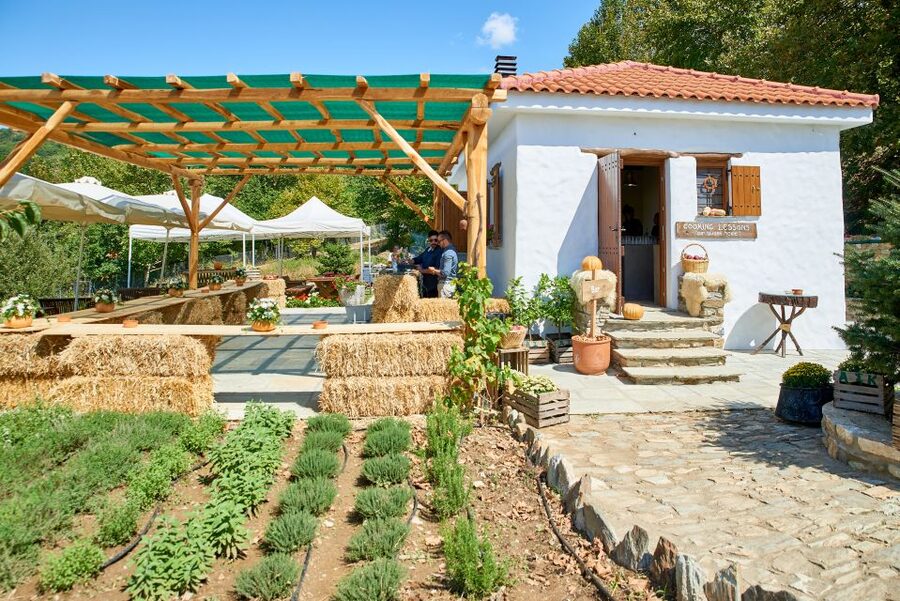
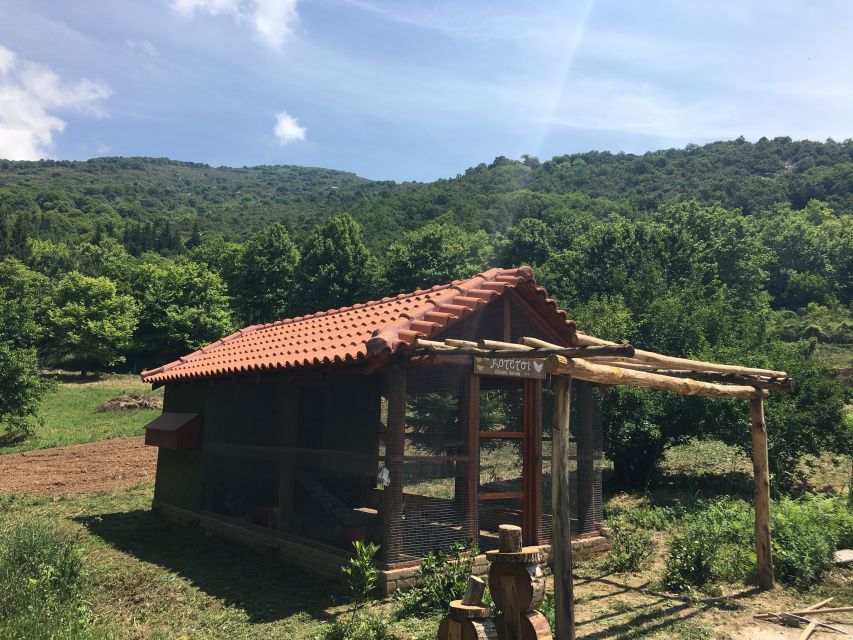
The best part of this type of class is the ingredient moment. You meet, then you walk to the organic garden and start gathering what the meal will be built from. You’ll collect vegetables from the farm’s garden, herbs from the herb garden, and fresh eggs from the chicken house.
That’s three sources of flavor, and they teach you something you can use anywhere in Greece (or at home): Greek cooking often starts with what’s in season and close by. Even without getting technical, you’ll see how herbs change a dish. Eggs add richness and structure. Vegetables bring sweetness and texture that you can’t fake with a supermarket shortcut.
A small note for your comfort: farm chores and walking mean you’ll probably want closed-toe shoes and clothes you’re fine getting a little dirty. The activity is hands-on, and the setting is genuinely agricultural.
Wood-fired oven cooking lesson: how locals actually cook
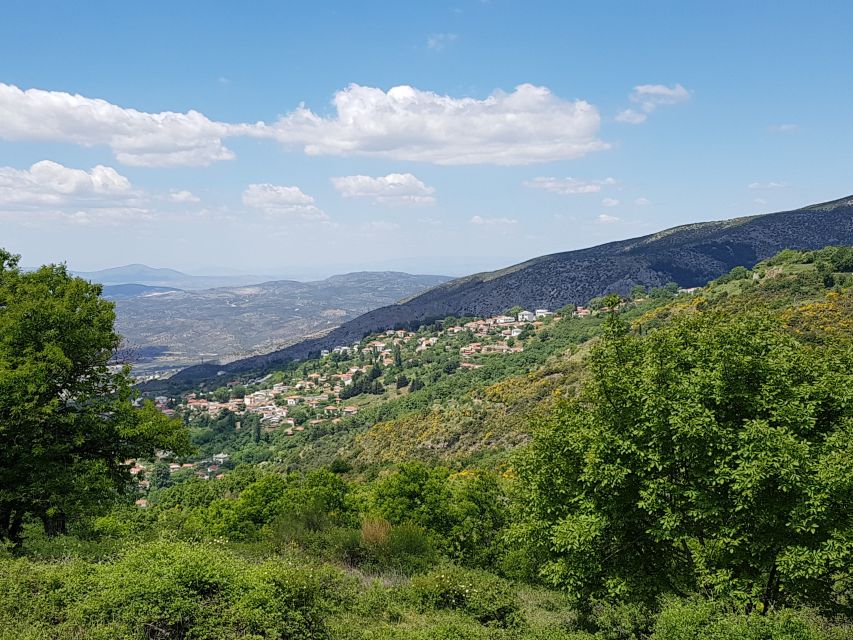
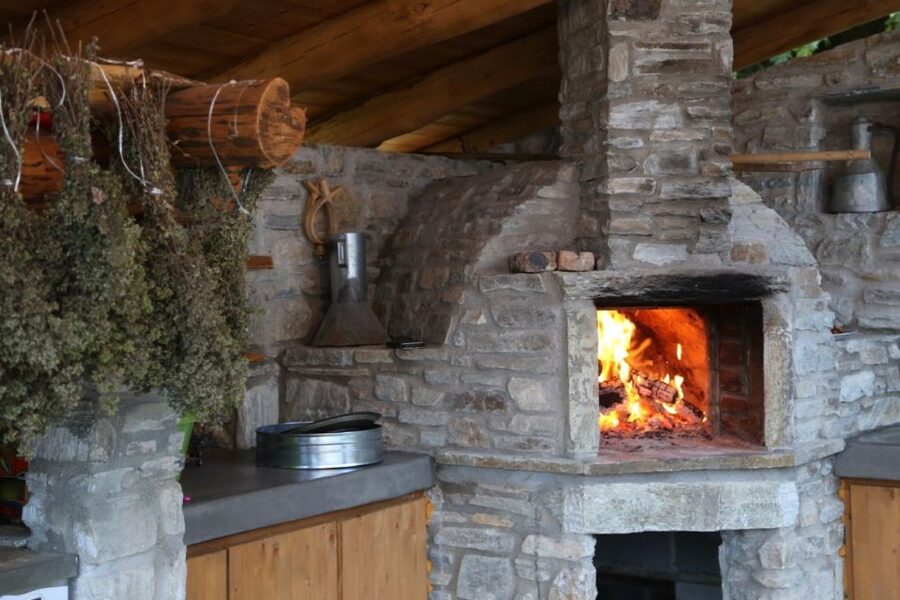
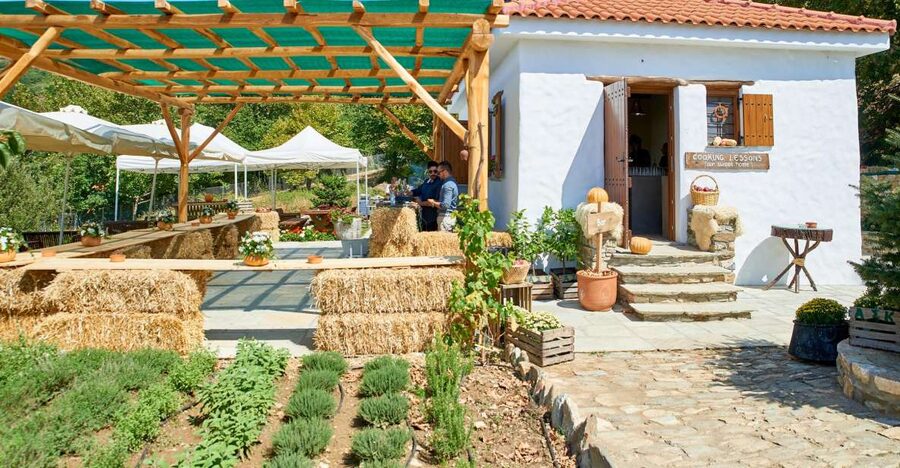
After the harvest, you head to the wood-fired oven in the open kitchen. This is where the experience becomes more than a meal—it turns into a cooking lesson you can remember. You cook local recipes using traditional techniques you’re shown by the hosts.
The wood-fired oven matters. Cooking with it isn’t just about drama. It tends to create strong heat and a distinct flavor profile, and it encourages a more attentive style of cooking. In other words, you’ll likely understand pacing—when things go in, what you watch for, and how to adjust as the oven heats up and cools down.
You’re also learning the hosts’ secrets, not just the steps. That’s the difference between following directions and actually picking up culinary instincts. Even if your final results aren’t identical to theirs, you’ll leave with a clearer sense of how the dish should taste at each stage: salt balance, herb presence, and the feel of the dish as it finishes.
And because it’s a private group, the pace can be friendlier. You get more direct interaction than you would in a big crowd, and that makes it easier to ask questions as you go. The instructor communicates in English and Greek, so you’re not stuck guessing what something means.
Tsipouro and small meze: the social rhythm of the class
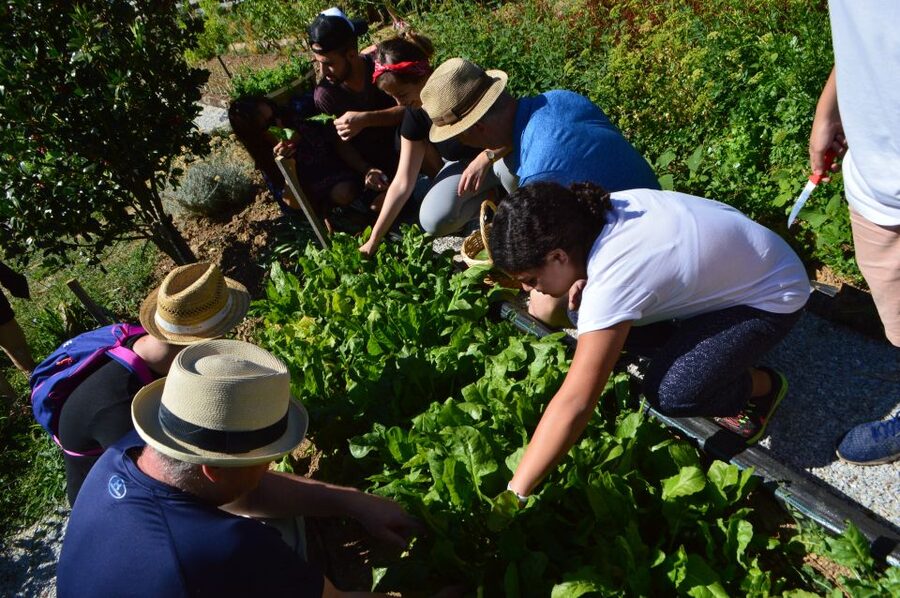
Food lessons that feel stiff are the worst. This one has a built-in social break. Throughout the cooking lesson, you’ll sip tsipouro, a local drink, along with a small meze.
That matters because Greek meals aren’t only about the final plate. They’re also about the time spent together—talking while food cooks, nibbling while conversations happen, and keeping the energy light. Tsipouro plus meze is the “starter course” for the experience itself: it helps you relax, bond with your group, and stay in the moment.
I’d treat this part like a mini cultural moment, not just a free drink. Ask what you’re eating with the meze, and notice how the flavors line up with what you’re cooking. You’ll start tasting more actively instead of waiting for the end.
The sit-down meal: you eat what you helped make
Once the cooking lesson finishes, you set the table and sit down to enjoy what you cooked. This is one of those details that sounds routine but is actually the payoff. A lot of cooking classes end with samples or a quick tasting. Here, it’s a true sit-down meal, so you get to enjoy the whole thing properly.
You’ll also get snacks and drinks included, not just the meal itself. That’s helpful if you’re hungry when you arrive—farm-to-kitchen days can work up an appetite fast.
What makes this satisfying is that your brain already knows what’s in the food. Since you helped gather and cook, you can track the flavor logic. You’ll understand why the herbs were added when they were, why the eggs or vegetables mattered, and how the wood-fired oven influenced the final result.
If you’re the type who remembers the best meals by how they felt—warm, relaxed, shared—this section of the day is where it clicks.
Small gift bag at the end: a nice extra from Karaiskos Farm
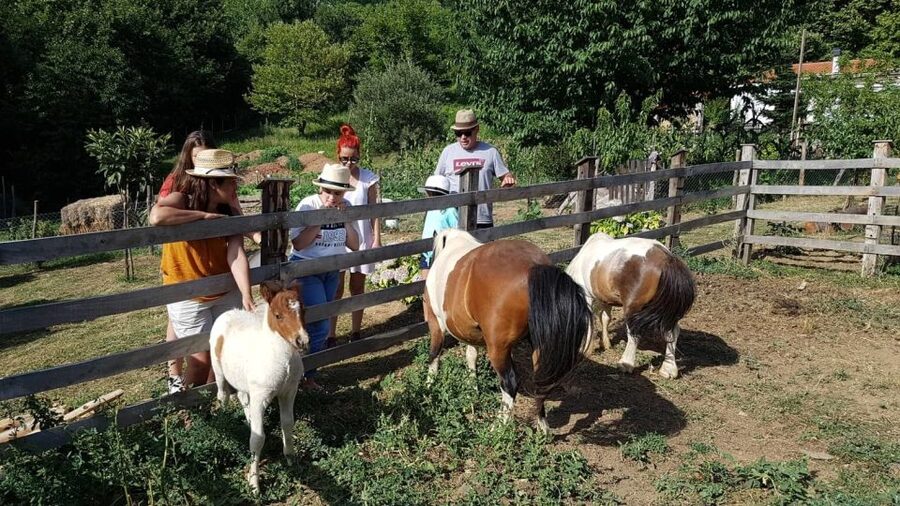
At the conclusion of the tour, you’ll receive a bag with small gifts. It’s not the main reason to go, but it’s the sort of thoughtful touch that makes the experience feel personal. Farm hosts usually rely on word of mouth and repeat visitors, so this kind of thank-you helps you carry the memory home in a practical way.
It also gives you something to look forward to at the end, which keeps the day from feeling like one long “activity.” You end with a little closure, like you were invited, not just scheduled.
Price and Logistics: is $113 worth it for 3.5 hours?
At $113 per person for 3.5 hours, this sits in the mid-range of hands-on food experiences—but it’s easier to judge value once you look at what’s included.
You get:
- A sit-down meal
- Snacks and drinks
- All necessary equipment
- A structured cooking lesson with locals
- The farm ingredient collection (vegetables, herbs, eggs)
The big reason I consider it good value is that you’re paying for more than “cooking.” You’re paying for access: ingredients gathered on site, a wood-fired oven session, and time with hosts who guide you through local techniques. You’re also not doing a rushed tasting. The sit-down meal is part of the package, which helps justify the price.
The main logistics downside is also simple and clear: hotel pickup and drop-off aren’t included. If you’re staying in Portaria (or near it), getting there might be easy. If you’re farther out in the Volos area, you’ll want to plan your transportation ahead so you don’t waste time.
Who this tour suits best
This is ideal if you:
- Want a hands-on cooking experience in Thessaly, not a classroom-only demo
- Enjoy learning how to cook with what’s in season
- Like farm visits where you actually participate
- Prefer a smaller, more personal setting with a private group
It’s also a good fit for couples, friends, or anyone who wants a local-feeling meal without hunting around for cooking classes that may be more theoretical than practical.
Tips to get the most out of your half day on the farm
A few small choices make a noticeable difference in experiences like this:
- Wear closed-toe shoes for the walk to the garden and around farm areas.
- Keep your appetite on. You’ll harvest, cook, then sit down for a proper meal.
- Ask questions during the cooking lesson. If you’re curious about substitutions or technique, this is the time to ask.
- Pace yourself with the tsipouro. It’s meant to go with the day, but you’ll still be active.
If you do those things, you’ll come away with more than a nice meal. You’ll come away with repeatable understanding.
Should you book this Volos farm cooking class?
I think you should book it if you want a local-feeling day with real participation: picking ingredients, cooking in a wood-fired open kitchen, then eating a sit-down meal you helped make. The ingredient harvest plus the hands-on lesson is the kind of combo that makes travel cooking stick in your memory.
Skip it if you don’t want to handle logistics for transportation, since there’s no hotel pickup. Also, if you’re looking for a long, sightseeing-heavy day in multiple locations, this is focused by design. It’s about the farm and the meal, not ticking off a list of stops.
If that matches your mood, this is a strong choice in the Portaria and Thessaly region.
FAQ
Where does the experience start?
You meet at Karaiskos Farm. It’s about 2 km by car from the center of Portaria village, and then you walk to the farm’s organic garden.
How long is the cooking experience?
The duration is 3.5 hours. Starting times depend on availability, so you’ll want to check the schedule when you book.
What do I do during the class?
You collect ingredients in the organic garden, gather fresh eggs and herbs, cook local recipes in the wood-fired oven open kitchen, then set the table and sit down to enjoy your meal.
What’s included in the price?
It includes the sit-down meal, snacks and drinks, and all necessary equipment.
Is hotel pickup and drop-off provided?
No. Hotel pickup and drop-off are not included.
What languages are spoken during the lesson?
The instructor speaks English and Greek.