REVIEW · CATANIA
Catania: Pozzo di Gaspare Farm Guided Tour with Tastings
Book on GetYourGuide →Operated by POZZO DI GASPARE · Bookable on GetYourGuide
This farm well is the star. On this 2-hour guided tour near Catania, I love the hand-dug well carved with lava-stone galleries, and I love the EVO oil tasting that ends the walk with oil, cheeses, and cured meats. The only snag is logistics: transportation to the farm isn’t included, and it’s a few kilometers from central Catania.
If you time it right, this place is extra special. From March to May, you can see the white, fragrant Zagara orange blossoms, plus olive tree flowers and almond blooms, while the guide explains what drives the farm’s seasons and harvests. In the hands of the owner/host Giuseppe, the tour also turns into real talk about tradition, quality, and water use on an Etna-based olive farm.
In This Review
- Key reasons Pozzo di Gaspare works so well
- Pozzo di Gaspare Farm: a working Catania countryside stop
- The hand-dug 18th-century well and lava-stone galleries
- Orchard season matters: Zagara orange blossoms, olives, and almonds
- Etna EVO oil on the ground: from orchards to quality in your cup
- The tasting finale: EVO oil, cheeses, cured meats, and blood orange flavor
- Price and logistics: is $41 for 2 hours fair value?
- Who should book this Catania farm tour, and who might not?
- Should you book Pozzo di Gaspare?
- FAQ
- How long is the Pozzo di Gaspare guided tour?
- Where do I meet for the tour?
- What language is the guide?
- What tastings are included?
- Is transportation to and from the farm included?
- When is the best time to see the flowers?
- What should I bring?
- Is there free cancellation?
- Can I reserve and pay later?
- What’s special about the farm’s well?
Key reasons Pozzo di Gaspare works so well
- A hand-dug, 20-meter well: the original late-1700s water system that still functions today
- Spring orchard viewing: Zagara orange blossoms, olive flowers, and white almond blooms (March–May)
- Etna EVO oil on-site: you learn about the farm’s extra virgin olive oil from the orchards to the glass
- Food you can actually taste: EVO oil plus cheeses and cured meats at the end of the tour
- Owner-led storytelling: Giuseppe’s explanations connect farming choices to flavor and quality
Pozzo di Gaspare Farm: a working Catania countryside stop
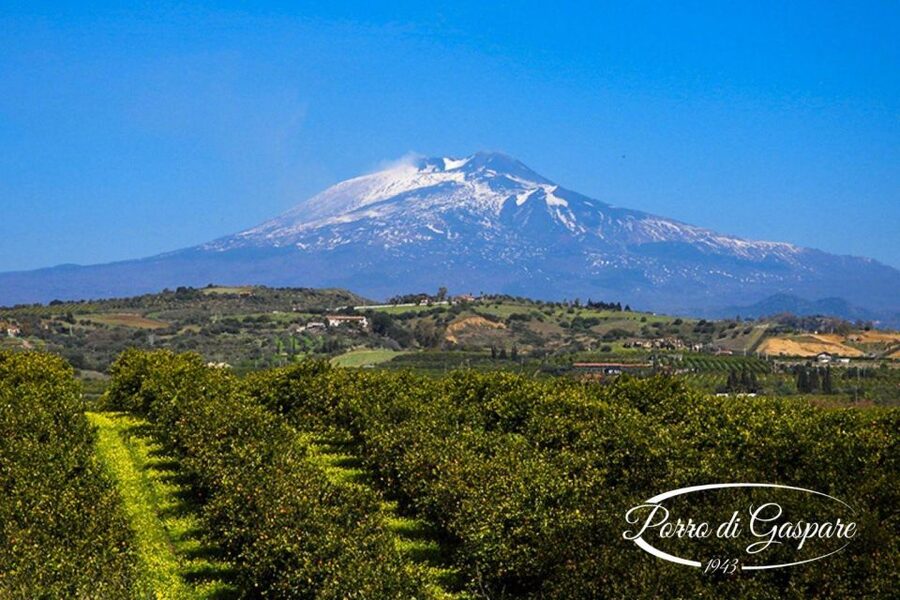
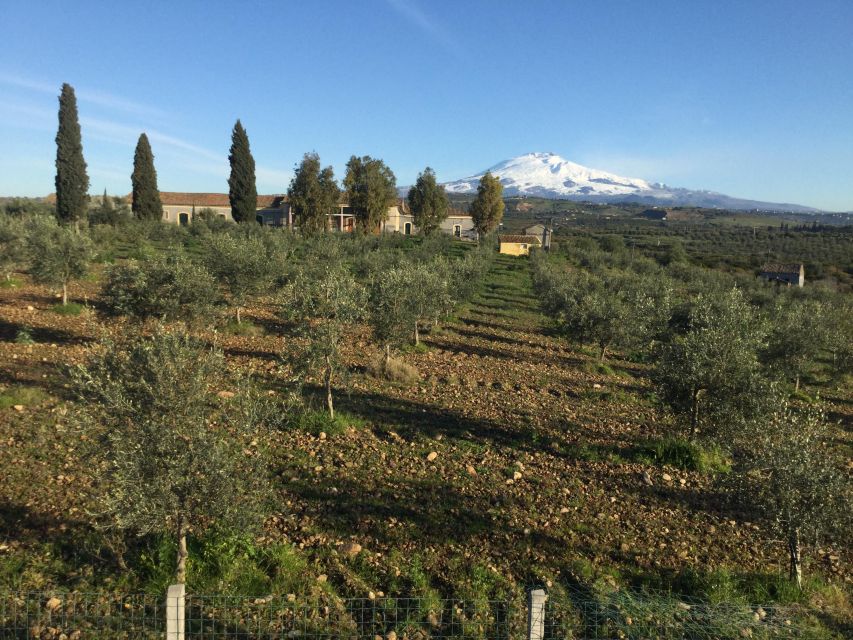
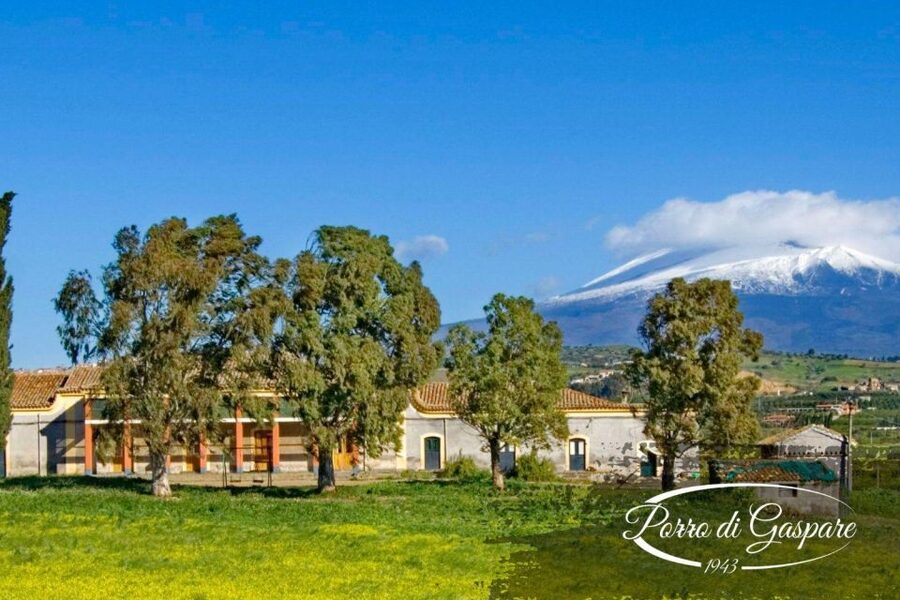
Pozzo di Gaspare sits on the Catania plain, in the territory of Motta S. Anastasia—an area tied to the Sicilian countryside rather than the tourist-strip version of it. The farm is family-run for over 80 years and covers 42 hectares, growing three main products: extra virgin olive oil from Etna, blood oranges, and almonds. Since 1943, the operation has focused on producing these items as a real, ongoing business, not just a hobby.
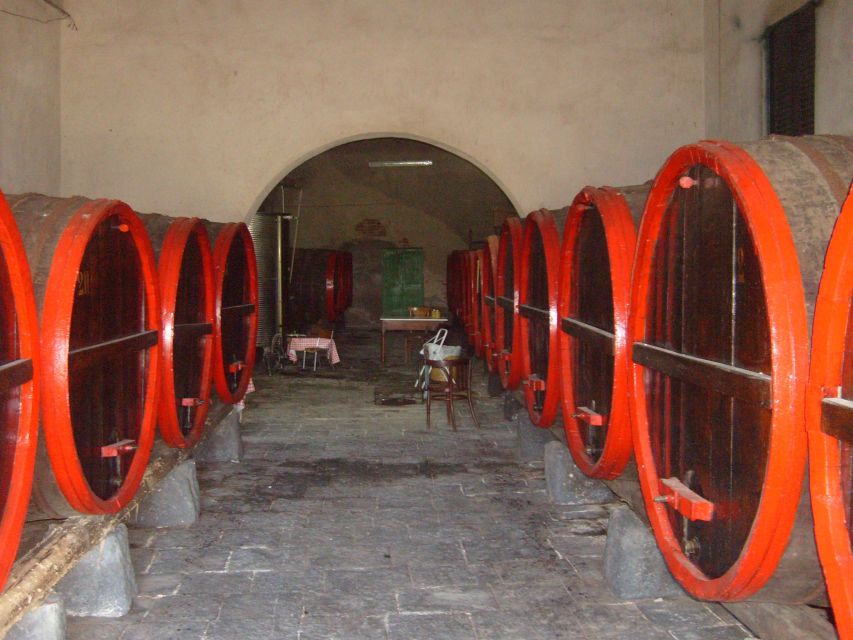
One detail I appreciate: even the property name comes from something practical. Pozzo di Gaspare refers to an ancient well on the land—still present and functioning—that was hand-dug at the end of the 18th century to supply water to an adjacent farmhouse (also from the 18th century). That means your walk isn’t just about fruit and trees. It’s about how farming survives day-to-day.
The tour itself is straightforward: you meet at the entrance gate, follow the guide through the farm’s spaces, and learn how the crops move from growth stages to harvesting. Then you finish with a tasting focused on the farm’s EVO oil and local foods like cheeses and cured meats. It’s English, live-guided, and timed at about 2 hours, so it fits well if you want something more meaningful than a quick photo stop.
You can also read our reviews of more tours and experiences in Catania.
The hand-dug 18th-century well and lava-stone galleries
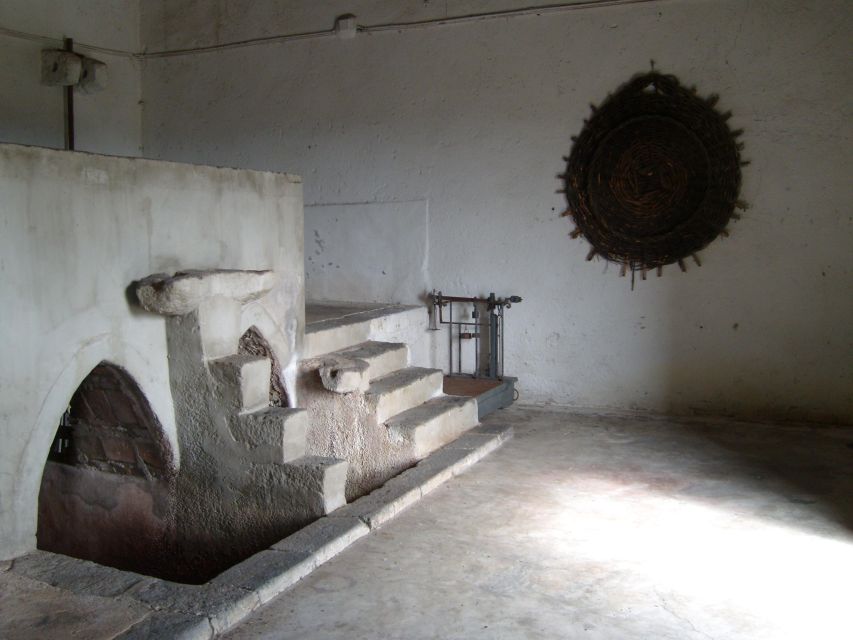
The tour’s big anchor is the farm’s well. This is not a decorative prop. It was dug by hand at the end of the 18th century, reaching about 20 meters deep, and it includes lava stone galleries inside. The builder is tied to the name Gaspare, and the well was designed to serve water needs for the farmhouse beside it.
Why does this matter to you? Because in Sicily, water is never an abstract concept. When you see the engineering and understand what it solved, everything about orchard farming becomes more believable: irrigation planning, the timing of care, and the push to avoid waste.
In the same spirit, you’ll hear how older water systems relate to newer approaches. The guide points out historic irrigation methods and also talks about modern techniques used to minimize water loss. You may also hear about future ideas around solar energy. Even if you’re not a farming nerd, it helps you connect the dots between daily choices and the quality of what ends up in your glass and on your plate.
Also, because this is a farm visit, the area around the well and path routes can be uneven. I recommend wearing comfortable shoes—not for style points, but so you can keep your footing while listening closely.
Orchard season matters: Zagara orange blossoms, olives, and almonds
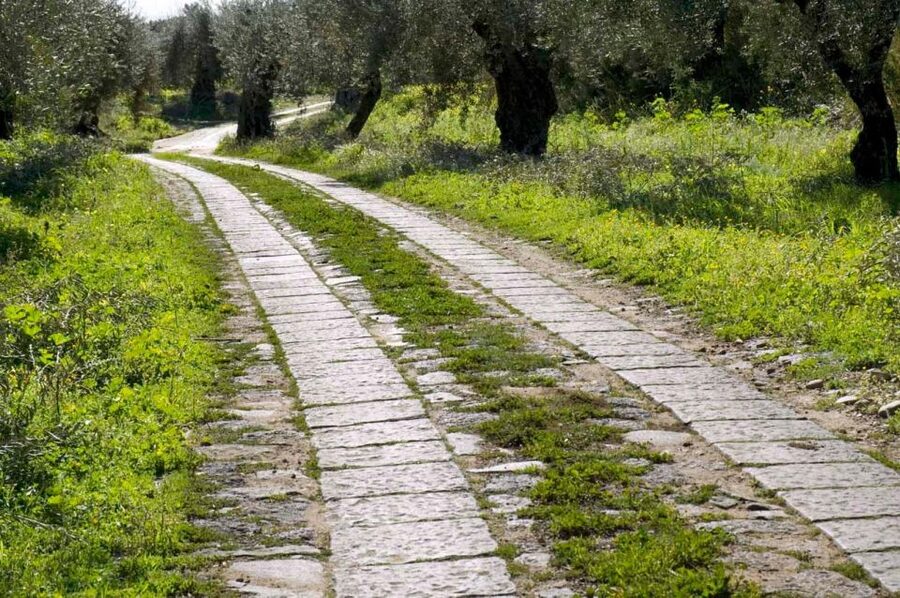
If you visit during the right window, this tour becomes sensory. From March to May, you can observe the flowering stages that start the story before fruit shows up later.
Here’s what you’re meant to watch for:
- Zagara (orange blossoms): white and fragrant, typically shining in that spring season
- Olive tree flowers: part of the cycle behind Etna EVO oil
- Almond blossoms: also white, with a crisp seasonal look
This is where the tour earns its keep. Instead of giving you a generic overview of agriculture, the guide walks you through the farm as a living timeline. Flowering isn’t just pretty. It’s where you learn that a harvest depends on patience, timing, and the right conditions.
One nice payoff from the owner/host’s communication style: you don’t feel rushed. In the experiences shared around Giuseppe’s tours, the explanations stick because they’re built around real processes—how the trees develop, what challenges can show up, and how tradition gets managed without letting quality slip.
If you’re traveling in February or late fall, the farm may feel quieter—still interesting, but you won’t get the full visual impact of spring bloom. For best results, aim for that March–May window.
Etna EVO oil on the ground: from orchards to quality in your cup
The star crop for many people is the olive oil. Pozzo di Gaspare produces extra virgin olive oil from Etna, grown in the same volcanic context that makes Sicilian agriculture distinctive. What I like about the tour is that it treats EVO oil as the product of choices across the whole season—not just a final step.
You’ll hear how the guide links orchard practices and seasonal management to the final oil quality. That includes the water side of things, since orchards and olive trees have to manage drought pressures. The farm’s approach is described as both traditional and forward-looking: historic systems where relevant, plus newer methods intended to reduce water waste.
You also get a sense of scale. The farm is 42 hectares, so you’re not looking at a backyard display. You’re seeing how a working operation handles production as a long-term project. That perspective makes the tasting at the end feel earned.
Then there’s the practical bonus: the tasting isn’t limited to sipping oil like it’s a museum exhibit. You get to taste the farm’s EVO oil alongside local foods, which helps you understand how olive oil fits into Sicilian flavors rather than floating in isolation. And if you end up loving what you taste, you’ll have a chance to bring some home—some tours include buying olive oil on-site, dispensed from the farm’s supplies into refill containers.
The tasting finale: EVO oil, cheeses, cured meats, and blood orange flavor
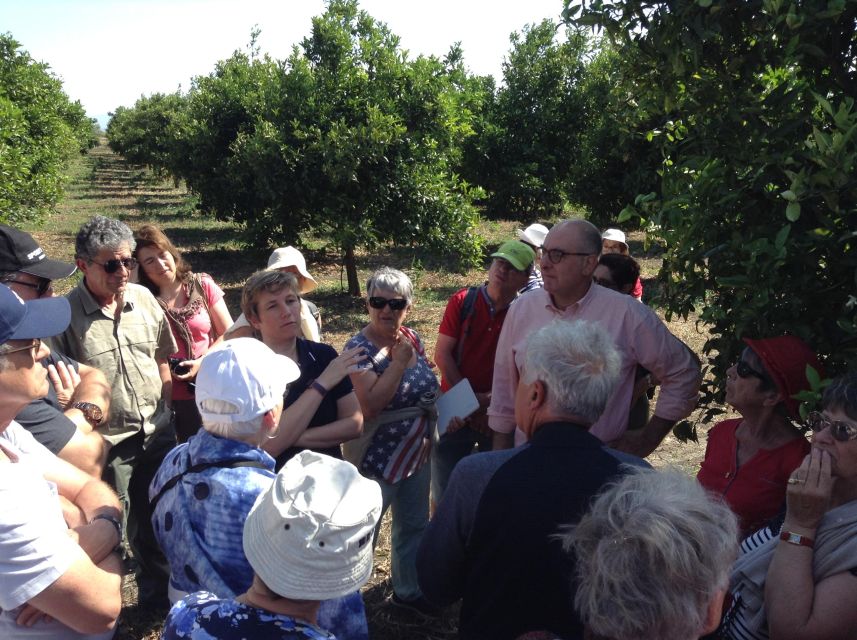
Most food tours promise tastings. This one pairs tastings with context, which changes how the flavors land. After the walk, you get a tasting centered on the EVO oil produced on the farm, plus local cheeses and cured meats.
In practice, the tasting often feels more like a light Sicilian meal than a tiny sample. You can expect combinations that highlight how the farm’s products talk to each other—oil plus bread, olives, and Sicilian-style uses of citrus. Many people remember a blood orange salad as a highlight, along with crunchy bread and simple add-ons like salt, pepper, and dried oregano paired with oil.
Cheese plays a role too. You may see a mix that includes smoked cheese paired with bitter orange elements, which makes the blood orange theme extend beyond just one dish. That’s one of the strongest points of this farm: the tasting isn’t random. It’s shaped like the farm’s own product lineup.
If you’re wondering about belly timing: this is close to a meal finish for 2 hours of walking. I’d plan to keep your next stop easy. You’re likely to leave fed, not just “briefly sampled.”
Price and logistics: is $41 for 2 hours fair value?
At $41 per person for a 2-hour guided farm tour with tastings, the value depends on what you’re trying to get out of your Sicily time.
Here’s why I think it’s good value for the right match:
- You’re paying for more than a walk. You get the guided orchard story, the viewing of the ancient well and farmhouse, and the EVO oil tasting with local cheeses and cured meats.
- It’s an owner-led format in English, which usually means more back-and-forth and more meaning per minute than a quick group shuffle.
- You also get a chance to buy the farm’s EVO oil afterward, which turns the experience into a souvenir you’ll actually use.
Where the price can feel less satisfying: if you’re traveling with zero interest in oil, citrus, or almonds, the tasting portion won’t land the way it does for food-focused people.
Logistics are the other real factor. Transportation isn’t included, and the farm is a few kilometers from Catania (also a bit from the airport). I’d plan ahead:
- If you drive, it’s simple: you meet at the entrance gate and head straight into the farm.
- If you don’t drive, think taxi or pre-arranged ride time so you’re not stressed at the start.
Who should book this Catania farm tour, and who might not?
This is a strong pick for:
- Food lovers who want the “why” behind EVO oil, not just the taste
- People interested in Sicilian agriculture—especially Etna olive farming and how orchards work through seasons
- Families looking for something grounded in real life, where kids can see trees and spring flowers instead of only streets and statues
- Anyone who likes a warm, talky host style. Giuseppe’s energy and explanations are repeatedly what people remember most.
It may not be ideal if:
- You want a fully indoor, climate-controlled experience. This is an outdoor working farm.
- You have trouble walking on uneven ground. Bring comfortable shoes because lava-stone paths and farm surfaces can be unpredictable.
If you’re visiting Catania for a short stay and want one “real Sicily” block of time, this checks a lot of boxes. It also pairs nicely with a broader day plan focused on Etna flavors or citrus shopping.
Should you book Pozzo di Gaspare?
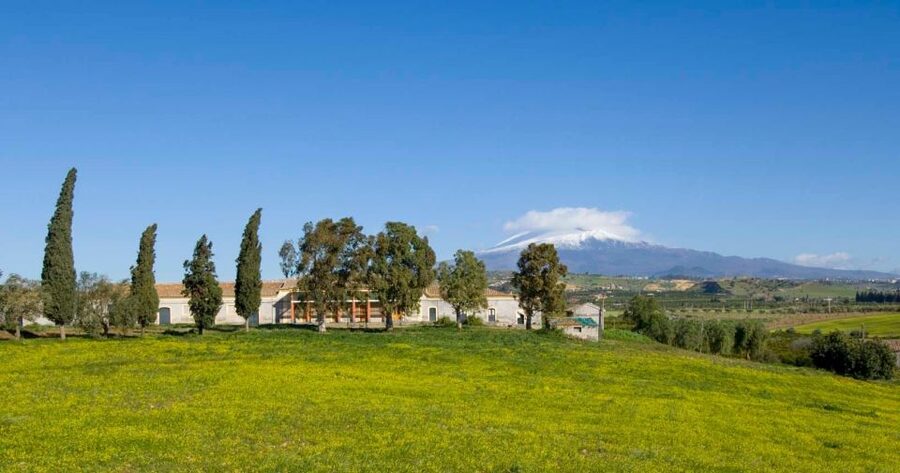
If your idea of a great Catania day includes EVO oil you can trace back to real orchards, a spring visit for blossoms, and a tasting that feels like Sicily—not a generic snack—then yes, I’d book it.
The best time is March to May when Zagara orange blossoms, olive flowers, and almond blooms are part of the experience. If you go then, you’ll leave with photos, stories, and a food memory that sticks.
Just do one thing for smooth success: plan your ride in advance, and wear shoes that can handle a farm walk. The rest is the kind of simple, satisfying Sicily that’s hard to fake.
FAQ
How long is the Pozzo di Gaspare guided tour?
The tour lasts about 2 hours.
Where do I meet for the tour?
Meet at the entrance gate to the farm.
What language is the guide?
The tour has a live guide in English.
What tastings are included?
You’ll taste the farm’s EVO oil, plus local cheeses and cured meats.
Is transportation to and from the farm included?
No. Transportation is not included.
When is the best time to see the flowers?
March through May is the best time, when you can see Zagara orange blossoms, olive flowers, and almond blooms.
What should I bring?
Bring comfortable shoes, a hat, a camera, and sunscreen.
Is there free cancellation?
Yes, you can cancel up to 24 hours in advance for a full refund.
Can I reserve and pay later?
Yes, you can reserve now and pay later.
What’s special about the farm’s well?
The name Pozzo di Gaspare comes from an ancient well on the property, dug by hand at the end of the 18th century. It’s about 20 meters deep and includes lava stone galleries, and it still functions today.