REVIEW · LA FORTUNA
Chocolate and Farm Tour with local Tico family
Book on Viator →Operated by Chocolate and Farm Tour · Bookable on Viator
Cacao starts as a flower, then turns into art. This small-group Chocolate and Farm Tour near La Fortuna is built around a real cacao plantation plus time with a Tico family, with a focus on what cacao becomes and why it matters here. You’ll be dropped into a hands-on, two-hour rhythm that includes tasting cacao fruit and making (and drinking) cacao preparations, not just watching from the sidelines.
small-group travel keeps it personal, and fresh cacao keeps it grounded.
I love the plantation walk and the chance to taste raw cacao fruit right where it grows. I also like the clear mix of cacao traditions: you’ll try an older, indigenous-style cacao drink and then a sweeter, more modern hot-chocolate style using fresh ingredients. One possible drawback: the tour includes chocolate bar molding, but if that’s your top goal, ask ahead how much time will be set aside for hands-on bar-making so you’re not left feeling shorted.
In This Review
- Key things you’ll notice on this tour
- Cacao Meets Coffee: What This Tour Is Really About
- Getting There From La Fortuna Without Making It Complicated
- The Plantation Walk: From Flower to the Fruit You’ll Taste
- Tasting Raw Cacao Fruit and Local Farm Flavors
- Ancient Cacao Drinks vs. Modern Hot Chocolate
- Hands-On Chocolate Bar Molding (And How to Plan for It)
- Organic Farm Details You’ll Actually Talk About
- What the Price Includes—and Why $45 Can Make Sense
- Group Size, Language, and the Pace You’ll Want
- Who Should Book This Tour in La Fortuna
- Should You Book This Chocolate and Farm Tour?
- FAQ
- How long is the Chocolate and Farm Tour?
- Where do I meet the guide for this tour near La Fortuna?
- What is the price of the tour?
- What happens on the tour?
- How big is the group?
- Is cancellation free if plans change?
Key things you’ll notice on this tour
- A real family farm feel: you’re learning from a Tico household and their day-to-day growing practices
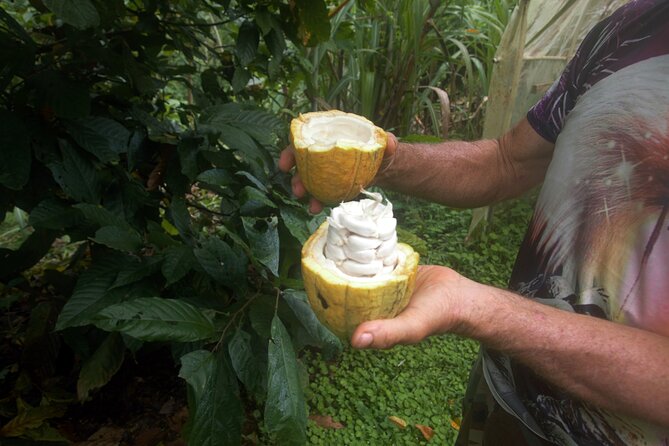
- Fresh fruit, not just finished chocolate: you’ll see how cacao turns from flower to fruit and taste what’s harvested
- Two drink styles, side by side: traditional cacao drinks plus a sweeter hot-chocolate approach
- Hands-on participation: everyone gets involved with tasting and chocolate-making steps
- Small group (max 12): easier conversations, more personal attention, less waiting around
- Organic farming details: you may hear about organic methods for things like fungus control
Cacao Meets Coffee: What This Tour Is Really About
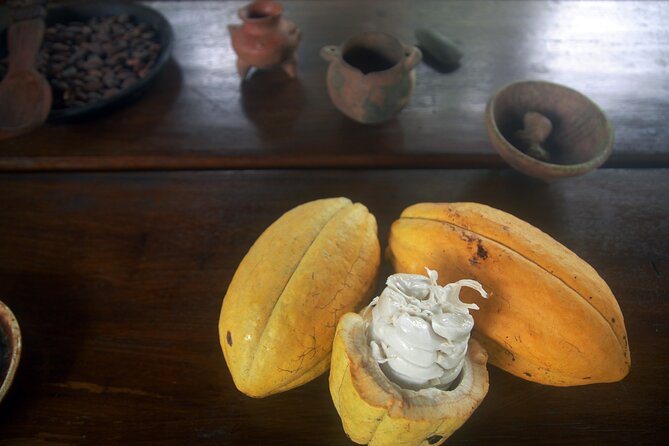
This isn’t a museum-style chocolate lesson. It’s a farm visit where cacao is treated as a living crop, grown alongside other things you can eat and notice in the fields. The family ties it together with local knowledge—how cacao grows, how it’s used, and how traditional cacao drinks differ from the hot chocolate you’re probably used to.
You also get an extra layer beyond chocolate: the guide explains cacao’s sacred and medicinal properties as they understand them in the local context. Even if you’re not looking for a wellness story, it gives you something useful to compare—how cacao is viewed here versus how it’s often sold elsewhere.
The best part for most people: you get a full arc in about two hours. You start with the plantation and fruit, move into drinks, then end with chocolate bars you can take along.
You can also read our reviews of more tours and experiences in La Fortuna.
Getting There From La Fortuna Without Making It Complicated
The meeting setup is straightforward: you meet your guide about 25 minutes outside La Fortuna. The start point is listed as Finca La Esperanza: Coffee and Chocolate Tour, at Cabaña Blue Jeans, San Juan, Provincia de Alajuela, San Isidro, Costa Rica. The activity ends back at the same meeting point, so you don’t have to figure out a second pickup.
It’s a mobile-ticket experience, so you’ll want your phone ready. Also, the group stays small—up to 12 travelers—which matters because it helps the guide keep the pace moving while still answering questions.
If your La Fortuna day is already packed, this tour is helpful because the rest of your day stays open. You’re done in time to do something else on your own rather than being stuck on a long schedule.
The Plantation Walk: From Flower to the Fruit You’ll Taste
You’ll walk through the cacao plantation with the goal of harvesting and tasting fresh cacao fruit. The tour is built around the idea that cacao growth is surprising: people often expect chocolate to start as a bar, but cacao starts as a tiny flower that develops into fruit.
While you’re walking, you’ll also learn what else the family grows on their farm. That’s more than filler. It helps you understand cacao as part of a broader system, not just a single crop the family happens to plant.
Practical note: plantation walks usually reward the basics—closed-toe shoes and a relaxed pace. You’re on farm ground, not a paved walkway.
Tasting Raw Cacao Fruit and Local Farm Flavors
One of the most memorable parts is the tasting. You don’t just get a sweet sample—you get to try raw cacao fruit sourced from the plantation. It’s a very different sensory experience than chocolate candy, and it helps you understand why cacao is processed the way it is.
The tour also includes time for local fruit. This is one of those small details that makes the whole thing feel more real. When you’re standing in a working farm, tasting whatever the family offers from their own growing areas feels natural instead of staged.
And because the tour is interactive, you’re not just passing through tasting stations. You get pulled into the process, which makes it easier to remember what you learned after the tour ends.
Ancient Cacao Drinks vs. Modern Hot Chocolate
This is where the tour really earns its name.
You’ll prepare and drink cacao in two styles:
- A traditional, older-style cacao drink approach connected to indigenous preparation methods
- A sweet hot chocolate style made with fresh ingredients, closer to what most people think of as hot chocolate
The guide walks you through the differences and why they matter. It’s not just a flavor comparison. You learn how cacao drinks are prepared differently depending on the cultural goal—balance, connection with nature, and a ritual-style approach versus a sweeter, chocolate-forward drink.
Even if you’re picky about drinks, you’re likely to find at least one style that clicks. The traditional option can taste earthy and less “dessert-like.” The sweet hot chocolate is the comfort-food bridge that brings things back to familiar territory.
Hands-On Chocolate Bar Molding (And How to Plan for It)
The tour ends with a cacao-based chocolate bar activity. You’ll mold chocolate bars using cacao from the family’s own supply, and toppings are available so you can personalize your bar and show off your new chocolatier skills.
That said, one practical consideration: bar molding seems to be part of the experience, but the exact level of hands-on time can vary. If you care a lot about getting to do every step yourself—especially the bar-molding portion—ask when you book how the steps will be paced for your group size and timing.
The upside is that the tour is designed to be participative. The intent is that everyone gets a role, not just one person making things while the rest watch.
Organic Farm Details You’ll Actually Talk About
A big part of the “why this works” feeling is that the family’s farm practices come through. One of the standout themes you may notice is an organic approach, including how they manage fungus using organic methods.
Even if you don’t go home with a science notebook, those farm-logic details do something helpful: they explain that cacao is not a set-and-forget crop. It’s managed. It’s protected. It’s grown with attention.
And when you connect those practical details to what you taste later, the flavors feel more intentional. This is one of those rare tours where the teaching and the tasting aren’t separated by a wall.
What the Price Includes—and Why $45 Can Make Sense
At $45 for about 2 hours, the value comes from the number of different “moments” packed into the time:
- A guided plantation experience with tasting of fresh cacao fruit
- Local fruit included during the farm walk
- Cacao drink preparation in both traditional and sweet styles
- A final chocolate bar-making step with toppings available
- Small-group interaction that keeps the experience from turning into a production line
So you’re not paying only for a chocolate sample. You’re paying for guided learning plus multiple tastings plus hands-on making.
If you’re comparing to tours that focus on a single chocolate tasting at a storefront, this one tends to feel more complete because it includes the living source—the plantation itself—and the process steps that lead from fruit to drink to bar.
Group Size, Language, and the Pace You’ll Want
The tour caps at 12 travelers, which I consider the sweet spot for this kind of experience. Too-large groups can kill conversation and slow the hands-on steps. Here, the size supports questions, quick checks-in, and a more natural flow.
English is used for the tour. That matters if you want to understand the cacao explanations without guessing. The guide’s job is to translate cacao’s importance into something you can taste and talk about.
In terms of pace, plan for an active, walking-and-tasting format. You’ll be out there long enough to learn and participate, but short enough that you’re free for the rest of your day in La Fortuna afterward.
Who Should Book This Tour in La Fortuna
This fits best if you want your La Fortuna day to include culture tied to real food production. I’d especially recommend it if:
- You like small-group tours where you can ask questions
- You want to go beyond chocolate candy and learn how cacao is used here
- You’re curious about traditional cacao drinks and not just the sweet stuff
- You enjoy hands-on activities more than passive tastings
- You’d rather spend time with a farm family than in a crowded, one-size-fits-all stop
It may not be the best match if you’re only interested in finished chocolate and want zero involvement in preparation or tasting. This tour is about process as much as product.
Should You Book This Chocolate and Farm Tour?
Yes, if you want a two-hour cacao experience that feels local and hands-on rather than tour-bus manufactured. The biggest reason to book is the combination: plantation walk plus fresh cacao tasting plus two cacao-drink styles plus chocolate bar-making.
Before you go, decide what matters most to you. If you’re most excited about chocolate bars, confirm the bar-molding time when you book. If you’re more interested in the farm and drinks, you’re in the right place—the tour’s structure is built around those moments.
FAQ
How long is the Chocolate and Farm Tour?
It runs for about 2 hours (approx.).
Where do I meet the guide for this tour near La Fortuna?
You meet at Finca La Esperanza: Coffee and Chocolate Tour, Cabaña Blue Jeans, San Juan, Provincia de Alajuela, San Isidro. The guide meets you about 25 minutes outside La Fortuna.
What is the price of the tour?
The price is $45.
What happens on the tour?
You’ll tour the cacao plantation, harvest and taste fresh cacao fruit, try local fruit, prepare and drink cacao drinks (including both traditional-style and sweet hot chocolate), and mold cacao chocolate bars with toppings available.
How big is the group?
The tour has a maximum of 12 travelers.
Is cancellation free if plans change?
Yes. Free cancellation is available up to 24 hours in advance for a full refund.