REVIEW · LA FORTUNA
Costa Rica Descents Organic Farm
Book on Viator →Operated by Costa Rica Descents · Bookable on Viator
Farm life has a way of resetting your brain. In La Fortuna, the Costa Rica Descents Organic Farm tour shows you how an organic operation works day to day, from seasonality in the fields to traditional plant knowledge. I especially like the small-group feel (max 15) and the fact that you leave with a real Costa Rican lunch plus coffee/tea.
There’s one catch to keep in mind: the whole experience is about 1 hour, so it’s best if you want an efficient, friendly introduction rather than a full-day immersion.
In This Review
- Key Points You’ll Care About Before You Go
- Why This 1-Hour Organic Farm Tour Works in La Fortuna
- Getting to Costa Rica Descents and Starting at 10:00
- What Happens at the Organic Farm Stop (Seasonality + How Food Moves)
- Medicinal Plants: Traditional Knowledge Since Prehistory
- Lunch With Coffee/Tea: Eating Like a Local (Not Just Watching)
- Guide Energy Matters: What People Mention (Chamo, Andres, Pablo, Cris, Werner, Manuel)
- Practical Prep: What to Wear and How to Make It Easier
- Who This Tour Is Best For (and Who Might Want Something Longer)
- Is the Price Good Value at $58.67?
- Should You Book Costa Rica Descents Organic Farm?
- FAQ
- What is the duration of the Costa Rica Descents Organic Farm tour?
- Where does the tour take place?
- What time does the tour start?
- How much does it cost per person?
- What’s included in the price?
- How big is the group?
- Is the tour suitable for all ages?
- Can I cancel for a full refund?
Key Points You’ll Care About Before You Go
- Seasonal farming explained in plain language: you’ll learn what crops grow when and how food gets distributed.
- Medicinal plants with real cultural context: the tour covers traditional medicine and why plants make lots of chemical compounds.
- Small-group attention: max 15 travelers means more time for questions and fewer people blocking the view.
- Included lunch with coffee/tea: you’re not just watching farming—you’re eating what the day is about.
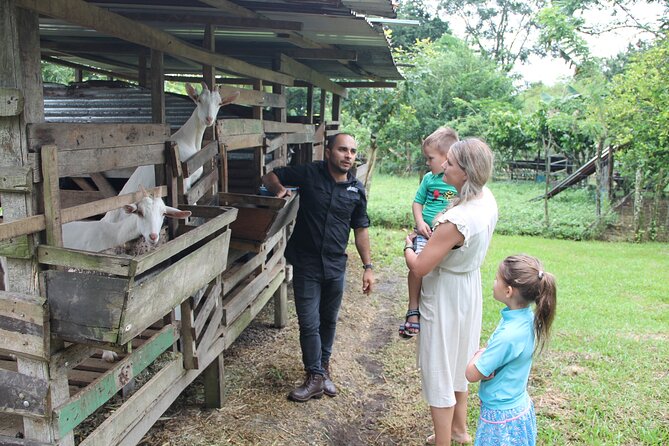
- You’ll likely get hands-on moments with farm life: animal time, like meeting and petting baby goats, shows up in day-to-day experiences.
Why This 1-Hour Organic Farm Tour Works in La Fortuna
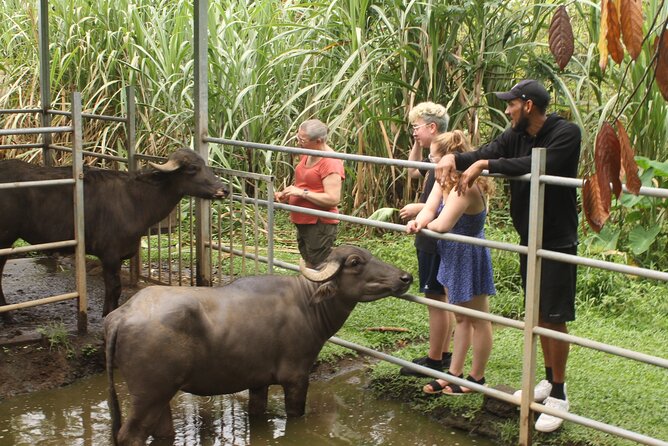
La Fortuna is famous for big-name nature trips. This one is different. Instead of chasing volcano views for hours, you get a fast, focused look at how food and plant knowledge function right where you’re standing.
I like that the pacing is tight. About an hour is long enough to learn how organic farming works and sit down for lunch, but short enough that it won’t wreck your day plan. It also keeps the experience practical: you leave with ideas you can use when you’re shopping for fruit, talking about sustainability, or trying to understand why certain ingredients taste so good here.
Also, the guide-led format matters. You’re not stuck reading a sign and moving on. You get a nature guide who explains the “why” behind what you see—seasonality, distribution, and traditional plant uses.
The downside is simple: if you’re hoping for a long, wandering farm day with lots of hands-in-the-soil time, this probably won’t feel long enough. But if you want a smart, friendly taste of farm life, it’s a very workable choice.
You can also read our reviews of more tours and experiences in La Fortuna.
Getting to Costa Rica Descents and Starting at 10:00
The tour starts at the Costa Rica Descents Adventure Company on Via 702 in La Fortuna (Provincia de Alajuela). The start time is 10:00 am, and the activity ends back at the meeting point.
Because the tour is only about an hour, timing is important. I’d plan to arrive a little early so you can get oriented, use the restroom if you need to, and settle before the guide starts.
If you’re combining this with other La Fortuna activities, it also helps that you’re back where you started. That reduces the hassle of figuring out transport after you’re done.
What Happens at the Organic Farm Stop (Seasonality + How Food Moves)
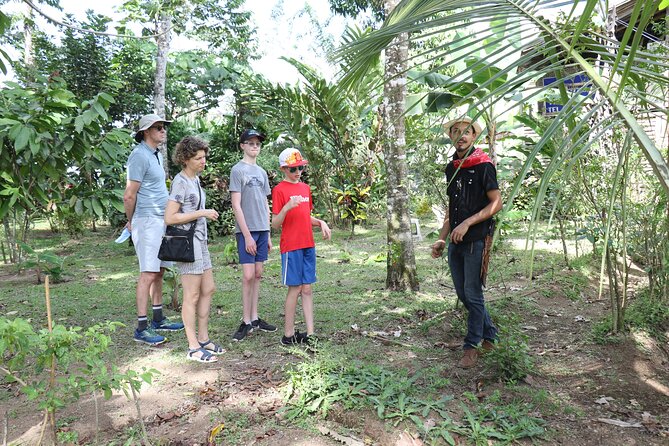
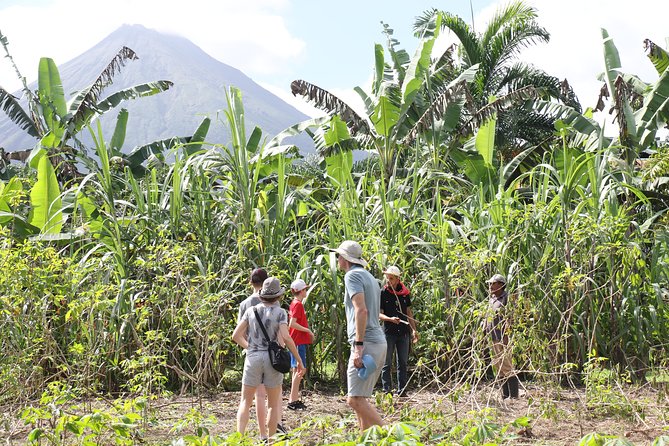
This tour is basically one main stop, and it’s packed. You’ll spend time at Costa Rica Descents’ organic farm learning how local food production connects to distribution and timing.
Here’s what that means in real-world terms:
- You’ll talk about seasonality, including what crops grow when.
- You’ll learn how farm produce gets distributed, not just how it grows.
- You’ll connect the dots between organic practices and the food that shows up on local tables.
A lot of farm visits stop at the “look at the plants” part. This one goes further by focusing on how a farm runs as a system. Once you understand that crops follow the calendar, the whole place makes more sense—why some ingredients are common one month and harder to find the next.
Another plus is that the tour is designed for a maximum of 15 travelers. In a small group, you’re more likely to hear the details the guide is explaining, and you’ll have room to ask follow-up questions without feeling like you’re shouting over a crowd.
Medicinal Plants: Traditional Knowledge Since Prehistory
One of the most interesting segments is the medicinal plants portion. You’ll hear about traditional medicine practices that go back since prehistoric times, and you’ll learn how plants produce hundreds of chemical compounds.
The guide explains what those compounds are used for in nature—things like defense against insects, fungi, disease, and herbivorous mammals.
This is the kind of topic that can sound mysterious if it’s explained as “magic healing.” But the framing here is practical: plants are doing chemical work all the time, and humans developed ways to observe and use those properties.
A useful detail: the medicinal plants part includes an admission ticket that is free. So you’re not getting hit with extra add-on costs to cover the most distinctive part of the tour.
If you like botany, herbal traditions, or you’ve ever wondered why certain local remedies show up again and again in Costa Rican culture, this segment is a strong reason to book.
Lunch With Coffee/Tea: Eating Like a Local (Not Just Watching)
The tour includes lunch plus coffee and/or tea. That’s a big deal for value, because many short tours skip the meal or serve something minor. Here, you’re getting an actual stop where you eat, not just a snack between photos.
In practical terms, lunch is where the experience clicks. You see the farm side of food production, then you sit down and taste something local that fits the region’s growing seasons and flavors.
Some common Costa Rican dishes show up around farm-tour lunch tables in La Fortuna, and empanadas and local sides like rice and patacones are the kind of foods you might encounter. You can think of lunch as part of the learning: it’s how local ingredients become real meals.
For drinks, coffee and/or tea are included. In a one-hour tour, included beverages also save you time and hassle. You don’t have to squeeze extra stops into your schedule just to stay energized.
Guide Energy Matters: What People Mention (Chamo, Andres, Pablo, Cris, Werner, Manuel)
This type of tour rises or falls on the guide. And in the names that people share, there’s a consistent theme: clear teaching, good energy, and a sense of safety.
You’ll see guides like Chamo, Andres, Pablo, Cris, Werner, and Manuel come up with praise for being engaging and educational. The teaching style is described as funny at times too, which is genuinely helpful when you’re learning a lot of information in a short span.
Here’s what I think you can take from that for your own planning. You’ll probably get more out of the tour if you come ready to ask at least a couple questions:
- What’s growing now, and what changes later?
- What makes an operation truly organic in practice?
- How do medicinal plants fit into traditional use today?
A good guide makes those answers feel understandable, not like a lecture.
Practical Prep: What to Wear and How to Make It Easier
The farm setting in La Fortuna can mean slippery paths, bugs, and bright sun. You don’t need extreme gear, but a little prep makes the tour more comfortable.
I’d do this:
- Wear closed-toe shoes you’re okay getting a little dusty.
- Bring insect repellent if you tend to get bites easily.
- Use a hat or bring sunscreen, especially since you’ll likely be outside for part of the hour.
- Bring a light layer for late-morning comfort if you run cold.
Also, since the tour is only about an hour and you’re eating lunch as part of it, you’ll be happier if you keep your plans around it simple. Don’t stack it with another activity that requires rushing or switching clothes.
Who This Tour Is Best For (and Who Might Want Something Longer)
This is a strong match for:
- Families with teens who want something educational without being too long.
- People who want a break from adrenaline activities and prefer a slower, grounded experience.
- Anyone interested in how organic farms actually run: crops, timing, and distribution.
- Travelers who like cultural learning, especially medicinal plants and traditional knowledge.
Because there’s no minimum age stated and service animals are allowed, the tour is also positioned as flexible for different groups. And with “most travelers can participate,” it’s generally set up for broad comfort levels.
Who might feel underwhelmed:
- If you want a half-day or full-day farm experience with deeper hands-on work, 1 hour can feel brief.
- If you’re only interested in wildlife or big attractions, this focuses more on farming and plant knowledge than on scenic viewing.
Is the Price Good Value at $58.67?
At $58.67 per person, this tour is priced like a short guided experience—but the value is boosted by what’s included.
You get:
- A nature guide
- Lunch
- Coffee and/or tea
- Local taxes
- Admission ticket free for the medicinal plants portion
When you compare that to what you’d typically pay for a guide plus a meal plus drinks, the price becomes easier to justify. The hour-long format also keeps it from dragging on your schedule, which matters in La Fortuna where you’ll probably be doing multiple activities.
I’d call it a good value if you want an organized, explained entry point into organic farming and traditional plant knowledge, without having to spend a whole day.
Should You Book Costa Rica Descents Organic Farm?
If you want a short, thoughtful farm experience in La Fortuna with included lunch and real information on seasonality and medicinal plants, I think it’s a yes.
Book it especially if:
- You’re planning a busy itinerary and want something efficient that still feels meaningful.
- You care about how food systems work, not just how farms look.
- You like learning from guides who can explain complex ideas in a way that feels approachable.
Skip it if:
- You’re craving a long, hands-on farm day.
- You’d rather spend that hour on another major attraction like a hike or waterfall visit.
FAQ
What is the duration of the Costa Rica Descents Organic Farm tour?
The tour runs for about 1 hour.
Where does the tour take place?
It takes place in La Fortuna, Costa Rica.
What time does the tour start?
The start time is 10:00 am.
How much does it cost per person?
The price is $58.67 per person.
What’s included in the price?
Local taxes, a nature guide, lunch, and coffee and/or tea are included.
How big is the group?
The tour has a maximum of 15 travelers.
Is the tour suitable for all ages?
There is no minimum age, and service animals are allowed. The information also says most travelers can participate.
Can I cancel for a full refund?
You can cancel up to 24 hours in advance of the experience for a full refund. If you cancel less than 24 hours before the start time, the amount paid is not refunded.