REVIEW · SALENTO COLOMBIA
Coffee Tour Salento-Ocaso Farm- English Tour
Book on GetYourGuide →Operated by FINCA EL OCASO SALENTO · Bookable on GetYourGuide
Coffee in Colombia has a smell you can almost taste, even before you reach the fields. This English farm tour at Finca El Ocaso helps you understand coffee from planting to brewing, with hands-on farm moments.
Two things I especially like are the clear, step-by-step walkthrough of the entire process and the practical way the tour ends with a traditional cloth strainer coffee method you can actually picture using back home.
The tour also feels built for real visitors, not just theory. I like that you move through the places where work happens: gardens, compost and fertilizing areas, and the processing setup. One possible drawback: getting to the farm takes extra planning since transport isn’t included and the 4 km road from Salento is a tertiary road that’s not fully paved.
In This Review
- Key Things I’d Prioritize on This Coffee Tour
- Arriving at Finca El Ocaso: the setting and what it means for your day
- The 1.5-hour English format: what you get and why it’s good value
- From coffee history to coffee species: the tour’s learning pace
- Walking the coffee gardens and plantations: planting, harvesting, and real farm work
- Composting and crop fertilization: why soil work changes everything
- The processing plant: from hopper to pulper to drying
- Roasting explained as a quality lever, not a mystery
- Brewing basics: extracting coffee the right way with a cloth strainer
- What you should bring (and what can ruin the experience)
- Getting there: practical transport choices from Salento
- Who this tour is perfect for (and who might want something else)
- Should you book the Coffee Tour Salento–Ocaso Farm (English)?
- FAQ
- Where does the tour start and end?
- How long is the Coffee Tour Salento–Ocaso Farm?
- Is the tour offered in English?
- What does the tour include?
- How much does the tour cost?
- What transportation options are available from Salento?
- Is there food or coffee included?
- What should I bring?
- What is not allowed during the tour?
- What coffee-related topics will I learn?
Key Things I’d Prioritize on This Coffee Tour
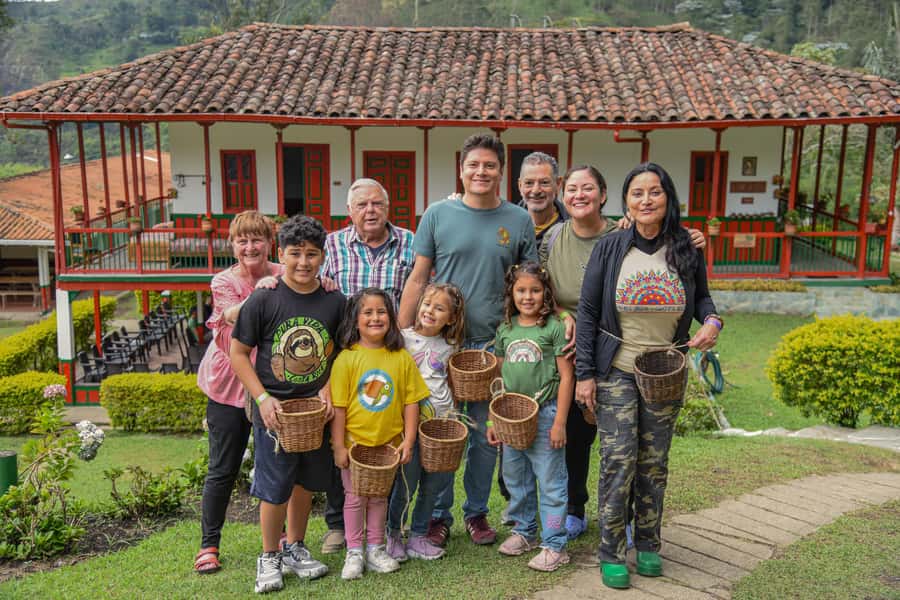
- You’ll see coffee production as a chain, not a single coffee fact
- Composting and fertilization stations explain how they keep soil productive
- Processing plant stops cover the hopper, pulper, and both mechanical and traditional drying
- Roasting and extraction basics connect to cup quality
- Traditional brewing with a cloth strainer and pot makes the tour feel complete
- English guides like Nicolas and Johnathan are often praised for strong communication and a fun tone
Arriving at Finca El Ocaso: the setting and what it means for your day
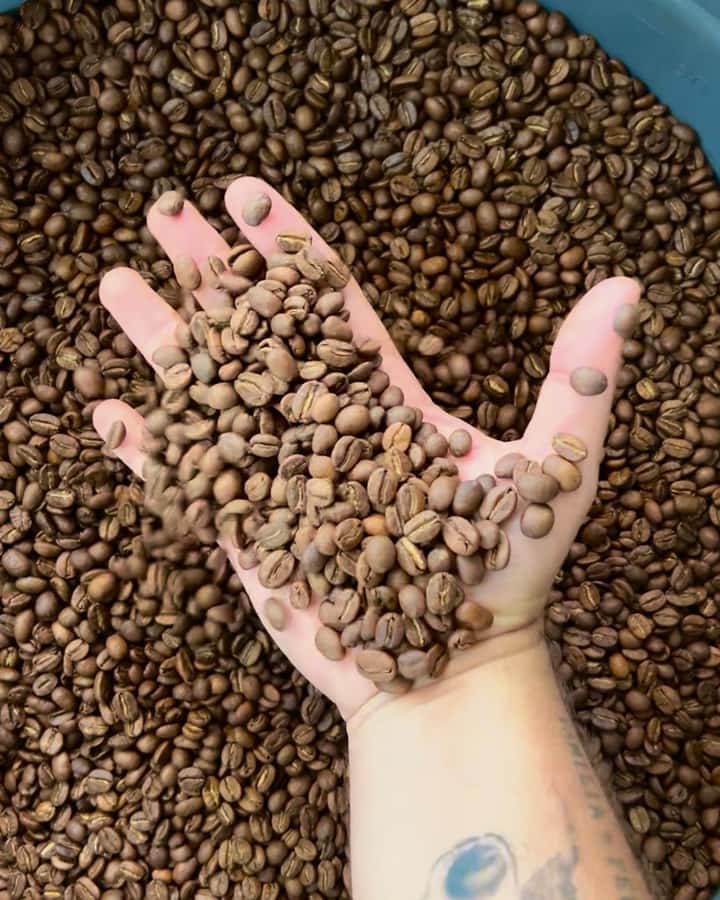
Finca El Ocaso sits about 4 km from Salento, so this is not a quick “step out of town” activity. You start at the farm itself and the tour ends back where it begins. That matters because it shapes your timing: you’ll want to treat this like a half-day plan piece, not a last-minute add-on.
The road is tertiary and not completely paved. If you hate bumpy rides, build in a little patience. The good news is that the farm is set up for visitors, so once you’re there, you’re not left wandering with no structure.
If you’re staying in Salento, you can take a Willys Jeep from the square to reach the farm, but it’s not included in the ticket. A practical tip: the jeep return to Salento is often cheaper than a standard taxi ride, and one common reference point is around 4,000 pesos per person.
You can also read our reviews of more tours and experiences in Salento Colombia.
The 1.5-hour English format: what you get and why it’s good value
The tour lasts about 1.5 hours with a live guide in English. With a price of $14 per person, you’re paying for a guided walk through multiple stations on a working farm—far more than a “sit and watch a slideshow” kind of coffee experience.
This length is also a sweet spot. You get enough time to cover the full coffee pathway (grow → process → roast → brew), without the fatigue that can come from longer agricultural tours. If you like things explained clearly and kept moving, this format is easy to enjoy.
Also, the tour is explicitly traditional: it’s not only about equipment or marketing language. You’re learning how Colombian coffee is produced in a way that connects steps to quality.
From coffee history to coffee species: the tour’s learning pace
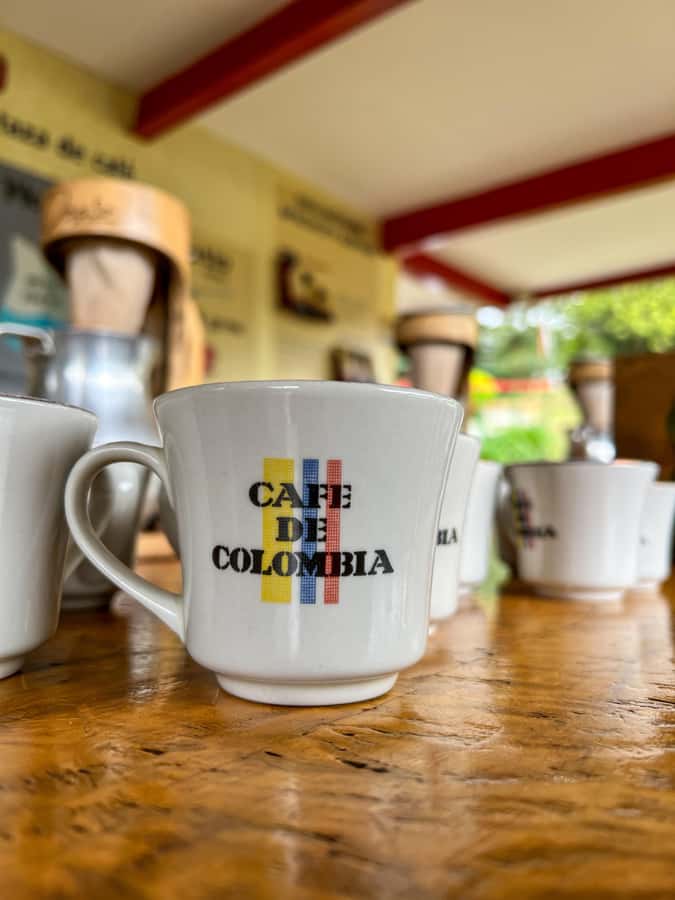
You’ll start with context: the history of coffee and the predominant species they focus on. This part matters because it frames the rest of the walk. If you understand what kind of plant you’re looking at and why cultivation differs, you’ll notice details you’d otherwise miss in the garden.
Then the guide shifts into practical growth basics: planting and how coffee trees grow over time. Expect explanations tied to what you’re seeing—so it doesn’t feel like random botany. Even if you’ve never been near coffee before, you’ll get the vocabulary in plain language.
Walking the coffee gardens and plantations: planting, harvesting, and real farm work
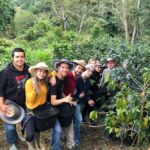
One of the tour’s strongest points is that you’re not only observing—you’re learning by looking closely at the farm systems. They take you through the gardens and coffee plantations and talk about the planting process and what happens as trees develop.
A highlight is the chance to harvest like an authentic Colombian harvester. That’s not just a symbolic moment. You’ll get a sense of how hands-on work shapes what ends up in the cup.
You’ll also see sowing as part of the production story—how they think beyond today’s harvest toward the next cycle. In a region like Tolima, that seasonal rhythm is the heart of coffee life, and the tour helps you connect the “when” to the “how.”
Composting and crop fertilization: why soil work changes everything
Coffee isn’t only about picking cherries. A big part of keeping production healthy is what happens out of sight: composting, fertilization, and soil health.
During the tour, you’ll visit a composting and crop fertilization station. You’ll also hear sustainability explanations that connect farm practices to real outcomes. This is where “traditional farm” stops being a buzz phrase and becomes something you can point to.
They also talk about fauna and flora, which helps you understand that the farm is part of a broader ecosystem. It’s the kind of conversation that makes you realize coffee isn’t produced in isolation—it’s grown inside a living landscape of plants, insects, and animals.
The farm also has certifications in sustainable production. The key value for you is not the paperwork itself. It’s that the guide explains how those sustainability ideas show up in day-to-day decisions on the property.
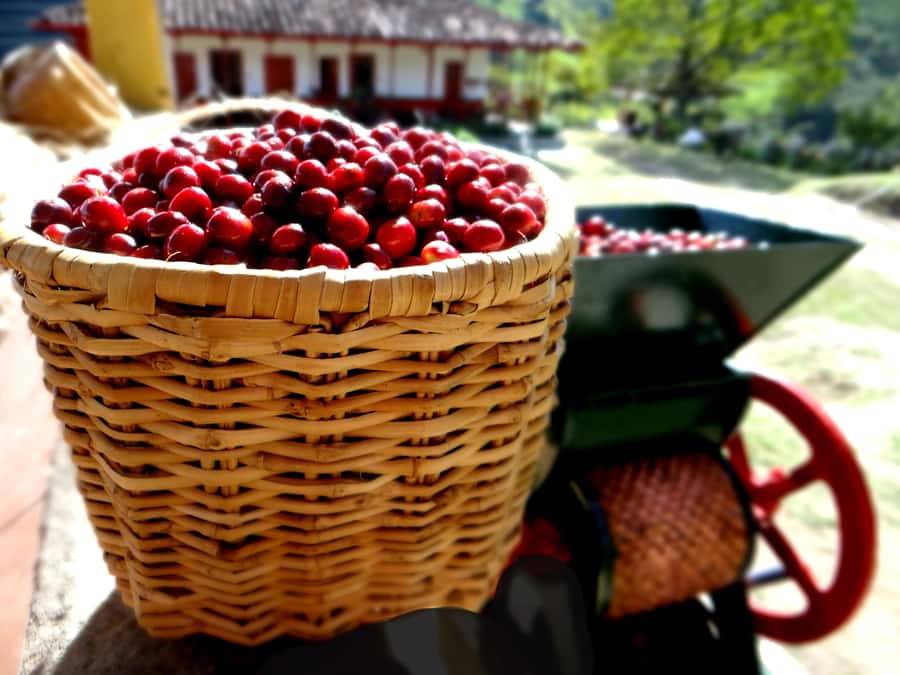
The processing plant: from hopper to pulper to drying
After walking gardens and plantations, you move into the processing plant—where your coffee turns from fruit into a product with shelf life.
This is one of the most useful sections for beginners, because it answers a common question: what exactly happens after harvest?
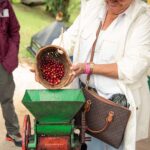
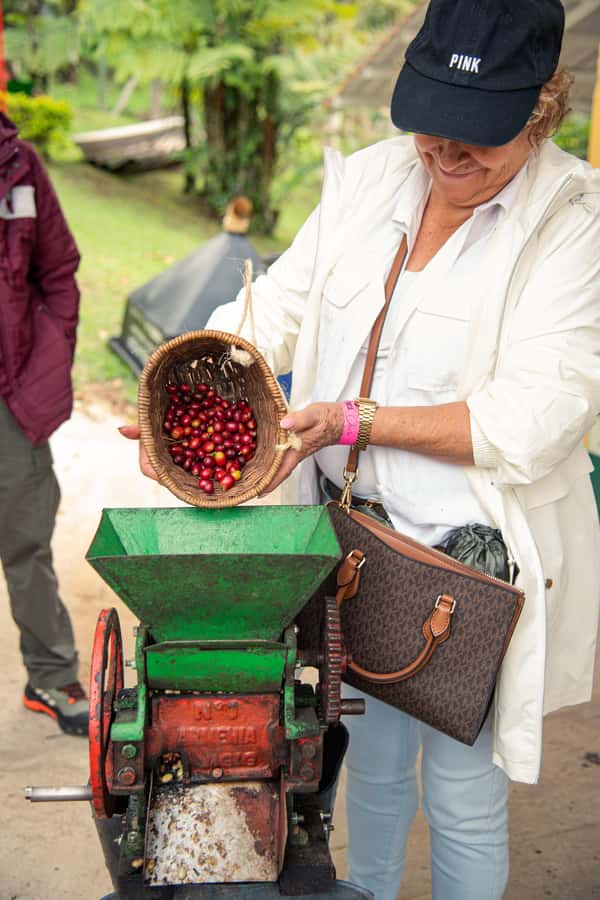
You’ll see stations including:
- the hopper
- the pulper
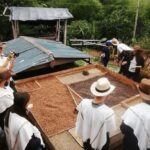
- mechanical drying
- traditional drying
Each stop helps you understand why timing and method matter. Mechanical drying can speed up certain steps, while traditional drying is tied to local practices and conditions. When you know both exist (and why), you’ll have a better sense of why coffee tastes can change from one producer to another.
The tour then continues into storage and handling: you’ll learn about the storage warehouse, threshing, and marketing of coffee. That last part is important because it reminds you coffee is both an agricultural product and a supply-chain product.
Roasting explained as a quality lever, not a mystery
Roasting is where a lot of coffee tours either get technical too fast—or skip it entirely. Here, roasting is explained in a way that connects to quality.
You’ll learn about types of roasting and why they matter for the final flavor and extraction. Even if you don’t plan to run a home roasting setup, you’ll leave with a mental map of how roast choices affect what you taste.
This part is especially helpful if you buy coffee in Colombia or elsewhere and don’t know what to ask besides price. You’ll be able to connect roast style to brewing behavior.
Brewing basics: extracting coffee the right way with a cloth strainer
The final stretch brings you from production to the cup.
You’ll cover the bases for correct coffee extraction—meaning the guide explains the fundamental idea behind getting flavor out properly, not just making hot coffee. This matters because many people brew coffee at home but don’t know why the same beans can taste great one day and flat the next.
Then comes the traditional preparation using a cloth strainer and pot. This is one of the tour’s most memorable elements because it’s simple but not generic. You can see the method and understand how it fits a traditional production lifestyle.
And yes, the experience tends to end with tasting. When you taste at the end, you’re not just learning process steps in a row. You’re connecting the final flavor to earlier decisions like drying and roasting.
What you should bring (and what can ruin the experience)
Bring insect repellent. Farms can mean bugs, especially if you’re sensitive. Wear something comfortable for walking. You’ll be on farm paths while the guide explains stations.
One thing to plan around: alcohol and drugs are not allowed. That keeps the tour focused and safe, and it matches the working-farm vibe.
Also, since food and drinks aren’t included, you’ll want to either eat before you go or plan to get something afterward in Salento. The tour is short, but you’ll still be out in the fresh air and using energy.
Getting there: practical transport choices from Salento
Transportation isn’t included in the ticket price, so you’ll need a plan.
The most commonly used option is a Willys Jeep from Salento’s square to the farm. It’s mentioned as possible, but the cost isn’t included in your tour ticket. The return is often cheaper than taking a standard taxi—one practical reference point is about 4,000 pesos per person.
You can also reach the farm by taxi, and that can work fine if you don’t want jeep seating or if your schedule is tight. Just expect it may cost more for the return ride.
Because the road is not fully paved, choose footwear and clothing that handle minor bumps. Nothing extreme is described, but it’s still a tertiary road.
Who this tour is perfect for (and who might want something else)
This is a great fit if you:
- want a full coffee production story in a short time
- like hands-on farm learning, especially around harvesting
- enjoy explanations you can connect to your next cup of coffee
- prefer English guides and a moving, stop-by-stop itinerary
It might not be the best choice if you only want a city-style, low-walking experience. You’re at a working farm, and that means you’ll spend time outside, looking at plants and stations.
If you’re a coffee nerd, you’ll like the processing-to-roasting link. If you’re a first-timer, you’ll like that the tour explains fundamentals without treating you like you should already know coffee terminology.
Should you book the Coffee Tour Salento–Ocaso Farm (English)?
I’d book it if you want real coffee production steps in about 1.5 hours, with an English guide and a traditional end-to-end format that finishes with brewing and tasting. At $14, it’s strong value for what you see: garden work, compost and fertilization, the processing workflow (hopper, pulper, drying), and roasting and extraction basics.
Skip it only if you’re unwilling to handle the logistics of reaching a farm 4 km out on a tertiary road, or if you hate outdoor farm conditions. If that’s you, look for a more central option. Otherwise, this is the kind of tour that makes coffee feel understandable, not magical.
FAQ
Where does the tour start and end?
The tour starts at the farm (Finca El Ocaso) and ends back at the meeting point. Transportation is not included in the ticket price.
How long is the Coffee Tour Salento–Ocaso Farm?
The tour duration is 1.5 hours. Starting times depend on availability.
Is the tour offered in English?
Yes. The guided tour is in English with a live tour guide.
What does the tour include?
It includes a guided tour. Food and drinks are not included.
How much does the tour cost?
The price is listed as $14 per person.
What transportation options are available from Salento?
A Willys Jeep from the square in Salento can be used to reach the farm, but it is not included in the activity price. A taxi to the farm is also possible.
Is there food or coffee included?
Food and drinks are not included. The tour does include traditional coffee preparation, and the experience ends with tasting as part of the tour flow.
What should I bring?
Bring insect repellent, since you’ll be outdoors on the farm.
What is not allowed during the tour?
Alcohol and drugs are not allowed.
What coffee-related topics will I learn?
You’ll learn about the history of coffee, predominant species, planting and growth, harvesting and sowing, composting and fertilization, sustainability, fauna and flora, processing (including pulper and drying methods), storage and threshing, roasting types, and coffee extraction basics, followed by traditional brewing using a cloth strainer and pot.
![Zanzibar Cooking Class [Swahili food test ] and Spice farm Private tour - Mama Africa’s cooking setup: cassava leaf harvest and coconut milk practice](https://4.farmtouring.com/wp-content/uploads/zanzibar-cooking-class-swahili-food-test-and-spice-farm-private-tour-400x267.jpg)