REVIEW · SALENTO COLOMBIA
Salento: Coffee Farm Tour with Tasting
Book on GetYourGuide →Operated by Gran Colombia Tours · Bookable on GetYourGuide
Your coffee starts as a tiny seed. On this Salento-area trip in Tolima, you’re taken to a 100-year coffee farm where a guide walks you through the growing-and-roasting steps and lets you try a few of them yourself. The views are part of the mood too, but it’s the hands-on coffee process that makes it memorable.
What I like most is the passionate, expert guidance (in some departures, you may meet Kevin, with local hosting from people like Marlon), and the fact that you don’t only taste coffee—you see how it gets made, from seed to roasting.
One drawback to think about: the tour is advertised as 5 hours, but pacing can vary by group and conditions, so ask ahead if you want extra hands-on time rather than a quick pass through each step.
In This Review
- Key things I’d mark on your mental map
- A hundred-year coffee farm near Filandia: the setting that makes it feel calm
- The full coffee process you’ll walk through: seed, care, harvest, roast
- Hands-on coffee: planting seedlings and picking cherries
- Roasting and (sometimes) grinding: the last steps before the cup
- The baristas’ tasting lesson: learning to spot Colombian quality
- Timing, transport, and a private group that keeps questions from getting lost
- Price and value in Tolima: why $101 can make sense (if you want the process)
- What to bring (and how to dress) for an all-weather farm visit
- Who should book this, and who might feel mismatched
- Should you book Salento’s coffee farm tour with tasting?
- FAQ
- Where do I get picked up for this tour?
- How long is the coffee farm tour?
- What languages is the live guide available in?
- Is this tour a private group?
- What activities are included on the farm?
- Is coffee tasting included?
- Is lunch included?
- What should I bring?
- Does the tour run in bad weather?
- Is it wheelchair accessible?
- FAQ
- Can I cancel for a full refund?
- Is there a reserve now & pay later option?
Key things I’d mark on your mental map
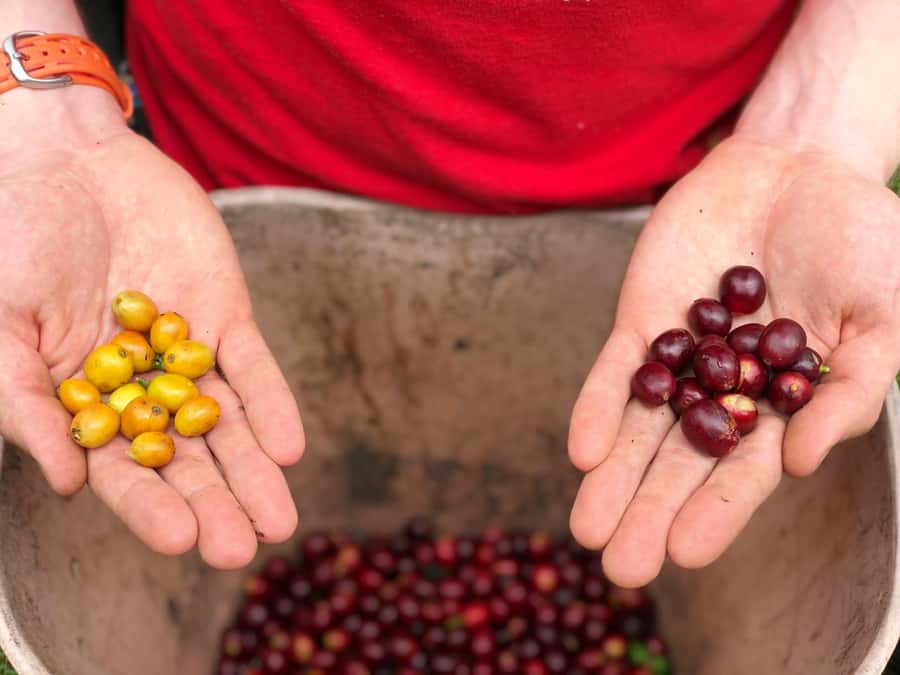
- 100-year farm setting with lots of coffee plantations to explore
- Hands-on work like planting seedlings and picking coffee cherries
- Seed-to-roast walkthrough, including roasting and sometimes grinding
- Coffee tasting lesson with baristas focused on Colombian quality cues
- Pickup from Filandia and a private-group feel for easier questions
A hundred-year coffee farm near Filandia: the setting that makes it feel calm
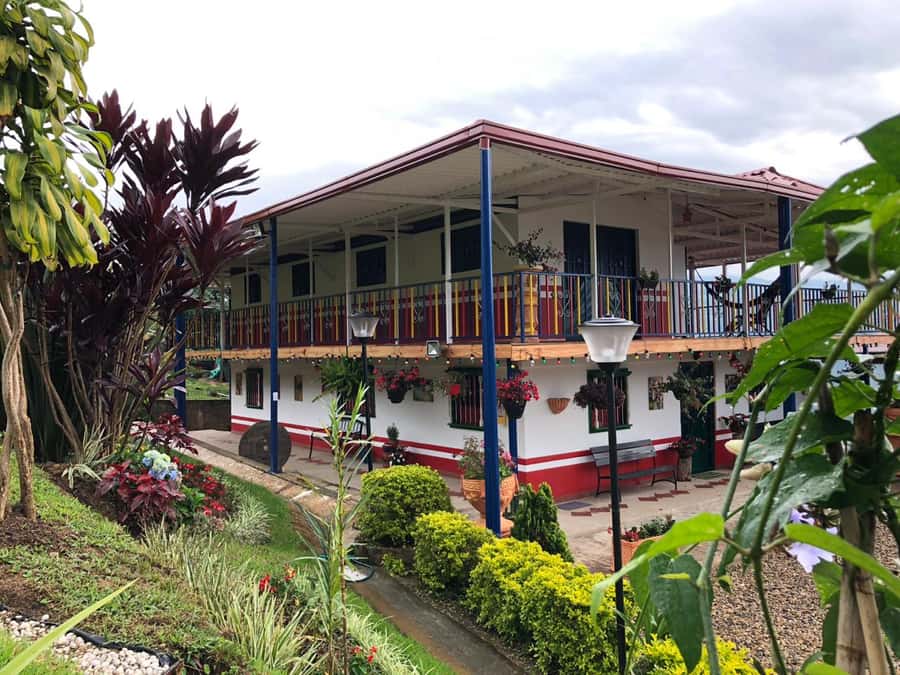
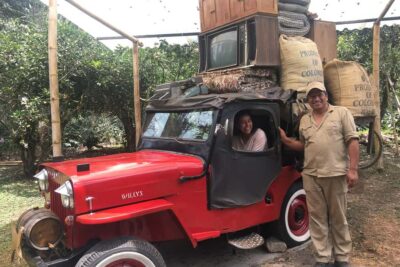
This experience starts with a drive from your accommodation in Filandia, heading into the coffee-growing countryside of Tolima. The farm you visit is described as having a hundred years of history, and you can feel it in how the space is organized: coffee in long rows, work areas for processing, and the kind of open air that makes you slow down fast.
What works for me here is the tone. It’s not rushed sightseeing. You’re there to understand a crop that takes time, and the farm’s atmosphere supports that. You’ll spend real time outdoors, and the views help too—especially if you like farms that look like actual working land, not a staged backdrop.
Quick practical note: the tour runs in all weather, so treat the outing like a working farm visit. That means you’ll want comfortable closed shoes and clothes you don’t mind getting a bit dusty or damp.
You can also read our reviews of more tours and experiences in Salento Colombia.
The full coffee process you’ll walk through: seed, care, harvest, roast
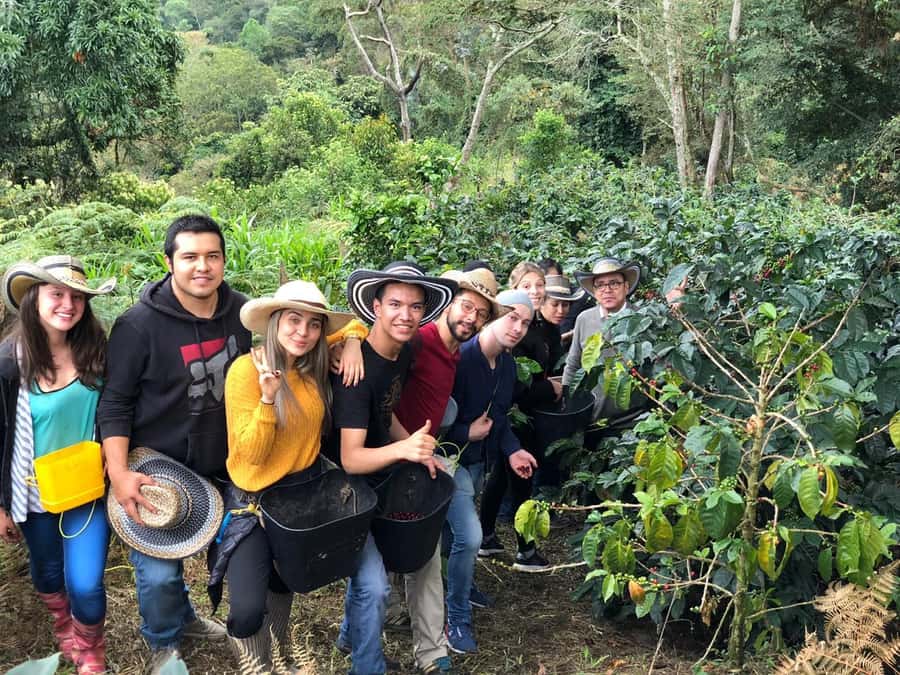
The core value of this tour is that it explains coffee as a sequence, not a product. A guide—also a coffee expert—moves you through the different phases, usually along multiple areas of the plantation and processing spaces.
Here’s what that means in plain terms for you:
- You learn how coffee starts from seeds and how seedlings get established.
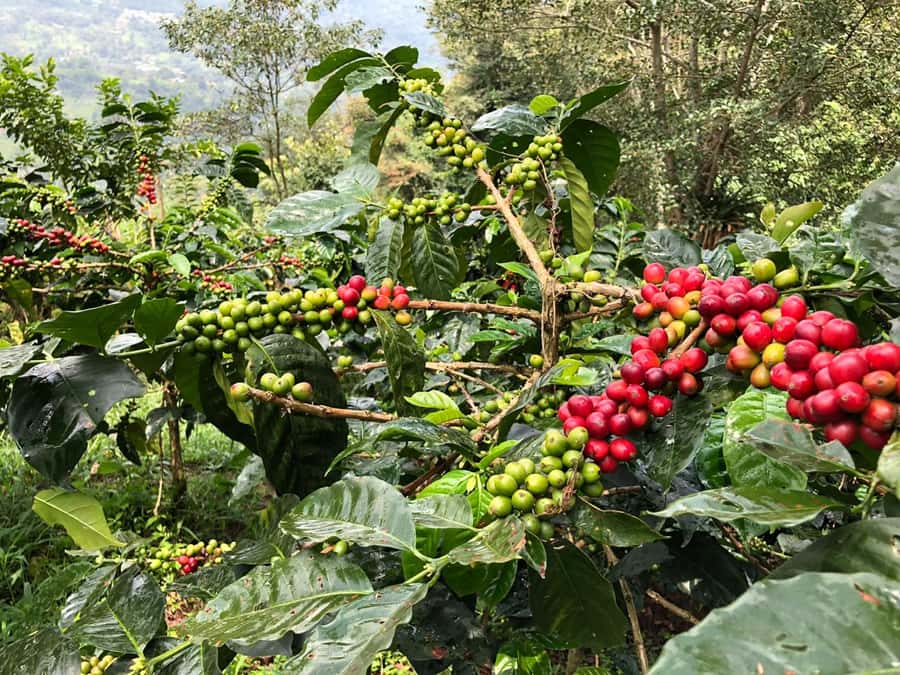
- You see how growers manage the plants through growth until they reach harvest.
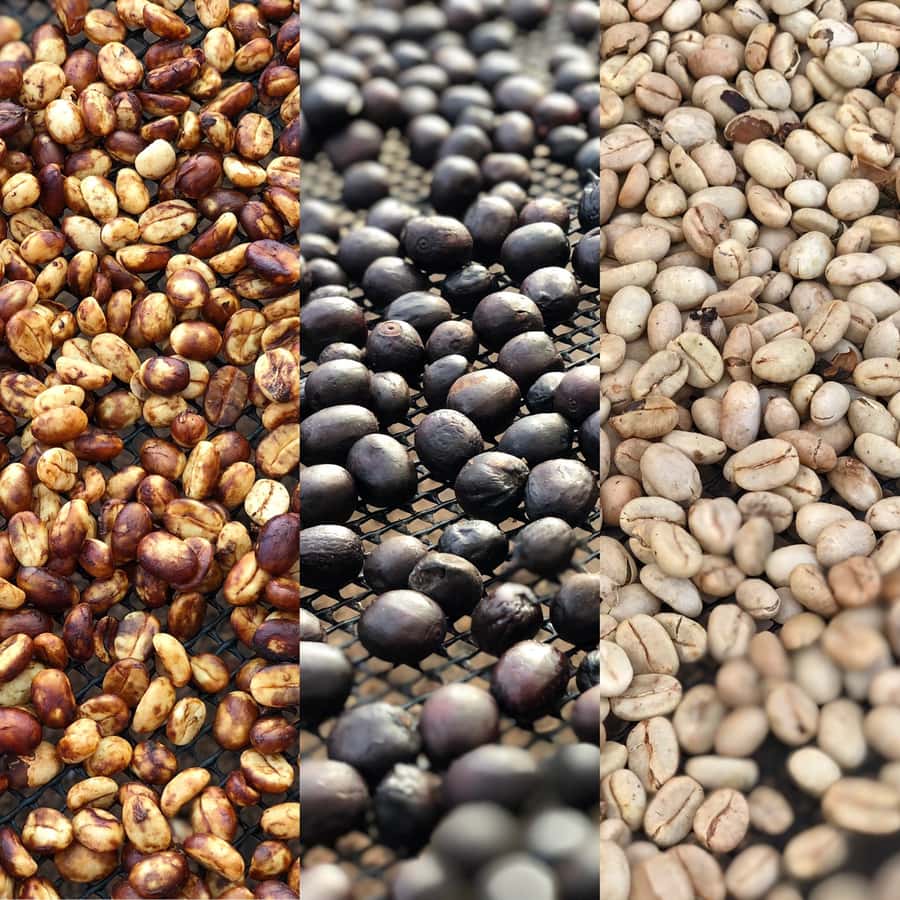
- You connect harvest to the final cup by watching later steps like roasting (and sometimes grinding, depending on how your day is run).
Most coffee tours stop at tasting. This one tries to answer the bigger question: why does Colombian coffee taste like Colombian coffee? You’re shown the logic of the process—how timing, care, and processing affect the end result.
And yes, it’s mostly handmade work. That matters because it changes your perspective when you finally drink the cup. Instead of thinking of coffee as a factory product, you start seeing it as a craft with many small choices.
Hands-on coffee: planting seedlings and picking cherries
This is where the tour turns from informative to memorable.
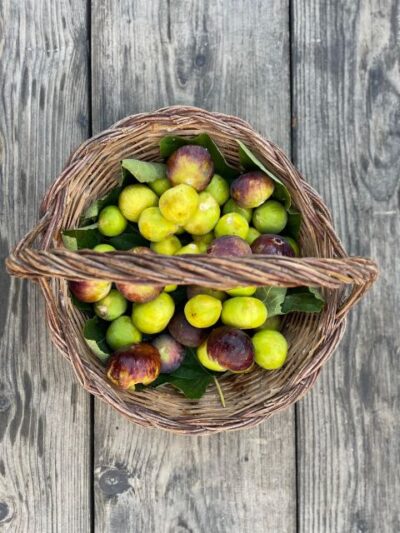
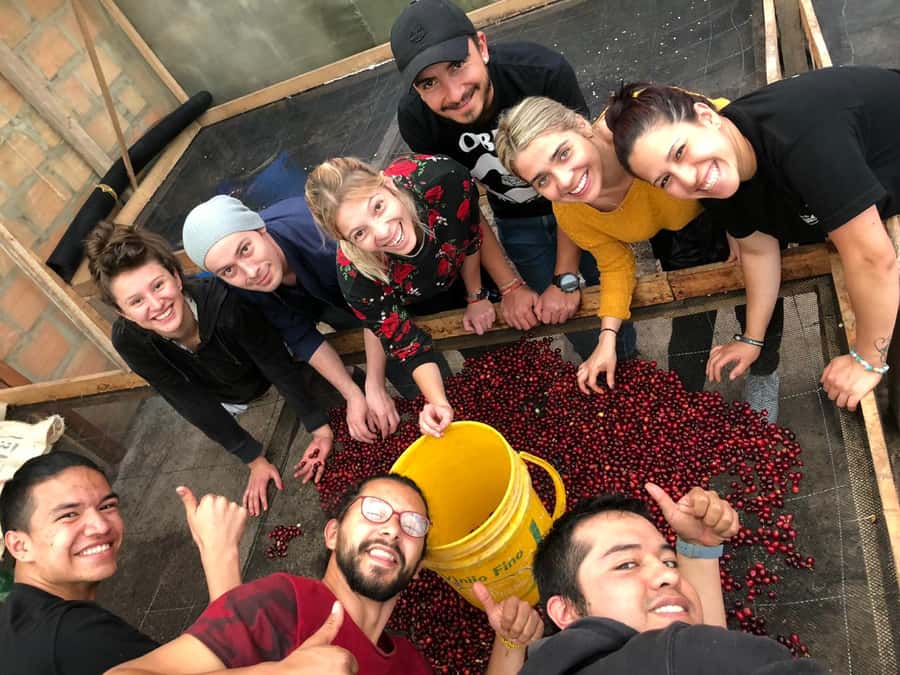
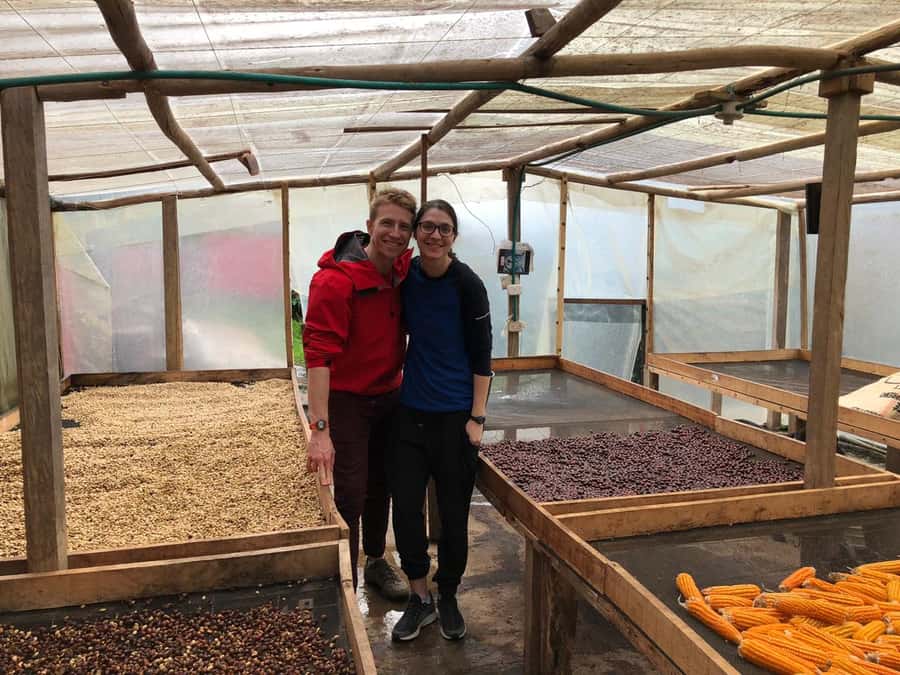
On the farm, you’re invited to take part in activities such as planting coffee seedlings and picking coffee cherries from the bushes. These are short moments, but they’re the kind you remember because you’re doing something physical, not just watching.
If you’re curious about the plant, picking cherries gives you immediate context. You can look at the crop and understand what harvest actually means—how the beans come from the fruit, not a magic bag. Planting seedlings adds another layer: you realize how long coffee work takes. It’s not something you can rush.
For your comfort: bring water, wear comfortable shoes, and plan for uneven ground. Even if the route is manageable, farms are rarely “flat and polished.” If you’re the type who takes photos, a camera helps here, but don’t let the camera steal your time from the guide’s explanations.
Roasting and (sometimes) grinding: the last steps before the cup
After you’ve seen the growing and harvest parts, the tour moves to what many people think of as the “real coffee” phase: processing toward the final product.
You’ll visit the later steps, including roasting—and in some cases you might also see or take part in grinding. Even without being hands-on for every step, you get the reason these stages matter. Roasting isn’t just heat; it’s control of flavor development. And grinding changes how quickly and evenly coffee extracts in your cup.
This is also where the guide’s role helps you connect dots. When you can visually link fruit → bean → roast → cup, tasting isn’t random. You start tasting with purpose.
One practical tip: if you’re sensitive to strong coffee smells, roasting areas can be intense (in a good way). Stand where you feel comfortable and don’t linger only for photos if it makes your eyes or nose unhappy.
The baristas’ tasting lesson: learning to spot Colombian quality
Then comes the part you came for: drinking. But instead of handing you a cup and moving on, you get a short tasting lesson with baristas.
This part focuses on recognizing what makes high-quality Colombian coffee distinctive. You’ll learn how to look for characteristics in the cup and you’ll have time to ask questions while you enjoy freshly prepared coffee.
This is a smart addition because coffee tasting can feel confusing if no one gives you a framework. Here, the framework is built around Colombian quality cues—so you’re not just tasting, you’re practicing recognition.
A big plus from the experience style is that it stays approachable. Even if you’re not a coffee nerd, you can still use the lesson to understand why one cup tastes cleaner, more balanced, or more defined than another.
Also, the tasting is paired with what you saw earlier. That’s what makes it click.
Timing, transport, and a private group that keeps questions from getting lost
The tour is set for 5 hours, with starting times that depend on availability. It also includes pickup and dropoff, specifically from your accommodation in Filandia, and it runs with a live guide in Spanish and English.
The private-group format is a quieter win. When you can ask questions without waiting for a group’s turn, you tend to leave with more real understanding. That matters on a topic like coffee, where small details (how processing changes taste) are easier to grasp through dialogue.
Now, the one caution: there’s a mismatch risk between the advertised duration and how long your day may feel. One booking experience noted the tour felt shorter than expected, even though the guide worked to adjust. So here’s my advice to you: when you book, confirm what the 5-hour plan includes for your specific group size and day. If you want maximum hands-on time, tell the provider what you care about—planting, cherry picking, roasting participation, or tasting depth.
Transportation is also part of the experience. You’ll ride out to the farm, and once there, the pace is built around walking between key areas.
Price and value in Tolima: why $101 can make sense (if you want the process)
At $101 per person for a 5-hour experience, you’re not just paying for coffee. You’re paying for:
- guided instruction with a coffee expert
- access to the farm
- pickup and dropoff from Filandia
- hands-on participation opportunities
- a tasting session with baristas
If your goal is strictly caffeine, you could get coffee cheaper somewhere else. But if you want understanding—seed to roast, not just roast to cup—this price starts to make sense.
The value gets even better if you treat it like a learning outing. You’re getting multiple components in one block: the plantation walk, the practical activities (planting and cherry picking), plus the tasting lesson. That combination is what turns a coffee farm visit into a story you can explain later.
The only value concern is time. If your day ends up running shorter than expected, you’ll want to have prioritized what matters most to you. So decide before you go: do you want more time outdoors on the plantation, more time in processing (roasting/grinding), or more time on the tasting lesson? Ask for the focus when you arrive.
What to bring (and how to dress) for an all-weather farm visit
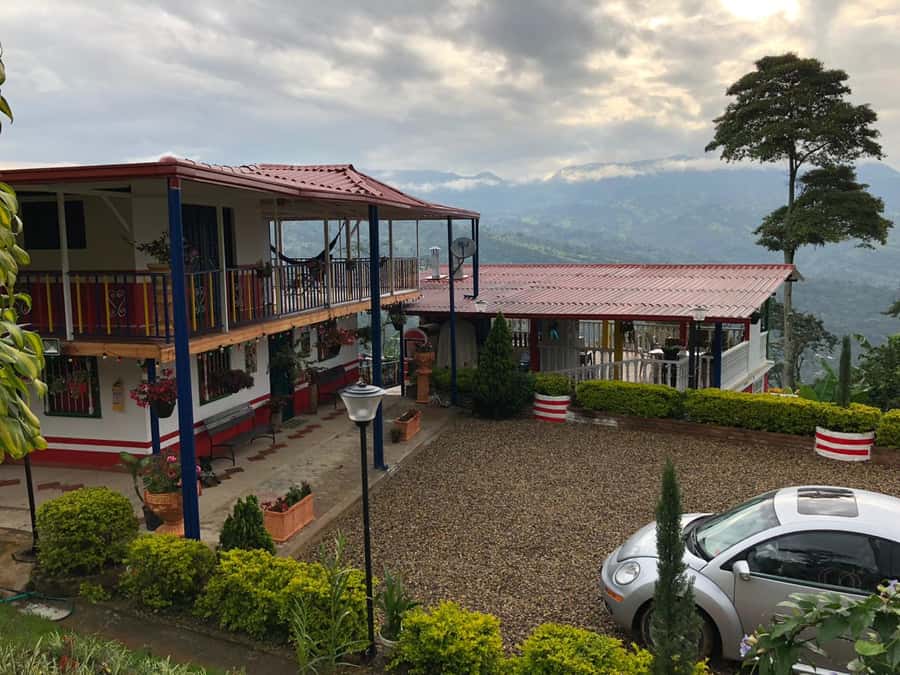
Because the tour operates in all weather conditions, dress for the reality of outdoors work. Plan for mud, damp air, or light rain. That means:
- Comfortable shoes you can trust on farm ground
- Water (you’ll be outdoors, and tasting won’t replace hydration)
- Comfortable clothes you can move in
- Camera if you want to capture the plantation and processing areas
If it’s rainy, add a light rain layer or something that dries fast. If it’s sunny, bring sun protection too—farm days can be bright even when the tour is calm.
Who should book this, and who might feel mismatched
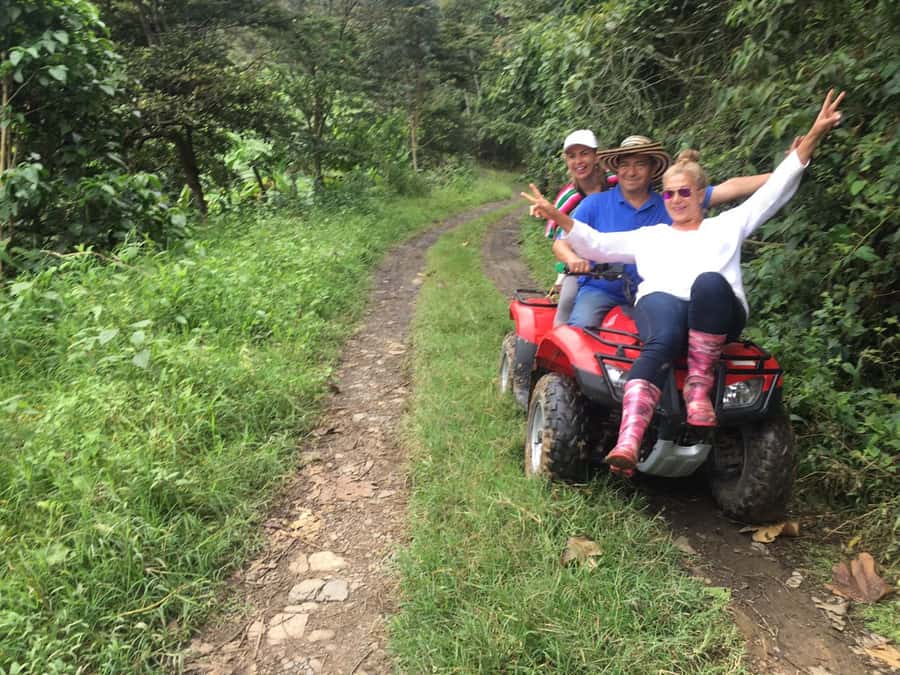
This tour fits best if you like practical learning and you don’t mind a little farm work. You’ll enjoy it if you want to:
- connect coffee flavor to how the crop is grown and processed
- try hands-on moments like planting seedlings and picking cherries
- get a guided Colombian coffee tasting with a clear learning focus
- ask questions and understand what you’re drinking
It may be a weaker fit if you expect a lightweight walk with zero hands-on participation. The experience includes activities, and the tour is designed to show multiple phases, not just one.
Accessibility note: it’s not suitable for wheelchair users, so plan another option if mobility is a concern.
Should you book Salento’s coffee farm tour with tasting?
Yes—if you care about the process and you want coffee education that actually ties to what you see. The biggest reason to book is the combination: guided farm walk through growth phases, hands-on work like seedlings and cherries, and then a structured tasting lesson with baristas.
I’d book especially if you’ll appreciate small details: the explanation of how roast and processing affect flavor, the chance to recognize Colombian quality, and the fact that so much is handmade.
Before you confirm, do two things. First, ask whether your specific departure is truly running the full 5 hours. Second, tell the guide what you most want—planting, harvesting, roasting/grinding exposure, or tasting depth—so your time is spent where it counts for you.
FAQ
Where do I get picked up for this tour?
You’ll be picked up from your accommodation in Filandia, and you’ll also be dropped off afterward.
How long is the coffee farm tour?
The tour duration is listed as 5 hours. Starting times depend on availability.
What languages is the live guide available in?
The live tour guide speaks Spanish and English.
Is this tour a private group?
Yes, it’s a private group.
What activities are included on the farm?
You’ll take a guided tour of the farm and plantation, learn the coffee process from seeds to roasting, and you may participate in planting seedlings and picking coffee cherries. You’ll also see later steps like roasting, and sometimes grinding.
Is coffee tasting included?
Yes. The tour includes a coffee tasting and a short tasting lesson with baristas, focused on recognizing Colombian high-quality coffee characteristics.
Is lunch included?
No, lunch is not included.
What should I bring?
Bring comfortable shoes, comfortable clothes, water, and a camera.
Does the tour run in bad weather?
Yes, it operates in all weather conditions, so dress appropriately for farm conditions.
Is it wheelchair accessible?
No, it’s not suitable for wheelchair users.
FAQ
Can I cancel for a full refund?
You can cancel up to 24 hours in advance for a full refund.
Is there a reserve now & pay later option?
Yes. You can reserve your spot and pay nothing today.