REVIEW · NOTO ITALY
Noto: Farm to Fork in Sicily – Cooking Class in a Farm
Book on GetYourGuide →Operated by Azienda Agricola Tre Fontane · Bookable on GetYourGuide
Cooking on a real Sicilian farm changes everything. This Noto farm-to-fork cooking class pairs hands-on pasta making with an ingredient walk across the hills, led by Fabio and Annarella (also seen as Annaluisa). I loved how farm life drives the menu, not just a scripted tourist show, and I especially liked the full meal with their local wine and a homemade digestive to finish. The main drawback: it’s rural, so you’ll want to plan for the short drive from the meeting point.
You’ll spend about 4 hours learning traditional Sicilian Mediterranean cooking in a small group capped at 10 people, with an English-speaking guide. Expect a relaxed pace where you walk the fields first, then get cooking in the farm kitchen, then sit down together to eat what you made. Also, it wraps up back where you started, which makes planning your afternoon easier.
In This Review
- Key Highlights You Should Know Before You Go
- Farm to Fork in Noto: What You’re Paying For
- Meeting Point and the Short Drive to the Farm Kitchen
- Walking the Fields First: Learning Ingredients Like a Local
- Pasta Making in the Farm Kitchen
- Farm Product Tasting: Where Flavor Starts Before Dinner
- The Meal You Make: Local Wine, Dessert, and a Homemade Digestive
- Seasonal Sicilian Cooking You Can Copy at Home
- Small Group Size: More Attention, Less Waiting
- Practical Tips for Getting the Most Out of Your 4 Hours
- Who This Noto Farm Class Is For
- Should You Book Farm to Fork in Sicily?
- FAQ
- How long is the cooking class?
- Where do we meet?
- Is there an English-speaking guide?
- What’s the maximum group size?
- What do you do at the start of the experience?
- What’s included in the meal?
- Is pasta making included?
- Are farm products like olive oil included?
- Will the activity end back at the meeting point?
- Is cancellation flexible?
Key Highlights You Should Know Before You Go
- Field walk first: a short walk in the fields with explanations so you know what you’re cooking before you start.
- Pasta making at the core: you’ll learn authentic pasta techniques, plus other seasonal Sicilian recipes.
- Farm product tasting: you’ll taste products from the farm along the way, not just at the end.
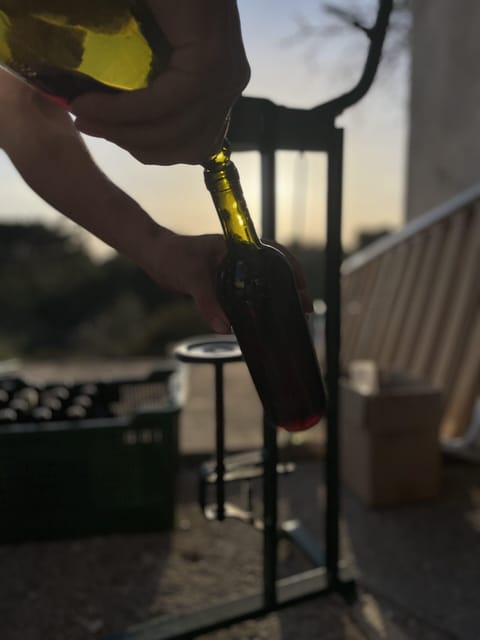
- Wine and a proper finish: local wine with the meal, plus dessert and a homemade digestive.
- Small group (max 10): enough attention for questions without feeling cramped.
- Made-and-shared meal: you eat what you helped prepare, in a farm setting that feels like home.
Farm to Fork in Noto: What You’re Paying For
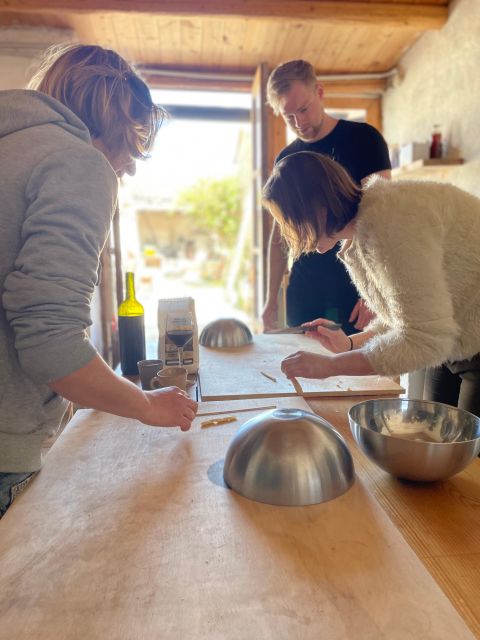
This class is priced at $169.93 per person for a 4-hour experience, and the value comes from what’s included, not from a “demo then you watch” format. You get the ingredient walk, cooking instruction, tasting along the way, and then a full meal with local wine and a homemade digestive.
The big idea here is simple: you’re not just learning recipes written on paper. You’re learning how farm ingredients shape Sicilian cooking. When the instructors talk through what grows on the property and how it ends up in the kitchen, it clicks fast, even if you’ve never cooked “from the ground up” before.
You can also read our reviews of more tours and experiences in Noto Italy.
Meeting Point and the Short Drive to the Farm Kitchen
You meet at a big free panoramic spot, then you go together to the farm by car for about a 5-minute drive. It’s not complicated, but it matters if you don’t have wheels, because the farm is in the Noto hills and the setting is clearly rural.
If you’re arriving by bus or train in Noto and you don’t have a car, message the operator back. They explicitly note that you should reach out so you can figure out the best way to get there. When a place is only a short drive away but still not walkable, that kind of heads-up saves stress.
Walking the Fields First: Learning Ingredients Like a Local
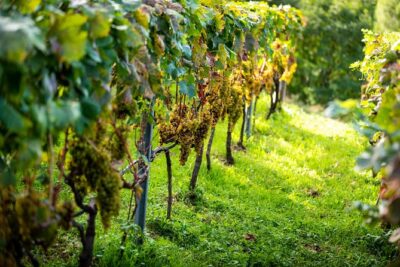
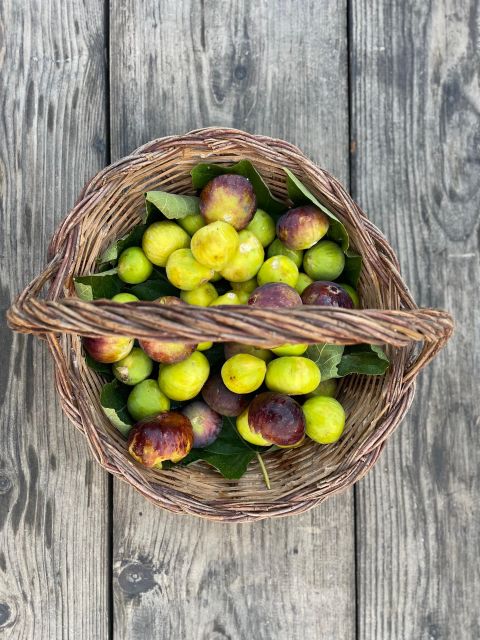
The class begins on the farm itself: an ancient plateau in the Noto hills, where the focus is the ingredients and the people who grow them. You start with a short walk in the fields with explanations, which is a clever way to reset your thinking. Before you touch dough or start chopping, you learn what’s in season and why those plants matter in Sicilian cooking.
This farm is run by Annarella and Fabio, who describe themselves as bio farmers since 2007. That context changes the tone of the whole experience. Instead of generic “this is olive oil sauce” talk, you get a more personal, practical view of how Mediterranean flavors come from what’s actually growing.
Pasta Making in the Farm Kitchen
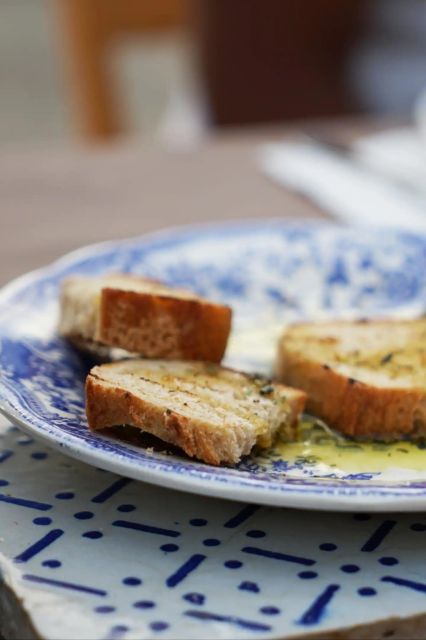
After the field walk, you head into the kitchen with Annarella, where the class turns hands-on. Pasta making is the centerpiece, and you’ll learn techniques you can realistically reproduce later. No one here is treating pasta like an untouchable skill; the goal is to teach you methods and tips “in a simple way,” so you can build confidence instead of memorizing a script.
The class also includes other traditional local recipes, and they’re prepared according to the season. That’s important because it keeps the cooking grounded in real Sicilian rhythms. If you visit in a different season than someone else, the dishes may shift, but the logic stays the same: cook what the farm can support right now.
Farm Product Tasting: Where Flavor Starts Before Dinner
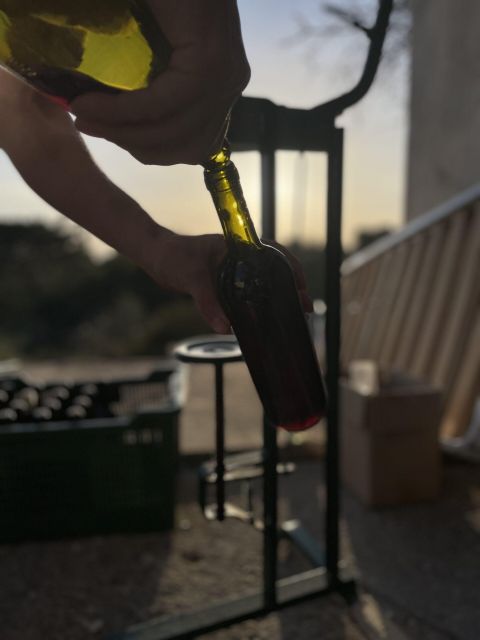
Between the walking and the cooking, you’ll do farm product tasting. This isn’t just a snack. It’s a way to train your palate to recognize ingredients while you’re learning what they’ll become.
And at the end, you’ll also savor tasting products from the farm as part of the meal. That means you get repeated context: first you taste, then you cook, then you taste again. It’s the kind of repetition that makes the experience stick, even if you’re focused on having fun more than taking notes.
The Meal You Make: Local Wine, Dessert, and a Homemade Digestive
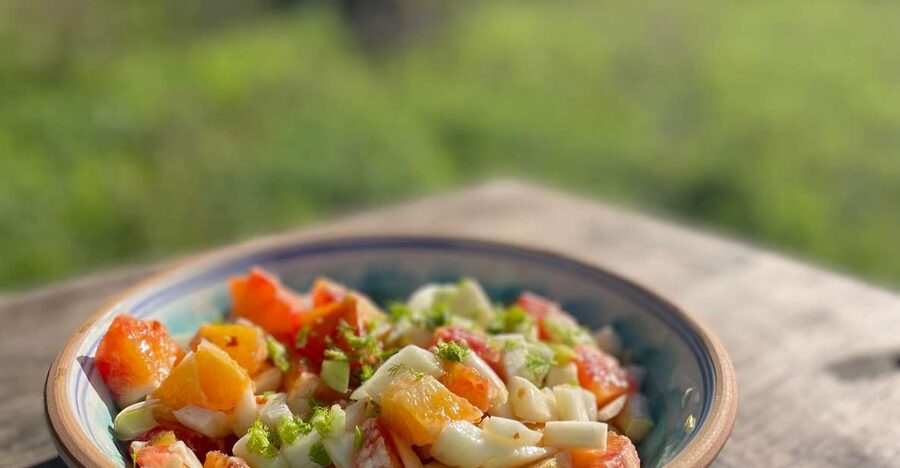
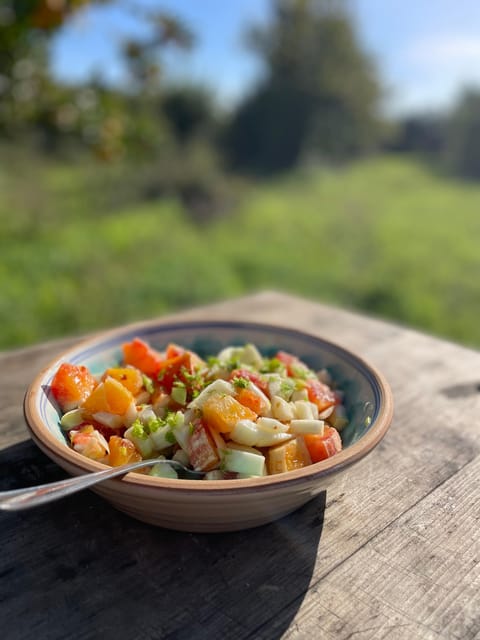
The final part is eating together, and it’s designed to feel rewarding. You’ll enjoy a complete meal made from the recipes you prepared, then you’ll add farm products and local wine to the table.
What’s included is clear and helpful: local wine, dessert, and a homemade digestive. The digestive is the classic after-meal “wrap-up” drink, and having it included is a nice touch because it makes the evening feel like a finished ritual, not just a cooking lesson with snacks at the end.
From a value standpoint, this is where the class earns its price. Many cooking experiences skimp on the meal or keep it short. Here, the meal is part of the teaching. You’re practicing flavors, portioning, and timing, then sitting down to enjoy the results.
Seasonal Sicilian Cooking You Can Copy at Home
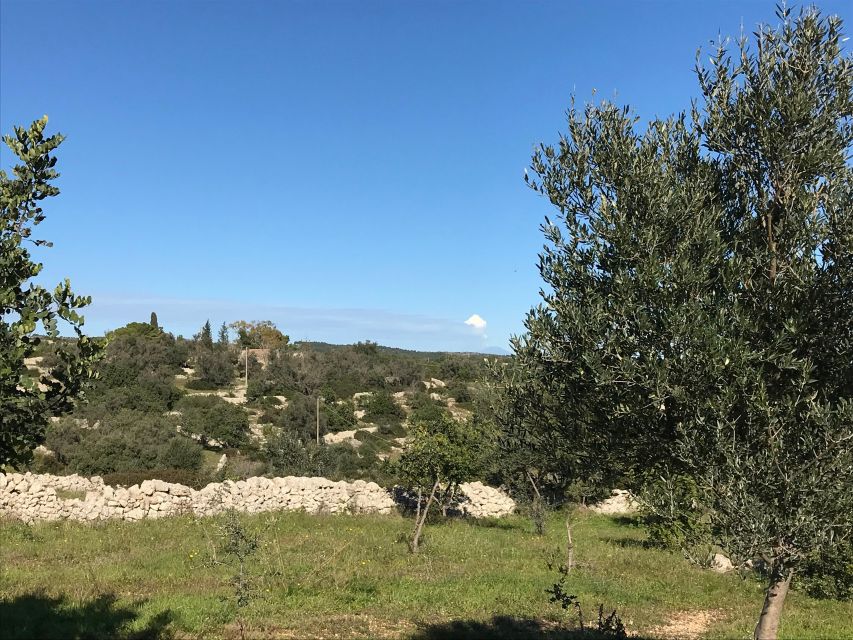
One of the best parts of this experience is that it teaches techniques and tips, not only recipes. Since the class focuses on traditional local recipes according to the season, you’ll likely walk away with a mental map of how to adapt based on what you find in your own market.
I like that the farm approach is used to explain how Sicilian Mediterranean cuisine works. You’re learning the “why,” not just the “how.” That matters when you get home and your ingredients aren’t identical, because you’ll understand what the dish needs to taste like—even if the exact plant variety changes.
Also, because pasta making is included, you’re taking home a core skill. Dried pasta is fine for weeknights, but homemade pasta is a different experience, and learning the basics here can make that kind of cooking feel doable.
Small Group Size: More Attention, Less Waiting
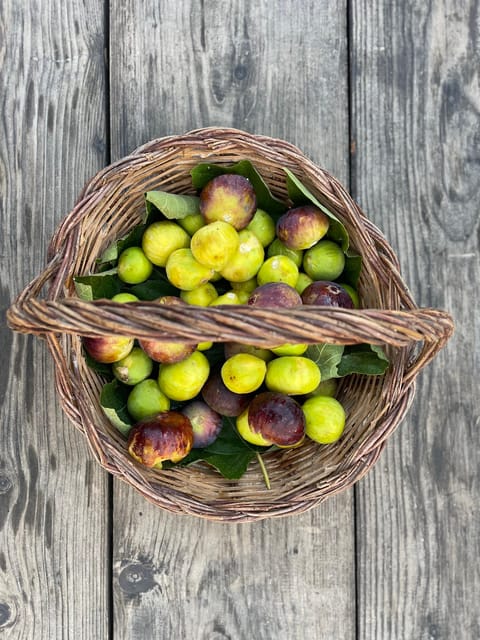
The group size is limited to 10 participants, which is one of the most practical reasons to book. In a cooking class, waiting is what kills the fun. A smaller group means more chances to ask questions while you’re working dough, and less time standing around watching someone else handle the key steps.
You’ll also get a more personal vibe with hosts who run the farm as their home, not as a stage. The experience is described as not being an exhibition for tourists, which you can feel in how the day is paced and how the hosts talk through ingredients and technique.
Practical Tips for Getting the Most Out of Your 4 Hours
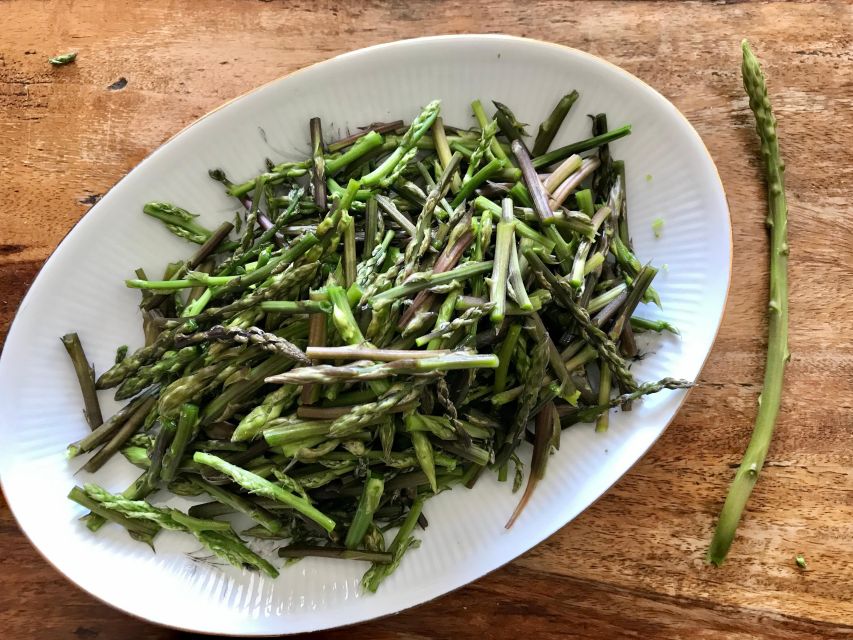
This lasts 4 hours, so treat it like a focused morning or afternoon plan, not a casual stop you can half-pay attention to. You’ll want to arrive ready to walk a little and cook actively.
A few practical notes that help:
- Wear comfortable shoes for a short walk in the fields.
- Expect a rural setting, so plan for the short car transfer from the meeting spot.
- Bring an appetite. The class ends with a complete meal, dessert, and a homemade digestive.
- If you’re hoping to take farm products home, remember that farm products such as olive oil are specifically noted as not included. If you want them, you’ll need to budget separately.
The class is in English with a live tour guide, and it’s designed as suitable for all. That wording is broad, but it signals they aim to make the cooking approachable instead of technical.
Who This Noto Farm Class Is For
This works especially well for you if you want something more grounded than a typical restaurant meal. If you like connecting food to the place it comes from, you’ll enjoy the field walk, the tasting, and the way the cooking links back to farming.
It’s also a good fit if you’re the type who wants a hands-on skill. Pasta making is the major payoff, and it’s a skill you can practice later. Couples will like the shared meal energy, and small groups will appreciate the attention you get with a max of 10 people.
If you’re short on time, though, remember it’s 4 hours and includes walking plus cooking plus eating. It’s not a quick “snack and leave” stop.
Should You Book Farm to Fork in Sicily?
Book it if you want an experience where ingredients lead the day. The combo of a field walk, farm product tasting, hands-on pasta making, and a full meal with local wine and homemade digestive is hard to beat for an afternoon plan in Sicily.
Skip it if you need something very urban and easy to do without a car. This one depends on reaching a panoramic meeting spot and then heading by car to the farm for a short drive. Also, if you’re only interested in eating and not learning techniques, you may find the cooking side less useful.
FAQ
How long is the cooking class?
The experience lasts 4 hours. Starting times vary, so you’ll want to check availability for the specific slot you want.
Where do we meet?
You meet at a big free panoramic spot. From there, you go to the farm together by car (about a 5-minute drive).
Is there an English-speaking guide?
Yes. The live tour guide speaks English.
What’s the maximum group size?
The group is limited to 10 participants.
What do you do at the start of the experience?
You start with a short walk in the fields with explanations, then you move into the kitchen to cook.
What’s included in the meal?
You’ll enjoy a complete meal together, with local wine included, plus dessert and a homemade digestive.
Is pasta making included?
Yes. The class includes authentic pasta making.
Are farm products like olive oil included?
No. Farm products such as olive oil are specifically listed as not included.
Will the activity end back at the meeting point?
Yes. The activity ends back at the meeting point.
Is cancellation flexible?
There is free cancellation up to 24 hours in advance for a full refund.