REVIEW · MUNNAR
Tea Farm Tourism
Book on Viator →Operated by D Trek Munnar Adventure · Bookable on Viator
Tea leaves, high slopes, and real stories.
In Munnar, this tea farm outing takes you to the Western Ghats around 5,000 feet and into green plantations where tea isn’t just something you drink, it’s something you can understand. You’ll get a tour-style walk through the tea world, plus explanations that connect the plant, the industry, and what ends up in your cup.
Two things I really like here: Arun’s guide style (friendly, patient, and very good with tea history and production) and the way the experience feels less staged. You’re also in a setting with big views, and you may even get time around pickers and the processing side of tea. One practical drawback: private transportation isn’t included, so you’ll need to handle how you get to the KSRTC bus stand meeting point.
In This Review
- Quick Hits You’ll Actually Use
- Tea Farm Tourism in Munnar: What You’re Getting for $24
- Where the Tour Begins (and Why Morning Planning Matters)
- Heading into the Western Ghats Around 5,000 Feet
- Tea Plantations Up Close: More Than Just a Photo Stop
- From Leaves to Factory Process (Where the Real Tea Story Happens)
- Tea Tasting and Learning the Types (How Chai Becomes Personal)
- The People Factor: Guides Make or Break Plantation Days
- What to Wear and Bring (So the 3 Hours Feel Easy)
- Who This Tour Suits Best
- Should You Book Tea Farm Tourism in Munnar?
- FAQ
- Where does the Tea Farm Tourism tour start?
- What time does the tour begin?
- How long is the tour?
- What is included in the tour price?
- Is private transportation included?
- Is this tour private?
- Is it easy to reach the meeting point using public transport?
- What’s the cancellation policy?
- What happens if the minimum number of travelers isn’t met?
- How much does it cost?
Quick Hits You’ll Actually Use
- Starts at 9:00 am from Munnar KSRTC Bus Stand, so plan an easy morning.
- ~3 hours total, a good length for stacking with other Munnar sights.
- Coffee and/or tea is included, so you’re not paying extra for the tasting drink.
- Arun (and sometimes his brother) explains tea—history, types, and how it’s made.
- Expect plantation time with access to pickers areas and less busy paths.
- You’ll return to the same meeting point, which keeps the day simple.
Tea Farm Tourism in Munnar: What You’re Getting for $24
At $24 per person for about 3 hours, the value comes from one thing: you’re paying for guided time in a place where you’d otherwise just snap photos and move on. A tea plantation tour only feels worth it when someone translates what you’re seeing—tea plant, cultivation, processing, and why Munnar became part of the tea story.
The included coffee/tea matters too. It’s not a huge add-on financially, but it keeps the experience from feeling like a “pay for the drink at the end” setup. You show up, you learn, you taste, you go.
This is also a private activity, meaning it’s only your group. That matters more than people think: in a plantation setting, you want time to ask questions without the pressure of rushing through with lots of strangers.
Where the Tour Begins (and Why Morning Planning Matters)
You’ll meet at Munnar KSRTC Bus Stand on MSA Rd, Moolakadai, starting at 9:00 am. The big win here is that it’s near public transportation, so you’re not forced into booking a special transfer just to get started.
The main thing to plan: private transportation is not included. If you’re staying outside easy walking distance, you’ll want to line up a ride or local transport to get to the meeting point on time. With a start time set early in the day, being late means you lose part of the guided experience.
Good news: the tour ends back at the meeting point. That’s convenient for your schedule later—no awkward “now where do we go?” scramble.
Heading into the Western Ghats Around 5,000 Feet
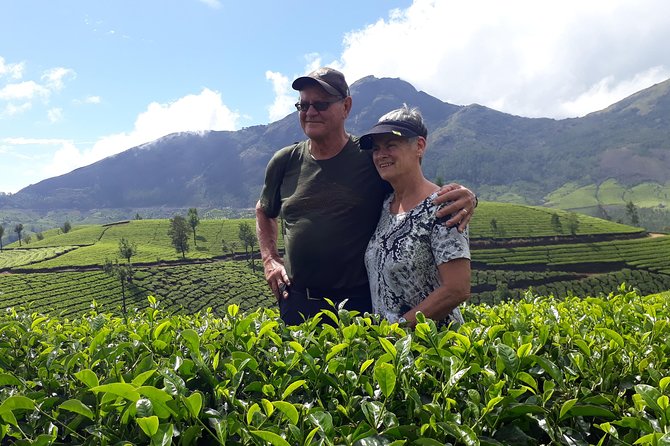
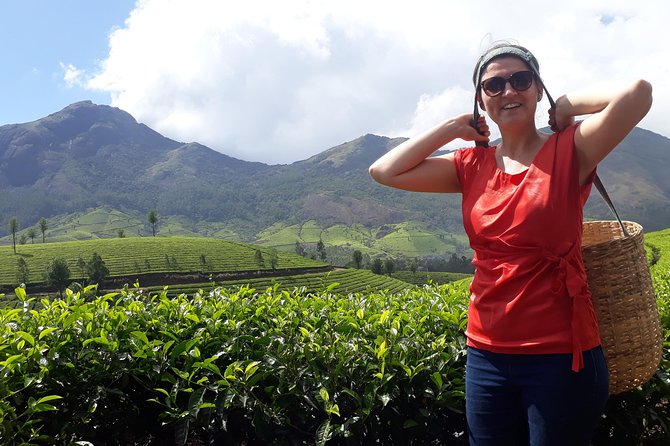
One highlight built into the experience is the setting: South India’s highest land place in the Western Ghats mountain area, normally around 5,000 feet above sea level. Even if you don’t care about altitude as a concept, this kind of elevation shapes the feel of the day—more open views, more plantation vistas, and more sense that you’re in the tea-growing zone rather than just near it.
You’ll be surrounded by green plantations and you’ll be guided through areas that help you connect the scenery to the industry behind it. A plantation is easy to misunderstand if you only look at it as a postcard. On this tour, the guide turns the scene into a story: how tea becomes tea.
Tea Plantations Up Close: More Than Just a Photo Stop
This isn’t a drive-by sightseeing stop. The experience is built for walking and observing. One of the most praised parts is the way you can spend time on the slopes and around places connected to the day-to-day work of tea.
Arun’s teaching style comes up again and again. People describe him as friendly, patient, and very good at explaining things in clear English. That matters because tea terminology—types, processing steps, and what makes one tea different from another—can be confusing if you only get a quick surface explanation.
In many cases, the route includes time on less well-trodden paths, which is great if you’ve already seen the same “standard plantation loop” in other places. You’re aiming for an experience that feels more like being taught the basics by someone who truly works in the subject.
From Leaves to Factory Process (Where the Real Tea Story Happens)
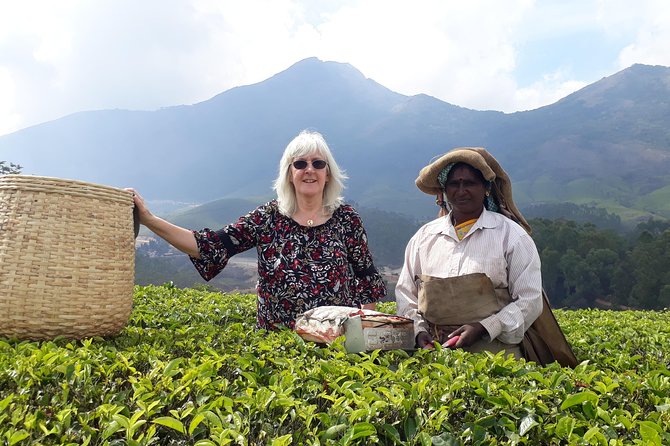
A big part of why people love this tour is the chance to see production in context. Some versions of the experience include a tea factory visit and time learning about the full process—starting from meeting tea leaf pickers and moving through leaf drying and processing.
If your day includes this portion, the value is practical: you’ll understand why tea doesn’t start as a bag in your pantry. It starts as leaves, and the handling after picking shapes what you taste later. It’s one thing to hear that tea has types; it’s another thing to watch how leaves go from field to finished product.
The factory and processing step also pairs well with the guide’s explanation of tea production techniques. You’ll be better able to notice what you’re told when you finally taste.
Tea Tasting and Learning the Types (How Chai Becomes Personal)
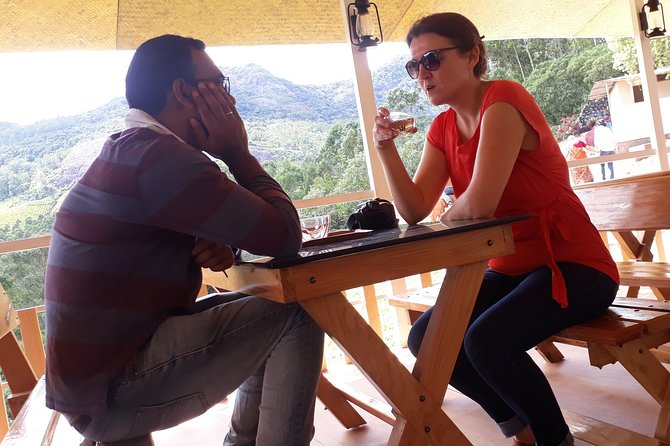
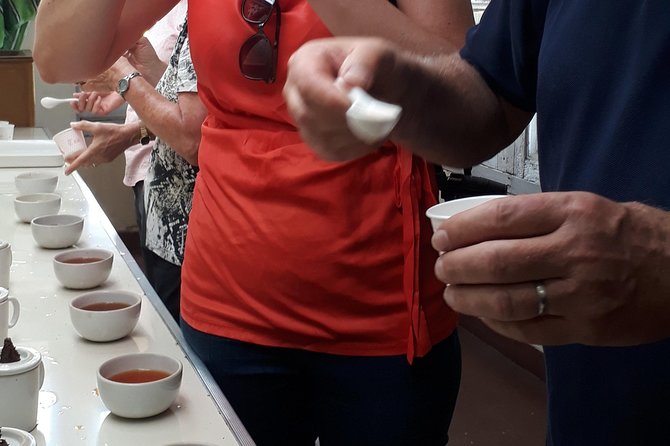
Coffee and/or tea is included, and the experience often includes a tea taste component. This is where the tour stops being “information” and turns into your own comparison. When you taste with a guide explaining what you’re sampling, it’s easier to remember the differences later.
The best part is not just the tasting—it’s the teaching around it. The guide talks about different types of tea and the merits of each. You’ll also hear about the industry’s legacy in Munnar and how the tea plant fits into a larger global story.
There’s also a broader lesson here about the plant itself: tea comes from Camellia sinensis, a cultivated variety connected to an origin area between India and China. That kind of background helps the day feel grounded instead of random facts thrown at you.
And yes, people mention health-related discussion too—at minimum, you’ll leave with a clearer sense of what the tea world claims and how to think about it. Just keep your expectations realistic: this is a learning experience, not medical advice.
The People Factor: Guides Make or Break Plantation Days
With plantation tours, the quality is uneven. Here, the tone is consistent: a big chunk of the praise goes to the guide’s personality and teaching ability.
Arun comes up the most. People describe him as knowledgeable in the practical sense—good at explaining, good at adjusting his pace, and patient if your English level needs repetition. One review also mentions his brother helping out with teaching, and another points to Arun taking people to less obvious areas of nature. That suggests the team approach is real, not just a scripted handoff.
That friendliness matters on steep, outdoor days. You’ll get better explanations when you’re comfortable asking questions, and you’ll feel less rushed while standing in the fields.
What to Wear and Bring (So the 3 Hours Feel Easy)
The tour duration is about 3 hours, which is short enough that you don’t want to overpack. Still, you are in plantation terrain, often on slopes, so wear shoes that you trust.
Bring a light layer for mornings and higher ground, and carry water if you tend to feel thirsty outdoors. Also, if you’re sensitive to sun and haze, plan for basic sun protection—your time is outdoors.
If you’re bringing kids or older adults, the tour says most travelers can participate, which is reassuring. But tea plantation terrain is still uneven, so use your judgment and keep expectations realistic about walking on slopes.
Who This Tour Suits Best
This fits well if you:
- Want a guided tea education instead of just a scenic stop.
- Like tours where someone explains what you’re seeing while you’re still in the environment.
- Enjoy learning the story behind a local industry—Munnar’s tea identity is a big part of the conversation.
- Prefer a private group so questions feel normal.
It may be less ideal if you want a long, intense hike. This experience is designed to be about a 3-hour tea-world introduction, not an all-day trekking expedition.
Should You Book Tea Farm Tourism in Munnar?
I’d book it if you’re curious about tea beyond taste notes. The best reason is the combination: 5,000-foot Western Ghats setting plus a guide like Arun who explains tea types, production techniques, and the industry background in a way that actually sticks.
You should skip or rethink it only if you can’t get to the KSRTC bus stand easily, since private transport isn’t included. If getting there is simple for you, this is a smart, good-value way to spend half a morning learning what makes Munnar tea more than a souvenir.
If you want a short, high-impact experience where you walk in the plantations and come away understanding the process, this one makes a lot of sense.
FAQ
Where does the Tea Farm Tourism tour start?
It starts at Munnar KSRTC Bus Stand, MSA Rd, Moolakadai, Munnar, Kerala 685612, India.
What time does the tour begin?
The start time is 9:00 am.
How long is the tour?
The duration is about 3 hours.
What is included in the tour price?
Coffee and/or tea is included.
Is private transportation included?
No, private transportation is not included.
Is this tour private?
Yes. This is listed as a private tour/activity, so only your group participates.
Is it easy to reach the meeting point using public transport?
Yes. It’s described as near public transportation.
What’s the cancellation policy?
You can cancel for a full refund if you cancel up to 24 hours in advance of the experience start time.
What happens if the minimum number of travelers isn’t met?
If it’s canceled because the minimum isn’t met, you’ll be offered a different date/experience or a full refund.
How much does it cost?
The price is $24.00 per person.