REVIEW · FUERTEVENTURA
Fuerteventura farm, caves and rural villages tour with lunch
Book on GetYourGuide →Operated by TUI Spain · Bookable on GetYourGuide
Fuerteventura looks barren, then becomes oddly captivating. This rural villages and sea caves day trip mixes real Canarian towns, standout churches, and a goat-farm tasting you’ll remember. I like the hands-on food stops and the way the guide explains how island life fits together. One drawback: it’s an 8-hour, bus-heavy day, so some sites can feel a bit rushed if you want lots of lingering time.
You’ll start with aloe vera and wellbeing basics, then ride across stark viewpoints before stepping into places like Pájara and Betancuria. If you’re lucky, your guide will be Marta, who is the kind of person who can make even bird facts sound like a fun road trip detail.
This tour is a good fit if you want a first-time overview plus tastings and you don’t mind moderate walking. It’s not suitable for wheelchair users or for people with reduced mobility, and you’ll want decent footwear because you’re walking around villages and viewpoints.
In This Review
- Key highlights you’ll care about
- Fuerteventura in one day: rural towns, sea caves, and hard-to-get-to corners
- Meeting your guide and learning Fuerteventura’s odd surprises
- Aloe vera farm: the island’s wellbeing product, explained on the ground
- Pájara’s church with Aztec-looking carvings: why the façade matters
- Ajuy black-sand beach and sea caves: chalk cliffs, real coastline, short window
- Betancuria and Santa María: stepping into the oldest Canarian church
- Lunch in Valle de Santa Inés: local ingredients, family-run comfort
- Goat farm tasting: cheese, jams, and honey rum liqueur
- Price and logistics: is $74 really good value?
- Who this tour suits best
- Final call: should you book this Fuerteventura tour?
- FAQ
- How long is the tour?
- What’s included in the price?
- Is lunch included?
- Where does the tour take place?
- What activities and sights are part of the day?
- What languages is the guide available in?
- Is the tour wheelchair accessible?
- What should I expect to walk?
- What local foods or drinks are tasted?
- Does the price include admission fees and tastings?
Key highlights you’ll care about
- Aloe vera farm start explains why this plant matters on Fuerteventura beyond the souvenir shop
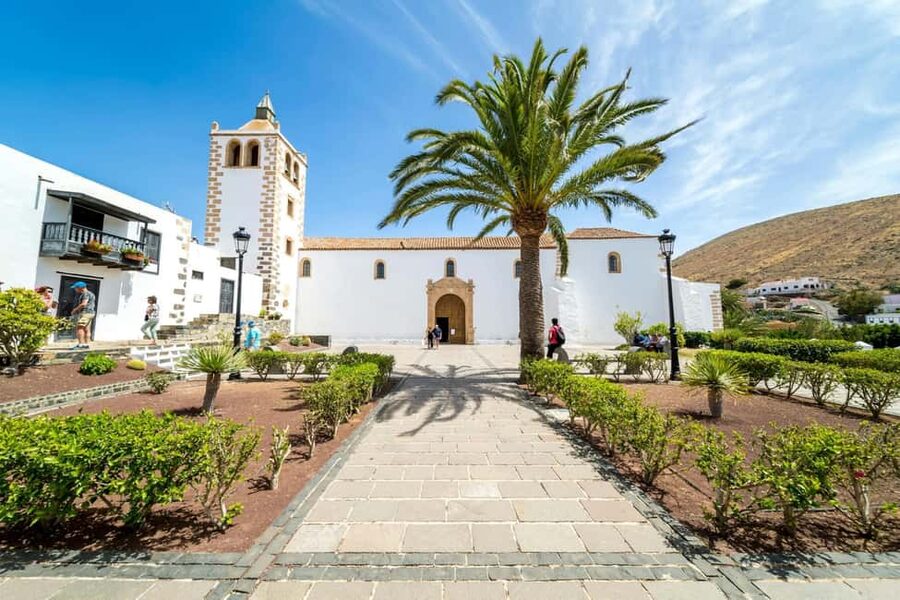
- Pájara’s Nuestra Señora de la Regla church façade has Aztec-looking carvings that are easy to spot and fun to photograph
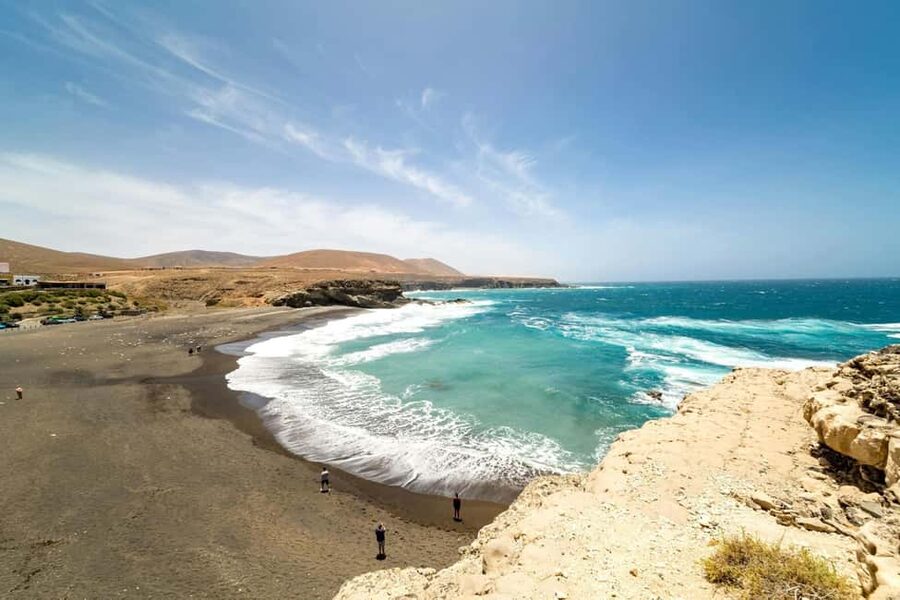
- Ajuy’s black-sand beach and sea caves sit in chalky cliffs where the coastline looks wild even in winter light
- Betancuria’s Santa María (consecrated 1424) gives you a real sense of how old the Canaries’ European story goes
- Family-run lunch in Valle de Santa Inés focuses on locally sourced ingredients, not buffet filler
- Goat cheese and honey rum tasting plus jams gives you a clear flavor map of the island
Fuerteventura in one day: rural towns, sea caves, and hard-to-get-to corners
For a single day, this tour packs in a lot of Fuerteventura’s “why people stay here” feeling. You’re not just driving through scenery. You’re stopping in working villages and coastal spots where you can see the coastline and daily rhythm up close.
The value here is that you get transport + a live guide + admissions + lunch under one price. Without a tour, you’d spend time arranging rides across multiple districts and still might miss the context that turns a church façade or cave into something more than a quick photo.
The tradeoff is time. This is a planned route with a lot of moving parts—boarding, driving, short site visits, then back on the coach. If you hate rushing, this may feel like a long list of “see and move” moments. If you like variety and want the island’s highlights with minimal effort, it’s a strong deal.
You can also read our reviews of more tours and experiences in Fuerteventura.
Meeting your guide and learning Fuerteventura’s odd surprises
A big part of the experience is the expert guide running the day. The tour offers English and German, and your guide will guide you through each stop with explanations during the ride and at key points.
What I like about this style is that it connects the dots. Your guide isn’t just pointing at buildings; you’re learning how products like aloe vera and goat-derived foods fit into the island economy and wellbeing culture. Marta is specifically mentioned for sharing surprising facts—like how Fuerteventura has 44 bird species even without the dense tree cover you’d expect on a more forested island.
That kind of detail matters because it changes how you look at the land. When you understand the island isn’t “empty,” you start noticing patterns: wind-exposed coastline, scrubby vegetation, and the way villages cling to livable spots.
Aloe vera farm: the island’s wellbeing product, explained on the ground
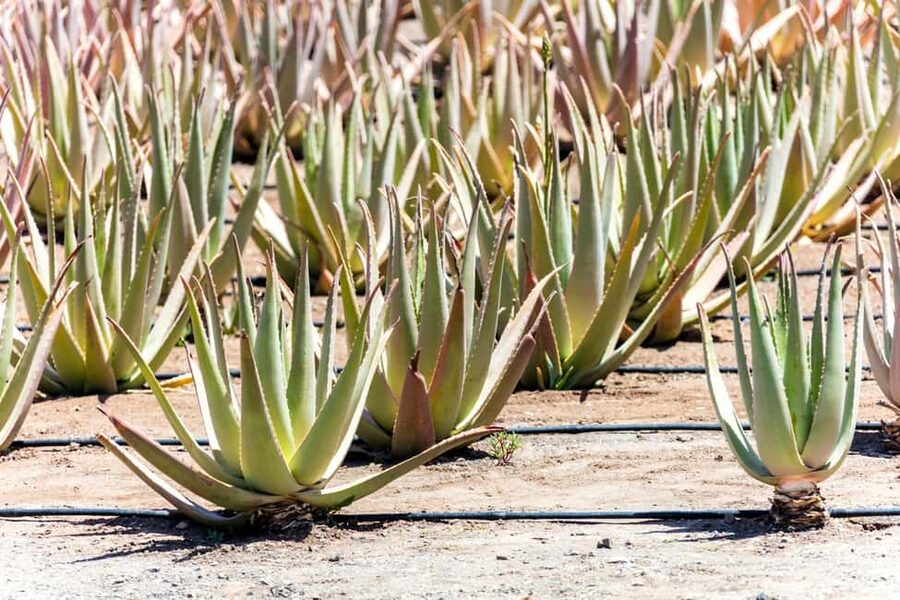
The day starts at an aloe vera farm where you learn about one of Fuerteventura’s best-known exports. You’ll hear how aloe vera became an all-rounder in the wellbeing world—why it’s used, and how it’s grown and handled on an island where water and conditions matter.
Even if aloe products aren’t your thing, this stop gives you a practical lens. Fuerteventura isn’t known for lush greenery, so the idea of a plant-based product that thrives in harsher conditions makes sense. You’ll likely come away understanding why this isn’t just a trendy label.
The only thing to watch: this is an early start, and your brain will be catching up on the first hour. If you want photos, have your phone/camera ready before you get wrapped in explanations.
Pájara’s church with Aztec-looking carvings: why the façade matters
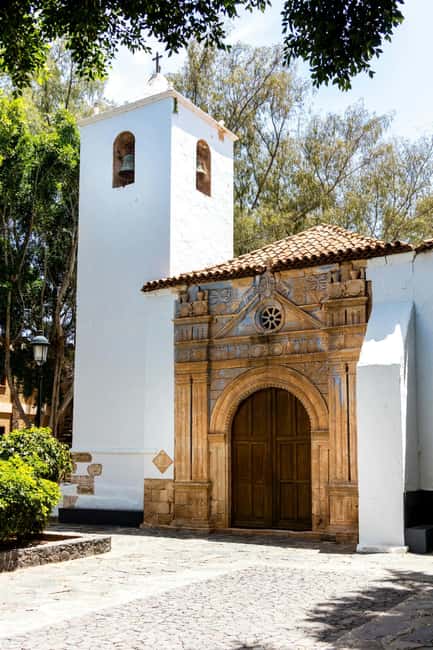
Next up is Pájara, where you visit Nuestra Señora de la Regla. The standout feature is the Aztec-looking design carved into the arch of the village church. It’s the kind of detail that’s easy to miss if you only glance, but once you know what you’re looking for, it’s hard not to see.
Pájara also has a reputation for charm, and the visit helps you notice why: you’re walking around a village with a strong identity, not a staged tourist set. This stop works well if you enjoy architecture and small-scale places where one church façade anchors the whole experience.
Time here can be limited, since the day is built for multiple locations. Still, the church is one of the best “payoff” stops because the decoration gives you an instant focal point.
Ajuy black-sand beach and sea caves: chalk cliffs, real coastline, short window
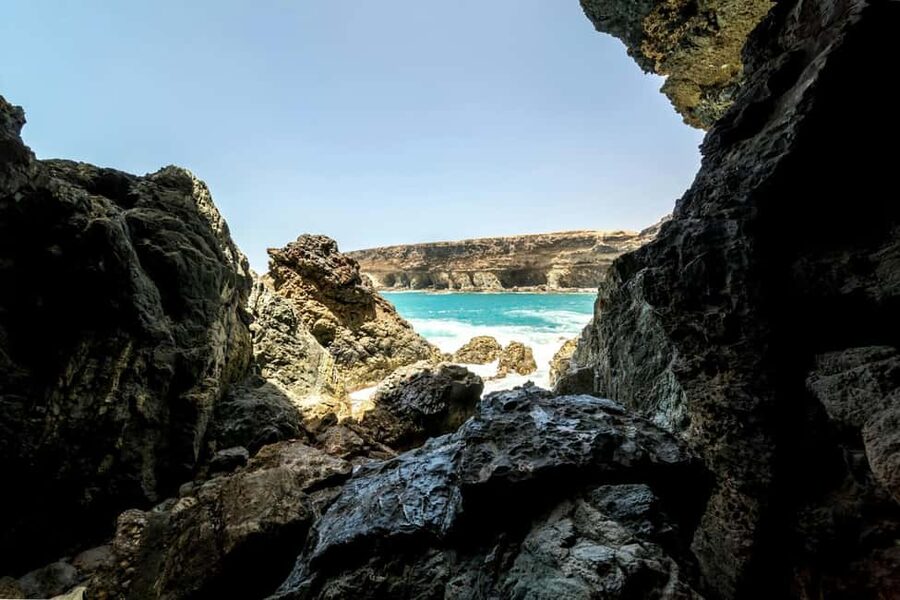
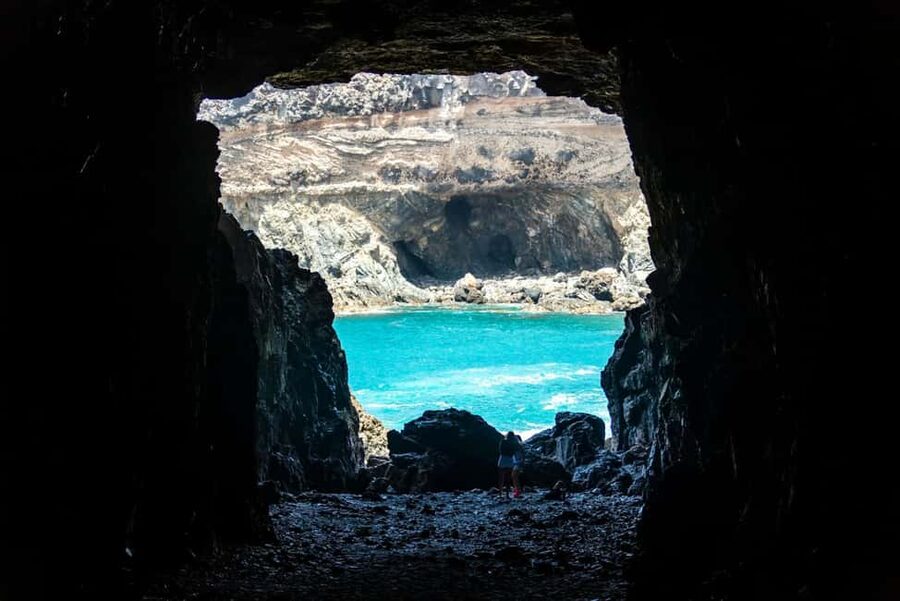
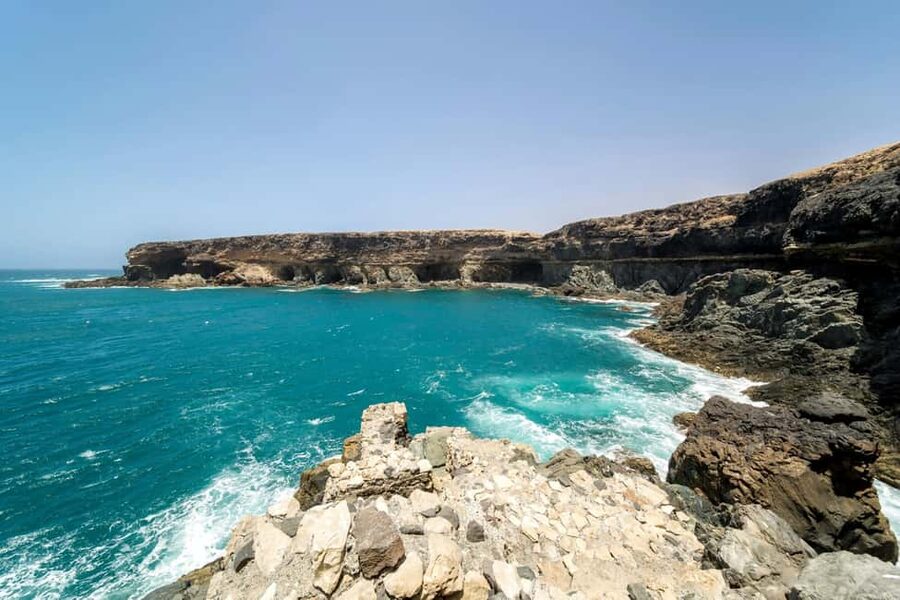
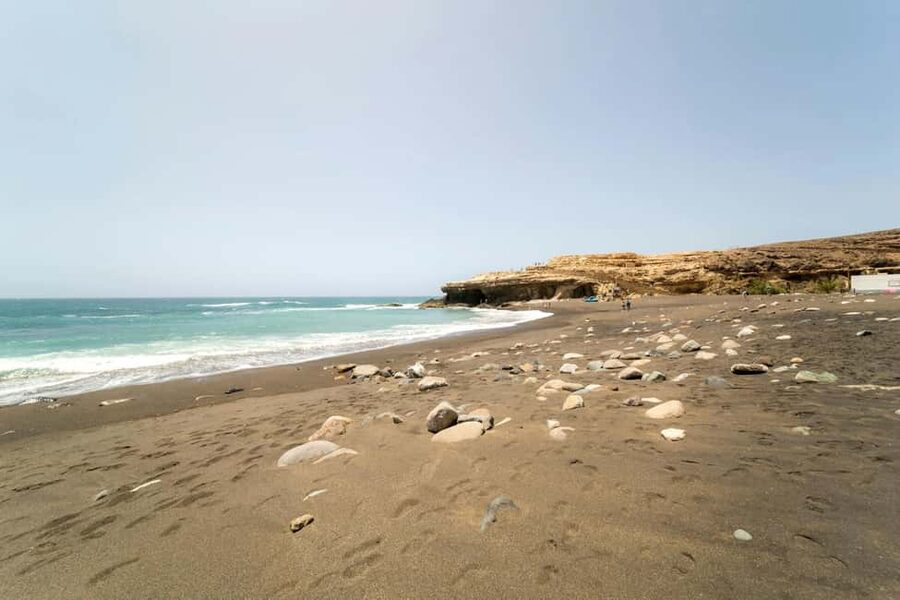
Ajuy is a tiny west-coast fishing village where the coastline does the talking. You can explore the black-sand beach and the sea caves in chalk cliffs, which feel dramatic even when the light is flat.
If you’re thinking about what to wear: bring shoes with grip. Black sand and cave entrances can be slippery, and you’ll be stepping around uneven ground near the coast. A light layer also helps if wind picks up, because the coast can feel cooler than the inland viewpoints.
One practical note: the pace of the overall day can reduce how much time you have at this coastal stop. So it helps to treat Ajuy as a place to move purposefully—get your bearings quickly, check the best cave viewpoints, then take your photo breaks. You’ll enjoy it more when you’re not waiting for the perfect long linger.
Betancuria and Santa María: stepping into the oldest Canarian church
Betancuria is where the tour slows in a meaningful way, even if you don’t get hours. You’ll have a chance to see Santa María, noted as the oldest church in the Canaries, consecrated in 1424. That date is the kind of detail that turns the building into a time machine, not just an attractive stone façade.
In addition to the church, you can choose to visit an archaeological museum in Betancuria and view exhibitions. This is a nice way to deepen what you’re seeing outdoors, especially if you like context instead of only walking around taking pictures.
Before you reach Betancuria, there’s a photo stop at the Las Peñitas viewpoint, overlooking parched mountains and the ocean. It’s one of the moments where the island’s unusual dryness becomes clear in a single glance, and it helps you understand why the villages and churches feel like islands of life rather than random stops.
As with other sites, your total time depends on how the day runs. If you’re the type who wants to sit in a church for a long while, plan for the fact that this day trip is designed to keep moving.
Lunch in Valle de Santa Inés: local ingredients, family-run comfort
Lunch happens at a family-run restaurant in Valle de Santa Inés. The key idea is that it’s made from locally sourced ingredients, which is exactly what you want on a day that also includes tastings at a goat farm.
This meal acts like a reset button. After villages and viewpoints, you get a proper break to sit down, eat, and talk with your guide if you’re curious. It also helps you pace the day: you’re not just snack-hopping between sights.
If you’re picky about service speed, keep expectations realistic. This kind of tour feeds a group in a set window, so it may not feel like a slow, sit-and-stay lunch. Still, the fact that it’s positioned as a real meal (not just a sandwich stop) is a big reason this tour is better value than many “drive-by” excursions.
Goat farm tasting: cheese, jams, and honey rum liqueur
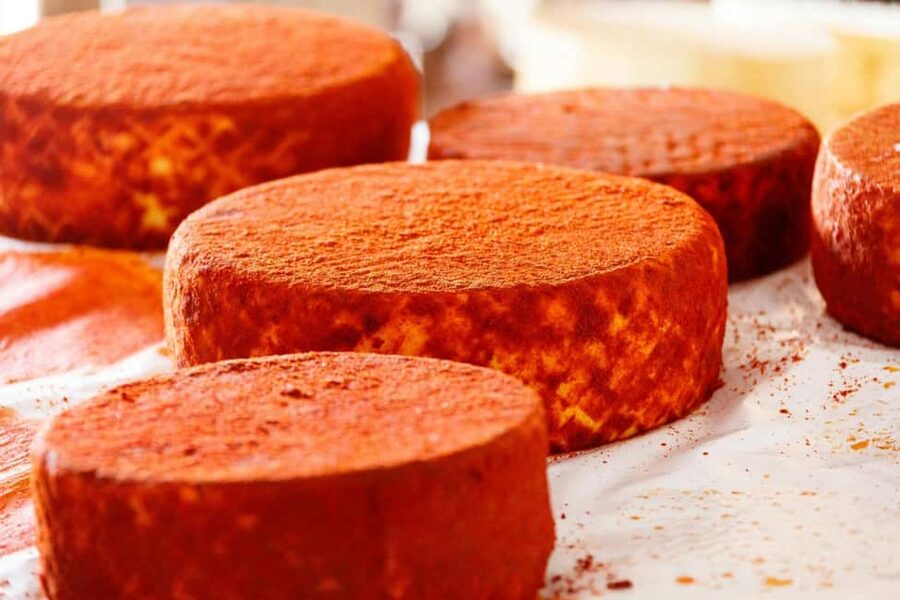
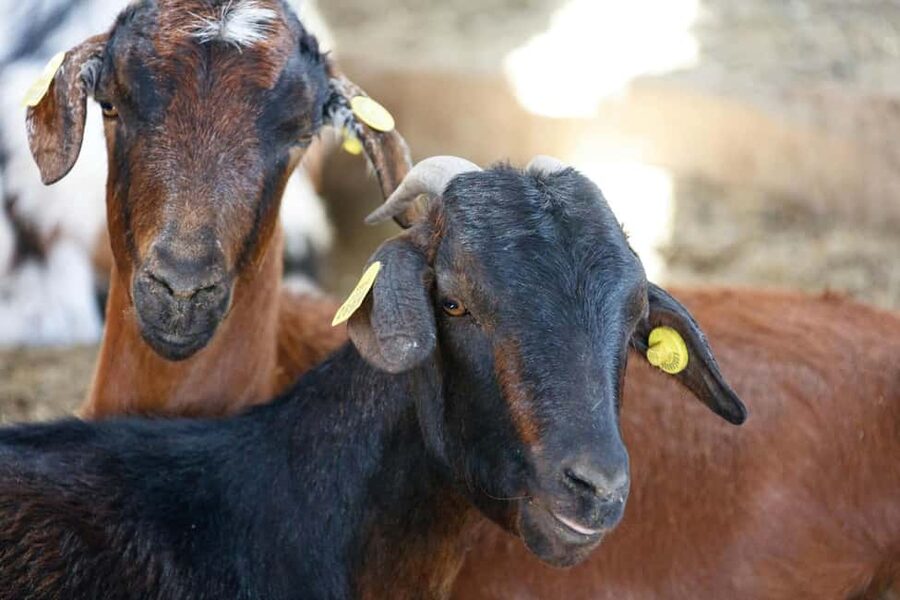
The final flavor anchor is a goat farm where you sample local products. You’ll taste locally made goats cheese, along with local jams and honey rum liqueur. This is the tour’s food-fan moment, and it’s also where you’ll likely remember the island’s character most clearly.
The way tastings work can vary, but the overall structure is consistent: a short explanation, then samples. I’d treat it as a sampler, not a full meal. You’ll get enough to understand the range, but don’t expect a long, slow “course tasting” experience.
If you enjoy food souvenirs, this is the stop to pay attention. The tastings are your easiest on-ramp to what’s worth trying later, whether you bring something home or just keep the flavors in your head for when you shop at home.
Price and logistics: is $74 really good value?
At $74 per person for an 8-hour day, this tour is strong value if you count what you’re getting: transport, a live guide, admission fees, lunch, and local tastings. Without that bundle, you’d pay separately for driving (or multiple taxis), tickets, and guided context.
Where the “value question” really shows up is time and comfort. The day is packed, and your pickup experience can affect the whole rhythm. Some departures can have confusion around pickup points—especially when hotel names sound similar—and you might end up needing to get yourself to a nearby meeting area to catch the coach. It’s not the end of the world, but it’s worth taking seriously.
Also, if you’re hoping for long stays at caves or coastal areas, keep expectations modest. This is a broad overview route designed to hit many places. You’ll see a lot, but you may not have maximum time at each stop.
Who this tour suits best
This trip is ideal for:
- First-timers who want a best-of route with minimal planning
- People who like churches, villages, and local food more than big museum halls
- Travelers who enjoy a guide-led day and don’t mind moderate walking
You should consider another option if:
- You need long, unhurried time in a few places rather than quick stops everywhere
- You have mobility limitations (the tour notes it isn’t suitable for wheelchair users or reduced mobility)
Final call: should you book this Fuerteventura tour?
If you want a day that combines rural villages, church details, black-sand coast time, and a goat-farm tasting, this is a great way to spend 8 hours without juggling logistics. The price makes sense because so many basics are included, and the guide adds context that turns stops into a story.
I’d book it when your priority is variety and local flavors, not maximum time at one site. And I’d double-check your exact pickup point in advance, because the schedule can feel hectic if the meeting location isn’t clear.
FAQ
How long is the tour?
The tour runs for 8 hours.
What’s included in the price?
Transport, a live guide, admission fees, lunch, and local delicacy tasting are included.
Is lunch included?
Yes, lunch is included as part of the tour.
Where does the tour take place?
It takes place on Fuerteventura in the Canary Islands, Spain.
What activities and sights are part of the day?
You visit an aloe vera farm, Pájara’s church with Aztec-looking carvings, Ajuy’s black-sand beach and sea caves, Betancuria (including Santa María), and a goat farm.
What languages is the guide available in?
The live tour guide is available in English and German.
Is the tour wheelchair accessible?
No. It is not suitable for wheelchair users and not suitable for those with reduced mobility.
What should I expect to walk?
The tour involves a moderate walking distance across villages and viewpoints, so comfortable footwear is important.
What local foods or drinks are tasted?
You sample locally made goat cheese, local jams, and honey rum liqueur at the goat farm.
Does the price include admission fees and tastings?
Yes. Admission fees and local delicacy tasting are included.
![Floating & Railway Market and Coconut Farm Tour [Optional Luxury] - Meeting Point at Siam Square and Ending at MBK for an Easy Return](https://4.farmtouring.com/wp-content/uploads/floating-railway-market-and-coconut-farm-tour-optional-luxury-400x267.jpg)