REVIEW · FUERTEVENTURA
Fuerteventura: Artisan Goat’s Cheese Making at Local Farm
Book on GetYourGuide →Operated by Timonfaya Travel Lanzarote · Bookable on GetYourGuide
Goat cheese making on Fuerteventura is hands-on. You’ll milk Majorera goats, churn your way through the steps to fresh Majorero, then leave with a vacuum-packed cheese you helped create.
I love the fact that this isn’t a demo. You do the work: milking (both hand and machine), making cheese step by step, pressing it, and then vacuum-packing and labeling your own final product. Elaine or Helen may lead your group through it, and the farm owner David often shows up in the background with that calm, caring farm energy.
One drawback to plan for: it’s physical and hands-on. You’ll be standing for long stretches, touching food up close, and getting a bit involved with farm routines—so it’s best if you’re comfortable with mess and farm smells for a couple of hours.
In This Review
- Key things you should know before you go
- Why Fuerteventura’s cheese scene feels different
- Morning start: welcome coffee and meeting the farm team
- Milking Majorera goats: the hands-on part that makes it stick
- Creating your Majorero cheese step by step
- The Canarian breakfast break: fuel, not filler
- Vacuum packing and labeling: your take-home moment
- How long is it, and how hard is it?
- Guides and farm atmosphere: why the tone matters
- Price and value: what $85 buys you here
- Who should book this workshop
- Should you book the Fuerteventura cheese-making experience?
- FAQ
- FAQ
- How long is the cheese-making workshop?
- What’s included in the price?
- What do I take home at the end?
- Is there a place to eat during the session?
- What languages are the tour guide’s instructions offered in?
- Is it a small group?
- Is the activity wheelchair accessible?
Key things you should know before you go
- You work with Majorera goats and learn why this breed is so well-suited to the island’s dry climate.
- Milking is real and hands-on, including both manual and machine techniques.
- You make your own fresh Majorero cheese from start to finish, not just watch.
- Breakfast is Canarian and farm-to-table, with a cheese sandwich and a cheese board plus mojos and homemade jams.
- You take home your cheese packaged by you, vacuum-packed and labeled with the farm sticker.
Why Fuerteventura’s cheese scene feels different
Fuerteventura has a reputation for goat cheese, and the workshop is where that reputation turns practical. You’re not chasing a vague flavor story. You’re learning how the island’s Majorero style comes to life, from the milk source to what ends up on your plate back home.
I like that the experience frames cheese as something made with care, timing, and repetition. The goats, the milk, the curd, the press, and the final packaging all connect. You start to understand that the taste isn’t magic. It’s process.
The price tag can look steep at first glance—$85 per person for about 2.5 hours. But when you consider that you’re taking home your own cheese from the press, plus a real Canarian breakfast and included drinks, it stops feeling like a ticket and starts looking like a food activity you can eat from later.
You can also read our reviews of more tours and experiences in Fuerteventura.
Morning start: welcome coffee and meeting the farm team
You begin with a welcome coffee and an intro to how the farm works. This opening moment matters more than it sounds. It sets expectations for what you’ll do and what you’ll see, and it helps you understand the rhythm of the day on a working goat farm.
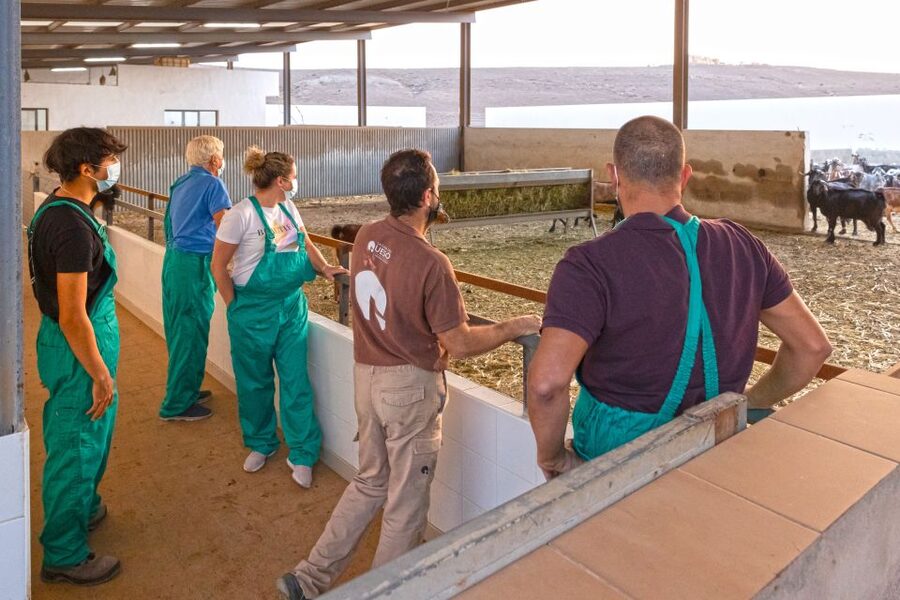
Right away, you get pulled toward the animals. In past sessions, groups have spent time feeding older goats, meeting a large part of the herd (often around 50 goats out of a 100-plus farm), and bottle-feeding baby goats. Some visits have even included the surprise of seeing baby goats born during the workshop window.
You don’t need to be an animal person to appreciate it, but if you are, this is a highlight. There’s a reason people remember the animal time as much as the cheese.
Milking Majorera goats: the hands-on part that makes it stick
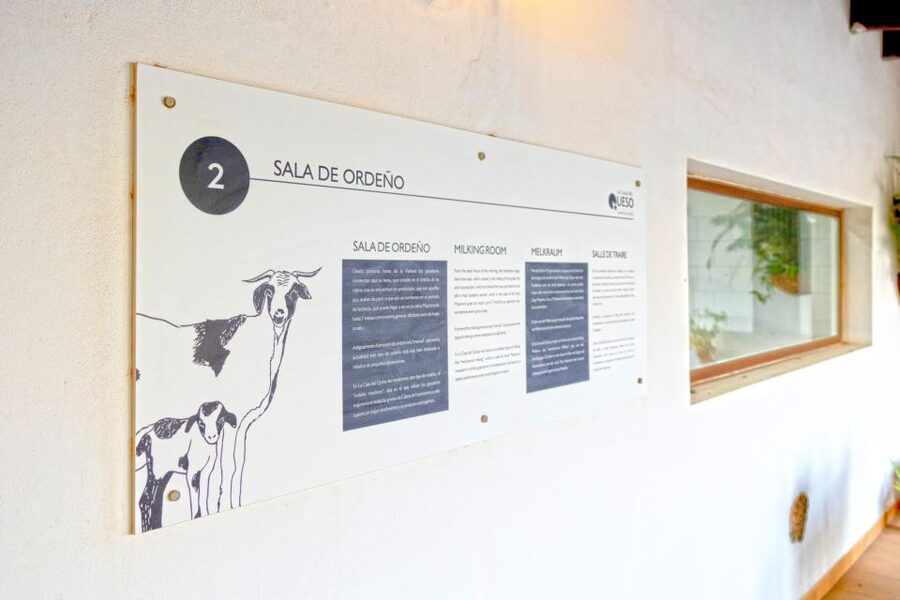
Milking is the core skill of this workshop, and it’s why the whole day feels authentic. You’ll learn both manual milking and machine milking techniques, which gives you a bigger picture than just one method.
What I like about this part is how it teaches your brain to connect steps. You’re handling the same basic idea—getting milk safely and consistently—while seeing how the farm balances tradition and efficiency. You also get a feel for why the Majorera goats are described as ideal for desert climates. Their adaptation affects day-to-day farm life, which then affects the milk you’re working with.
Some groups report getting to hand milk and assist through the process, plus drink milk straight from the udder. If you’re curious, it’s worth trying, but it’s still your choice. Either way, the goal is the same: you learn what the milk stage really involves.
Creating your Majorero cheese step by step
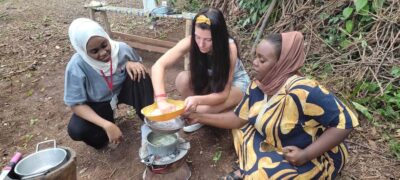
After milking, you move into the real transformation: turning milk into fresh cheese. This is where the workshop earns its “hands-on” promise. You’ll work through the steps like a cheesemaker, using tools and equipment provided for your group.
The process includes shaping and resting the cheese in a press, and then moving back to the production area once it’s set. You’re not just watching curds appear. You’re part of the chain that makes them.
I also appreciate that the workshop structure prevents the common cheese-tour problem: boredom. It keeps switching between animal time, production time, and food time. Even if you’re not obsessed with dairy chemistry, you’ll still feel momentum.
And the end goal is tangible. You’ll leave with your own cheese from the press, vacuum packed and labeled by you. That personalization is one of the best souvenirs from any food tour, because it’s edible—and it’s clearly yours.
The Canarian breakfast break: fuel, not filler
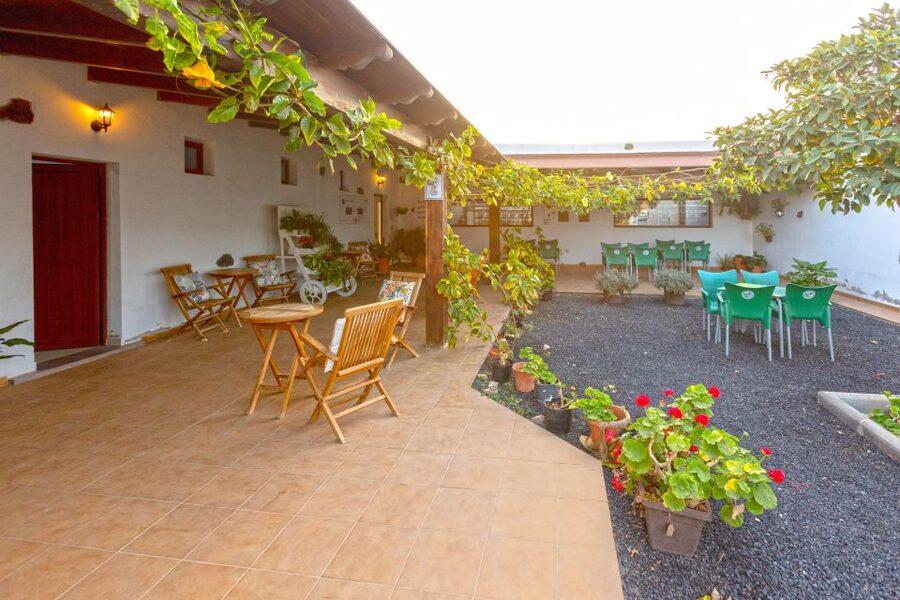
Midway through the workshop, you get a break for breakfast in a garden patio setting. This is built for comfort, but it’s also practical. You’re working with your hands and you’ll likely burn energy with the animal part, so breakfast is part of keeping the experience enjoyable.
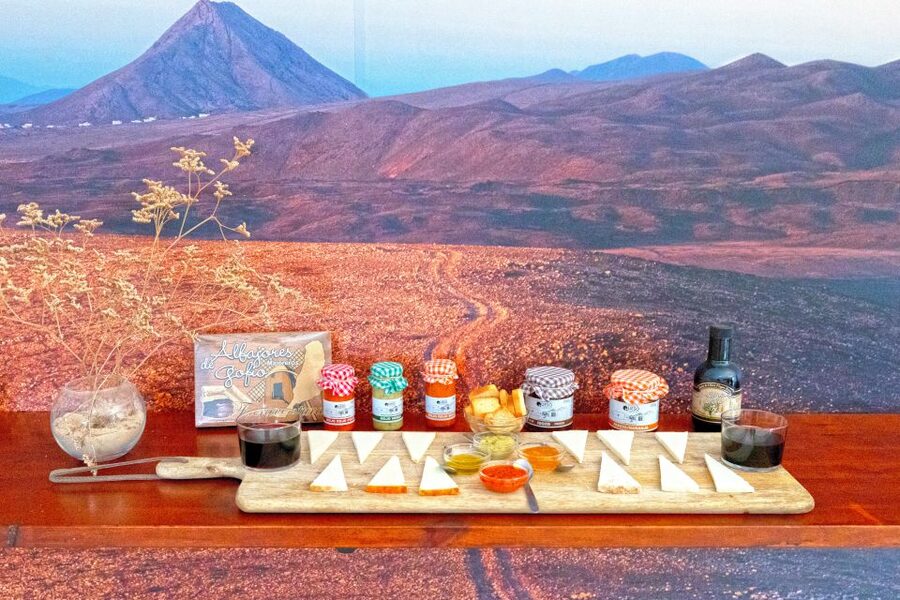
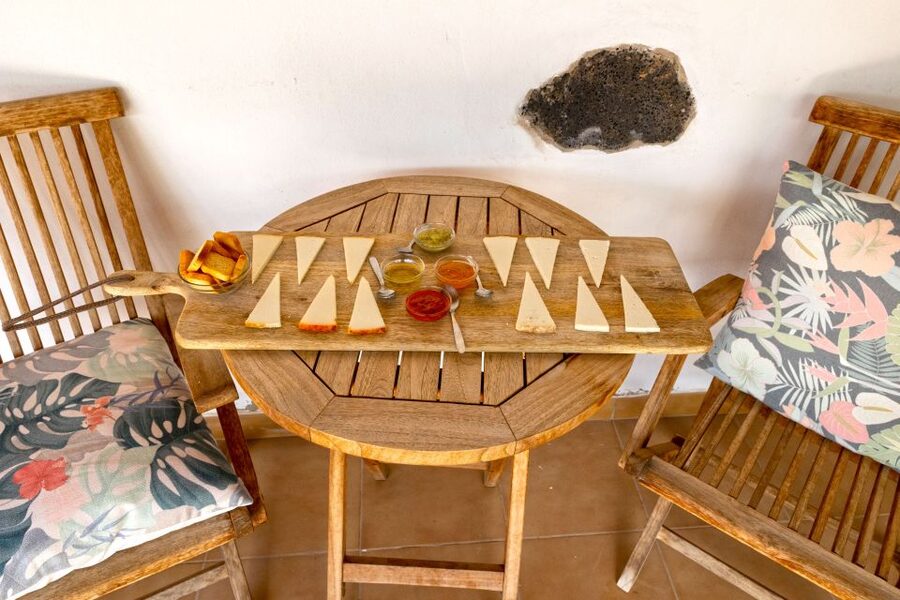
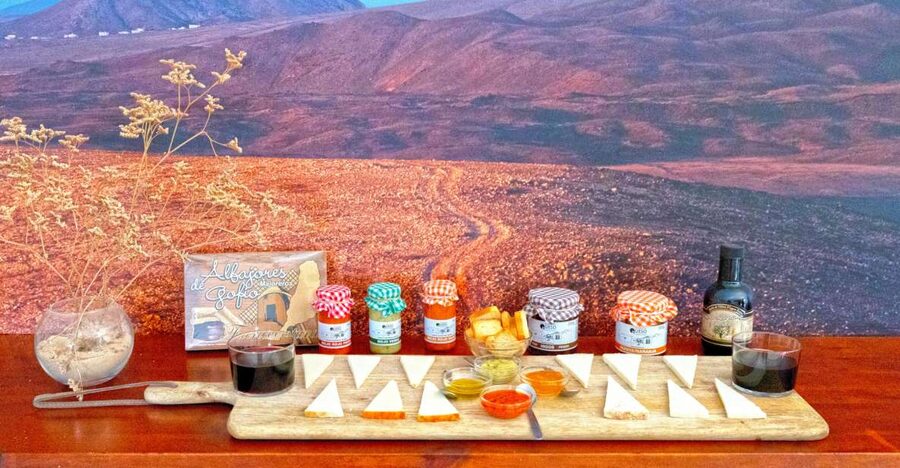
The included meal is very Canarian in spirit and cheese-forward in content. You can expect a fresh cheese sandwich, a cheese board with Canarian mojos and homemade jams, and then a drink of your choice: coffee, tea, Tenerife wine, beer, soft drinks, or water.
A small but meaningful detail: breakfast isn’t just a generic snack plate. It’s designed to connect what you’re making with what you’re eating. You’ll taste flavors that fit the island’s food style, while still thinking about how your cheese is progressing in the background.
Vacuum packing and labeling: your take-home moment
Once your cheese has rested in the press, you head back to the production room. This is the stage people often mention as a bonus because it turns your effort into something you can bring home without drama.
You vacuum-pack the cheese and label it yourself. That label step is quick, but it’s fun in a very practical way. It makes it feel like a real product, not a souvenir bag you’ll forget in the fridge.
You’ll also get the farm sticker for the labeling process, so even if you’re not a cheese expert, you’ll know exactly what you made and where it came from.
One small consideration: vacuum-packed cheese is still cheese from a working farm, not an ultra-processed product. Treat it well after you return—follow any care instructions you’re given on-site or on the label—so it stays at its best.
How long is it, and how hard is it?
The experience runs about 2.5 hours. That’s a sweet spot. It’s long enough for meaningful hands-on learning, but not so long that you lose track halfway through.
The group size is limited to 10 participants, which keeps it from turning into a crowd-control factory. In smaller groups, guides can actually correct technique and guide you through the shaping and press work without rushing you.
As for effort, this is not a sit-and-sip workshop. Milking and prep involve standing and using your hands, and farm environments can be unpredictable. If you’re coming with mobility limits, note that the activity is listed as wheelchair accessible, but you’ll still want to plan for farm-floor realities.
Guides and farm atmosphere: why the tone matters
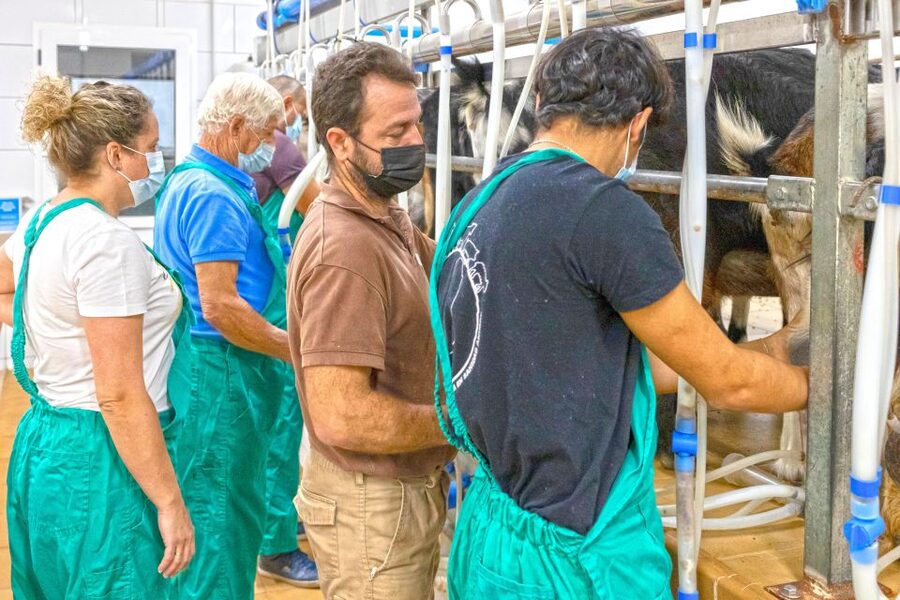
Food tours can feel scripted. This one tends to feel more human. Multiple sessions have highlighted family-style care and patience from the people running the farm. Elaine is one of the names that comes up often as a guide who keeps explanations clear and makes sure participants truly get involved.
Helen is another guide name that appears in feedback, and owner David is described as friendly and patient. In short: you’re not thrown into a factory line. You’re part of a small team for a few hours.
That tone matters because cheese making isn’t complicated in theory, but it’s precise in practice. When the guide slows down and explains each step, you leave with real confidence instead of a blurry memory of doing things once.
Price and value: what $85 buys you here
At $85 per person, the workshop isn’t bargain territory. So I look at value in three buckets: what you learn, what you eat, and what you take home.
Learning: you handle manual and machine milking and participate through the cheese-making workflow. That’s more skill than you’d get from a typical tasting-only stop.
Eating: the included Canarian breakfast is substantial—sandwich, cheese board with Canarian mojos and homemade jams, and a drink. Many food tours include snacks. This one gives you a meal that matches the theme.
Taking home: you leave with your own cheese from the press, vacuum-packed and labeled. The take-home food factor is what makes the cost feel fair for a lot of people, especially if you’re planning to bring something back that’s actually worth eating later.
If you love food, farm experiences, and hands-on learning, the price becomes easier to justify.
Who should book this workshop
You’ll likely enjoy this most if you:
- want something more active than a tasting
- enjoy animal time and don’t mind getting involved
- like learning how local food is made, not just hearing about it
- travel with family members who can handle a hands-on setting (feedback has suggested it works well for different ages)
It may not be your best match if you strongly prefer low-contact experiences or if you’re expecting a purely culinary lecture. This is work. Fun work, but still work.
Also, because the guide operates in English and Spanish, it’s well suited to mixed-language groups. Even if you’re limited in either language, the physical steps help you follow along.
Should you book the Fuerteventura cheese-making experience?
Yes, if you want a real farm-to-table experience where your hands matter. The combination of Majorera goat milking, hands-on Majorero cheese making, and the included Canarian breakfast is a practical way to understand why Fuerteventura’s cheese has such a strong identity.
I’d book it when you’re also in the mood for small-group activities. With a group size capped at 10, you’re more likely to get real guidance at each step and spend time with the animals instead of waiting in line.
If you’re on the fence, think about one question: do you want to take home food you made, vacuum-packed and labeled by you? If that idea excites you, this workshop is a strong match. And if your plans are flexible, check the operating dates and times; the experience runs about 2.5 hours, and free cancellation up to 24 hours in advance is listed for full refund.
FAQ
FAQ
How long is the cheese-making workshop?
It lasts about 2.5 hours.
What’s included in the price?
You get a welcome coffee, a guided cheese-making workshop, milking instruction (manual and machine), making your own Majorero cheese, a traditional Fuerteventura breakfast (including a cheese sandwich, cheese board with Canarian mojos and homemade jams), and one drink per person.
What do I take home at the end?
You take home your own Majorero cheese from the press. You also vacuum-pack it and label it yourself.
Is there a place to eat during the session?
Yes. There’s a traditional Canarian breakfast break midway through the activity, served in a patio setting.
What languages are the tour guide’s instructions offered in?
The live guide provides English and Spanish.
Is it a small group?
Yes. The group is limited to 10 participants.
Is the activity wheelchair accessible?
The activity is listed as wheelchair accessible.