REVIEW · ASO
Aso Caldera and Farm Experience Tour
Book on Viator →Operated by Satoyama Journey · Bookable on Viator
Caldera views meet real farm work. This private Aso outing pairs the jaw-dropping Daikanbo overlook—grassland foreground, huge caldera backdrop, and the five peaks of Mt. Aso—with a hands-on farm-to-table lunch that’s guided by locals. I also like that you’re not stuck at one viewpoint; you get both the geology and the everyday life around it, with an English-speaking guide keeping things clear.
I especially enjoy the fact that the food is simple, made with what you help gather, like harvesting yam. One thing to plan for: this tour needs good weather, and the farm portion does involve moderate walking and hands-on work.
In This Review
- Key highlights to know before you go
- Why this Aso tour feels like two trips in one
- Daikanbo Overlook: the caldera view that sets the mood
- Tateiwa Suigen Park: the hands-on farm-to-table part
- Meeting the locals: why the people part matters
- Timing, pickup, and how to keep the day easy
- Price and value: what you’re paying for at $156.09
- What to pack for caldera views and farm work
- Who should book this Aso caldera + farm experience
- Should you book this Aso Caldera and Farm Experience?
- FAQ
- Where does the tour start and end?
- What time does the tour begin?
- Is this a private tour?
- Is pickup available?
- What do you do at Daikanbo Overlook?
- What happens during the farm-to-table experience?
- Is the tour physically demanding?
- What if the weather is bad?
- Can I cancel for a full refund?
Key highlights to know before you go
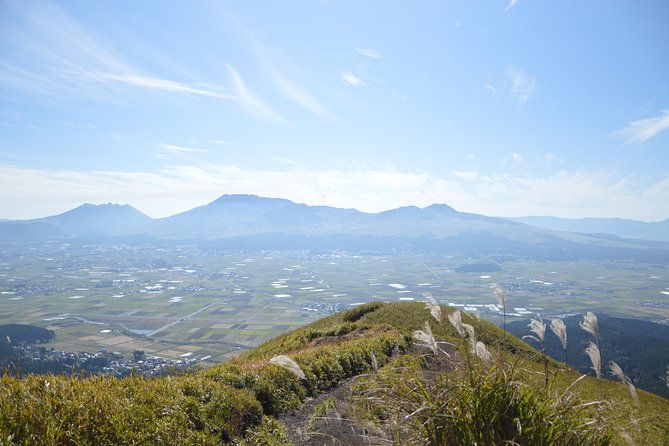
- Daikanbo overlook timing: start with Aso’s best-known view and get your bearings fast
- North caldera-wall photo angles: grassland on one side, massive volcanic bowl on the other
- Real farm-to-table: harvest seasonal vegetables and help prepare local cuisine
- Lunch with local hosts: you’ll eat what the day’s work produces, guided by people like Nuroko and Hiroko san
- Private group feel: it’s just your party, not a crowded cattle-car situation
- Weather-dependent experience: the day’s flow depends on visibility and conditions
Why this Aso tour feels like two trips in one
Aso is famous for one thing first: the scale of Mt. Aso and its caldera. But if all you do is look from far away, you miss the bigger story—how people live with a volcano that shapes the land every day. This tour gives you both sides: spectacle up top, then hands-on rural life a short distance away.
The value, in my mind, comes from the balance. You pay for a guided day that doesn’t just point at sights; it also gives you a reason to slow down—harvesting, cooking, and sharing lunch where the ingredients come from nearby fields. And you get it in half-day time, so it won’t wreck your whole itinerary.
Daikanbo Overlook: the caldera view that sets the mood
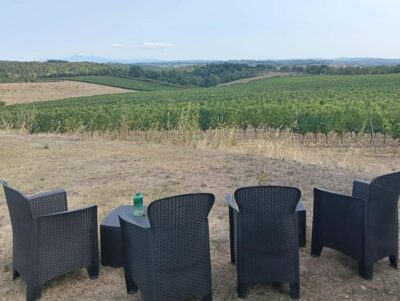
Your morning begins at Daikanbo Lookout in Aso. From there, you head to the highest point on the north caldera wall, which is a big part of why the scenery hits so hard. You’re walking through open grasslands on one side, then turning to face the enormous volcanic basin on the other.
This stop is built for two goals. First, you get iconic sightlines without needing tricky logistics on your end. Second, your guide shares background on how the volcano shaped the area—useful context if you want more than postcard photos.
Practical tip: bring a camera, yes, but also bring patience for wind and light. Overlook views can shift quickly based on clouds, and on a volcanic day that matters. If the weather is good, this is the kind of viewpoint where it’s easy to understand why Mt. Aso has held attention for generations.
Possible drawback: the viewpoint walking is not described as extreme, but it’s still outdoor walking on grass and uneven ground. Wear shoes that won’t punish you after a few minutes outside.
Tateiwa Suigen Park: the hands-on farm-to-table part
After the caldera orientation, the tour moves you into the smaller communities around the volcano. The farm experience takes place at Tateiwa Suigen Park (or a similar location), where you’ll explore the countryside with locals and then get to work.
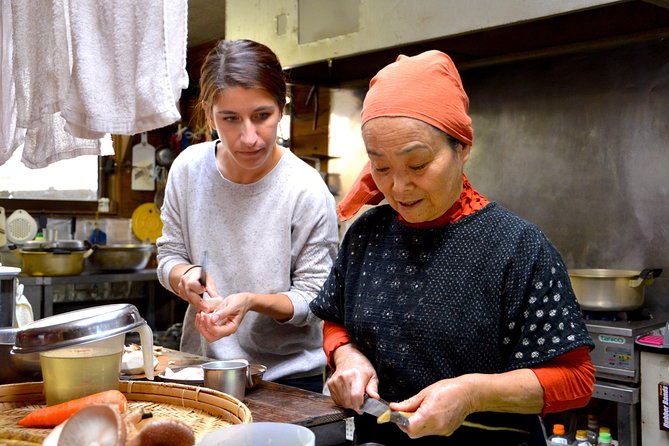
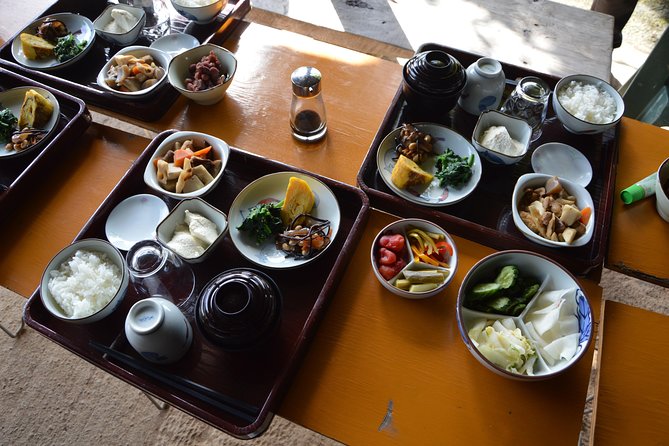
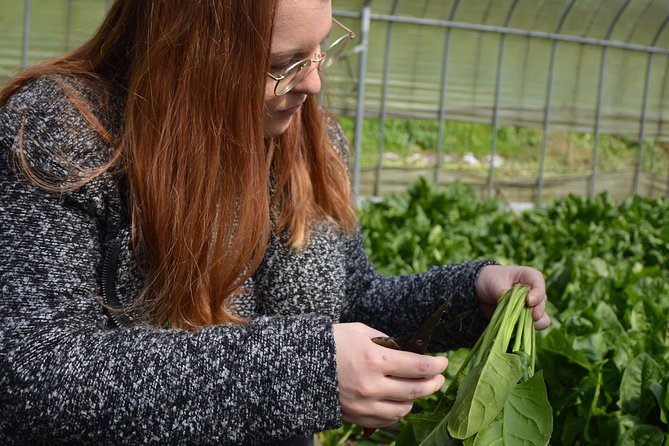
Here’s the core idea: it’s not just a “see a farm” stop. You’ll harvest seasonal vegetables, help prepare local cuisine, and then sit down to a lunch made from locally sourced ingredients. That “from field to table” arc is what makes it more than a meal with good branding.
What you’re likely to do during the farm session
- Pick and gather vegetables that are in season
- Work with locals on meal prep (the pace and tasks can vary by what’s growing)
- Enjoy lunch together after the cooking is done
From the experience notes and guide responses, one of the memorable moments is harvesting yam—fun, hands-on, and a bit different from the usual “touristy tasting.” Another big plus is that the lunch is described as simple yet genuinely excellent. That’s often the best kind of meal to aim for in rural Japan: fewer tricks, better ingredients, and a lot of care.
A consideration: hands-on work means you should expect some mess and physical effort. Even if you keep things casual, you’ll still be outside for part of the session and using your hands. Moderate physical fitness is listed for a reason, so don’t treat it like a sit-down museum stop.
Meeting the locals: why the people part matters
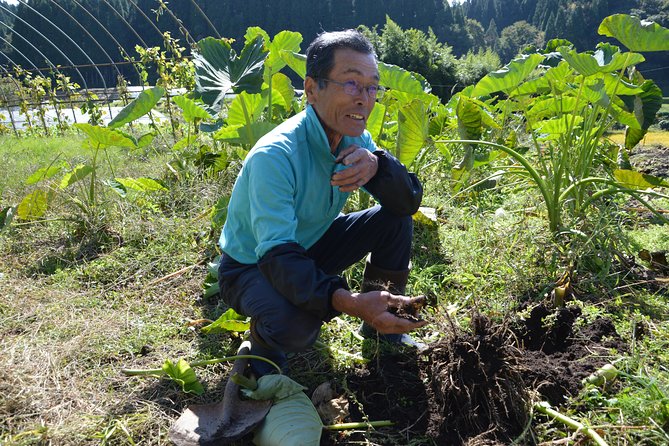
A lot of tours claim cultural interaction. This one tries to make it practical. You’re not just watching from a distance—you’re working alongside locals and eating with them after.
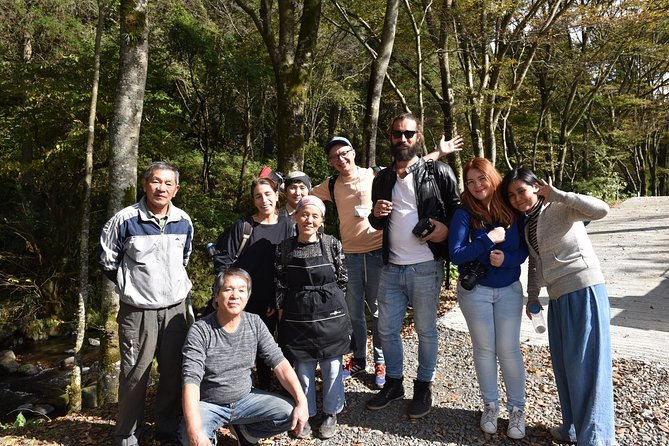
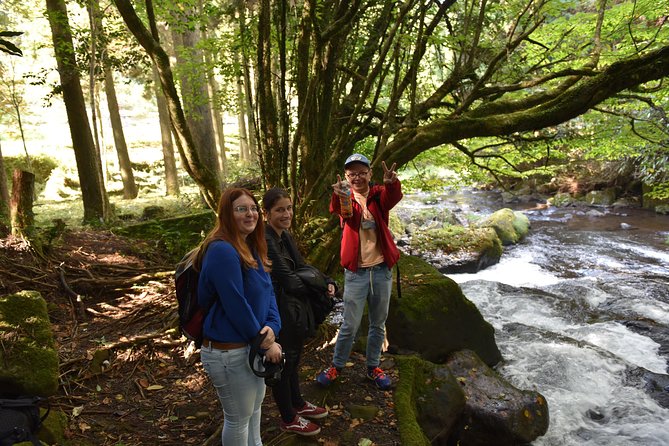
The names that come up in the feedback—Nuroko and Hiroko san—point to how personal the cooking and hospitality are. When locals are the ones preparing food and guiding tasks, it changes the tone. You’ll likely learn things that don’t come from brochures: how rural life is paced, what seasonal harvest looks like, and how families build meals from what the land provides.
Your English-speaking guide plays a key role here. Even with basic conversation, having a translator helps you ask better questions while you’re working, not just at the end when everyone’s tired. If you care about learning more than taking pictures, this structure is a win.
And yes, you’re still in a guided setting. So you get the best of both worlds: authentic work and food, plus someone making sure your experience is understandable.
Timing, pickup, and how to keep the day easy
This is a half-day format that starts at 9:00 am. Your day is split between a long-ish caldera viewpoint stop and the farm session afterward, so you should plan to treat the morning as the main event.
Pickup is offered, and you can also use the free transportation option connected to the pickup spots. That matters more than it sounds. Aso can be spread out, and rural areas don’t always match the timing of public transit. Having a plan reduces the stress of squeezing viewpoints and country roads into a tight schedule.
It’s also private, meaning it’s only your group. That’s a real quality-of-life improvement if you’re traveling with friends or family and you want conversations to happen naturally. No waiting for strangers to finish photos. No awkward “group herding.”
Mobile ticket is included, which typically helps you stay organized. And if you’re traveling with a service animal, the tour allows service animals, which is worth noting.
Price and value: what you’re paying for at $156.09
At $156.09 per person, you’re not paying for entry fees alone. You’re paying for three things bundled together:
1) A guided caldera experience at a prime viewing area
2) Transport support via pickup/free rides between key spots
3) The hands-on farm-to-table portion, including harvesting, cooking support, and lunch
The farm part is where the price starts to feel more reasonable. Many “food experiences” are just tasting with a short walk. Here, you’re doing actual work—harvesting and helping prep—and then you get a shared lunch that matches the effort. If you like food and you like learning how ingredients are grown and used, this is the kind of cost that makes sense.
Another value clue: group discounts are offered. If you’re traveling as a small group, it can help lower the per-person sting.
The one caution on value is weather. This tour requires good weather. If conditions are poor, the plan may shift, or you may be offered a different date or a full refund. That’s not a hidden catch, but it does mean the day you choose matters.
What to pack for caldera views and farm work
This tour mixes two different environments: an outdoor overlook and a working farm area. Pack like you’re doing both, because you are.
My must-haves
- Comfortable closed-toe shoes for walking on uneven outdoor ground
- Layers for wind and changing visibility around the volcano
- A bag you don’t mind getting a little dirty, especially if you’re helping with harvesting
Bring basic sun protection too. Even when the views are the main event, you’ll still be standing and walking outside for long enough to feel it.
Also consider your clothing for farm prep. If you’re cautious about getting your sleeves or hands dirty, you’ll enjoy the day more if you dress for that possibility.
Who should book this Aso caldera + farm experience
This works best if you want a real mix of nature and local life.
Great fit if you
- Love volcano scenery and want the caldera story explained, not just photographed
- Like hands-on food experiences where you harvest and then eat what you helped make
- Prefer a private, smaller-group vibe with an English-speaking guide
- Are traveling with a partner or small group that enjoys working together
You might reconsider if you
- Don’t want any moderate physical activity at all (the farm session is hands-on and described as needing moderate fitness)
- Have very limited flexibility with scheduling because the tour depends on good weather
Should you book this Aso Caldera and Farm Experience?
I think you should book if you want more than a viewpoint stop. The pairing of Daikanbo’s caldera drama with a genuinely hands-on rural lunch is the reason this kind of tour stands out. I especially like that the food is described as simple and excellent—and that harvesting (like yam) is part of the fun, not just a photo moment.
Book this tour on a day when the weather looks cooperative. If the forecast is iffy, be ready to adapt, since the experience depends on conditions around the volcano.
If your idea of a great day in Japan includes calm countryside time, real local food, and a guide who helps you connect the dots, this half-day in Aso is a strong choice.
FAQ
Where does the tour start and end?
The tour starts at Daikanbo Lookout, Yamada, Aso, Kumamoto 869-2313, Japan. It ends at the farming experience location around Tateiwa suigen park (Tateiwasuigen Park), 1-528 Manganji, Minamioguni, Aso District, Kumamoto 869-2402, Japan.
What time does the tour begin?
The start time is 9:00 am.
Is this a private tour?
Yes. It’s a private tour/activity, and only your group will participate.
Is pickup available?
Pickup is offered. The provider also offers free transportation to the same spots where pickup is available.
What do you do at Daikanbo Overlook?
You enjoy Aso’s top view from the Daikanbo observatory, walk around grasslands, and take in the volcanic caldera and the five peaks of Mt. Aso. Your guide also shares history about the volcano.
What happens during the farm-to-table experience?
At the Tateiwa suigen park area (or similar location), you explore rural surroundings with locals, harvest seasonal vegetables, prepare local cuisine, and then enjoy a genuine Japanese lunch using locally sourced ingredients.
Is the tour physically demanding?
The tour lists moderate physical fitness as a requirement. You should be comfortable with outdoor walking and hands-on farm activities.
What if the weather is bad?
This experience requires good weather. If it’s canceled due to poor weather, you’ll be offered a different date or a full refund.
Can I cancel for a full refund?
Yes. You can cancel up to 24 hours in advance for a full refund. If you cancel less than 24 hours before the experience starts, the amount paid is not refunded.