REVIEW · SIENA
Siena: Small-group Cooking Class in a Chianti Farm
Book on GetYourGuide →Operated by Siena Emotions · Bookable on GetYourGuide
Dinner starts with flour and patience in Tuscany. This Siena Chianti farm cooking class turns that idea into a hands-on 3.5-hour experience with a professional Italian chef and a seriously good Chianti hills view while you eat. I like how practical the teaching feels, and I also like that the meal is built from what you actually make.
One thing to consider: transportation isn’t included, so you’ll want to handle getting to the farmhouse on your own. And if you’re hoping for ultra-slow, filmed-by-step pasta assembly, you might want to take notes as you go since the class pace is hands-on and a bit fast.
In This Review
- Key things I’d circle before you book
- Cooking class in the Chianti hills: why this beats a city demo
- Finding the farmhouse and settling in with Chef Simone
- The main lesson: Tuscan pasta plus bruschetta or crostini
- Cooking the pasta: learn technique, not just a dish name
- Bruschetta and crostini: the flavor layer you can copy anywhere
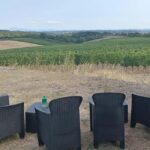
- Lunch with your own food, plus wine and a view
- A practical tip for maximum enjoyment
- Tiramisu finish: the classic that makes the day feel complete
- What you truly take home: recipes, technique, and kitchen confidence
- Price and value: is $100 per person a fair deal?
- Who this Chianti farm class is best for
- Quick practical notes so you’re not surprised
- Should you book this cooking class in Siena’s Chianti hills?
- FAQ
- What is the duration of the Siena cooking class?
- Where does the experience take place?
- What does the price include?
- Is transportation to and from the farmhouse included?
- What kinds of dishes will I learn to make?
- What language will the chef teach in?
- Is there parking available?
- Is the meeting point inside the farmhouse?
- Is the activity wheelchair accessible?
Key things I’d circle before you book
- Hands-on Tuscan pasta guided by an Italian chef with English and Spanish support
- Bruschetta or crostini practice using fresh, original ingredients
- Lunch made from your own cooking, served with wine and water
- Tiramisu as the traditional sweet finish
- Chianti farmhouse atmosphere with views over the hills
- Free parking on-site, which makes arriving easier
Cooking class in the Chianti hills: why this beats a city demo
A lot of cooking classes tell you Tuscany is about food. This one shows you. You’re in a working-feeling farmhouse area in the Chianti hills, and the day starts with the basics you can repeat later: dough work, topping craft, and seasoning that tastes like it came straight from a Tuscan kitchen.
The biggest difference is the setting. When you’re standing at a counter looking out over the hills, you pay attention differently. You don’t just learn recipes; you learn how to time tasks, taste as you cook, and keep your focus while you’re preparing lunch for real.
And because it’s small-group (not a giant factory of tourists), it tends to feel more like a shared workshop than a performance. You get real guidance on what to do next and why.
You can also read our reviews of more tours and experiences in Siena.

Finding the farmhouse and settling in with Chef Simone
The class meets at the farmhouse entrance. Your chef is there when you arrive, so you’re not wandering around guessing where the kitchen lesson is happening. That simple setup matters, especially in rural Tuscany where parking and directions can eat time.
Your instructor is an Italian chef, with English and Spanish used as needed. That’s a big deal if your Italian is limited. You’ll still hear Italian cooking language, but you won’t be stuck guessing what a key instruction means.
From the start, the energy is relaxed. You’re not just watching someone else cook. You’re learning in a rhythm that fits a short afternoon: get tasks explained, do the work, then taste and adjust. Several people singled out the teaching and the friendly vibe—Chef Simone is repeatedly mentioned as a standout host and instructor.
The main lesson: Tuscan pasta plus bruschetta or crostini
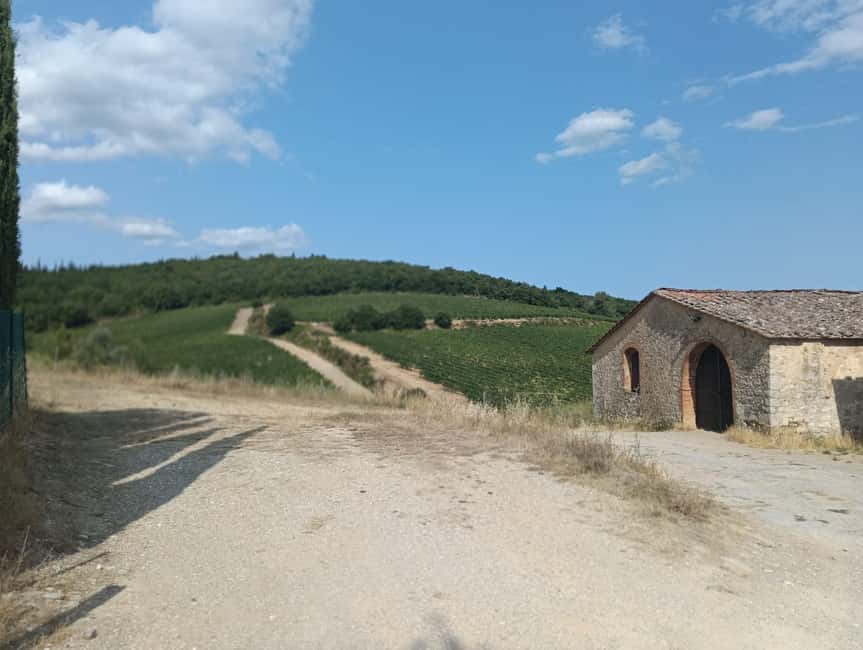
This is the heart of the experience: learning traditional Tuscan dishes with fresh ingredients provided for everything you need. You’ll focus on traditional Italian pasta and also make various types of bruschetta or crostini.
Cooking the pasta: learn technique, not just a dish name
Even if you’ve made pasta before, a guided class like this is about technique: texture, timing, and how pasta should feel at each stage. You’ll be practicing the movements and decision points that are hard to learn from a recipe alone.
What I like for you here is the transfer value. Once you’ve watched and done the key steps in person, it’s much easier to reproduce at home. You’ll know what to look for, not just what to follow.
Bruschetta and crostini: the flavor layer you can copy anywhere
Then you move into the toppings side—bruschetta or crostini made with fresh, original ingredients. This part tends to be the fun payoff because it’s fast to see results. You chop, season, and assemble, and suddenly you understand what Tuscan cooking means day-to-day: simple components treated with care.
A good sign is that one reviewer wished there were clearer step-by-step moments for things like pasta prep details (including ravioli-related steps mentioned in feedback). That tells me the class can be taught with real momentum. So do yourself a favor: take a quick note on the key instructions you hear twice (the ones that make or break texture and timing).
Lunch with your own food, plus wine and a view
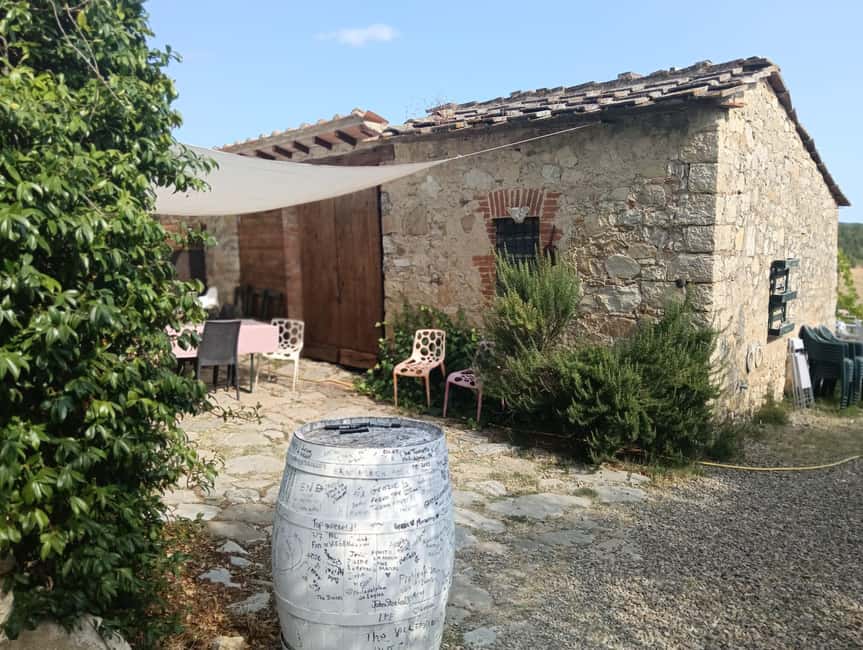
When the cooking work is done, you eat what you made. That’s included lunch, based on your cooking, served in the astonished Chianti hills atmosphere people describe so often.
This part is more than a reward. It’s also where you lock in learning. You can taste your pasta and toppings while everything is still fresh in your mind. If something seems off—salt level, sauce thickness, bread crunch—you can connect the result to the step you took earlier.
Wine is included, and the overall mood tends to match the setting: slower pace, more conversation, and a sense that the afternoon is about enjoying food as much as mastering it. Water is included too, so you’re not stuck figuring that out mid-meal.
A practical tip for maximum enjoyment
Bring a notebook or notes app. Not because you need paperwork for fun, but because this class is hands-on and short. If you jot down key ratios, timing cues, and the names of the dishes as you hear them, you’ll remember the details when you’re back home planning dinner.
Tiramisu finish: the classic that makes the day feel complete
Every good Italian meal needs a finish, and this one ends with traditional tiramisu plus Chianti wine. Tiramisu is the kind of dessert that sounds simple until you try it with a guided hand. You learn how to handle the creamy part without turning it into mush, and you get that classic structure—savory-sweet balance, coffee aroma, and a texture that holds its own.
For many people, this is where the whole class clicks. You go from preparing savory dishes to finishing with something that tastes like Italy at the end of a long lunch. It also gives you a clearer takeaway for home cooking: if you can nail tiramisu with instructions, you can build confidence for other desserts too.
What you truly take home: recipes, technique, and kitchen confidence
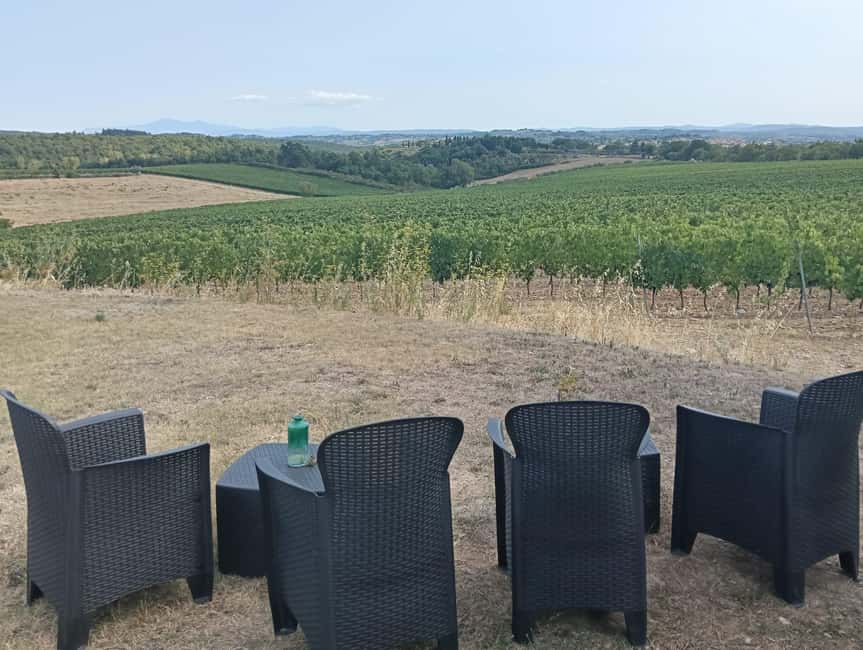
If your goal is to eat in Italy and go home with a couple of souvenirs, this won’t feel like that. It’s more like skill-building.
Here’s what you should expect to carry forward:
- Practical pasta technique that you can repeat without guesswork
- Flavor-building habits from bruschetta/crostini assembly
- A clear end-to-end flow: prep, cook, then serve and taste
A helpful note from feedback: one person wanted to see more of the steps done by the chef without participants immediately jumping in. You can’t change the class format, but you can adapt your learning style. Watch closely during explanation time, and write down the steps you want to revisit.
Also, since a small-group class can move quickly, you’ll get more value if you come with a flexible mindset. Treat it like practice, not a lecture. Ask questions while you’re working—those are the moments the chef can correct your technique in real time.
Price and value: is $100 per person a fair deal?
At $100 per person for about 3.5 hours, this isn’t a budget activity. But the price makes sense when you break down what’s included.
You’re getting:
- The cooking lesson with a professional Italian chef
- Fresh ingredients for everything you make
- Lunch based on what you cooked
- Wine and water
- Free parking
For rural Tuscany, paying for a chef, ingredients, and a sit-down lunch with wine usually stacks up quickly. So the value here comes from the combination: you’re not just tasting food—you’re making it, then eating it in the same afternoon.
Is it worth it if you only want one dish? If you’re looking for a quick bite and photos, you’ll probably feel the cost. If you want hands-on learning and a real lunch experience, it’s strong value.
Who this Chianti farm class is best for
This class fits best if you like food and want to do more than watch.
It’s especially good for:
- Couples who want a shared, meaningful activity in Tuscany
- Friends who enjoy cooking and want to compare notes over lunch
- Families, since at least one review highlighted it as a good option for the whole group
It’s less ideal if you prefer a purely visual experience and don’t want to participate. This is hands-on. You’ll be cooking, assembling, and finishing with tiramisu—so plan on being actively involved for most of the 3.5 hours.
Also, if you’re short on time and still want a taste of Tuscan cooking culture, this checks a lot of boxes in a single half-day.
Quick practical notes so you’re not surprised
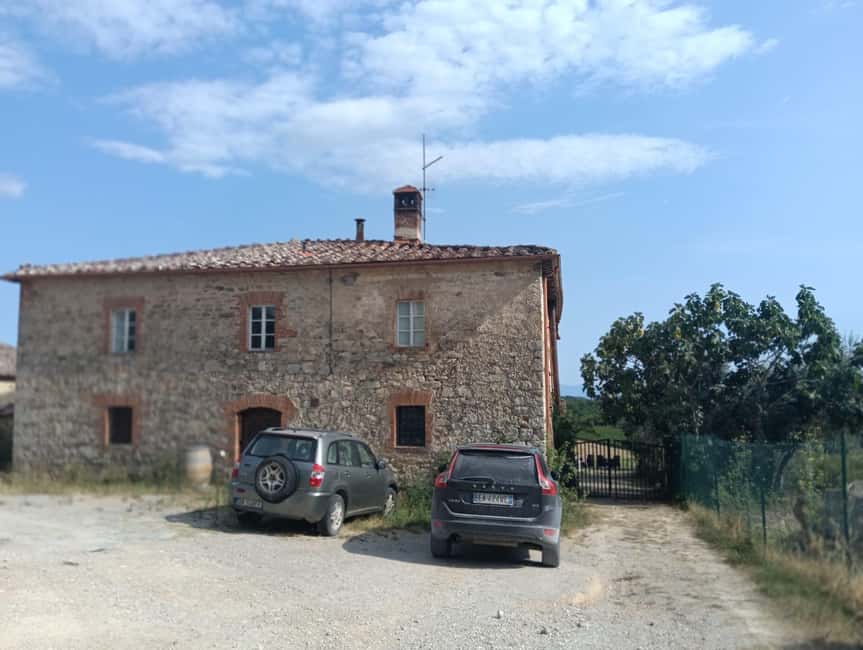
A few details help you plan smoothly:
- Transportation (pickup/drop-off) is not included, so plan your own ride to the farmhouse.
- Free parking is included, which helps if you’re driving.
- The chef supports Italian, English, and Spanish.
- The experience is listed as wheelchair accessible.
If you’re arriving late or unsure about directions, it’s worth building a little buffer. Meeting at the farmhouse entrance is simple, but rural timing can be stubborn.
Should you book this cooking class in Siena’s Chianti hills?
I’d book it if you want a short, high-quality Tuscany experience that goes beyond eating. The combo of hands-on cooking, an excellent chef host (Chef Simone is repeatedly praised), and the payoff of eating your own lunch with wine makes it feel like more than a tour stop.
I’d skip—or at least rethink—if you hate participating and prefer observation only, or if you’re expecting the kind of slow, step-by-step demo you might see in a workshop studio. The pace is hands-on, so come ready to cook.
If you’re going to Siena and the Chianti area and want one memorable food day, this is a solid pick. You’ll leave with real technique, not just good photos.
FAQ
What is the duration of the Siena cooking class?
The class lasts 3.5 hours.
Where does the experience take place?
It takes place in Tuscany, Italy, on a Chianti farmhouse setting.
What does the price include?
It includes the cooking lesson, a professional Italian chef, fresh ingredients, lunch based on what you cook, wine, water, and free parking.
Is transportation to and from the farmhouse included?
No. Transportation (pickup and drop-off) is not included.
What kinds of dishes will I learn to make?
You’ll learn traditional Italian pasta and make various types of bruschetta or crostini, and the class ends with traditional tiramisu.
What language will the chef teach in?
The instructor uses Italian, English, and Spanish.
Is there parking available?
Yes. There is a free parking lot included.
Is the meeting point inside the farmhouse?
You meet the chef at the entrance of the farmhouse.
Is the activity wheelchair accessible?
Yes, it is listed as wheelchair accessible.