REVIEW · NYDRI
Traditional Greek Cooking Class @ Lefkada Micro Farm
Book on GetYourGuide →Operated by Lefkada Micro Farm Experiences · Bookable on GetYourGuide
Greek cooking begins with farm soil. At Lefkada Micro Farm, you start with regenerative, organic produce and end in an open-air kitchen using a wood-burning oven plus award-winning olive oil. What I like most is the hands-on farm-to-table feeling and the way the flavors come from what’s actually in season. The one catch? At $123 per person, it can feel pricey if you’re expecting a longer, more hands-on cooking session than the 4 hours allow.
This is also a small-group class—up to 10 people—with an English instructor, so you’re not stuck watching from the sidelines. I especially like the way the learning stays practical: you pick ingredients, you cook them simply, and then you eat what you made at the Farmer’s Table. If you’re sensitive to food restrictions, you’ll want to flag allergies and dietary needs ahead of time, since the class is built around fresh seasonal ingredients.
The setting helps. The farm’s approach is slow and intentional, and the meal part feels like you’re eating with people, not just taking part in a demonstration. You might also spot little farm characters—one guide at least has cats roaming around—because this is a working place, not a staged set.
In This Review
- Key highlights you’ll care about
- Why Lefkada Micro Farm’s Greek Cooking Class Starts With Dirt
- Harvesting Seasonal Ingredients: What You Learn Before You Cook
- Open-Air Kitchen and the Wood-Burning Oven Feel Different (In a Good Way)
- Cook the Classics: Bread, Briami, Tzatziki, and Greek Salad
- The Olive Oil Factor: Why It Tastes Like More Than a Condiment
- Farmer’s Table Meal: The Social Part Is Real Food Culture
- Price, Timing, and Who This Is For
- Practical Tips Before You Go
- Should You Book This Greek Cooking Class?
- FAQ
- How long is the Traditional Greek Cooking Class?
- Where does the class take place?
- What is the price per person?
- Is the class taught in English?
- How many people are in the group?
- What cooking equipment is included?
- Does the class use a wood-burning oven?
- Are ingredients organic and farm-grown?
- What if I have food allergies or dietary restrictions?
- Is the class wheelchair accessible?
- Can I cancel if plans change?
- Does it offer reserve now and pay later?
Key highlights you’ll care about
- Regenerative harvest first: learn farming basics before you touch the food
- Wood-burning oven cooking: classic Greek pacing and real heat
- Award-winning olive oil: high-polyphenol flavor you can taste immediately
- Hands-on Greek recipes: bread, briami, tzatziki, Greek salad
- Farmer’s Table meal: everyone sits together after cooking
- Small group, English-led: limited to 10 participants for more interaction
Why Lefkada Micro Farm’s Greek Cooking Class Starts With Dirt
If you’ve ever taken a cooking class that starts with a prep table and ends with a printed recipe card, this one hits differently. Here, the lesson begins in the soil. You’re not only learning how to cook Greek food; you’re learning how the ingredients get to your plate through regenerative, organic farming practices.
That first step matters because Greek cuisine is all about simplicity with a reason. When you understand seasonality and farming choices—what grows well there, what’s harvested when, and why the soil ecosystem is protected—you cook with a different mindset. You stop thinking of food as “ingredients” and start thinking of it as part of a living system.
You’ll also feel the pace of slow living right away. Instead of rushing through steps, the class leans into rhythm: look, learn, harvest, then cook. It’s the kind of structure that keeps the experience calm, even though you’re actively making things.
You can also read our reviews of more tours and experiences in Nydri.
Harvesting Seasonal Ingredients: What You Learn Before You Cook
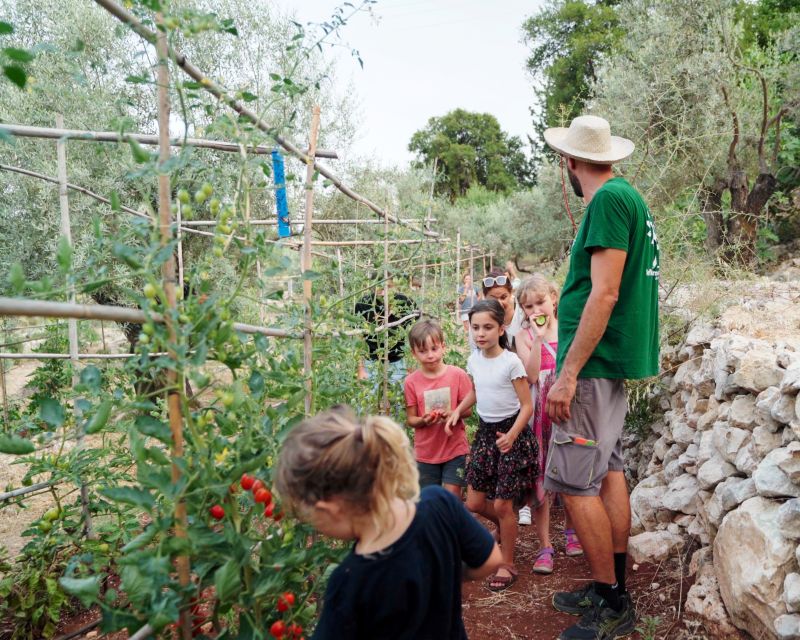
Before the kitchen work begins, you’ll get a farming education that stays practical. The focus is regenerative and organic produce, plus the idea that healthy ecosystems support better food. Then you harvest seasonal ingredients for the meal.
This is the part I’d call the secret weapon of the class. You come away understanding more than just flavors. You learn the logic behind them:
- why freshness matters in Greek cooking
- why seasonality drives what you make
- how farming practices show up in the final taste
Even if you don’t remember every detail, you’ll remember what you picked and why it was chosen. And it changes how you eat later. When you sit down for the Farmer’s Table meal, the food feels earned because you were part of the process.
One practical note: tell the instructors about food allergies or dietary restrictions before you go. The class is built around fresh seasonal ingredients, so planning ahead is the only way to keep your meal safe and satisfying.
Open-Air Kitchen and the Wood-Burning Oven Feel Different (In a Good Way)
The cooking happens in an open-air kitchen. That alone makes it feel grounded. You’re outside, near the farm’s working world, not sealed into a studio.
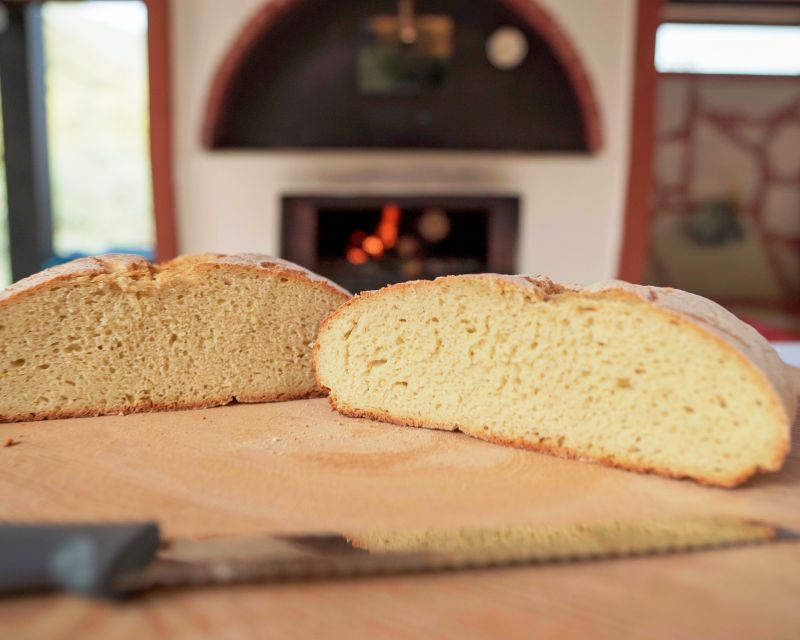
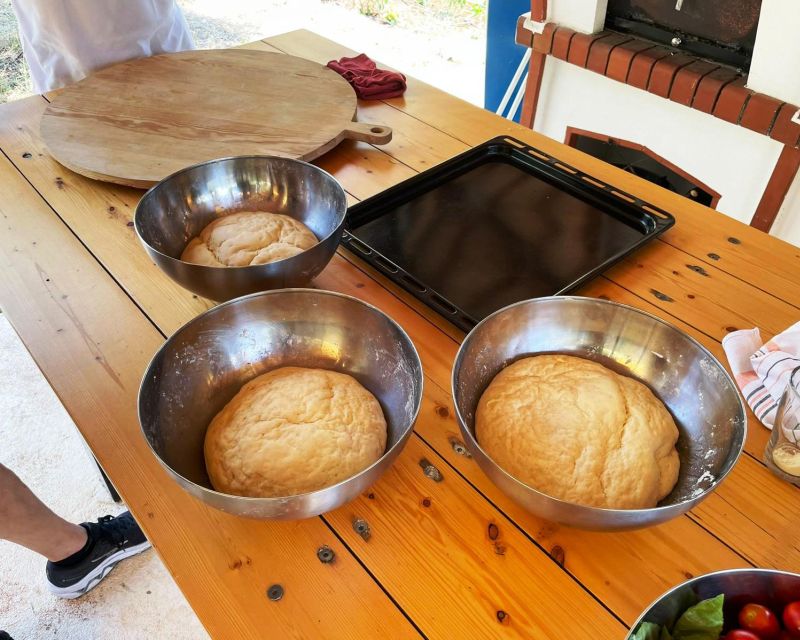
Then there’s the wood-burning oven, which is a huge part of the experience. It doesn’t heat like a modern range. The heat has character. You cook with a bit more awareness and timing, and you feel the difference in the final results—especially when bread is involved.
Because the oven is traditional, the class leans into classic methods rather than complicated culinary tricks. If you’re the kind of person who likes learning by doing, you’ll probably enjoy the pace. You’ll watch, you’ll help, and you’ll end up cooking components that make up a full Greek meal instead of just one dish.
Cook the Classics: Bread, Briami, Tzatziki, and Greek Salad
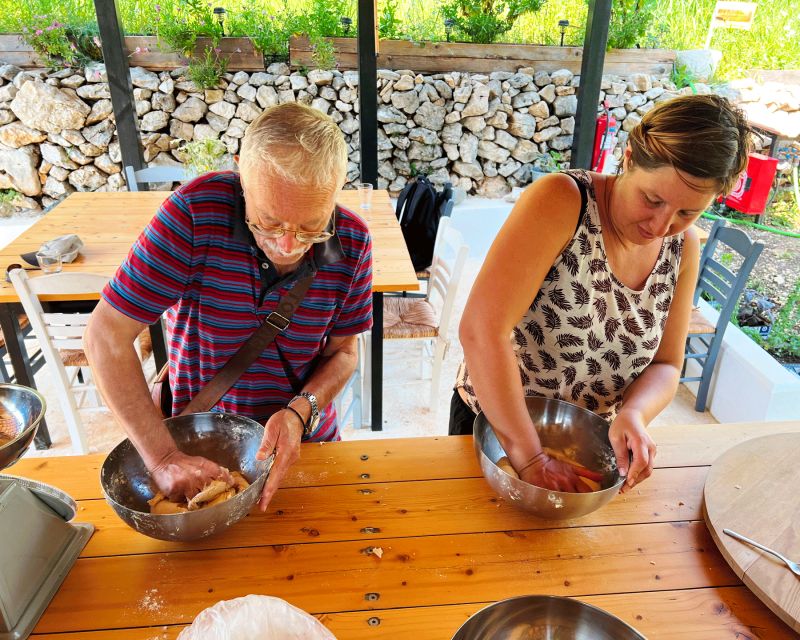
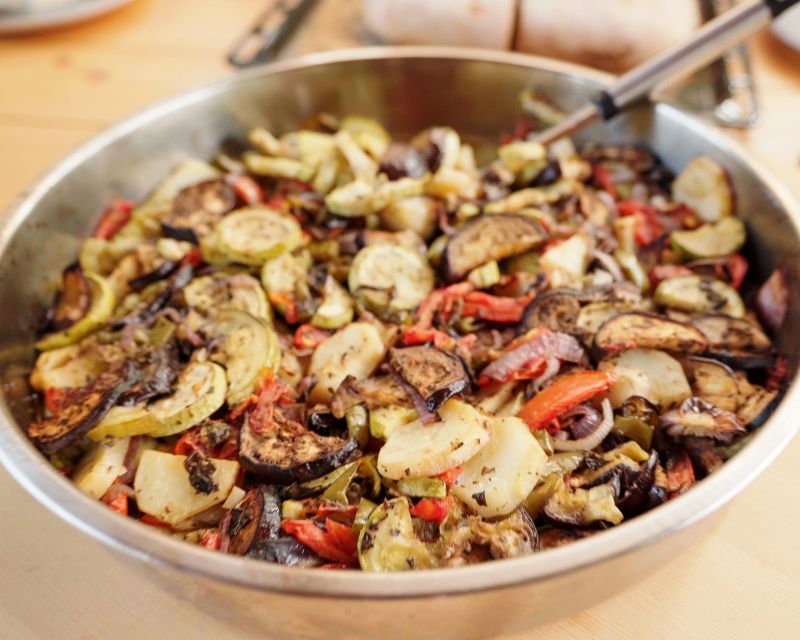
This class doesn’t stick to a single recipe. You’ll cook a set of iconic Greek dishes, including bread, briami, tzatziki, and Greek salad. That variety is a practical advantage. Greek cooking makes more sense when you build the whole plate: one part warm, one part fresh, one part creamy, one part bright.
Here’s what that combination teaches you:
- Bread anchors the meal and helps you understand traditional baking basics in a wood-fired context.
- Briami shows how Greek vegetables can taste rich and comforting without turning into heavy, complicated food.
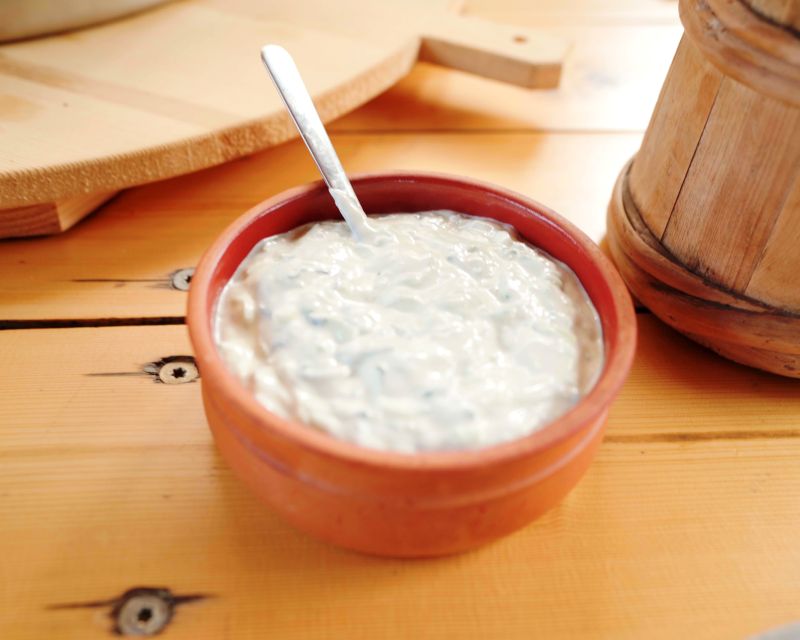
- Tzatziki is a lesson in balance—cool, tangy, garlicky, and creamy—so you learn what makes it refreshing instead of bland.
- Greek salad is the reminder that simplicity can be bold when ingredients are truly fresh.
What I like about this recipe lineup is that you get to practice multiple textures and flavors, not just one technique. You also end up with a meal you’d actually serve at home, not a collection of “chef-only” steps.
Also, because the class is in English with a guide leading you through the process, you don’t have to decode cooking terms on your own. The interaction is part of the value—ask questions, compare approaches, and leave with a clearer sense of how to recreate the dishes later.
The Olive Oil Factor: Why It Tastes Like More Than a Condiment
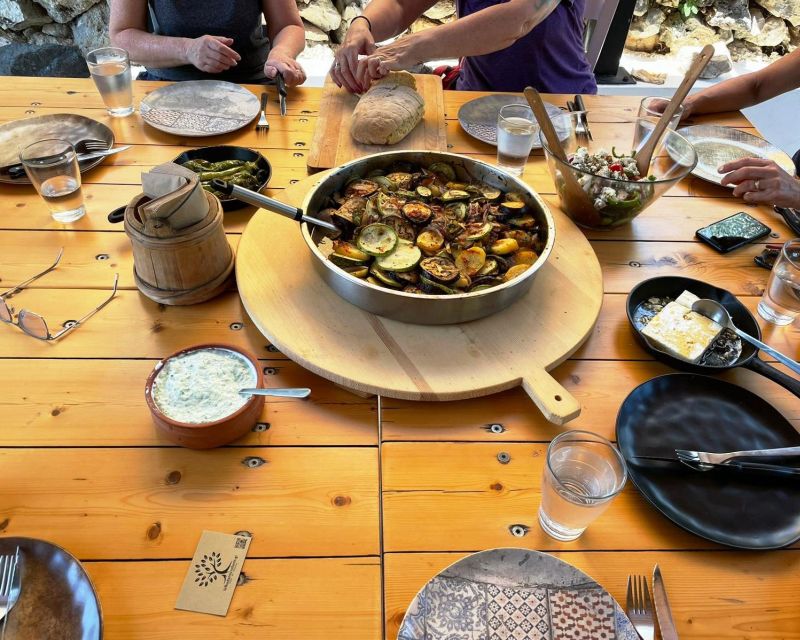
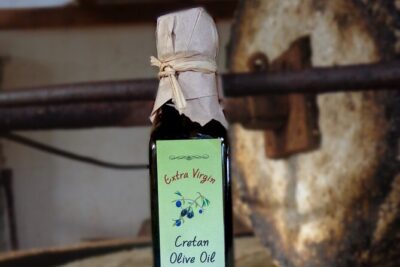
A cooking class can be great, but olive oil can be the difference between good and unforgettable. Here, you’ll cook with award-winning olive oil—specifically described as high-polyphenol.
That matters because polyphenols aren’t just marketing. They correlate with a fuller, more complex taste—often slightly peppery, often more aromatic than the bland oils you might find at home. When you’re cooking and finishing Greek food, olive oil is doing real work. It carries flavor across salad, sauce, and vegetables.
I like that the class calls this out directly. Many classes treat oil like a side detail. This one makes it central, so you notice the oil while you cook, not after you’re done.
Farmer’s Table Meal: The Social Part Is Real Food Culture
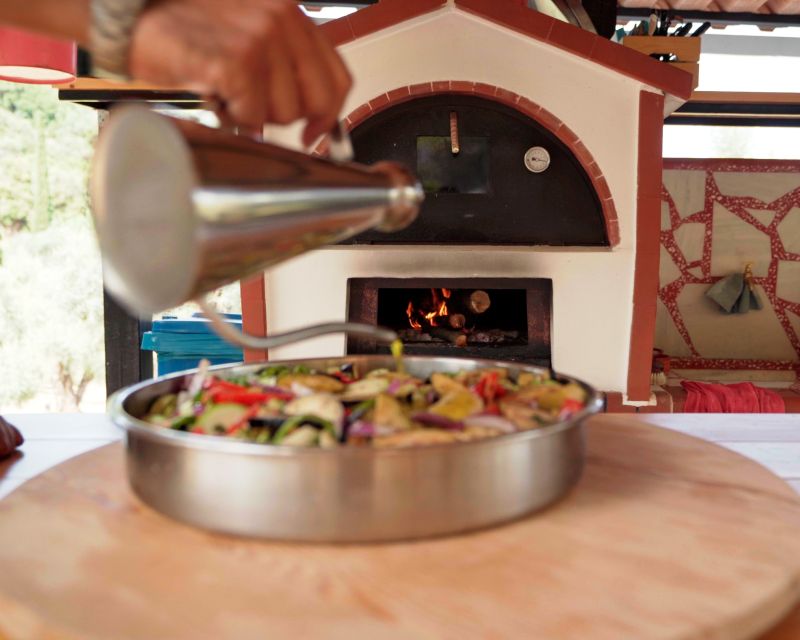
After the cooking, the group gathers to share the meal at the Farmer’s Table. This is where the Slow Food spirit becomes more than a slogan. You sit together like family, talk, and eat food you helped make—using ingredients you harvested earlier.
That shared meal is more than “and then we ate.” It’s part of learning. You taste the results as a group. You compare bites. You ask about what each person did during prep and cooking. And you leave with an experience that feels cultural, not just culinary.
One charming detail: the farm atmosphere is real. In at least one account, cats roam around, and that kind of small, everyday scene makes the whole thing feel human. This doesn’t feel like a polished performance. It feels like being allowed into a working place for a few hours.
Price, Timing, and Who This Is For
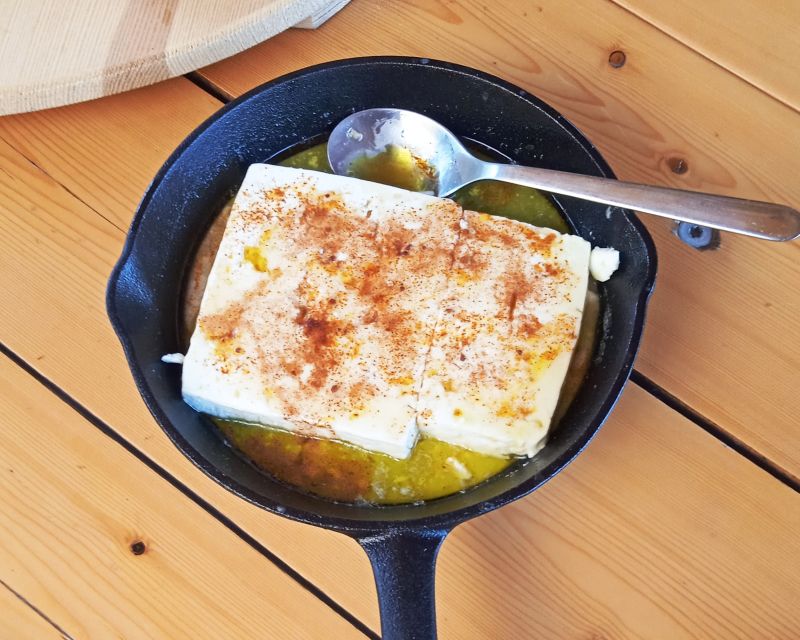
Let’s talk money. At $123 per person for a 4-hour class, it’s not a bargain. The value depends on what you want.
If you care about:
- hands-on farm-to-table learning
- a traditional cooking setup (including a wood-burning oven)
- using a notable olive oil
- cooking a whole Greek meal, not just watching or assembling one dish
…then the price starts to make sense. You’re paying for ingredients, tools, instruction in English, and a small-group experience capped at 10 participants.
If what you want is a cooking class that feels longer, more intensive, or focused on a deeper technical training track, you might find the time short for the cost. Four hours is enough to harvest, cook, and eat—but it’s not enough for a long workshop style course.
My best-fit reader? You’re a curious eater who enjoys learning where food comes from. You like authentic traditions. You don’t mind moving through steps at a relaxed farm pace.
Practical Tips Before You Go
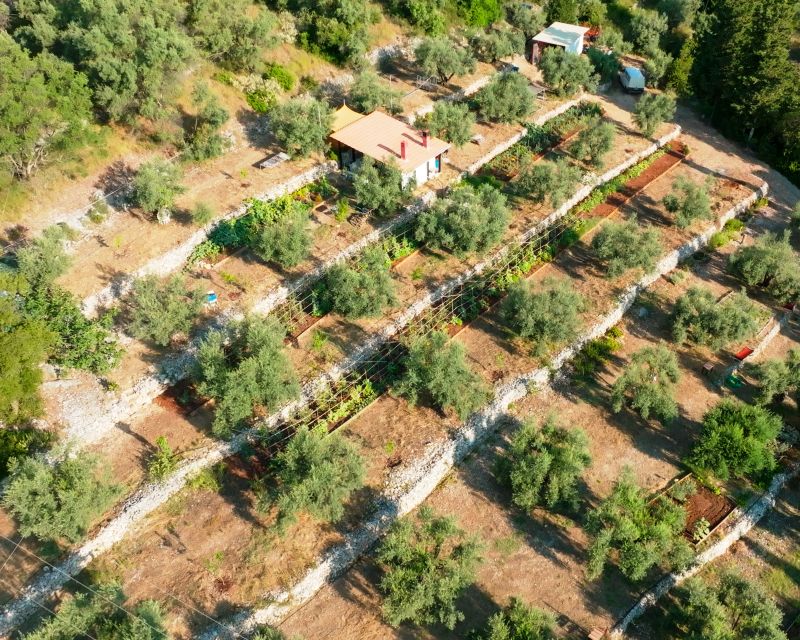
- Share allergies and dietary restrictions in advance. This matters because the meal is built around what’s harvested.
- Plan for a small-group setting. With a limit of 10 participants, you’ll get more attention, but the class still moves as a group.
- Wear clothing you’re comfortable in outdoors, since the experience includes harvesting and an open-air kitchen setting.
- If you want a smooth flow, come ready to cook. The class includes utensils and an apron, but you’ll still be actively participating.
Should You Book This Greek Cooking Class?
I’d book it if your goal is to eat better by learning the full chain—farming to harvest to oven to plate. The regenerative farm start, the wood-burning oven cooking, and the Farmer’s Table meal all work together. You don’t just learn recipes; you learn why Greek food tastes the way it does.
I’d think twice if you’re chasing maximum quantity of cooking time for the price, or if your dietary needs are complex. With the right planning and clear communication about allergies, it can still be a great fit.
FAQ
How long is the Traditional Greek Cooking Class?
The class runs for 4 hours.
Where does the class take place?
It’s hosted by Lefkada Micro Farm in Western Greece, Greece.
What is the price per person?
The price is listed as $123 per person.
Is the class taught in English?
Yes. The instructor is listed as English-speaking.
How many people are in the group?
It’s a small group limited to 10 participants.
What cooking equipment is included?
Cooking utensils are included, and you’ll also be provided an apron.
Does the class use a wood-burning oven?
Yes. You’ll cook using a traditional wood-burning oven.
Are ingredients organic and farm-grown?
The experience focuses on regenerative, organic produce harvested from the farm.
What if I have food allergies or dietary restrictions?
You should inform the organizers of any allergies or dietary restrictions ahead of time.
Is the class wheelchair accessible?
Yes, it is listed as wheelchair accessible.
Can I cancel if plans change?
Free cancellation is available up to 24 hours in advance for a full refund.
Does it offer reserve now and pay later?
Yes. The listing includes reserve now & pay later, meaning you pay nothing today.