REVIEW · LAKE GARDA
Beekeeping Farm Tour and Tasting Experience in Lazise
Book on Viator →Operated by CittàDiLazise.it · Bookable on Viator
A honey farm tour in Lazise can be strangely calming. This one mixes natural fruit-and-veg farming with a hands-on look at how bees work, then turns into a serious food moment with three types of Lazise honey and local cheese. My favorite parts are the slow, friendly explanations (hello, Raffaella and family) and the fact that the tasting is tied directly to what you just saw on the farm. One thing to consider: it’s outdoors and weather-dependent, so come prepared for a sunny day or a quick weather shift.
You’re also paying for more than a quick bite. At $46.85 per person, you get a guided tour plus a structured tasting that includes bread options, fruit jam, multiple honey types, cheeses, and a glass of local wine (with juice available if you skip alcohol). With a maximum group size of 15, you’re more likely to get your questions answered instead of being rushed through the whole thing.
In This Review
- Key things I’d plan around
- Why a Beekeeping Farm in Lazise is a smart Lake Garda stop
- Meeting at Il Campetto and getting oriented fast
- Apicoltura Morati: hives, herbs, and the bee story you’ll remember
- Colà, Lazise, and Villa Dei Cedri: why the route feels like countryside culture
- The tasting menu that actually feels like a meal
- Honey tasting tip: how to tell the differences without overthinking
- Wine pairing and the non-alcohol option
- Timing and logistics that matter more than you think
- What to bring: shoes, bugs, and a shopping budget
- Who should book this beekeeping farm tour?
- Should you book this beekeeping farm tour in Lazise?
- FAQ
- What time does the tour start?
- Where do I meet for the experience?
- Is the tour offered in English?
- Do I get honey and wine, and what if I don’t drink alcohol?
- Is Green Pass required?
- Is it okay to bring a service animal or pet?
Key things I’d plan around
- Apicoltura Morati hives plus a clear explanation of how bees create honey
- Three types of Lazise honey with jam made from the farm’s fruits
- A tasting built around local cheese and homemade breads with pesto or vegetable creams
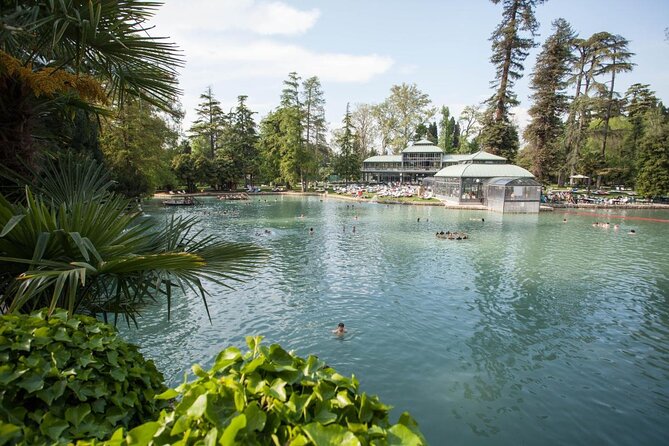
- A short route that includes Colà, Lazise, and the Parco Termale Del Garda Villa Dei Cedri area
- Local wine with a non-alcohol option (fruit juice made from their production)
- A small group size (max 15 people) for a more personal pace
Why a Beekeeping Farm in Lazise is a smart Lake Garda stop
Lazise sits on Lake Garda, but a lot of people spend the whole trip staring at the lake. This tour changes the focus fast. You swap views of boats for real countryside rhythm: fruit and vegetable growing, beehives, and the kind of small-scale food production that doesn’t try to be a theme park.
I like that the tour gives you context. You’re not just handed honey and told it’s great—you see the farm approach first, then you taste what that approach produces. That makes the honey tasting feel more meaningful, not just sweet.
The other big win is the setting. You’re at Il Campetto Fattoria Didattica to start, and the day unfolds around fields and farm spaces. It’s a nice break from the typical tourist schedule, especially if you want something that feels local even if you’re short on time.
You can also read our reviews of more tours and experiences in Lake Garda.
Meeting at Il Campetto and getting oriented fast
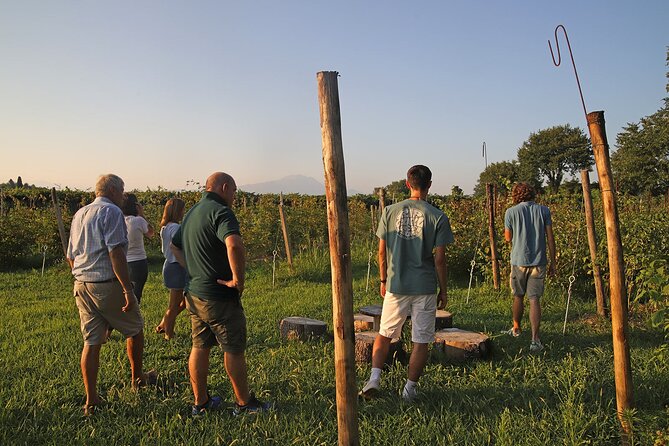
The tour starts at 10:00 am at Il Campetto Fattoria Didattica, Str. della Sabbionara, 37017 Lazise VR, Italy. In real life, that matters more than you’d think. If you’re staying in Lazise or nearby, it’s easier to plan a simple morning out. If you’re based farther out, you’ll want to sort transport early—one visitor using taxi from Bardolino mentioned a significant cost both ways.
Once you arrive, you’re taken into the farm story right away. Expect a natural approach to growing fruit and vegetables, then a move toward the bee area. This “farm first” order is exactly what I look for on food experiences: it helps your brain connect the dots before you start eating.
The pace is also designed for actual conversation. With a maximum of 15 people, you’re less likely to feel like a passenger in a loud group.
Apicoltura Morati: hives, herbs, and the bee story you’ll remember
The centerpiece is Apicoltura Morati, where you’ll visit the hives and get explanations about how bees work. This is where the tour becomes more than a tasting—this is where you learn what’s happening behind the scenes.
I especially liked hearing how the farm’s herbs and growing choices tie into the bees’ world. People mention the hosts answering questions patiently, including details about plants and beekeeping practices in Italy. Names that come up again and again are Flavio and Raffaella, who lead the tour and help translate how they work with nature.
One of the most interesting ideas you’ll pick up here is that honey taste isn’t just one thing. It changes with conditions—especially the local environment and seasonal factors. In a Lake Garda setting, that means you’re not tasting generic honey. You’re tasting what bees collected from a specific place and time.
Also, the farm approach gets mentioned clearly: one person said they work without pesticides, and that detail fits the “natural farming” message you’ll hear from the start.
Colà, Lazise, and Villa Dei Cedri: why the route feels like countryside culture
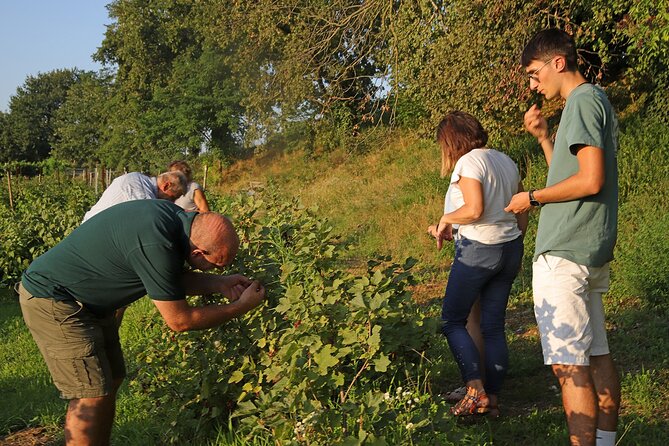
Between the farm core and the tasting, the experience includes stops and passing moments around Colà, Lazise, and Parco Termale Del Garda Villa Dei Cedri. You don’t need to expect this part to be a big sightseeing tour. Instead, think of it as a way to break up the day so you’re not stuck in one single spot for two hours.
For me, this kind of route is useful because it helps you understand the region as people experience it, not as a photo-only checklist. You’ll move through familiar names in the area—Lazise isn’t just the center of town, it’s part of a larger patchwork of fields, villages, and countryside spaces.
If you’re the type who likes food and nature but also wants a bit of variety in the pacing, this routing helps. If you’re purely chasing shade and sitting time, you might find it a little more active than a zero-walking experience.
The tasting menu that actually feels like a meal
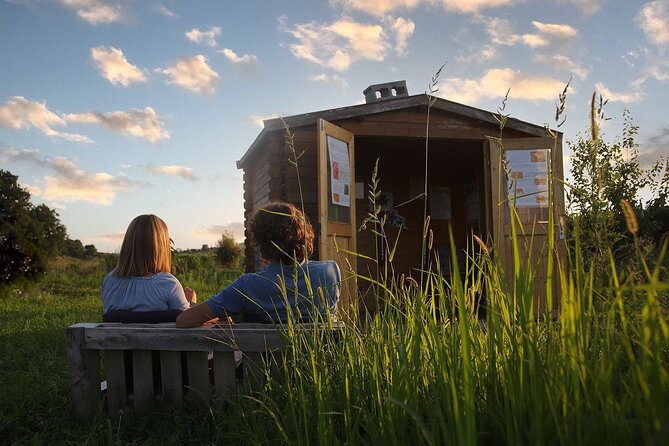
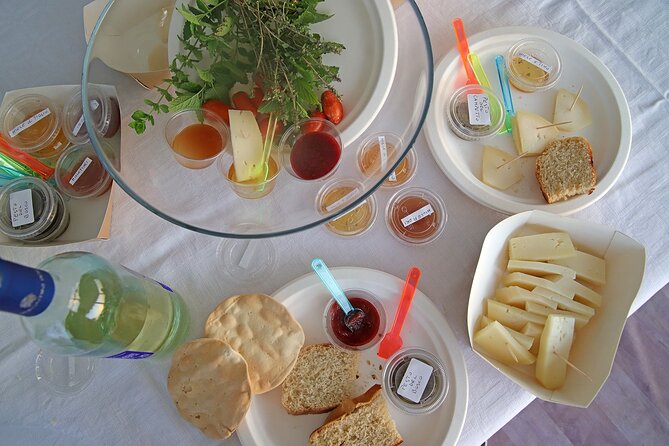
After the tour, you’ll move into the tasting phase with a menu built around farm products and local traditions. The core lineup is clearly stated:
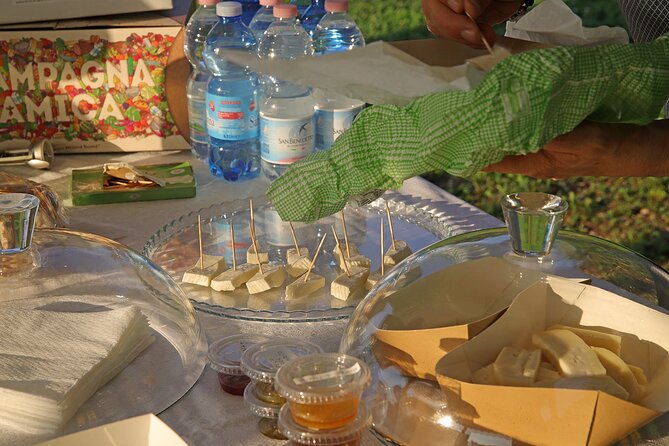
- Bread with pesto or farm vegetable creams
- Three types of Lazise honey
- Fruit jam made from their fruits
- Local cheeses made using traditional methods
Then the tasting is paired with a glass of local wine plus water. If you don’t drink alcohol, they offer a glass of fruit juice from their own production.
What I like about this menu is the balance. You get creamy and savory (bread + pesto or vegetable creams), sweet and floral (multiple honey types), fruity sweetness (their jam), and then salt and richness (cheese). That combination makes it easier to tell the differences between honeys—sweetness alone won’t do the job. Cheese and bread reset your palate and help you notice flavor shifts.
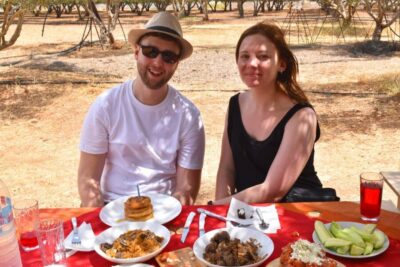
Also, multiple people describe the tasting as abundant, not skimpy. Some mention extra homemade items alongside the main tasting pieces, which fits the feeling of a relaxed farm snack set rather than a strict tasting checklist.
Honey tasting tip: how to tell the differences without overthinking
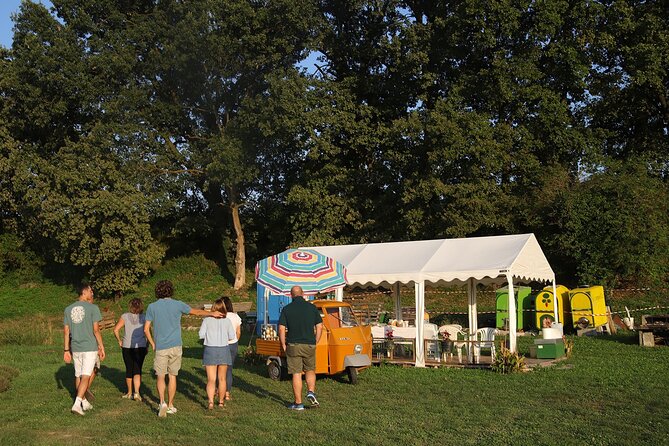
You’ll be tasting three types of Lazise honey, and it can be tempting to rush through and just decide which one is sweetest. Instead, slow down for 20 seconds between samples.
Here’s a simple way to do it:
- Start with the one that seems lightest or least intense.
- Pair each honey with a small piece of bread or cheese so you can detect whether the honey tastes more floral, fruity, or earthy once it hits something savory.
- Then ask a question. People mention the hosts are happy to explain the differences, and that’s the fastest way to connect the flavor to the farm story you saw earlier.
This is also where you’ll get the most value from listening. The honey differences aren’t only about your taste buds—they’re about what the bees were collecting and the conditions around them.
Wine pairing and the non-alcohol option
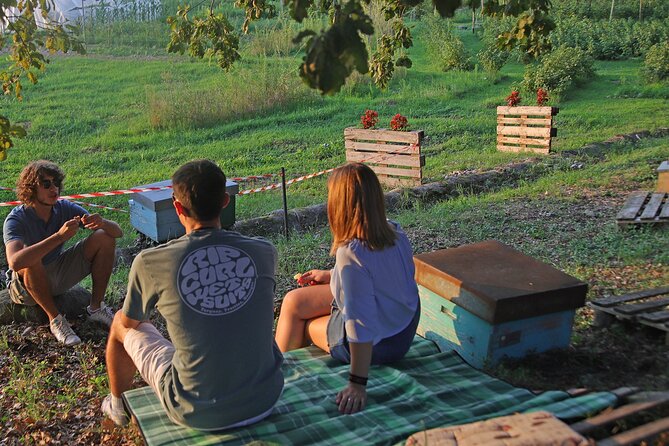
The tasting includes a glass of local wine, and one review specifically praised the wine from a nearby winery. That’s a nice touch because it keeps the experience tied to the region. You’re not drinking something anonymous while eating local food. You’re tasting local production across categories.
If you skip alcohol, the tour gives you a straightforward alternative: fruit juice made from their own production. That’s a good sign for anyone who wants the full tasting without feeling like they’re missing part of the experience.
Timing and logistics that matter more than you think
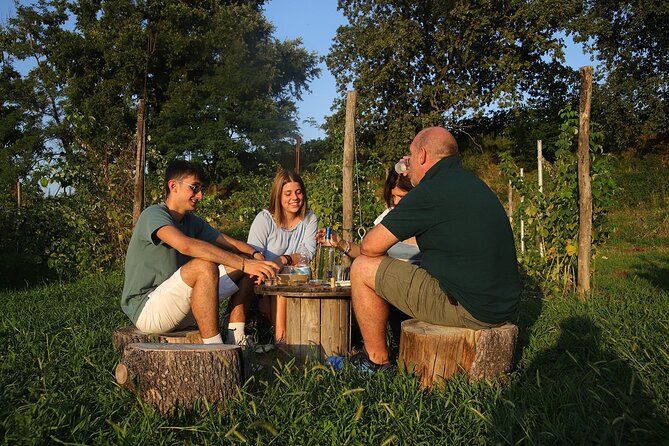
This activity runs for about 2 hours. It starts at 10:00 am and ends back at the meeting point. That makes it easier to plan your day in Lazise: do this in the late morning, then you still have plenty of time for lunch, a lake walk, or a slower afternoon.
The maximum group size of 15 also helps with pacing. In small groups, the tour tends to feel more like a conversation and less like a conveyor belt.
One more practical point: because it’s a farm setting at Il Campetto, plan your transport like you would for a countryside day trip. If you’re in a more distant town, factor in the cost and time for getting there and back. A visitor example mentioned a taxi cost of 70 euros from Bardolino to help you gauge what “not near the lakefront” can mean in real numbers.
What to bring: shoes, bugs, and a shopping budget
Most people don’t think about bugs until they’re already swatting them. But one person specifically warned about mosquitoes and said to remember insect protection. If you’re going in warmer months, pack insect repellent. It will save you from spending the tasting phase itching instead of tasting.
Comfort matters too. Even if the walk is not extreme, you’re moving around farm spaces and outdoor areas. Wear shoes that won’t protest on uneven ground.
Finally, give yourself a little money for the onsite shop. People mention being able to buy honey and other farm products after the tasting. That’s part of the value here: you’re tasting what you might bring home, and the shop is connected to the same production you learned about.
Who should book this beekeeping farm tour?
I’d book it if you want:
- A real farm experience instead of just a food-only stop
- Honey lovers who like understanding where flavor comes from
- Families, since the tone seems friendly and question-friendly (a review mentioned it worked well for kids)
- Food people who appreciate small producers and local cheeses
I’d think twice if you:
- Want a purely indoor, low-walking experience
- Are very sensitive to outdoor conditions (this tour requires good weather)
- Don’t drink alcohol at all and prefer tastings without any wine presence. They do offer juice, but the wine is part of the planned setup.
Should you book this beekeeping farm tour in Lazise?
Yes, if your goal is a hands-on Lake Garda experience that tastes like the region and teaches you something you’ll actually remember. For $46.85, you’re getting a full two-hour farm visit plus a structured tasting with multiple honey types, fruit jam, local cheeses, and local wine (or juice).
Book it especially if you’re staying near Lazise or have easy transport. It’s also a good fit for small-group attention—max 15 people means you can ask questions without feeling ignored.
The only real caution I’d give is weather and outdoors comfort. Bring repellent, wear decent shoes, and plan to enjoy the countryside pace.
FAQ
What time does the tour start?
The tour starts at 10:00 am and lasts about 2 hours. It ends back at the same meeting point.
Where do I meet for the experience?
Meet at Il Campetto Fattoria Didattica, Str. della Sabbionara, 37017 Lazise VR, Italy.
Is the tour offered in English?
Yes. The experience is offered in English.
Do I get honey and wine, and what if I don’t drink alcohol?
The tasting includes three types of Lazise honey plus local wine and water. If you don’t consume alcohol, you can have a glass of fruit juice of own production instead.
Is Green Pass required?
The tour info says you don’t need Green Pass to participate.
Is it okay to bring a service animal or pet?
Service animals are allowed. Animals must be kept on a leash or near you.