REVIEW · KENYA
Coffee Farm Tour (Fairview)
Book on GetYourGuide →Operated by MICHOORE TOURS & TRAVEL · Bookable on GetYourGuide
Coffee grows where the air is cool. On the Fairview Coffee Estate in Kiambu (nearly 100 acres under coffee, at 1,750 meters), the tour turns farm life into a step-by-step coffee lesson, and I love the 4-grade coffee tasting that helps you spot what changes in flavor.
I also like the smooth hotel pickup and drop-off in Nairobi, with guides such as Alex sharing helpful context on the drive. One thing to plan for: the farm entrance fee is 30 USD per person and is not included in the $39 tour price.
In This Review
- Key highlights at a glance
- Fairview Coffee Estate in Kiambu: why the setting matters
- The Nairobi-to-Kiambu ride: private transport with Kenya context
- On the farm: walking from coffee flowers to cherries
- Processing lessons: from grading to roasting and byproducts
- The tasting: four grades, a blind test style, and your own favorite
- Fairview shop time: buy what you tasted (and know the extra cost)
- Price and logistics: what your $39 really covers
- Who should book this coffee farm tour
- Small things that make or break the experience
- Should you book the Fairview Coffee Farm Tour?
- FAQ
- What time does the Coffee Farm Tour (Fairview) run?
- How long is the activity?
- What is included in the $39 price?
- Is the farm entrance fee included?
- How many coffees will I taste?
- Can I buy coffee at the farm?
- Is the tour in English and wheelchair accessible?
Key highlights at a glance
- Nearly 100 acres of coffee at 1,750 meters in Kenya’s Central Highlands
- Professional farm guiding during about two hours on-site
- Tasting four coffee grades, including a blind test format that makes it fun
- Real processing walk-through: grading, cleaning, roasting, and what happens to byproducts
- Finish with hot coffee and biscuits, plus farm gifts and time to buy beans
Fairview Coffee Estate in Kiambu: why the setting matters
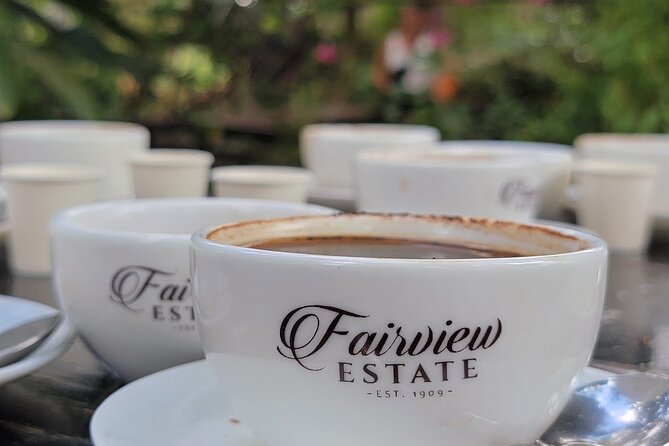
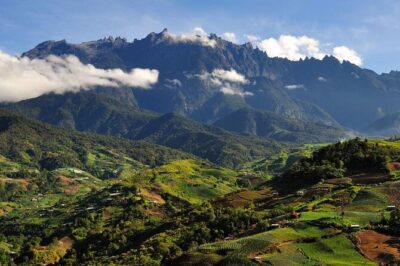
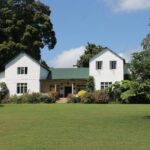
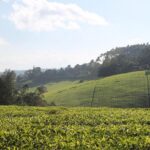
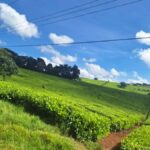
Fairview Coffee Estate sits in Kenya’s Central Highlands, in Kiambu County, where coffee farming is a serious business. The farm runs close to 100 acres under coffee, and being at 1,750 meters shapes the feel of the day: it’s cooler than Nairobi and noticeably more “agriculture” than “museum.”
You’re not just shown coffee. You’re walked through it. That’s what makes this experience click for me: you see the plant first, then you learn how the fruit becomes the bean, and only then do you taste the results.
The tour time is built for a half-day flow: travel in, learn on the farm, then head back to Nairobi. It’s long enough to make the process make sense, without turning your schedule into a full day in the countryside.
You can also read our reviews of more tours and experiences in Kenya.
The Nairobi-to-Kiambu ride: private transport with Kenya context
This is a private group tour with hotel pickup and drop-off in Nairobi, using a dedicated car. The pickup setup is straightforward: you wait in your hotel lobby about 10 minutes before the scheduled time, and you look for a Silver Honda Airwave.
The drive usually gets praised for being smooth and on time, and that matters more than you’d think. Nairobi traffic can be unpredictable, so a well-timed departure helps you arrive while the farm tour is still running cleanly.
On the road, guides like Alex are often part of the experience. Many people appreciate that he shares practical tips and background on Nairobi and Kenya during the ride, so you’re not just sitting in transit—you’re getting ready for what you’ll see at the farm.
Timing-wise, the tour runs in two daily slots: 10:00 a.m. to 12:00 p.m. and 2:00 p.m. to 4:00 p.m. That means you can pick the slot that fits your other plans in Nairobi.
On the farm: walking from coffee flowers to cherries
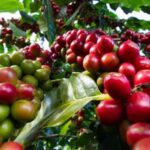
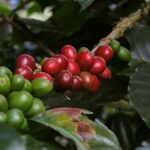
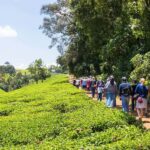
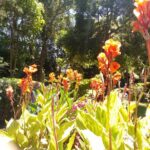
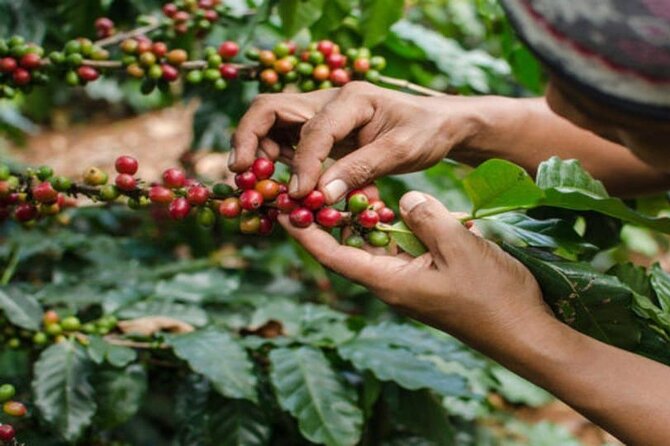
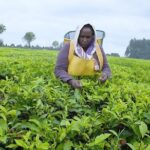
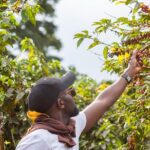
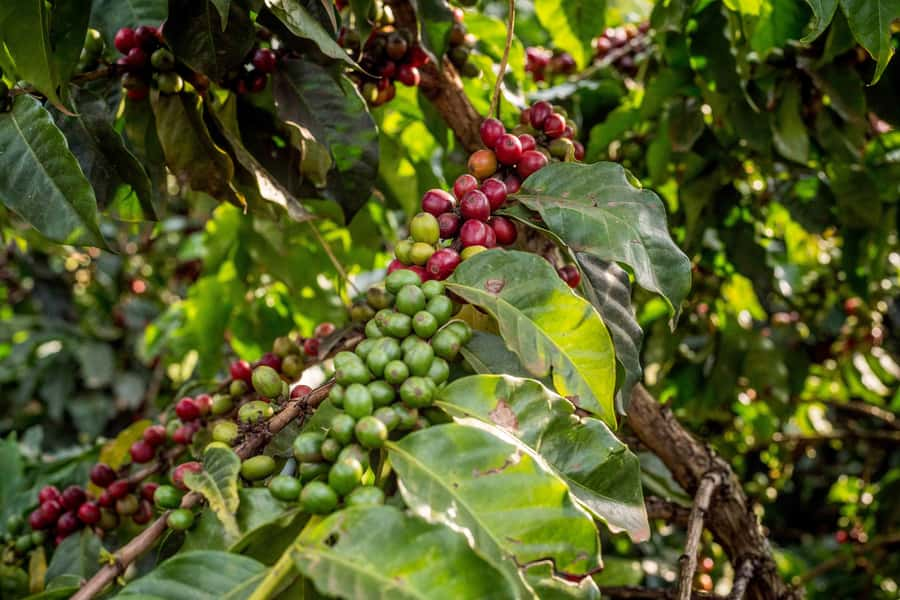
Once you arrive, the farm visit is where the tour earns its keep. You’ll walk the coffee grounds and see the plant through its stages—starting at blooming flowers and moving toward mature coffee cherries.
This is the part that turns coffee from a product you buy into a living cycle. Even if you’re not a plant person, you get a mental picture for what farmers are watching as the season changes: flowers, cherries, and the long wait between development and harvest.
The best bit here is that your guide can connect what you see to what comes next. You’re not guessing how cherries become coffee. You’re seeing enough of the process that, by the time you’re tasting, the flavors don’t feel random.
Also note the practical side: you’ll be walking on a working farm surface. Wear closed shoes, because dust and mud can happen. It’s a small detail, but it’s the difference between enjoying the walk and spending the day thinking about your footwear.
Processing lessons: from grading to roasting and byproducts
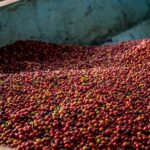
After the plant overview, you move into processing. The tour is designed to show how raw beans become the coffee you recognize on menus and in your kitchen.
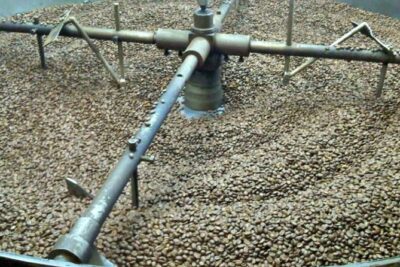
You’ll get a run-through of the steps, including exploring coffee processing methods and how beans are handled before roasting. Part of the value is that you’re learning the full chain, not a single headline process.
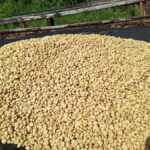
One of the most useful parts is the talk around grading and cleaning—how beans are sorted and prepared. That’s where “coffee variety” starts to make sense. When you later taste different grades, you’ll have a reason to connect what you’re sensing to how the beans were treated.
You may also learn what happens to processing waste. People mention hearing about what goes to byproducts rather than imagining it all disappears. That’s good context if you care about how food systems work beyond the cup.
The tasting: four grades, a blind test style, and your own favorite
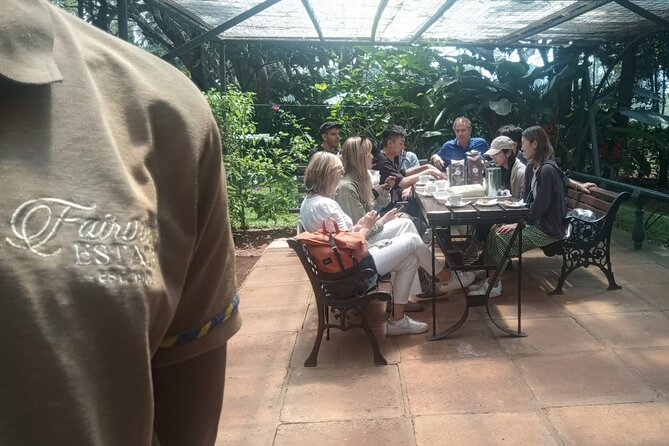
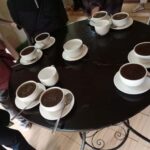
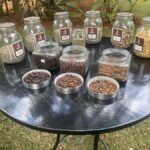
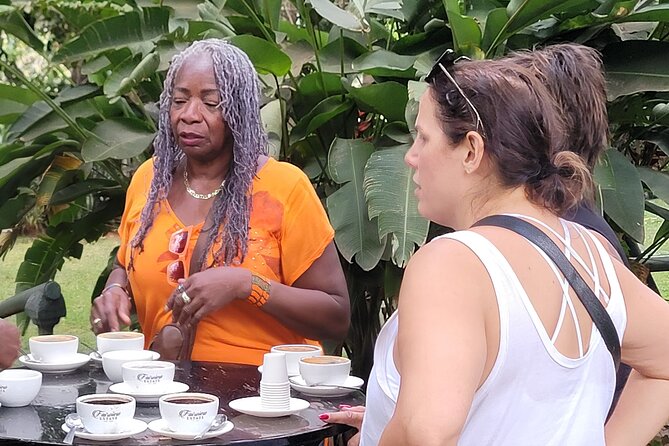
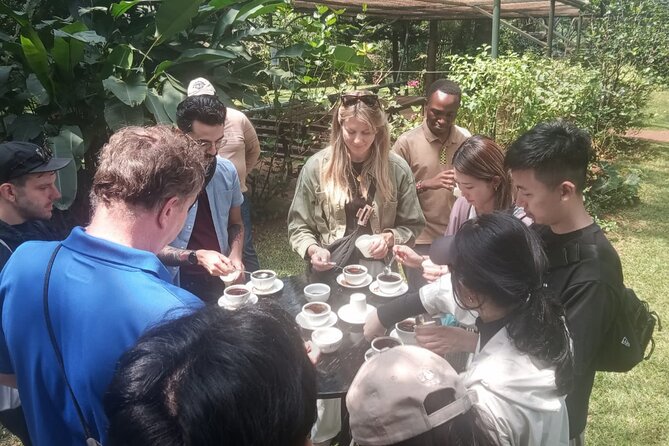
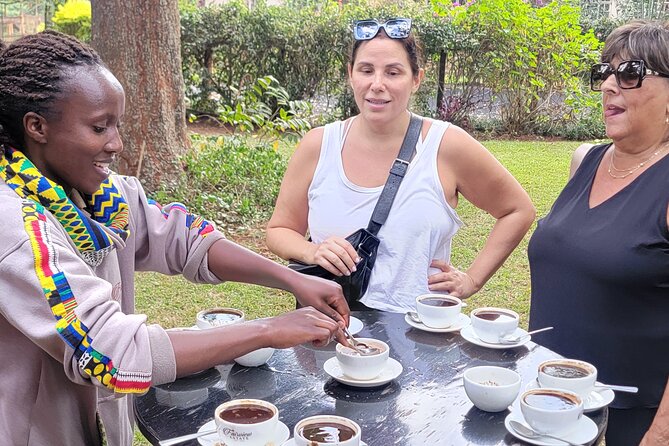
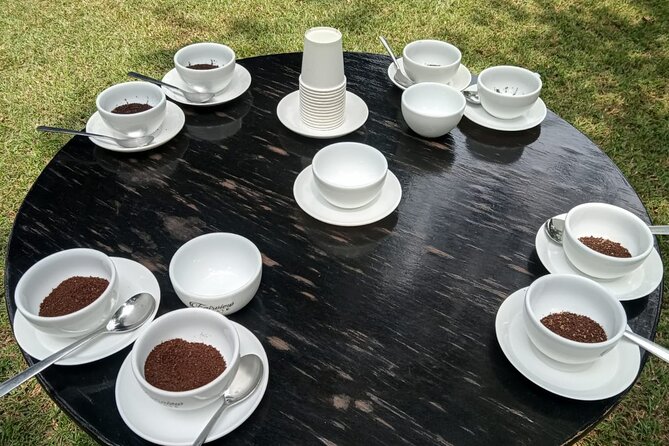
This tour is built around tasting, and not the casual kind where you get one small sip and move on. You’re set up to sample at least four different types/grades of coffee, with time to compare what each one tastes like.
A fun feature is the blind test format. In plain terms, it removes the bias of labels and brand expectations, so you taste based on flavor. One group even noted that most people did not match on their final picks—exactly the point. Coffee is personal.
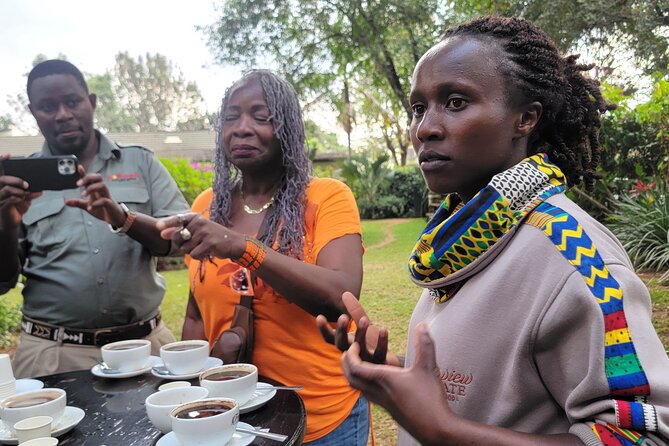
The guide at the farm—often named Elvis, and sometimes others like Raimund or James—is a big reason people rate this so highly. The common thread in the experience is not just facts, but how the guide prompts you to pay attention: aroma, taste differences, and how roasting choices show up in the cup.
You’ll also get to taste and drink the perfect cup of coffee as part of the tour flow. That’s valuable because it gives you a finish that feels complete: learn the process, taste the comparisons, then drink a cup made for you with the knowledge fresh in your head.
And yes, it’s not all serious. Many people end the visit with hot coffee and biscuits, plus gifts from the coffee farm.
Fairview shop time: buy what you tasted (and know the extra cost)
After the tasting, there’s time to buy coffee from the farm shop. People mention that roasting may happen fresh, in view, which makes purchases feel like part of the experience rather than a random souvenir stop.
Here’s the practical part: coffee purchases are extra, and the tour price does not include the farm entrance fee. The shop prices you can expect to see listed include:
- Medium roast 500 grams: Ksh 1200
- Dark roast 500 grams: Ksh 1200
- Kaldi roast 500 grams: Ksh 1800
If you love coffee enough to buy a bag for home, this is one of the best ways to do it. You can match what you buy to what you actually tasted on-site, instead of guessing from a label.
One small consideration from an experience recorded: if the roasting equipment has an issue, the shop hours or setup can be affected. That kind of disruption seems rare, but it’s worth mentally budgeting that the shop experience might vary slightly day to day.
Price and logistics: what your $39 really covers
The headline price is $39 per person, and the tour runs for about 3 hours total. Within that, you spend roughly 2 hours at the estate and the remaining time on transport between Nairobi and Kiambu.
What’s included:
- Professional tour guide
- Pick up & Drop off from the farm (private transportation)
- Hotel pickup and drop-off in Nairobi
- Bottled mineral water
What’s not included:
- Farm entrance fee: 30 USD per person
- Optional coffee for sale at the farm shop
So the realistic per-person total is closer to $69 USD once you factor in the entrance fee, before you buy any coffee. Whether that’s good value depends on you. If you want an organized, private ride plus a guided explanation plus a structured tasting of multiple grades, it can feel worth it.
If you’re the type who doesn’t care about tasting variety and just wants a quick souvenir photo, you might feel the price more. But for coffee lovers, the combination of process walkthrough and multi-grade tasting is the main payoff.
Who should book this coffee farm tour
I think this is a great fit if you:
- love coffee and want to understand it beyond the menu
- enjoy hands-on, walk-and-learn travel days
- like structured tastings where you compare multiple grades
- prefer private, easy Nairobi transport instead of figuring out local rides
It can also work for families, as one tour experience mentioned a young child learning about plants along the route. That doesn’t mean it’s a theme park, but it’s not purely technical either.
If you’re in Nairobi only briefly and your priority is city sights like museums or shopping, this tour can feel like a lot of travel for a coffee-focused day. Still, it’s a nice reset from city life—and it gives you something you can’t easily replicate at home.
Small things that make or break the experience
A few practical notes will help you get the best day.
First: plan for farm walking. Wear closed shoes, and expect dust or mud. If rain shows up, it can change the comfort level quickly.
Second: bring patience for a living working farm. You’re not in a staged set. You’re seeing a real operation where conditions can shift.
Third: ask your guide what you’re tasting while you’re tasting. The guides (often Elvis, with organizers/drivers like Alex) tend to do well when you pay attention and ask questions. That’s when the tasting becomes a skill you leave with, not just a nice hour.
Finally: decide your shopping budget before you get to the shop. The coffee prices are clear for 500-gram bags, and it’s easier to buy confidently when you’re not making decisions in the moment.
Should you book the Fairview Coffee Farm Tour?
If coffee is on your must-do list in Kenya, I’d book this. The strongest reasons are simple: a guided walkthrough from cherry to roast, a structured tasting of four grades, and private Nairobi pickup that keeps the logistics easy.
Also, the experience has a high satisfaction level based on the rating shown for this activity. Not every day is perfect—one shop setup issue was noted when roasting equipment wasn’t working—but the core tour is built around the farm education and tastings, not just the storefront.
If you’re price-sensitive, do the math first because the 30 USD entrance fee changes the total. For coffee people, the lesson + tasting mix usually justifies it.
FAQ
What time does the Coffee Farm Tour (Fairview) run?
The tour runs twice a day: 10:00 a.m. to 12:00 p.m. and 2:00 p.m. to 4:00 p.m.
How long is the activity?
The activity lasts about 3 hours total, including around 2 hours at Fairview Coffee Estate.
What is included in the $39 price?
The price includes a professional tour guide, private transportation with hotel pickup and drop-off in Nairobi, pickup & drop-off from the farm, and bottled mineral water.
Is the farm entrance fee included?
No. The farm entrance fee is 30 USD per person and is not included in the tour price.
How many coffees will I taste?
You’ll sample at least four coffee types/grades, and the tasting may include a blind test format.
Can I buy coffee at the farm?
Yes. The farm shop sells packed coffee. Listed prices include 500 grams for Ksh 1200 for medium and dark roasts, and Ksh 1800 for Kaldi roast.
Is the tour in English and wheelchair accessible?
Yes. The live tour guide speaks English, and the tour is listed as wheelchair accessible.