REVIEW · KIAMBU
Nairobi: Coffee farm tour with pick up
Book on GetYourGuide →Operated by United safari tours - Kenya · Bookable on GetYourGuide
A Nairobi coffee farm day can be surprisingly educational. This tour at Fairview Estate pairs a working plantation walk with an up-close look at how Kenya coffee goes from processing to roasting. You’ll end with a guided tasting and a chance to buy beans to take home.
I like how the day is built around two real “coffee moments.” First, you walk the coffee fields with agronomists and learn about farming practices. Second, you watch the coffee transformation firsthand in the processing center, then test your palate during a tasting session.
One thing to keep in mind: the experience depends heavily on timing and communication. Some people reported late pickup and missed tour time, so it’s smart to confirm the pickup details the day before and build in a little margin.
In This Review
- Key things I’d zero in on
- Fairview Estate, pickup at 9:00, and the start of your coffee day
- Walking the coffee fields with agronomists and sustainable farming talk
- Inside the processing center: sorting, roasting, and grinding you can see
- Coffee tasting: reading Kenya flavors like citrus, berry, and chocolate
- The patio pause: panoramic views and a breather between coffee steps
- The on-site shop: what to buy at Fairview Estate before you leave
- Price and value: $36 fare, but check the farm tour fees
- Timing and communication: why your morning buffer matters
- Who should book this Nairobi coffee farm tour (and who might not)
- Should you book the Nairobi Coffee Farm & Factory Tour?
- FAQ
- What time does the pickup start?
- What’s included in the tour price?
- Are farm tour fees included?
- What can I expect during the farm tour?
- What happens at the factory or processing center?
- Do I get coffee tasting on this tour?
- Will there be time to sit and enjoy the coffee?
- Is lunch included?
- What shopping options are available?
- What language is the tour offered in?
Key things I’d zero in on
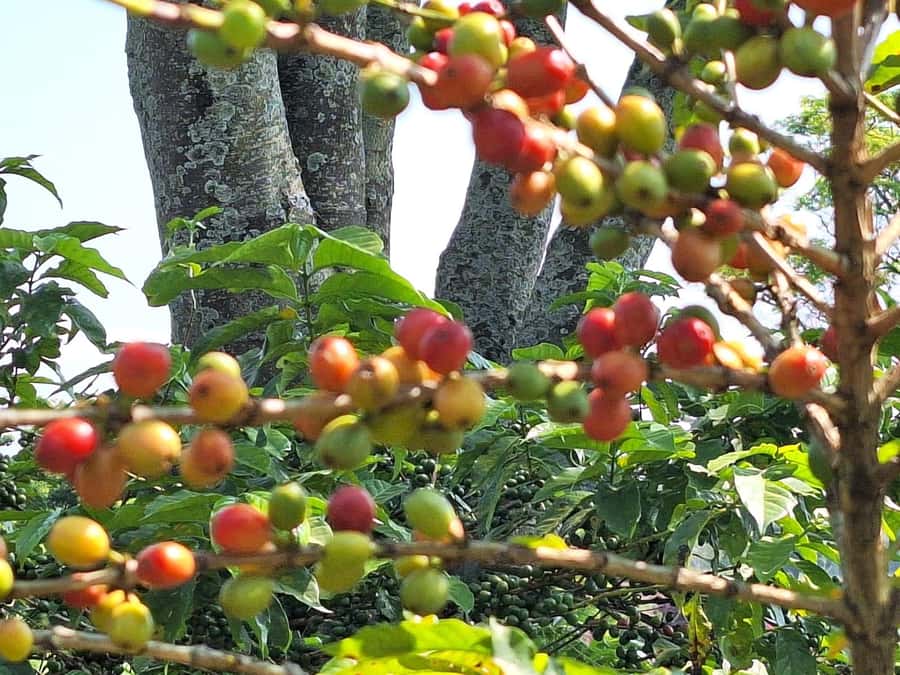
- Fairview Estate plantation walk with agronomists, focused on how coffee is grown.
- Interactive factory stop where you see sorting, roasting, and grinding.
- Guided tasting session with Kenyan coffee flavor notes like citrus, berry, and chocolate.
- Scenic patio break with panoramic views over hills and greenery.
- On-site shop for premium coffee products and locally crafted items.
Fairview Estate, pickup at 9:00, and the start of your coffee day
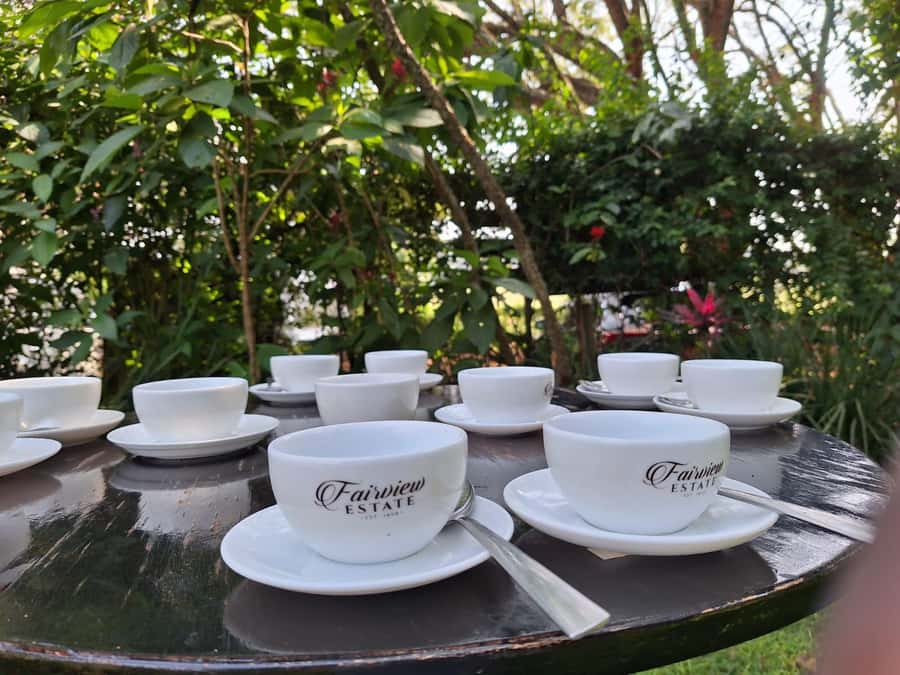
This tour is designed as a half-day experience with morning pickup at 9:00 AM from your Nairobi location, then drop-off back at your point of departure. That matters because it turns coffee into a true outing, not just a quick stop—you get a full arc: fields, factory, tasting, and shopping, all without you having to plan the logistics.
The first clue you’re in the right place is the setting. Fairview Estate is the kind of place where you immediately feel you’ve left the city rhythm behind. Even before you get into the processing details, the air and the grounds set the tone: this is a working coffee operation, not a museum.
One small but practical point: your tour includes a coffee drink and bottled mineral water, so you’re not arriving hungry or thirsty. You’ll still want to pace yourself, because you’re walking around and then doing a tasting where you’ll likely sample more than one brew-style.
You can also read our reviews of more tours and experiences in Kiambu.
Walking the coffee fields with agronomists and sustainable farming talk
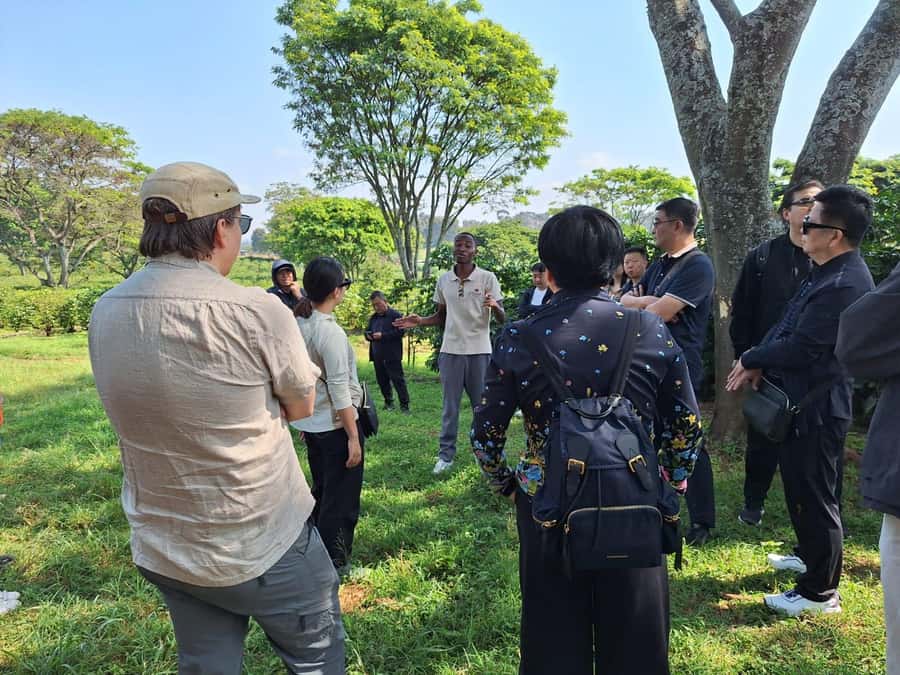
The farm portion is the heart of the experience. You’ll take a guided walk through the coffee plantation—described as a giant beans area—while a professional guide (and agronomists) explain how coffee is grown, including attention to the environment and sustainable farming practices.
What I like about this part is that it’s not just “here are coffee plants.” You get the story of how the estate manages growth and what farmers focus on. That turns coffee from a product into an agriculture lesson you can actually use when you later buy beans and try to understand why one bag tastes fruitier or more chocolatey than another.
You’ll also get a more human feel for the place. The tour description highlights friendly farmers and an emphasis on environmental care, which is exactly the kind of thing you notice when the tour guide isn’t rushing you through photos and out the gate. If you’re the type who likes asking questions, this is where your questions fit naturally.
A quick consideration: this is still a walking tour on a working property. Wear clothes and shoes that work for a stroll on uneven ground. Also, if you’re sensitive to morning timing, you should treat the tour like a real appointment—because when pickup runs late, you can lose time at the farm.
Inside the processing center: sorting, roasting, and grinding you can see
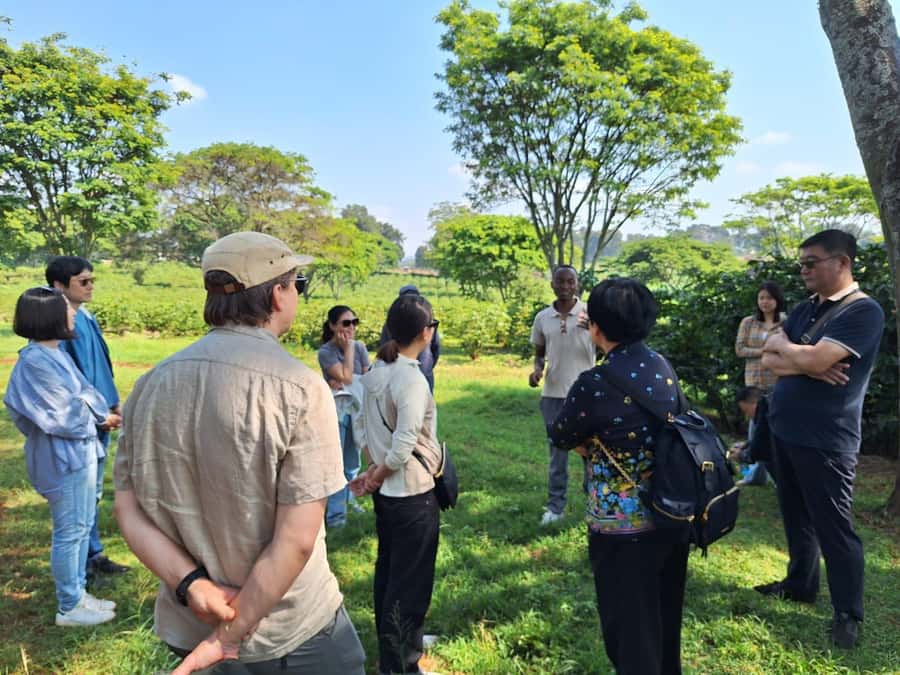
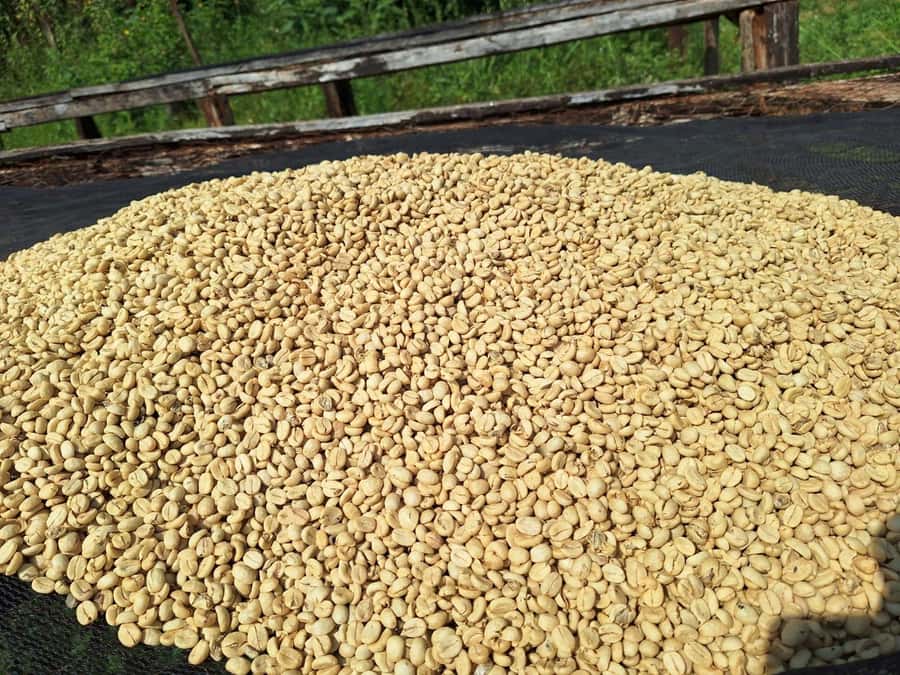
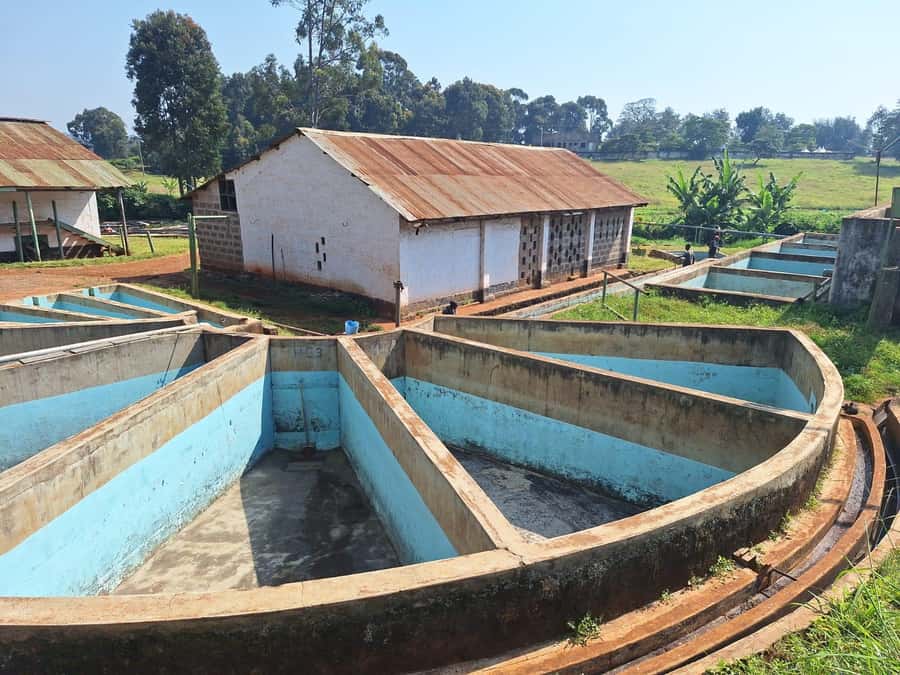
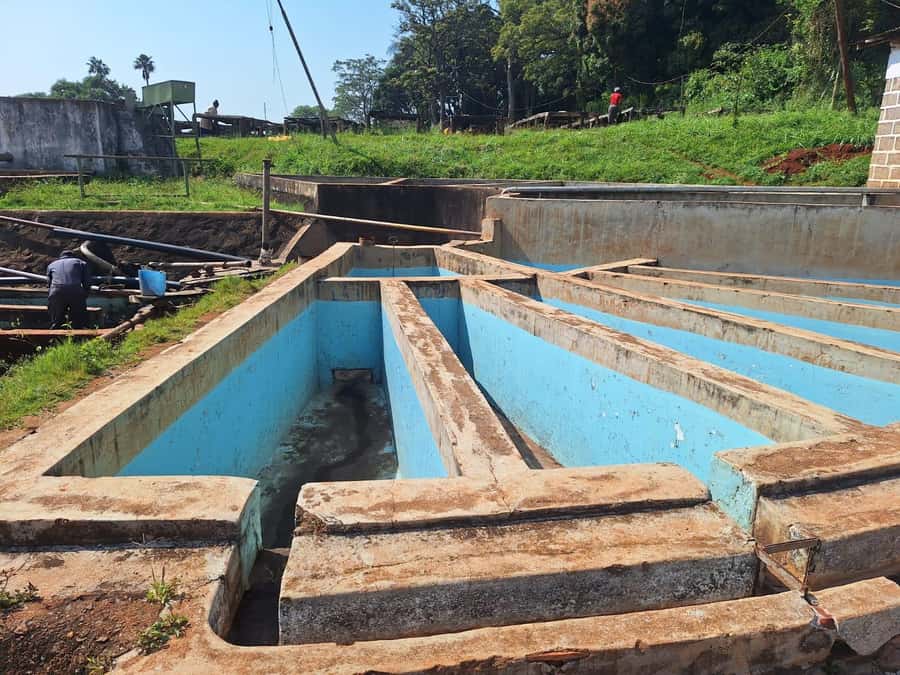
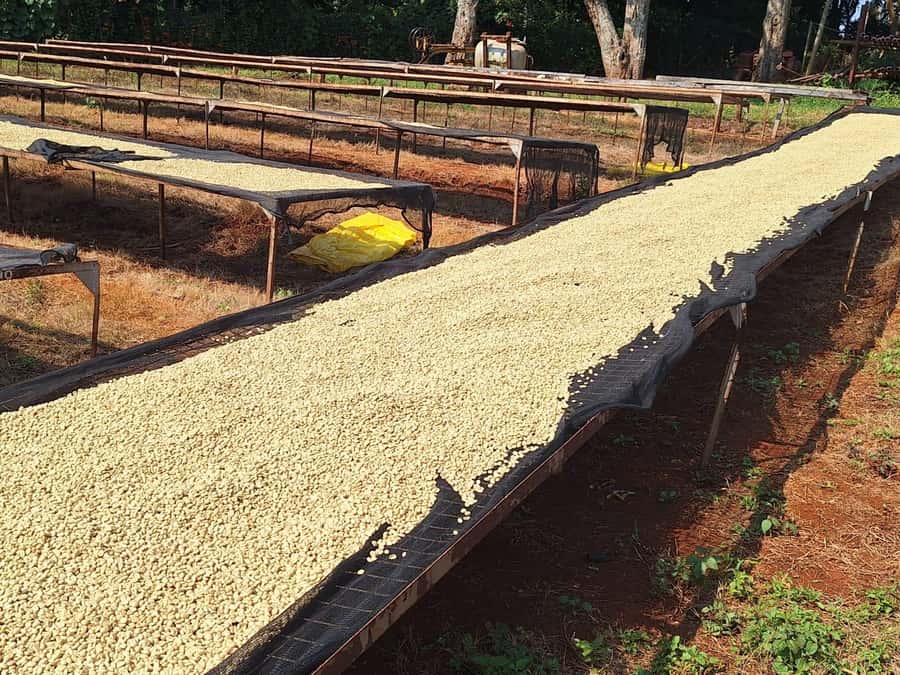
After the plantation walk, the focus shifts to the transformation side. You’ll visit the on-site, ultra modern processing center where you see how beans move through stages like processing, roasting, and grinding.
This is where the day becomes genuinely hands-on for your senses. You’re not just hearing that coffee is processed—you’re seeing it. The tour frames this as “the delicate science” of making coffee, and the takeaway is that quality isn’t magic. It’s steps: sorting, roasting, and grinding. Each step has a job, and each job affects flavor.
The tour description also mentions state-of-the-art equipment aimed at specialty coffee standards. Even if you don’t catch every technical detail, you can still pick up the big idea: modern processing is about consistency and control, which is why Kenyan specialty coffee can express clear flavor notes instead of tasting flat or generic.
If you’re a coffee nerd, this stop will feel like a shortcut to understanding why roast date, processing choices, and handling matter. If you’re not a coffee nerd, it still works, because the pacing is guided and you’re not left wandering around guessing what you’re looking at.
Coffee tasting: reading Kenya flavors like citrus, berry, and chocolate
Next comes the payoff for your taste buds: a guided coffee tasting session. The tour is structured so the tasting isn’t random sampling. Your guide explains the peculiarities of Kenyan coffee and gives tips for how to experience the flavors.
The tasting guide points to likely notes such as citrus, berry, and chocolate. That’s useful, because it gives you a vocabulary to listen for. Once someone gives you that mental map, you start noticing when acidity shows up like citrus, when sweetness or fruitiness leans toward berry, or when the finish feels more chocolate-like.
I also like that the tasting ties back to the earlier stops. When you’ve walked the plantation and seen processing, the flavors feel earned instead of accidental. Kenyan coffee isn’t just tasting good; it’s reflecting choices made during growth and processing.
One practical note: tasting sessions can be best when you go in slightly curious and not trying to “win” by getting every note right. Use the guide’s tips, take small sips, and focus on what you actually like. Then you can buy beans from the shop with more confidence.
The patio pause: panoramic views and a breather between coffee steps
Between factory and shopping, the tour includes time for scenic relaxation. You’ll sit on the patio at Fairview Estate with a fresh cup of coffee and take in panoramic views of hills and roaming greenery.
This part might sound simple, but it’s where you slow down and let the coffee experience settle into a memory. You’ve already learned the science and done the tasting. Now you get to enjoy the place itself, which helps the day feel like more than just an educational checklist.
Also, it’s a good moment to regroup if you arrived with questions. You can ask your guide follow-ups without standing in a line or moving to the next station. If your schedule on the other end of the day is tight, this patio break is often where you can judge whether you’ve got time for a final shop stop.
The on-site shop: what to buy at Fairview Estate before you leave
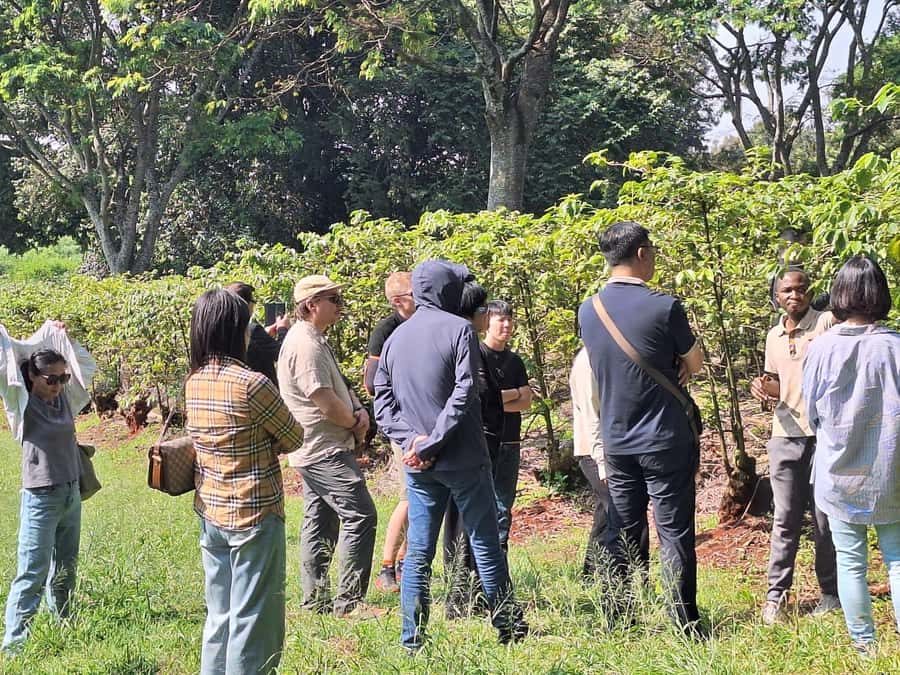
On your return to the car, you’ll stop at the estate shop. This is one of the smartest parts of the tour, because you’re not shopping blind. You’ve seen processing and tasted the product, so you know what you personally like.
The shop sells premium coffee products, and there are also locally crafted merchandise options—so you can bring home coffee for drinking and something else for gifts. I’d treat it like a buying moment, not a window-shopping obligation. Ask staff what roast level or flavor profile they recommend based on the notes you enjoyed in the tasting.
If you’re trying to avoid buying random souvenirs, this shop is different: it’s tied to the day’s theme. In other words, it’s easier to justify the expense because the coffee is connected to what you experienced on-site.
Price and value: $36 fare, but check the farm tour fees
Pricing is where you need to pay close attention. The summary price is listed as $36 per person, and the tour includes pickup and drop-off in Nairobi, a live guided tour, a coffee drink, and bottled mineral water.
But the details also list farm tour fees of $35 as not included. In plain terms: you may end up paying more than the headline number, depending on how your booking is structured. One person reported paying additional costs on top of what they paid for the tour, which is exactly why you should confirm what’s already covered before you show up.
So how do you judge value?
- If your total price includes both the transfer and the farm experience you came for, you’re getting a guided half-day with tasting plus on-site shopping time.
- If part of what you expect (like the farm tour fee) is extra, your “cheap coffee day” suddenly isn’t cheap anymore. In that case, the value depends on whether the tasting and factory portion still feel complete for what you paid.
My advice: before booking, confirm your all-in cost and what each line item covers. Coffee tours can be good value, but only when the math matches what you’re actually buying.
Timing and communication: why your morning buffer matters
This tour runs on a morning schedule, so timing matters more than you’d think. One experience included a late pickup—reported as about 45 minutes—and a lack of useful information. Another experience sounded smoother, with a guide named Douglas providing clear value, a safe ride, and patience when the tour ran overtime, along with Hortensia as a knowledgeable guide.
That range tells you something important: this isn’t just about the farm. It’s also about the transport provider and how they communicate on the day.
Here’s what you can do:
- Confirm pickup details and pickup location the day before.
- Make sure your phone is reachable at pickup time.
- Have a little buffer for the day. If you’re doing something strict later in Nairobi, don’t schedule it right at the end of the tour.
If you’re the kind of traveler who hates surprises, timing deserves respect. If you’re flexible and just want a good morning learning about coffee, you’ll probably be happy with the overall experience.
Who should book this Nairobi coffee farm tour (and who might not)
I’d point this tour toward people who want to understand coffee beyond taste. If you like food tours with a practical angle—where you learn how a product is grown and processed—this fits.
It also works well for first-time visitors to Nairobi who want an easy day away from the city. You get a clear structure: plantation walk, factory stop, tasting, patio views, then a shop.
You might want to think twice if:
- You dislike tours that depend on punctual pickup and solid communication.
- You’re counting every dollar and you don’t want to deal with extra farm fees on top of the headline price.
- You’re hoping for a strictly “DIY vibe.” This is guided, and most of the value is in being guided through the coffee process.
Should you book the Nairobi Coffee Farm & Factory Tour?
If you confirm the all-in price and you’re okay with a guided morning format, I think this tour is worth it. The pairing of plantation learning with an on-site processing center is the key value—and the tasting gives you a real reason to care about the details.
I’d book it if you want:
- a genuine look at how Kenyan coffee is grown and processed,
- a guided tasting with clear flavor notes like citrus, berry, and chocolate,
- and the chance to buy coffee you’ve actually tasted on-site.
Skip or reconsider if your plans are rigid around timing, or if the total cost looks likely to jump once you arrive. For a lot of people, it’s a relaxing, informative half-day. For others, the day can feel like poor value if pickup timing slips or if fees aren’t clear upfront.
FAQ
What time does the pickup start?
Pickup is scheduled for 9:00 AM from your Nairobi location.
What’s included in the tour price?
Included items are pickup and drop-off from your Nairobi location, a live guided tour to the farm, one coffee drink, and bottled mineral water.
Are farm tour fees included?
Farm tour fees are listed as not included, with the amount shown as $35. Check what’s covered in your booking.
What can I expect during the farm tour?
You’ll take a guided walk through the coffee plantation and learn about how the coffee is grown, with focus on farming practices and environmental attention.
What happens at the factory or processing center?
You’ll visit the processing center and see how coffee beans are processed, roasted, and ground, with explanations from your guide.
Do I get coffee tasting on this tour?
Yes. There’s a guided coffee tasting session where you learn about Kenyan coffee flavors and how to experience notes such as citrus, berry, and chocolate.
Will there be time to sit and enjoy the coffee?
Yes. The schedule includes scenic relaxation on the estate patio with a panoramic view while you drink coffee.
Is lunch included?
Lunch is not included.
What shopping options are available?
You’ll be able to visit the on-site shop for premium coffee products and locally crafted merchandise.
What language is the tour offered in?
The tour language is English.