REVIEW · CLIFDEN
Oyster Farm and Tasting Experience
Book on Viator →Operated by DK Connemara Oysters · Bookable on Viator
Oysters, but make it Connemara. This DK Connemara Oysters experience swaps city noise for a real working farm at the foot of the Connemara National Park, with wild Atlantic views and a tasting that actually teaches your taste buds how to pay attention.
I especially like the way the tour follows the full rhythm of oyster farming—grading, packing, and even work out in the bay—so you’re not just eating, you’re understanding. I also love the hands-on part: the shucking demo, plus the option to try it yourself if you’re feeling brave, followed by a tasting that gets better bite by bite.
One thing to consider: the experience depends on good weather, and oysters are a clear allergen, so it’s not for everyone. If you’re sensitive to seafood or food allergies, plan carefully before you book.
In This Review
- Quick Hits Before You Go
- Oyster Farm at Dawros Beg: Why This Feels Real
- What the 1 Hour 15 Covers: Seed to Plate in Plain English
- Watching the Team Work: Grading, Packing, and Bay Time
- Oyster Shucking and Tasting: The Part That Changes Your Palate
- Timing, Weather, and the Views Around Clifden
- Price and Value: Why This Costs What It Costs
- Who Should Book DK Connemara Oysters (and Who Might Skip It)
- Practical Tips That Make the Day Easier
- Should You Book This Oyster Farm Tour?
- FAQ
- Where does the oyster farm tour start?
- How long is the tour?
- What happens during the experience?
- Can I shuck an oyster myself?
- Is this activity good for kids?
- Are oysters included, and are there allergen warnings?
- What if the weather is poor or I need to cancel?
Quick Hits Before You Go
- Seed to plate walkthrough that explains oyster farming as a daily job, not a showroom trick
- Working bay moments: watch grading, packing, and turning bags in the water
- Shucking lesson first, then you can shuck your own oyster if you want
- Sweet, creamy flavor with a touch of earthiness—and you’ll taste it shift as you eat more
- Small groups (max 30), which keeps the vibe personal and kid-friendly
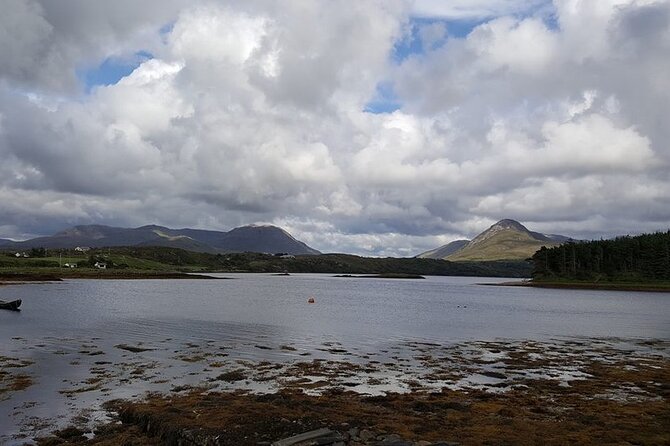
- Connorama views nearby: you’re set at Dawros Beg, with famous landmarks like Kylemore Abbey about 15 minutes away
Oyster Farm at Dawros Beg: Why This Feels Real
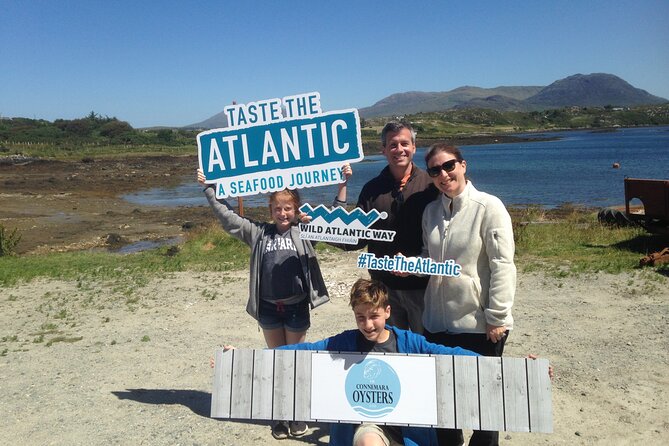
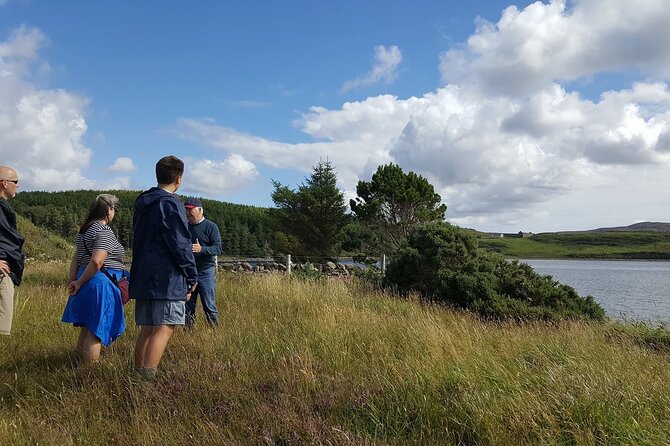
This isn’t one of those tours where you stand behind a rope and get a speech. You’re at a working oyster farm in Clifden, County Galway, starting at Dawros Beg (H91 AC6K). From there, you get the rare combo of hands-on food education and proper coastal drama—Atlantic wind, far-off horizon energy, and that sense that nature is doing half the work.
I like that it happens right near the Connemara National Park area, so the scenery doesn’t feel pasted on. The views aren’t just a nice bonus; they help you understand why this kind of farming exists where it does. And because the whole session is about learning a process, it works for both adults and kids. The tour description even calls it a great pick for families with kids 6+, including on a bad weather day, which is a big deal in western Ireland.
What the 1 Hour 15 Covers: Seed to Plate in Plain English
The experience runs about 1 hour 15 minutes, and it moves at a pace that doesn’t drag. You’ll start with the basics of how the oysters go from the earliest stages through to what ends up on your plate. The goal is not fancy jargon—it’s a straightforward chain of steps so you can picture what’s happening out on the water and what your food actually went through.
Here’s what that means in real life on the day:
- You’ll tour the farm and learn the farming process from seed to plate.
- You’ll see the team working on tasks like grading and packing.
- You’ll also learn about the bay work, including turning bags in the water.
That “from seed to plate” framing matters, because it turns tasting into something you can track. When you understand the process, your brain starts noticing details. Is the oyster brinier today? Does it feel creamier? Why does a fresh one taste sweeter than you expected? The tour sets you up to ask those questions, even if you didn’t know you’d care.
Watching the Team Work: Grading, Packing, and Bay Time
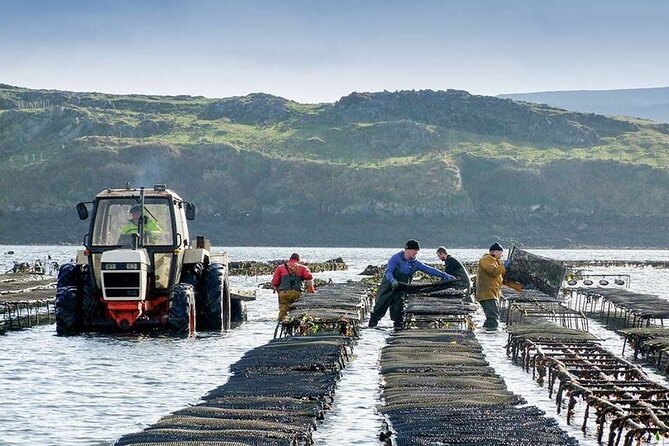
One of the best parts is getting out of the “food tasting only” mode. You’re watching people do what they do every day, and that makes it feel authentic instead of staged.
You’ll see the team handling oysters and equipment through the day’s workflow—things like grading and packing, which sound simple until you realize it’s how they manage quality and readiness. You’ll also be shown activities related to the water-based side of the operation, including turning bags in the bay. That’s the kind of task that gives you instant respect for oyster farming: it’s practical work, repeated often, done with the weather and water doing what they want.
Two things from the experience that land well with visitors:
- It’s easy to follow even if you know nothing about oysters.
- You’re not stuck staring at a single point—you move with the tour and see multiple parts of the operation.
And yes, the coastal setting helps. Standing near the activity with the Atlantic in the background makes everything feel tied to place. Even if you’re only there for an hour or so, it feels like you got a real slice of the region’s working life.
Oyster Shucking and Tasting: The Part That Changes Your Palate
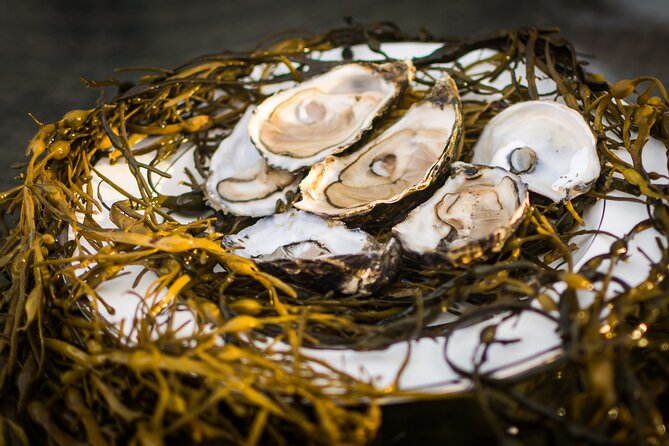
This is the “slow food moment,” but in a fun, quick-hit format. Once the farm walkthrough is done, you’ll get a shucking demonstration. The description says you can then shuck your own oyster if you’re feeling adventurous—so you’re not just watching someone else do the tricky part.
Then comes the tasting. The tour frames the flavor progression in a smart way: the first oyster hits different because your palate adjusts as you keep eating. That matches what people tend to feel in the moment—your brain recalibrates, and suddenly the oyster stops being a novelty and becomes a flavor you can actually describe.
According to the experience description, the oyster flavor is described as:
- sweet
- with creamy notes
- plus a touch of earthiness
In the guide quality, the reviews you’ll see around this tour tend to spotlight guides who can explain the farm work and the tasting step in an engaging way. Names that come up include Sinead and David. Both are praised for bringing real enthusiasm for what they do and for making the process understandable.
A practical tip for the tasting: bring an open mind about how you’ll season. One key detail that shows up in feedback is that lemon helps, especially if you’re trying oyster for the first time. Lemon won’t “fix” oysters, but it can make the flavors pop so you get more out of that first bite.
Timing, Weather, and the Views Around Clifden
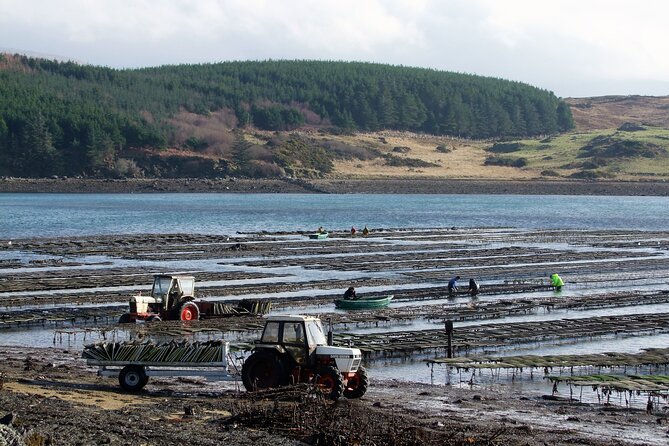
The start time is 11:00 am, and the tour ends back at the meeting point. That makes it easy to build into a day around Clifden without losing your whole afternoon. It also keeps the logistics simple if you’re bouncing between nearby sights.
The experience is also described as deliverable even when the weather isn’t ideal—so you’re not completely at the mercy of a perfect blue-sky day. Still, good weather is required for the experience, and the provider notes that the tour can be canceled due to poor weather, with an alternative date or a full refund offered. In other words: plan like a realist. If the sky looks rough, consider scheduling something else nearby too, so you can flow with the day.
The setting itself is part of the draw: you’re at the foot of the Connemara National Park, about 15 minutes’ drive from Kylemore Abbey. That proximity makes the oyster farm feel like a “real day” on the ground rather than a standalone stop. If you’re doing Kylemore Abbey, this gives you a totally different angle on Connemara—coastal work and food education instead of architecture and gardens.
Price and Value: Why This Costs What It Costs
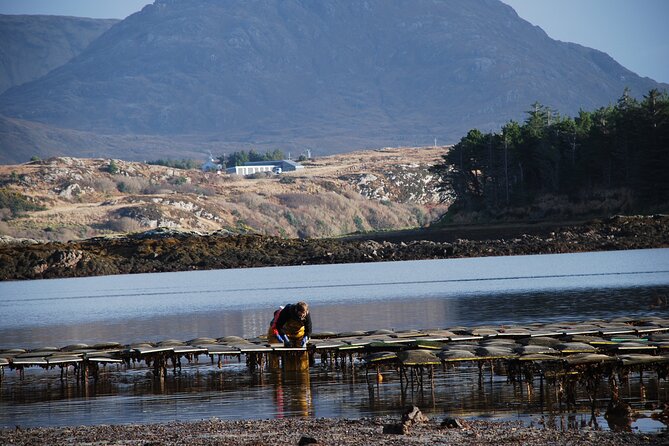
At $54.06 per person, you’re paying for a short, guided, farm-based experience with a tasting and a shucking component. It’s not just the product price (even though the oysters are the star). The value is in the structure:
- You get a working farm tour with tasks explained (seed to plate).
- You get a demonstration and the chance to shuck your own.
- You get a tasting that teaches you how oysters change as you eat more.
An hour-plus can sound brief, but it’s the kind of time window that works. You’re not committing to half a day. You’re showing up, learning the key steps, tasting what those steps produce, and leaving with a clearer sense of what oyster farming actually looks like.
Also, the group size cap of 30 travelers helps with the feel. Smaller groups usually mean questions get answered and the guide can keep the energy on track—especially during shucking, when people want practical help.
If you want a “unique Connemara” story that isn’t just another scenic photo stop, this one’s strong. You come away with both flavor memory and process knowledge.
Who Should Book DK Connemara Oysters (and Who Might Skip It)
This is a great fit if you:
- want something hands-on and not purely observational
- are traveling with kids 6+ who get restless during long tours
- like food experiences that explain the how, not just the what
- want to combine views of the Atlantic with a genuine local trade
It’s also smart for anyone who’s curious about Ireland beyond pubs and castles. Oyster farming is part of the region’s working coastline culture, and seeing it in action makes the place feel more alive.
You might think twice if:
- you have a seafood allergy or oysters are a known allergen for you
- you’re looking for a long, deep museum-style talk (this is more “farm-to-plate” and hands-on than academic)
- weather is a big unknown for your day and you can’t be flexible, since the experience depends on good conditions
Practical Tips That Make the Day Easier
A few small things will help your tour feel smoother:
- Wear comfortable outerwear. Even in good weather, coastal air can be brisk, and you’ll likely be standing and watching tasks.
- If it’s your first time eating oysters, start with a simple approach. The tour experience notes the flavor profile and tasting progression; people also find that lemon helps.
- If you’re interested in shucking your own oyster, go in with patience. The demo comes first for a reason—you’ll learn the technique before you try.
- Bring a mindset shift. The goal isn’t just eating oysters; it’s seeing the process and learning how farming steps connect to the taste.
Should You Book This Oyster Farm Tour?
I think you should book DK Connemara Oysters if you want an experience that’s both fun and genuinely useful. The farm-to-plate flow makes the tasting more meaningful, and the shucking component adds a hands-on payoff that many food tours skip. With guides such as Sinead and David repeatedly called out for their passion and clear communication, you’re likely to feel guided rather than rushed.
Skip it only if oysters are a problem for you allergy-wise, or if you’re the type who hates weather-dependent plans and hates seafood tasting in general. If not, this is one of the better ways to spend a short morning in Connemara: you get working farm reality, Atlantic views, and a tasting that actually teaches your palate.
FAQ
Where does the oyster farm tour start?
The experience starts at Dawros Beg, Co. Galway (H91 AC6K), Ireland and ends back at the same meeting point.
How long is the tour?
It lasts about 1 hour 15 minutes (approx.).
What happens during the experience?
You’ll tour the farm and learn the oyster farming process from seed to plate, see the team working (such as grading, packing, and turning bags in the bay), then you’ll get a shucking demonstration and an oyster tasting.
Can I shuck an oyster myself?
Yes. After the demonstration, the experience says you can shuck your own oyster if you’re feeling adventurous.
Is this activity good for kids?
It’s described as a brilliant thing to do to amuse kids (6+), including on a bad weather day.
Are oysters included, and are there allergen warnings?
Yes, the experience includes oyster tasting. Oysters are listed as allergens.
What if the weather is poor or I need to cancel?
The experience requires good weather. If it’s canceled due to poor weather, you’ll be offered a different date or a full refund. You can cancel up to 24 hours in advance for a full refund.