REVIEW · SIHANOUKVILLE
Half-Day Adventure to the Pepper Farm by Scooter
Book on Viator →Operated by Scooter Trails · Bookable on Viator
Pepper farms are best seen by scooter. This half-day ride around Kampot turns a simple countryside loop into a hands-on look at salt and pepper production, plus Secret Lake and a cave temple viewpoint. You’ll get the feeling of being out in real working fields, not just pulled past pretty scenery.
Two things I especially liked: you move at scooter speed, so rural roads feel personal and close, and the guide’s storytelling makes Kampot’s products click (including what makes Kampot Pepper so famous). One consideration: some back roads can be hard to follow, so keep close to your guide and make sure you’re comfortable on a scooter for the full time.
In This Review
- Key highlights worth planning for
- Getting off Kampot’s main roads on a small-group scooter
- Price and timing: does $30 make sense here?
- Where you’ll start and how to show up ready
- Stop-by-stop: salt farm, rice paddies, and what farmers still do
- Salt farm lessons (and a possible taste)
- Rice paddy stop: traditional growing methods
- The cave temple: viewpoints over Kampot
- Secret Lake’s Khmer Rouge connection (why this stop hits)
- Pepper farm at BoTree Farm: learning varieties where they grow
- What makes this tour feel authentic: your guide and the rural pace
- Logistics and comfort: a few things to consider before you ride
- Who should book this scooter pepper farm adventure
- Should you book Scooter Trails Half-Day Pepper Farm by Scooter?
- FAQ
- FAQ
- How long is the scooter tour?
- How much does it cost?
- How big is the group?
- What’s included in the price?
- Where does the tour start?
- What if I need to cancel?
Key highlights worth planning for
- Max 8 people: small-group feel without getting stuck with a big crowd
- Scooter, helmet, gas, and water included: less hassle, better value for the time
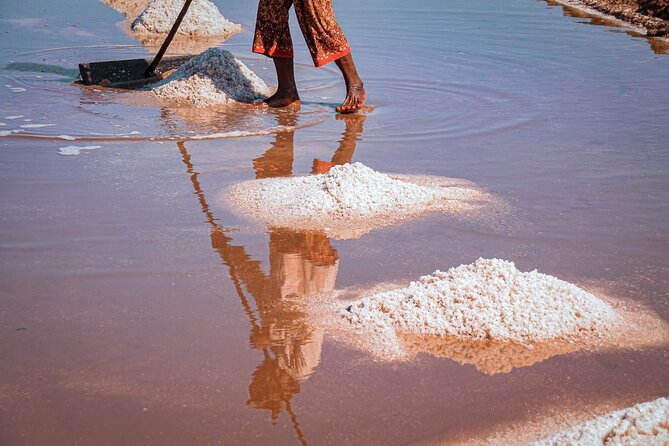
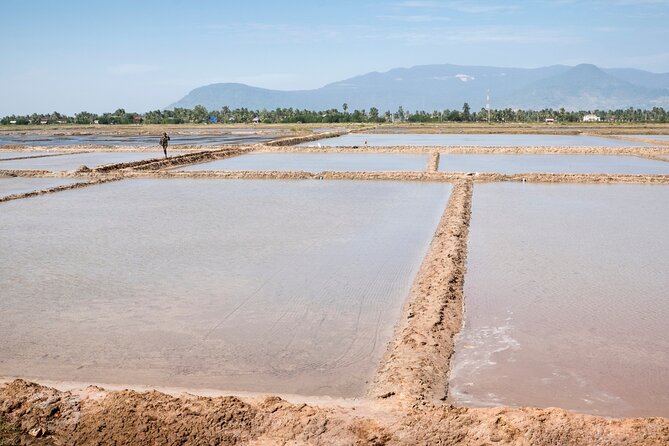
- Salt farm stop with a possible taste: you learn about Cambodia’s salt work and how it connects to daily life
- Rice paddies still farmed traditionally: you’ll see how people grow rice using old methods
- Secret Lake’s Khmer Rouge irrigation history: a history lesson tied directly to what you see
- Pepper farm varieties at BoTree Farm: you learn pepper differences right where it grows
Getting off Kampot’s main roads on a small-group scooter
This tour works because it trades comfort for access. Instead of watching the countryside from behind a window, you’re on a scooter with a local guide who knows the back roads and how to connect each stop to what Kampot exports (and what local families actually do day to day).
The group size is capped at 8, which changes the vibe fast. You’re not shouting over engines while a crowd hustles along. You can ask questions, pause for photos, and listen when the guide explains the salt and rice process, or why Secret Lake matters.
One more plus: you’re not stuck with a script. The ride is structured, but the guide can react to what you’re curious about. In past visits, I’ve heard from people who appreciated that their guide (named T) could chat in clear English and help them interact with locals at the right moments.
You can also read our reviews of more tours and experiences in Sihanoukville.
Price and timing: does $30 make sense here?
At $30 per person for about 3 hours 30 minutes, the price feels fair because you’re not just paying for driving. You’re paying for a guided route, the scooter setup (scooter, helmet, gasoline), and water, while also covering several stops without worrying about separate entry fees at each point.
Also, this isn’t a full-day commitment. If you only have a half-day in the Kampot area, this is the kind of plan that gives you variety without eating your whole day. You get the farming theme (salt, rice, pepper) plus two nature/history stops (Secret Lake and a cave temple).
If you’re doing multiple activities in Kampot, I’d see this as a good “active morning or afternoon” slot. It pairs especially well with a slower evening afterward, when you can actually digest what you saw.
Where you’ll start and how to show up ready
You’ll meet at Butterfly Tours in Kampot (the address listed for the start is J56M+FX4, 13205). This matters more than it sounds. Scooter routes are much easier when you’re not late, because the group needs to roll out together and your timing between stops depends on it.
You’ll also get a mobile ticket, so keep your phone charged. Confirmation comes at booking, which helps you avoid last-minute guessing.
If you’re riding your own scooter behind the guide (some people do), wear something practical. Closed-toe shoes help, and bring a light layer if you’re out during cooler hours. The tour includes water, but it’s still a good idea to drink before you feel thirsty.
Stop-by-stop: salt farm, rice paddies, and what farmers still do
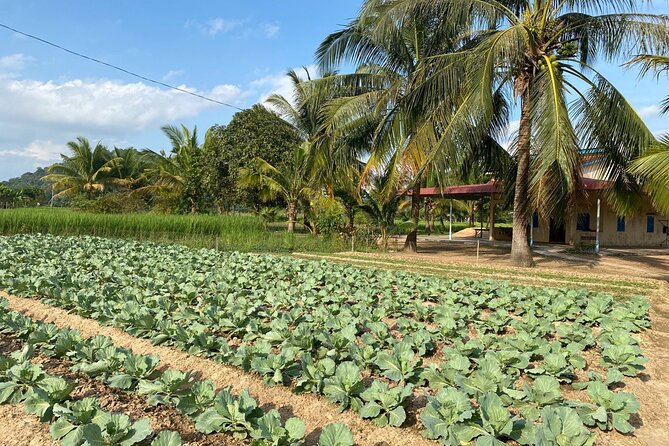
The tour’s first stretch is about getting you into the right rhythm: you head out on scooter trails and start seeing the countryside the way locals do. The guide uses this ride time to set expectations and connect the dots between what you’ll learn later—salt, rice, and then pepper.
Salt farm lessons (and a possible taste)
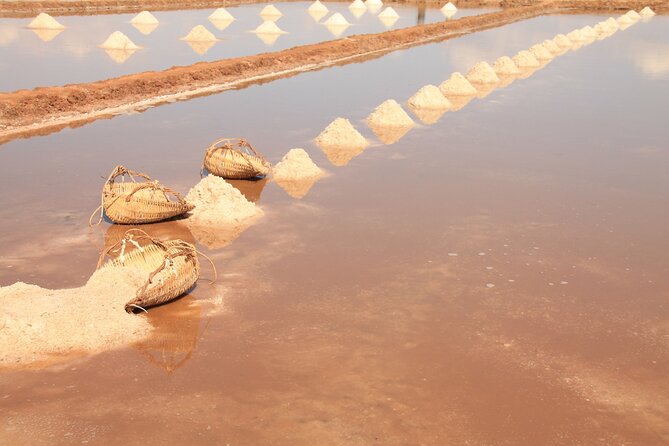
At the salt farm, you learn why salt matters to Cambodia’s industry and how the process works in practice. There’s even a chance to try some salt if you’re lucky, which is a small detail but a memorable one. It turns a concept into something tangible in your hands.
What I like here is the specificity. Salt farms aren’t just a photo stop; the guide explains the work and how it fits into the region’s economy.
Potential drawback: this stop is short, so if you’re hoping for a long, slow museum-style experience, you’ll want to treat it like an overview with context rather than a deep technical class.



Rice paddy stop: traditional growing methods
Next you head into paddy fields, where rice farming is still a major activity. Your guide talks you through the process and points out how many locals continue using traditional methods.
This is where the tour earns its “countryside” label. Even if you’ve seen rice before, watching people work in the fields (and hearing how the process works) makes you notice details you’d otherwise miss—like how farming shapes the daily schedule and the look of the land.
Again, the visit is time-limited, so think of it as a visual primer. But it’s a good one. It gives you a better lens for the rest of the day.
The cave temple: viewpoints over Kampot
Then you go to Phnom Chhngok Cave Temple. You’ll climb up to the cave temple site and take in the views over Kampot’s natural scenery. It’s one of those stops that gives you a break from learning-only time. You get your legs moving a bit, and the payoff is a higher perspective over everything you’ve been riding through.
Because this is a temple stop, bring respectful behavior. Dress in a way that won’t feel awkward around religious sites, and follow whatever guidance your guide gives you for staying on track.
Secret Lake’s Khmer Rouge connection (why this stop hits)
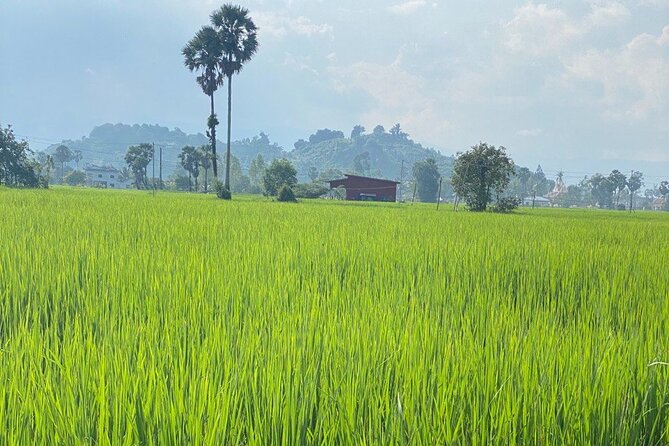
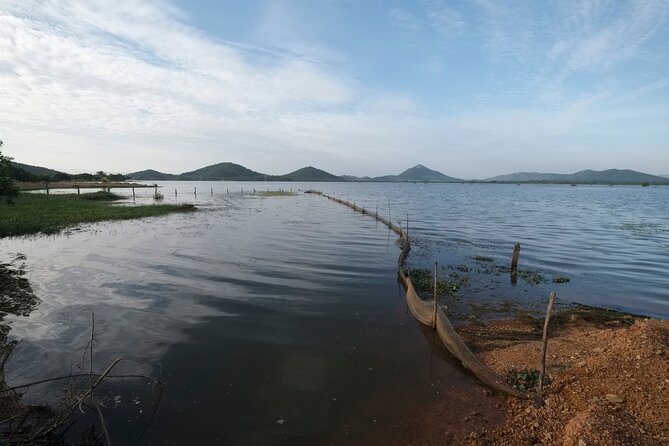
After the temple viewpoint, you’ll head to Secret Lake. The standout detail here is its past: it was originally built as an irrigation dam during the Khmer Rouge regime.
That historical link changes how you experience the water. You’re not just stopping at something pretty. You’re seeing a landscape feature shaped by a period of Cambodian history, and your guide helps you understand the complicated context of why it exists.
The stop is about 30 minutes, which is just enough time to enjoy the setting without turning it into a long, heavy experience. If you like learning through what you can directly see, this stop is a strong match.
Pepper farm at BoTree Farm: learning varieties where they grow
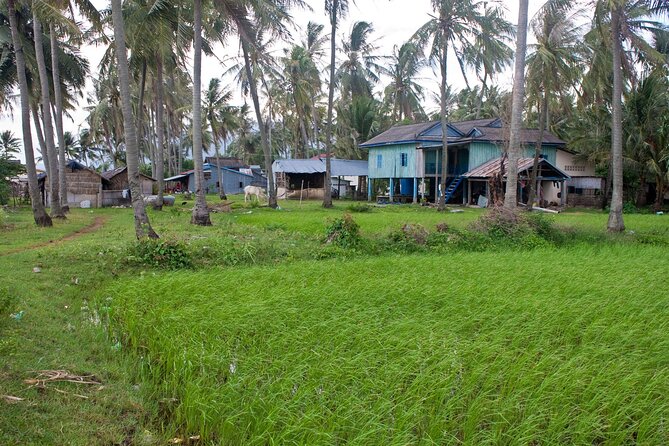
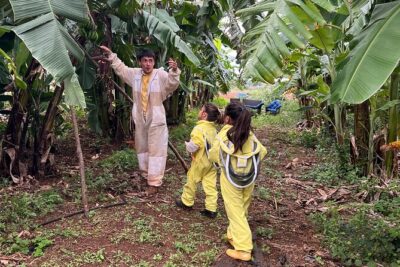
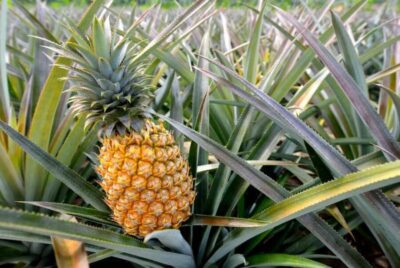
The final stop brings you to a pepper farm at BoTree Farm, where you learn about pepper varieties and plantations. This is the part that connects the entire tour—salt, rice, and then pepper—into one theme: agriculture as identity and export.
Pepper at Kampot is famous for a reason, but it’s hard to fully grasp until you’re standing near the plants and hearing how the varieties differ. The guide talks through what you’re looking at and how the farm fits into the larger picture of Kampot pepper production.
One practical upside: the pepper farm stop makes it easier to buy a souvenir with confidence. You’re less likely to feel like you’re grabbing a random bag. You’ll know what you just learned to look for.
What makes this tour feel authentic: your guide and the rural pace

This experience rises or falls on the guide, and that’s exactly where Scooter Trails has strength. People have praised guides for speaking good English and for being able to guide you to places that aren’t easy to find on your own—especially because the back roads can be poorly marked.
If you want to get real value, ask simple questions as you ride. For example:
- What’s the main difference between pepper varieties here?
- Why do these methods still matter for rice?
- How does salt production fit local life?
You’ll get more out of the tour if you treat the scooter time as the learning time. The route isn’t just movement; it’s how you build context for each stop.
Also, you’ll appreciate the included setup. Helmet, scooter, gasoline, and water keep the day smooth. It’s one less thing to sort out, and it means you can focus on the countryside.
Logistics and comfort: a few things to consider before you ride
Most people can participate on this kind of half-day scooter tour, but it’s still a riding activity. Plan for:
- A good amount of time on a scooter seat (about 3.5 hours total)
- Following the guide closely, since the roads are not set up like an organized city route
- Being ready to stop and climb a bit at the cave temple
If you’re nervous about balancing on a scooter, consider whether you can stay calm and attentive for the ride. This isn’t a slow stroll, and the best photos are usually when you’re still moving safely between stops.
If you need food planning support, there’s a vegetarian option available—just tell the operator when you book. (Lunch isn’t included, so you’ll want to plan what you’ll eat on your own after the tour.)
Who should book this scooter pepper farm adventure
This is ideal if you want:
- A small-group countryside experience near Kampot
- An agriculture-focused tour (salt, rice, pepper)
- A guided route that takes you to places that are easier with local help
It’s also great for people who like history but don’t want a lecture. Secret Lake offers that historical anchor, but it’s still tied to a real place you can see and walk around briefly.
You might skip it if you:
- Absolutely hate riding scooters
- Prefer long, unstructured stays at fewer places (this tour runs in a steady schedule)
- Want a full-day meal-and-rest package (lunch isn’t included)
Should you book Scooter Trails Half-Day Pepper Farm by Scooter?
If you have half a day in the Kampot area and you want your time to feel active and real, I think this is a solid choice. For $30, you get a guided route, scooter + helmet + gas + water, and multiple countryside stops tied to Kampot’s key exports and local farming methods.
Book it if you enjoy small-group tours and you’re curious about how salt, rice, and pepper fit into rural life. Skip it only if scooter riding sounds like stress rather than fun, or if you want long stays instead of quick, meaningful stops.
FAQ
FAQ
How long is the scooter tour?
The tour runs for about 3 hours 30 minutes.
How much does it cost?
It costs $30.00 per person.
How big is the group?
The group is kept to a maximum of 8 travelers.
What’s included in the price?
The tour includes a senior tour guide, water, scooter and helmet, and gasoline.
Where does the tour start?
The meeting point is Butterfly Tours in Kampot (J56M+FX4, 13205, Cambodia), and the tour ends back at the same meeting point.
What if I need to cancel?
You can cancel for a full refund up to 24 hours before the experience’s start time. If you cancel less than 24 hours before, the amount paid is not refunded.