REVIEW · SINGAPORE
Singapore: Guided Boat Tour and Kelong Fish Farm Visit
Book on GetYourGuide →Operated by Let's Go Bike Singapore · Bookable on GetYourGuide
Forget the concrete for a sea day. This guided Kelong boat tour shows Singapore from the water, with mangroves, seafaring stories, and a close-up look at life on floating fish farms. I especially like the way it teaches seaman lingo and sea-channel basics, so the trip feels like more than sightseeing. I also love the combination of cruising past islands and then visiting a kelong-restaurant on a floating farm. The one thing to weigh is that it runs on a minimum departure (they need at least 5 people), so the pricing can feel less flexible than you might expect if you’re traveling solo.
You’ll be out on a fine catamaran for about 3 hours, in a small group capped at 10, led by an English-speaking guide. Even if you usually stick to land tours, this one gives you that rare sea-level view—plus chances to spot seabirds and other wildlife along the way. Just keep in mind the weather factor: it continues in light rain, but thunderstorm days get rescheduled.
In This Review
- Key points I’d bank on
- North-eastern Banks and Pulau Ubin: Singapore from the water
- Catamaran comfort: wind in your hair, not stress in your day
- Sea channels, seaman lingo, and Sembawang beach stories
- Wildlife and mangroves: what you might spot and why it matters
- Kelong-restaurant visit: sustainable fish farming, with real challenges
- Itinerary flow: what the 3 hours likely feels like
- Price and value: is $225 per person worth it?
- Timing, weather, and what to bring for a comfy ride
- Should you book this kelong boat tour?
- FAQ
- How long is the boat tour and kelong fish farm visit?
- What’s included in the price?
- What costs extra?
- Is the tour guided, and what language is it in?
- How big is the group?
- Where do I meet the tour?
- Does the tour run in rain?
- Are there any departure requirements?
Key points I’d bank on
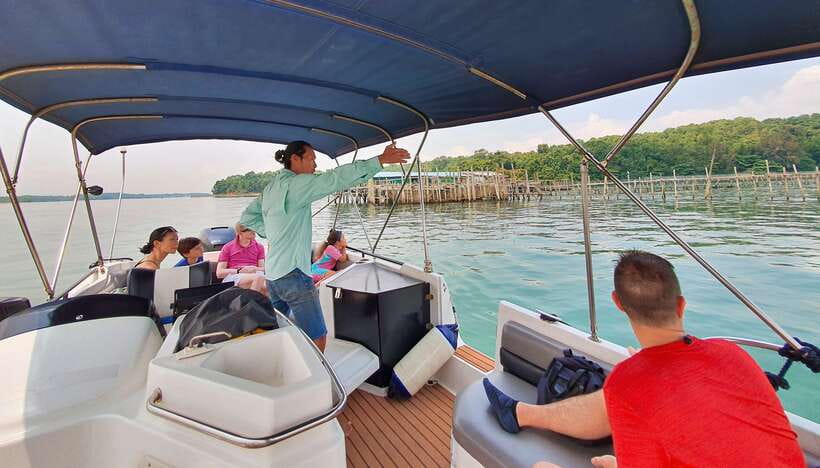
- Sea-level perspective: North-eastern Banks of Singapore, seamen fishing, and mangrove swamps
- Story-driven learning: sea channels, Sembawang beach stories, and seaman language
- Wildlife sightings: seabirds, and the possibility of wild boars depending on conditions
- Close to Pulau Ubin: explored from the water, with its habitats described as full of life
- Floating-farm reality check: sustainable fish farming ideas, plus the struggles behind it
North-eastern Banks and Pulau Ubin: Singapore from the water
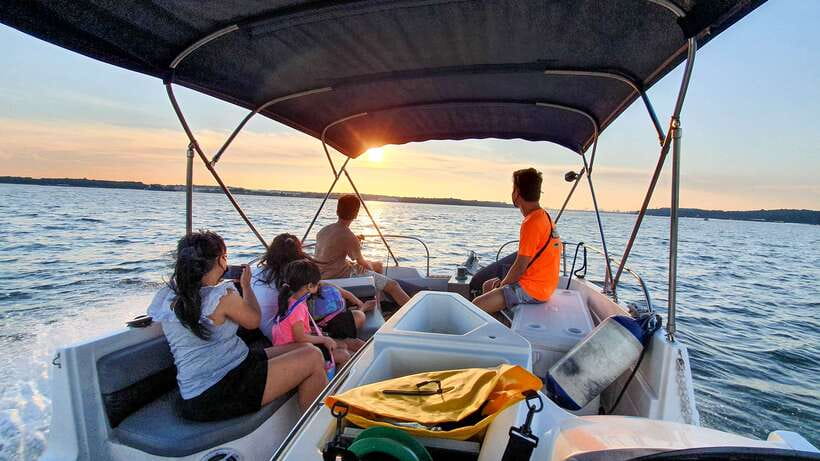
This tour works because it changes your angle on Singapore. Instead of starting on land and looking at the coast from a distance, you go out to the North-eastern Banks and travel through the waterways that connect islands, settlements, and fishing grounds. The result is a Singapore that feels more practical and lived-in, because you’re seeing how people move and work at sea.
One of the smartest parts is the Pulau Ubin element. Pulau Ubin is described as the only inhabited island out of Singapore’s 63 islands, and the tour explores it from the sea, which is a totally different experience from walking around. You’re not just checking off a place. You’re watching shoreline habitats from the water and getting a sense of how the island’s surrounding environment supports life.
And yes, there’s fun built in. You’ll soak in salt air, catch the wind, and get that classic boat-tour rhythm where the horizon keeps resetting every few minutes. On clear days, the return ride can also bring satisfying sunset light, since the trip runs in the late-day feel for many departure times.
Catamaran comfort: wind in your hair, not stress in your day
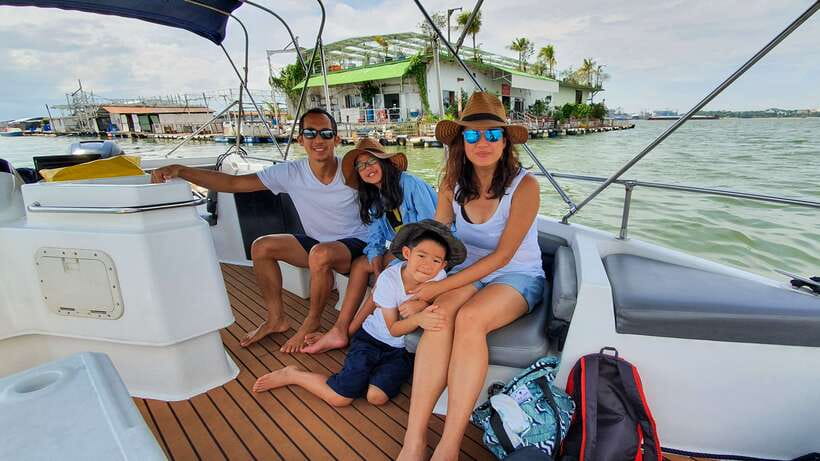
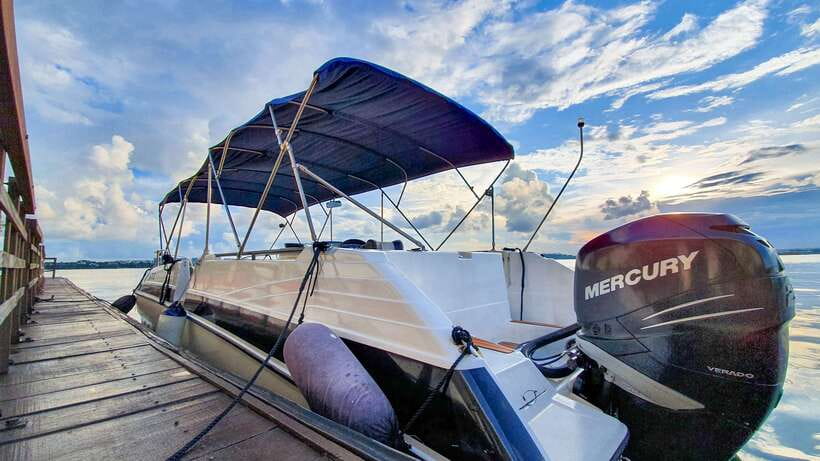
You’ll cruise on a catamaran with a captain and a licensed guide. The “small group” piece matters here. With a limit of 10 participants, the guide can actually pace the experience, answer questions, and point things out without the usual crowd chaos.
The practical detail I like is the rain setup: ponchos are provided if it rains. That means you don’t have to treat a light shower like a ruined plan. The tour continues in light rain, and only thunderstorm conditions trigger a rescheduled date. So you’re not chasing a “perfect weather bubble.” You’re planning for a real day at sea.
What to consider: you’ll likely feel the wind more than you expect, especially if you’re used to sheltered walking. Pack for getting a bit cooler out on the water, even if Singapore feels hot on land.
Sea channels, seaman lingo, and Sembawang beach stories
This tour earns its value in the way it turns “water travel” into actual learning. Your guide explains sea channels—how they’re used, what they mean for fishing and navigation, and how local sea knowledge differs from what you learn on land.
You’ll also learn seaman lingo, which sounds like a small detail until you realize it changes how you read what you’re seeing. Once you have a few terms in your head, you’ll spot patterns: where fishing happens, how boats move, and what local people are likely talking about when they refer to parts of the sea.
Then comes the storytelling about Sembawang beach and the history of indigenous island people. This part adds a human layer that most “boat sightseeing” tours skip. It helps connect the modern marine scene to older relationships with the coastline—who lived here, how they used the shore, and how knowledge about the sea gets passed down.
The best part: all of this is kept inside a simple, 3-hour format. You don’t get stuck in a lecture. The guide keeps you oriented as the boat moves through the route.
Wildlife and mangroves: what you might spot and why it matters
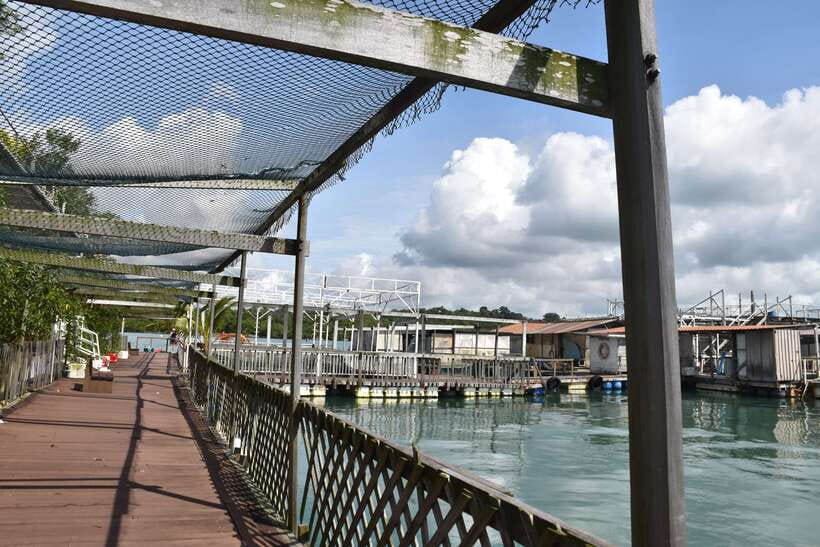
You’re in an environment that’s not the usual tourist postcard. The tour description emphasizes mangrove swamps and the natural richness around the northeastern islands. When a guide talks about mangroves, it’s not just “pretty greenery.” Mangroves act like coastal nurseries, shelter zones, and feeding areas, which is exactly why you can have both wildlife and fishing activity in the same general spaces.
You may spot seabirds, and the highlights also mention the chance of wild boars. Whether you see either depends on timing and conditions, but the tour is structured around being observant out on the water, not just staring at the skyline.
Here’s why that matters for your experience: wildlife viewing from a boat feels different. You’re not trying to force a sighting on a land trail. You’re watching how life shows up along the edges of the water—where birds wheel overhead and where land creatures may be visible when the boat passes close enough.
If you’re the kind of traveler who likes nature but doesn’t want a full-day hike, this is a good compromise. You get movement, breeze, and an “in the environment” feeling without needing to cover miles.
Kelong-restaurant visit: sustainable fish farming, with real challenges
The centerpiece is the floating fish farm stop—where you can experience life on a kelong-restaurant. This isn’t framed as a fancy dining experience first. It’s positioned as a way to see how kelong life works from the water close-up.
You’ll learn about sustainable fish farming, including the concept and the struggles behind it. That phrasing matters, because it signals this isn’t just a marketing story about farming “going green.” You’ll be exposed to the real constraints that come with operating in marine environments—things like pressure on resources, balancing livelihoods, and staying functional within an ecosystem.
Also, the tour description emphasizes the idyllic life of residents who live in kelongs. That “idyllic” idea can feel romantic, so the value is in keeping it grounded. When you combine the nature scenes (mangroves, habitats brimming with life around Pulau Ubin) with the fish farm realities (sustainable farming struggles), you get a more honest picture of how humans depend on the sea—and how fragile that balance can be.
One practical note: additional drinks and food at the restaurant aren’t included. So if you want a snack or proper meal, plan your budget accordingly.
Itinerary flow: what the 3 hours likely feels like
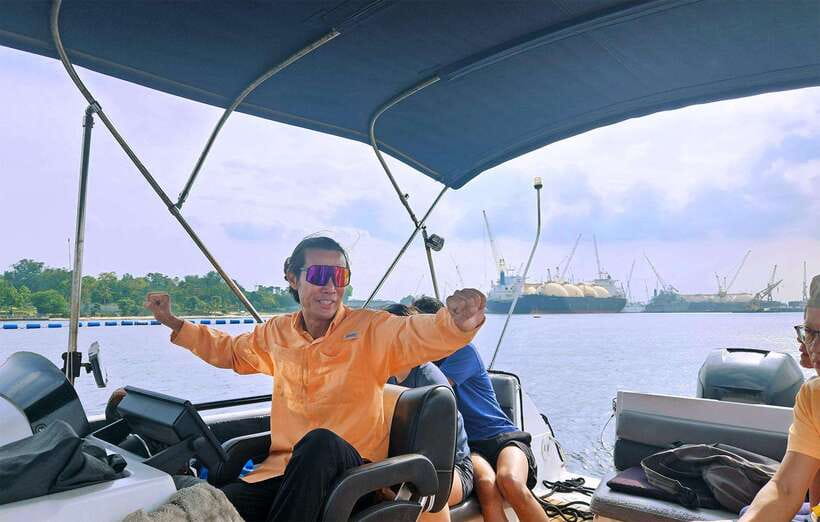
The tour is built around a simple rhythm: get out on the water, learn while moving, then slow down for the floating-farm experience, and return as the day shifts.
You start by heading out on the catamaran to the northeastern waters, where your guide talks through sea channels and seaman language. Along the route, you get story time about Sembawang beach and indigenous island history, and nature time as the boat passes mangrove areas and likely bird activity.
Next, you explore Pulau Ubin from the sea. This is often the moment people realize they’ve been approaching islands the wrong way—walking gives you one version of a coastline, while the water gives you the habitats and movement patterns around it.
Then you visit the kelong-restaurant. This is when the tour transitions from “watching nature” to “seeing how people farm the sea.” You’ll connect the sustainability lessons to what kelong life actually looks like when you’re close enough to see how the floating farm functions.
Finally, you return. Depending on your departure time and weather, the return leg can bring that sunset glow people love on boat trips, and it’s a nice time to soak in the views now that you understand what you’re looking at.
Price and value: is $225 per person worth it?
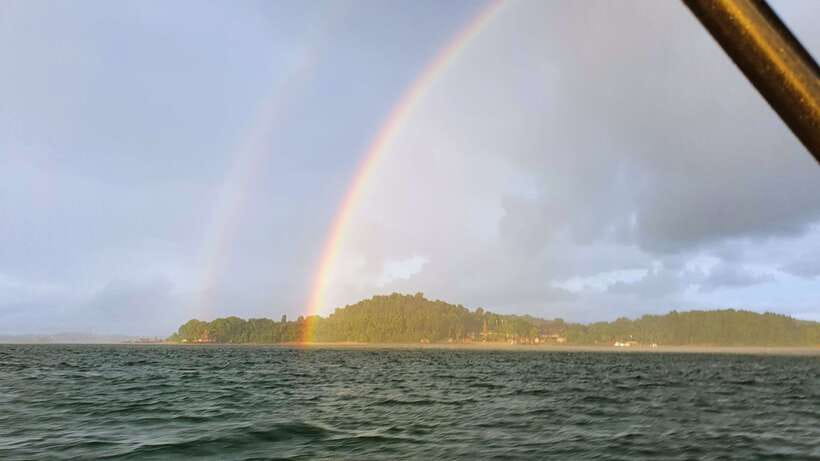
At $225 per person, this isn’t a budget activity. But it also isn’t a generic sightseeing cruise. You’re paying for three things that add up: guided interpretation (licensed guide, English language), a small-group setup (max 10), and the inclusion of a boat and captain plus the kelong stop.
You’re also paying for the “rare angle.” Singapore has plenty of efficient tours, but few give you a sea perspective that goes beyond quick coastline photos. The tour ties together marine navigation knowledge, local sea vocabulary, and sustainable aquaculture context. That learning piece is usually what makes a pricey tour feel fair, because it turns time on the water into something memorable and useful.
One practical consideration on pricing: the tour requires 5 people to depart. For parties of 1–5, the prices are increased to accommodate the minimum departure policy. So if you’re a solo traveler, the cost may feel higher than you’d expect. If you’re traveling as a pair or small group and can comfortably meet the minimum, it tends to feel more like a “shared adventure cost” rather than a premium solo hire.
Also remember that transportation to and from the meeting point isn’t included, and additional meals/drinks at the restaurant aren’t included. Those can nudge your total spend, depending on how you handle food on the day.
Timing, weather, and what to bring for a comfy ride
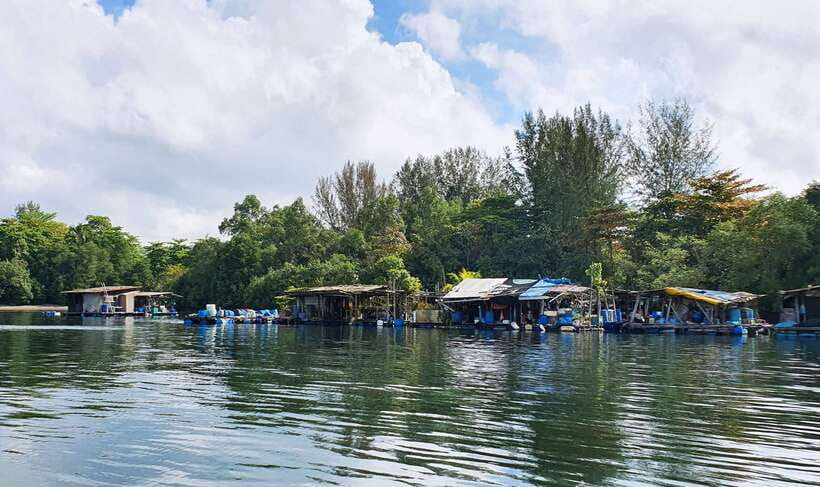
This tour is designed to keep moving in real-world weather. It continues in light rain, and thunderstorm conditions lead to a rescheduled date. That means you should show up ready for an outdoor boat experience.
Because you’ll be on open water, I recommend bringing:
- A light layer you can wear over a T-shirt (wind cooling is real)
- Sunscreen and sunglasses (salt air + brightness can surprise you)
- A small bag or pouch for keeping your phone and wallet dry
- Any meds you need, plus water if you know you’ll get thirsty
Ponchos are provided, but you may still want to manage how you hold electronics. The wind can make dampness a problem even with a poncho if you’re not careful.
Should you book this kelong boat tour?
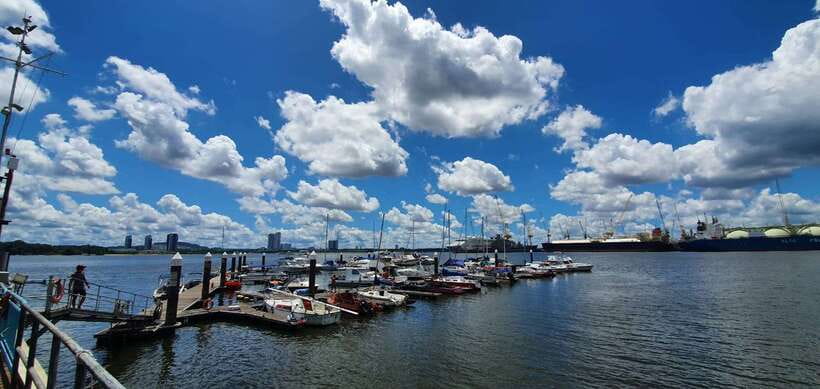
Book it if you want a different Singapore angle—one with sea stories, practical marine context, and a look at floating fish farming you can’t get from the shore. It’s especially a good fit if you like guided experiences that explain what you’re seeing, not just where you’re going.
Skip it if you mainly want a simple sightseeing cruise with minimal education and minimal time outdoors. Also think twice if $225 per person stretches your budget, or if you’re solo and the minimum-departure pricing makes the math awkward.
If you’re comfortable paying for interpretation and you want a sea-level mini-adventure, this one makes sense. It’s not trying to compete with land attractions. It’s doing something Singapore does best when you go out over water.
FAQ
How long is the boat tour and kelong fish farm visit?
The tour lasts 3 hours.
What’s included in the price?
The included items are a licensed guide, the boat plus captain, and ponchos if it rains.
What costs extra?
Extra costs include additional drinks and food at the restaurant, and transportation to and from the meeting point.
Is the tour guided, and what language is it in?
Yes, it has a live tour guide and the tour is in English.
How big is the group?
The tour is a small group limited to 10 participants.
Where do I meet the tour?
Meet at The Quarterdeck. When you arrive, tell the security guard you’re going for the kelong tour meeting at The Quarterdeck, and they will guide you there.
Does the tour run in rain?
The tour continues in light rain. If there’s a thunderstorm, the operator provides a rescheduled date.
Are there any departure requirements?
Yes. The tour requires 5 pax to depart. For 1–5 pax, prices are increased to accommodate the minimum 5-person departure policy.