REVIEW · TROMSO
Tromsø: Lyngen Horse Stud Farm Visit
Book on GetYourGuide →Operated by Tromsø Lyngshest · Bookable on GetYourGuide
You don’t have to go far to feel like you stepped into Norway’s horse culture. This Tromsø Lyngshest visit mixes Lyngen horses up close with a guided look at how these animals shaped life in Northern Norway, including their WWII preservation story. It’s practical, calm, and small-group, so you actually get time to watch the mares and foals instead of rushing past them.
I especially like the hands-on feel: you get a close encounter with mares, stallions, and youngsters, plus you learn why the Lyngen breed is so valued and how it’s been protected over time. I also like that riding is optional—so you can enjoy the animals and scenery even if the weather doesn’t cooperate. One possible drawback: the riding experience only happens if conditions permit, so plan for a non-riding version too.
In This Review
- Key things I’d watch for
- Tromsø Lyngshest: a working stud farm, not a quick photo stop
- Getting your bearings at the start point
- The guided walk and viewpoint: a scenic pause with meaning
- Mares, stallions, and youngsters: what you’ll notice up close
- Learning the Lyngen story: why breed history matters
- The optional ride: the fun part, with real weather reality
- Safety rules and the signed declaration
- Price and value: what $188 gets you in practice
- Who this is best for in Tromsø
- How to plan your day around it
- Should you book the Lyngen horse stud farm visit?
- FAQ
- How long is the Tromsø Lyngen horse stud farm visit?
- Is the horse ride included?
- Do I have to ride?
- Where do I meet the guide?
- How many people are in the group?
- What languages are the guides available in?
- Are there any age or weight limits?
Key things I’d watch for
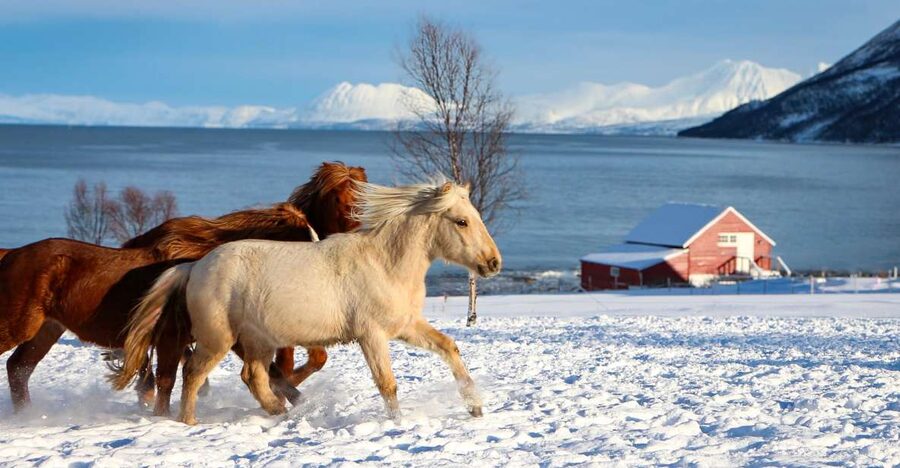
- Small group (max 8): more quiet time with the horses, less waiting your turn.
- WWII preservation story: the guide connects breed history to real Northern events.
- Riding is optional and weather-dependent: you won’t feel pressured if it’s slippery or cold.
- Up-close interaction: you’ll spend time near mares, stallions, and playful youngsters.
- Clear safety rules: you sign a declaration and must follow staff instructions.
- No hotel pickup: you’ll need to get yourself to Tromsø Lyngshest at Ullstindvegen 1279.
Tromsø Lyngshest: a working stud farm, not a quick photo stop
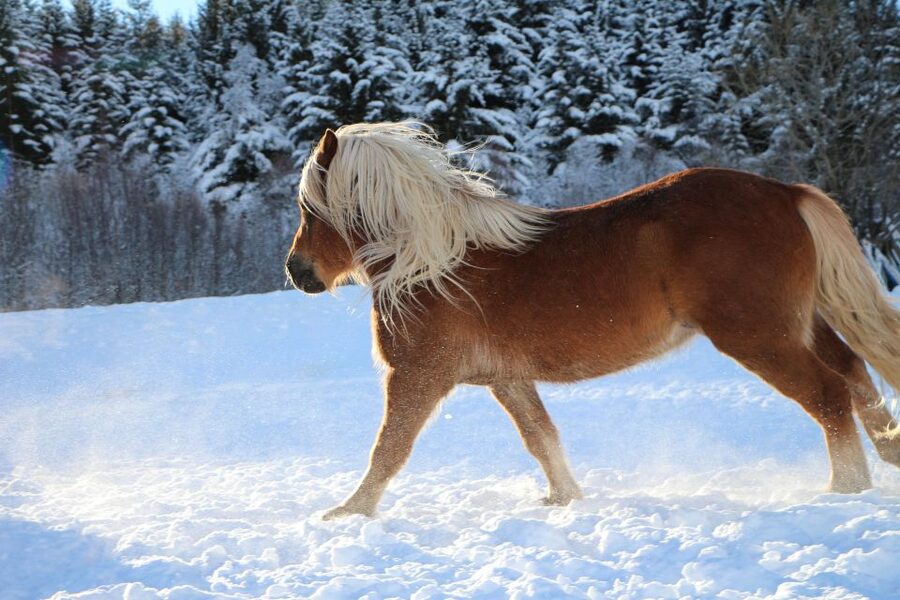
Tromsø Lyngshest is the kind of place that feels built for real horse care, not just tourism. The visit starts at the farm itself, at Ullstindvegen 1279, 9023 Krokelvdalen, and you’ll know you’re in the right spot because there’s a red farm building you can spot on your right as you arrive.
That matters, because a stud farm is different from a petting zoo. You’re there to understand a breed, meet the horses as individuals, and see how the farm keeps that heritage alive. Even the pace of the experience feels intentional: guided time, time to observe, then you loop back to where you started.
You can also read our reviews of more tours and experiences in Tromso.
Getting your bearings at the start point
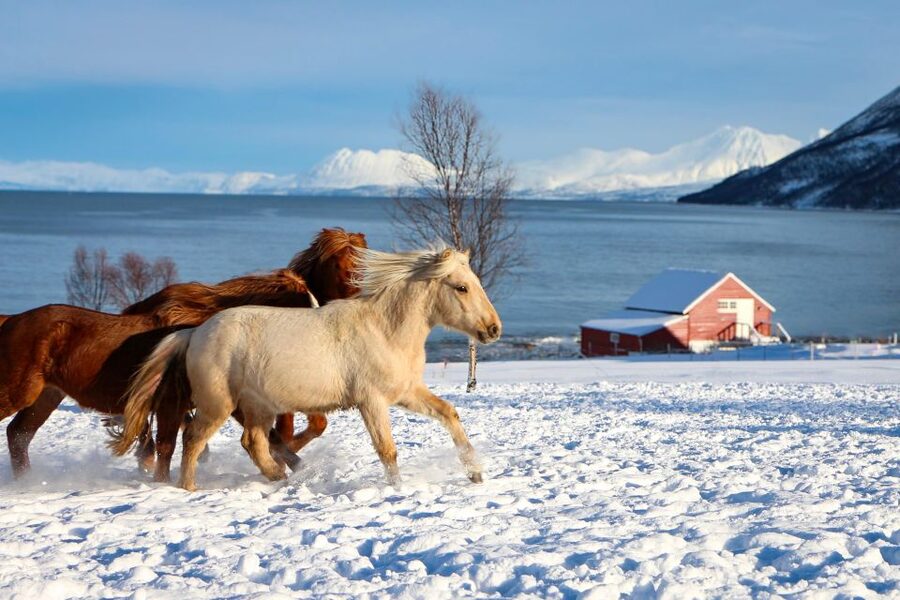
You’ll meet your guide directly at Tromsø Lyngshest, and the first moments set the tone: you’re not dropped into a large crowd. Instead, you get guided orientation and the basic safety approach for working around horses.
That orientation is more than formality. On farms like this, horses aren’t static props. They move, they respond to people, and they work on their own schedules. So you’ll want to arrive on time, listen closely to instructions, and keep a calm, steady posture when you’re near the animals.
If you’re coming in winter, plan for cold hands and cold feet. You’ll be outdoors at least around the farm area, and you’ll likely be outside during the walk toward viewpoints. Dress for standing still as much as for walking.
The guided walk and viewpoint: a scenic pause with meaning
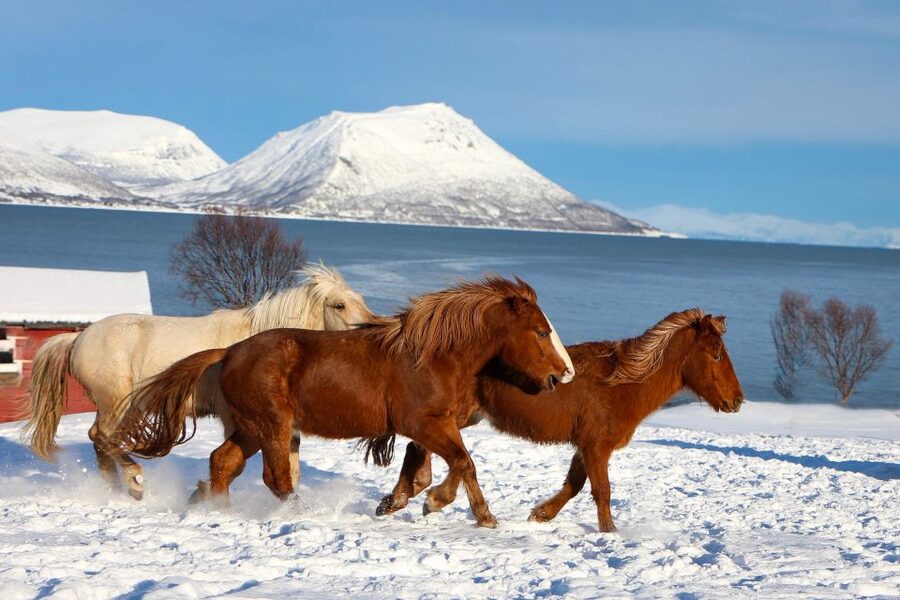
The visit includes guided time that moves you along the way, plus scenic viewpoint moments. This isn’t just sightseeing for sightseeing’s sake. The viewpoint stop gives you a breather while the guide is talking—so the farm story has a wider sense of place.
Tromsø can be dramatic even when the day is ordinary: sea air, low winter light, and that wide Northern sky feeling. The best part of this setup is that you don’t have to choose between learning and enjoying the scenery—you do both while you walk and pause.
A practical note: this is still a farm environment. Surfaces can be uneven, and weather can change quickly. If you’re prone to slipping, bring footwear with good grip and keep your pace slow on any icy sections.
Mares, stallions, and youngsters: what you’ll notice up close
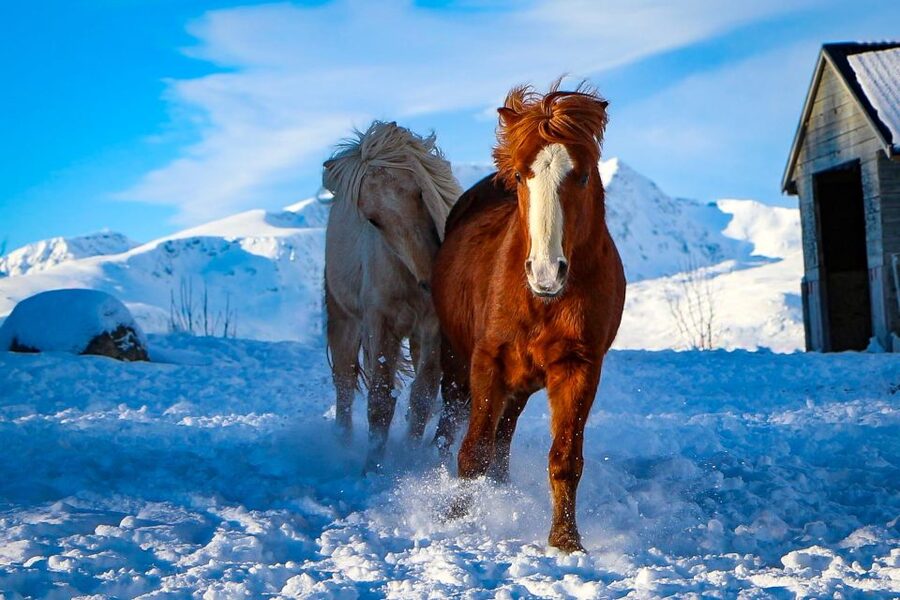
One of the strongest parts of this experience is simply the chance to see the horses as a living herd, not a single attraction. You’ll encounter mares with foals, virile stallions, and playful youngsters, which means you’re watching different personalities and behaviors in the same visit.
What’s especially nice is how it’s arranged so you get more than a quick glance. The encounter feels structured, with safety rules guiding where you stand and how you approach. That structure helps you get closer and stay relaxed—because you’re not improvising your own plan while a horse is deciding what it thinks of you.
From what I value in animal encounters, it’s the gentleness and patience that make the difference. The horses here are described as friendly and well-behaved, and many people specifically enjoy the relaxed, unhurried contact—time to groom or feed is the kind of detail that turns a tour into an actual experience.
Learning the Lyngen story: why breed history matters
This is where the visit goes beyond “look at horses.” The guide explains Lyngshorse history and the different uses of the horses throughout the ages, plus how the breed was preserved during WWII.
Even if you don’t know anything about Norwegian horse culture, this part lands because it connects the horses to human survival and local identity. You’re seeing how a local breed became part of how people lived—then how it mattered enough to be protected during a tense period in European history.
If you like context, this section gives you something to carry home. You’re not only leaving with photos; you’re leaving with a mental map of why people in Northern Norway still care about these horses today.
The optional ride: the fun part, with real weather reality
The experience includes an exciting optional horse ride if weather conditions permit. That small clause changes everything. It’s great because it’s honest: if it’s too icy, too rough, or conditions aren’t safe, you’re still doing the main part of the visit—meeting and learning about the horses—without the “you paid for a ride” pressure.
If you do ride, this is not a thrill ride. Expect instruction and calm guidance focused on comfort and safety. The good news is that the horses are described as gentle and patient, so the ride tends to feel more like a Norwegian countryside moment than a wrestling match with your nerves.
If you’re bringing someone who gets nervous around animals, this “ride optional” structure is a win. You can keep it animal-focused and let the ride be a bonus only if it works out.
Safety rules and the signed declaration
You’ll be asked to follow safety rules, and you’ll need to sign a declaration that aligns with Tromsø Lyngshest’s safety approach. Liability is also explicitly handled: you participate at your own risk, and the provider disclaims liability for damages during the activity.
This might sound heavy on paper, but it’s basically farm common sense. Horses are powerful animals, and a stud farm has its own workflow. The goal is to keep you safe and to protect the horses too, so you should treat the rules as part of the experience—not a slowdown.
Also check the practical limits: there’s a weight limit of 95 kg (209 lbs), and children under 4 years aren’t suitable. Children over 10 can join, but parental supervision is required.
Finally, if something feels off—noise, footing, weather, or how a horse is responding—say something. The program emphasizes notifying staff of faults or risks so the experience stays secure for everyone.
Price and value: what $188 gets you in practice
At about $188 per person for a roughly 2-hour experience, the value comes from three things: time with the horses, a guided education component, and a small group size.
Here’s the real-world math. A guided stud farm visit is labor-intensive: someone has to manage horse interaction, safety positioning, and interpretation, and the group size limit (small, up to 8 people) means you aren’t stuck listening over shoulders. The fact that the ride is included only if weather allows also shapes value—you’re not paying extra for the option, but you’re also not pretending the weather doesn’t matter.
One thing to factor in: hotel pickup and drop-off are not included. So your effective cost also depends on transport to the farm. If you’re already using a car or you can easily reach Krokelvdalen, it’s simple. If you’re relying on more complicated local transport, build in extra time so you don’t arrive stressed.
Who this is best for in Tromsø
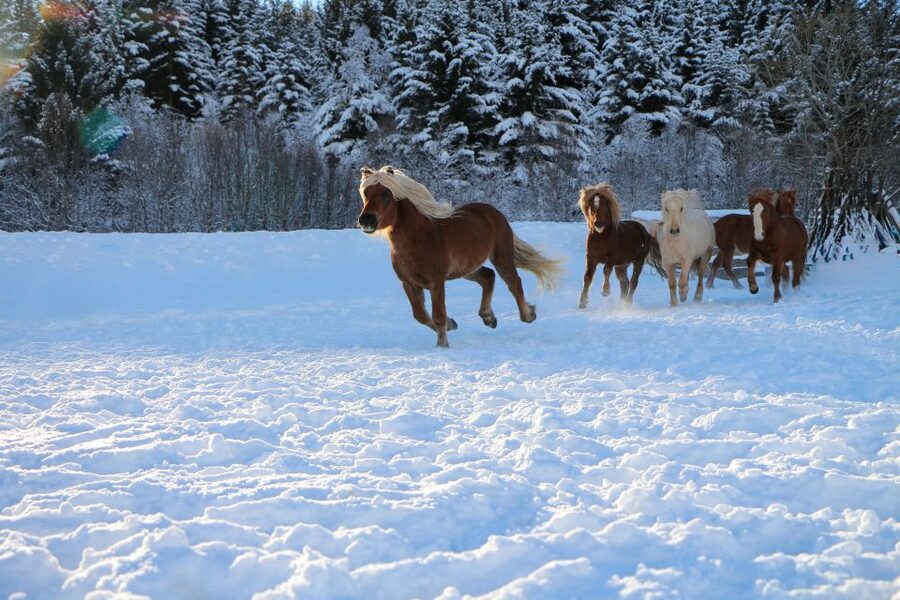
This tour fits especially well if you want a genuine farm encounter rather than a quick roadside stop. It’s also a good choice if you care about Northern heritage and want to understand why breed preservation matters.
You’ll likely enjoy it if you:
- Like animals but also want structure and safety guidance
- Want a calmer activity in Tromsø (especially in winter)
- Appreciate cultural context, not just sightseeing
- Prefer small-group experiences where you can actually ask questions
It may not be the right fit if you:
- Have an animal allergy (the activity isn’t suitable for people with animal allergies)
- Need hotel pickup or door-to-door service (none is included)
- Are over the 95 kg limit
- Are traveling with a child under 4
How to plan your day around it
Because it’s a 2-hour visit, it works nicely as a half-day block. The biggest scheduling trick is weather. If you’re visiting in colder months, conditions can shift fast, and riding depends on that.
Also, plan your arrival with margins. You meet at Tromsø Lyngshest, and you’ll be looking for the red farm building. With no pickup, a few minutes of lateness can cut into guided time and make the safety orientation rushed—exactly what you don’t want near horses.
One more practical tip: bring a jacket that keeps wind out. Even when the horses are calm, the farm air can feel sharp, and you’ll benefit from staying warm while you listen to the guide.
Should you book the Lyngen horse stud farm visit?
I’d book this if your idea of a great Tromsø outing includes hands-on time with horses plus a real story about local heritage. The combination of close encounters (mares, stallions, and youngsters) and the guide’s explanation of how Lyngen horses were used through time—and preserved during WWII—makes it more than a one-note animal stop.
Skip it or adjust expectations if riding is a must-have for your group. The ride is genuinely optional and depends on conditions, so go for the farm experience first. Also, double-check the 95 kg weight limit and your comfort with farm rules and a signed declaration.
If you’re ready for a small-group, calm, Norway-culture type of morning or afternoon, this is the kind of activity that leaves you with more than photos.
FAQ
How long is the Tromsø Lyngen horse stud farm visit?
It lasts about 2 hours.
Is the horse ride included?
A riding experience is included if weather conditions permit.
Do I have to ride?
No. Riding is not mandatory.
Where do I meet the guide?
Meet your guide at Tromsø Lyngshest, Ullstindvegen 1279, 9023 Krokelvdalen. Look for the red farm building on your right.
How many people are in the group?
The group is limited to 8 participants.
What languages are the guides available in?
The live tour guide offers Norwegian and English.
Are there any age or weight limits?
Children under 4 years are not suitable. Children over 10 are welcome with parental supervision. There is a weight limit of 95 kg (209 lbs).