REVIEW · RETHYMNO
Rethymno 4×4 Safari: Tastes & Farm Experience
Book on GetYourGuide →Operated by Uncharted Escapes · Bookable on GetYourGuide
Four wheels, wine, and mountain cheese.
This Rethymno 4×4 safari is a very Cretan mix of vineyards, mitato-style cheese-making, and off-road village drives in about 7 hours. I love how you get real human stories at the tasting stops, not just a quick sample-and-go. One heads-up: the route is rugged, and this tour is not suitable for people with back problems, heart issues, pregnancy, mobility impairments, or motion sickness.
You’ll start with pickup from multiple areas around Rethymno and end back at one of seven drop-off points. Expect a semi-private day with small groups per vehicle (up to 6–8), guided in German or English, and paced so you actually get time to taste and look around.
In This Review
- Key Things You’ll Notice on This Safari
- Entering the Mountains From Rethymno: The Day’s Real Tempo
- Klados Winery in Panormos: More Than a Quick Pour
- Melidoni Olive Oil Mill: The Taste of Liquid Gold
- Halepa Monastery: Photo Stop With a Story
- The Off-Road Section: Where the Safari Becomes Real
- The Mitato Shepherd’s Hut and Cheese-Making: The Hands-On Moment
- Axos Village Tavern Lunch: Traditional Platters After the Climb
- Price and Value: Is $128 Worth a Full Day?
- Who This Safari Fits Best (and Who Should Skip It)
- Smart Tips Before You Go (So the Day Feels Easy)
- Should You Book the Rethymno 4×4 Safari?
- FAQ
- How long is the Rethymno 4×4 safari experience?
- Is pickup and drop-off included?
- What group size is this safari designed for?
- What languages do the guides speak?
- What food and tastings are included?
- Are soft drinks, coffee, or beer included with lunch?
- Can children drink the wine on this tour?
- What should I bring with me?
- What is not allowed during the trip?
- Who should avoid this safari?
Key Things You’ll Notice on This Safari
- Owner-led wine experience at Klados Winery in Panormos, including guided cellar time and tasting indigenous varieties
- Melidoni olive oil mill tour and tasting, focused on stone presses and peppery extra-virgin oil
- Halepa Monastery viewpoint stop with big panoramas and a rebel-history backdrop
- Mountain wildlife chances like vultures, and the possibility of kri-kri (wild Cretan ibex) and eagles
- Mitato shepherd’s-hut cheese-making, where you watch the process and taste locally made cheese
Entering the Mountains From Rethymno: The Day’s Real Tempo
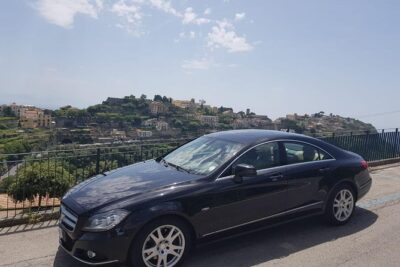
This is the kind of day that starts smoothly and then turns properly adventurous. You’ll be picked up from your hotel area, then you’ll roll out in a branded 4×4 vehicle (or 7/9-seater 4×4 minivan) with a multilingual escort-driver. It’s designed for small groups, so you’re not stuck waiting behind dozens of people.
What I like about the pacing is the built-in rhythm: a tastings stop, then scenic driving, then a viewpoint, then something hands-on like cheese-making. That mix matters, because a long drive alone can feel repetitive. Here, each stretch has a payoff.
You’ll also spend a good chunk of time off the paved roads. That’s not a small detail in Crete. It’s the difference between seeing mountains from a bus window and seeing them up close, with air getting colder as you climb and the view getting wider each time you crest a ridge.
Klados Winery in Panormos: More Than a Quick Pour
Your first major stop is Klados Winery in Panormos, and the timing is generous: about 50 minutes. The owner guides you through the vines and the cellars, sharing how Cretan wine is made and what makes it different on this island. You’re not just tasting; you’re getting context for what you’re tasting.
Here’s what that adds to your trip. Crete has indigenous grapes that won’t mean much if all you do is drink. With a guided run through the working parts of the winery, you start noticing patterns: how the vines are handled, what the cellars are like, and why the island’s character shows up in the glass.
Then comes the wine tasting of the island’s indigenous varieties. If you like tasting rooms that feel like a conversation, this is the kind of first stop that sets the tone for the whole day. And yes, guides can keep things lively; in recent departures, German-speaking guides like Sebastian have been praised for humor and smart answers.
Practical note: children under 18 can’t consume wine, so if you’re traveling with mixed ages, ask in advance how the tasting is handled.
Melidoni Olive Oil Mill: The Taste of Liquid Gold
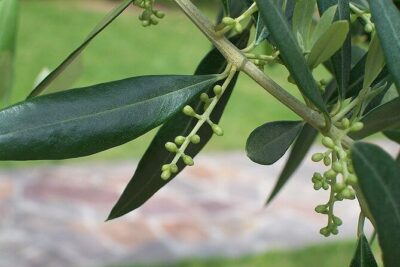
Next up is Melidoni olive oil mill for a guided tour and tasting, around 30 minutes. This is where the day becomes very sensory in a different way. You’ll learn the journey from tree to bottle, including traditional stone presses along with modern methods. Then you sample fresh, peppery extra-virgin olive oil.
Why this stop is worth it: you get to compare what you’re tasting with the process behind it. Extra-virgin oil is one of those things where people either love it immediately or think it tastes like something they’re not sure about. The peppery bite makes more sense when you understand what’s happening during pressing and how the mill works.
Also, olive oil is one of Crete’s best value travel buys. This tour includes tastings and entrance fees, but purchases at the mill are not included. If you end up wanting to take some home, you’ll have the chance to do it at the time that feels right for you.
Halepa Monastery: Photo Stop With a Story
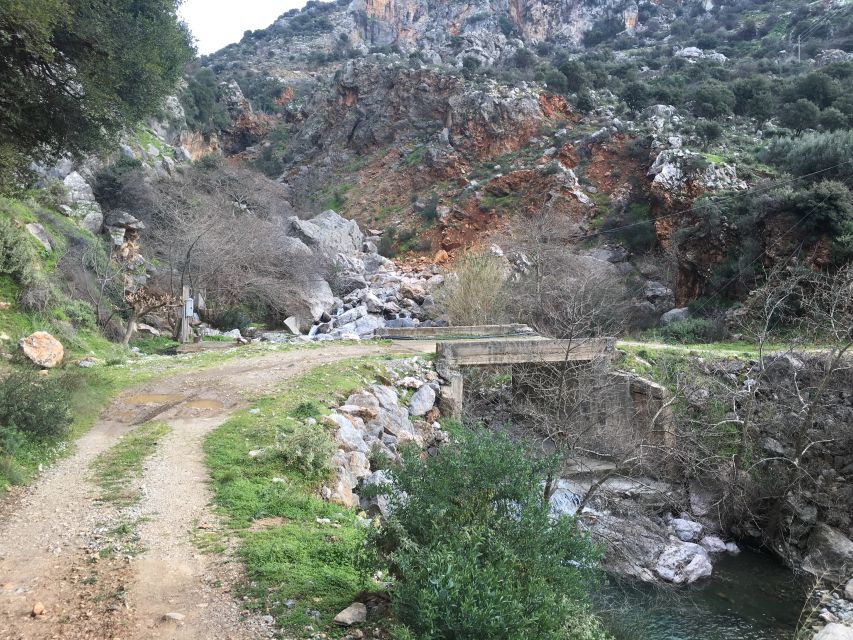
After more mountain driving, you’ll reach Halepa Monastery, perched high enough to feel like the island spreads out beneath you. The stop is about 20 minutes and includes a photo stop plus sightseeing. It’s known as one of the island’s photogenic viewpoints, and it also has a dramatic past as a hideout for Cretan rebels.
This is a classic Crete move: you’re given a view, then you’re given a reason that view mattered. Even if you’re not a history buff, the rebel-history angle helps you read the landscape differently. From up there, you can imagine why hiding in the mountains would be both practical and terrifying for the people involved.
If you like easy wins in photos, this is one of them. Just plan to stand in the wind for a minute, because elevated viewpoints can get chilly even in warmer months.
The Off-Road Section: Where the Safari Becomes Real
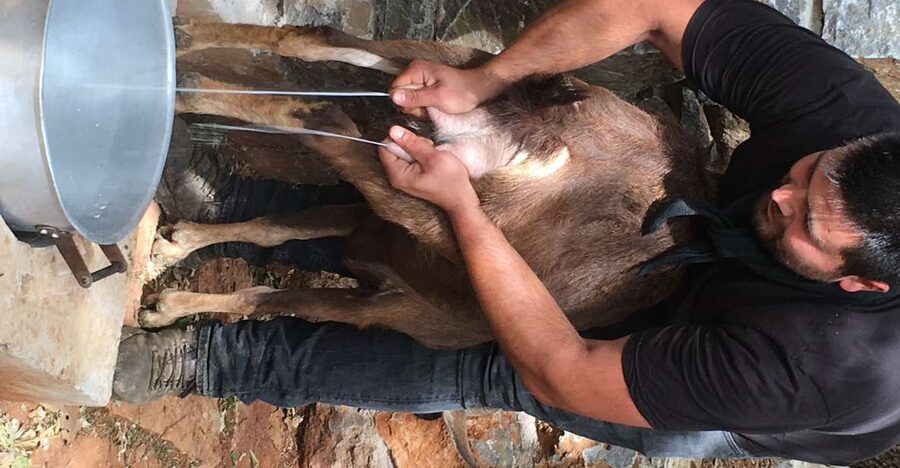
Between tastings and the final food stops, you’ll do several stretches of scenic driving with named points and short breaks. Some stops are pass-by with views, others are photo stops with short off-road segments. The schedule includes quick jumps like 5–15 minutes at different viewpoints, including wildlife viewing time.
This is also where you’ll likely notice what kind of day you’ve booked. If you came for “pretty mountains,” you’ll still get it. But if you came for an actual 4×4 off-road feel, this is where it clicks. You’re traveling on rugged mountain routes, and you can feel the difference between paved touring and real mountain access.
And since the day includes wildlife viewing, keep your eyes up. In past departures, people have spotted vultures, and the experience is set up so you can scan for wild Cretan ibex (kri-kri) and soaring eagles when conditions allow. You won’t be guaranteed wildlife, but you’ll be in the right places at the right times to spot it.
The Mitato Shepherd’s Hut and Cheese-Making: The Hands-On Moment
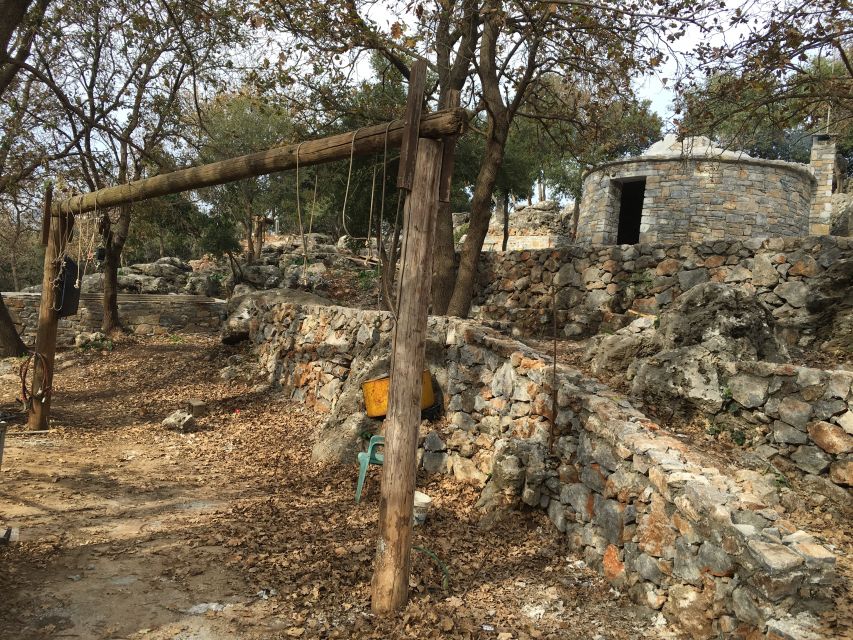
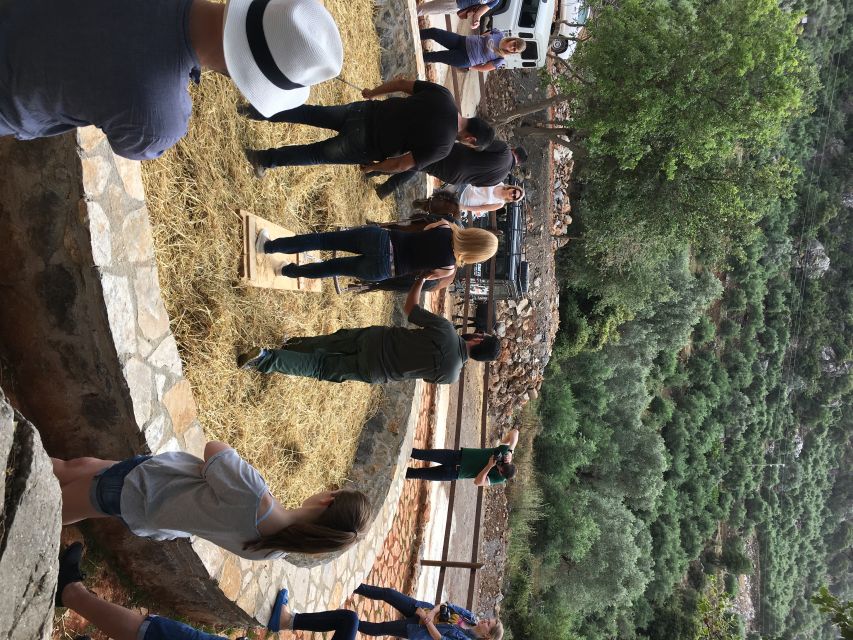
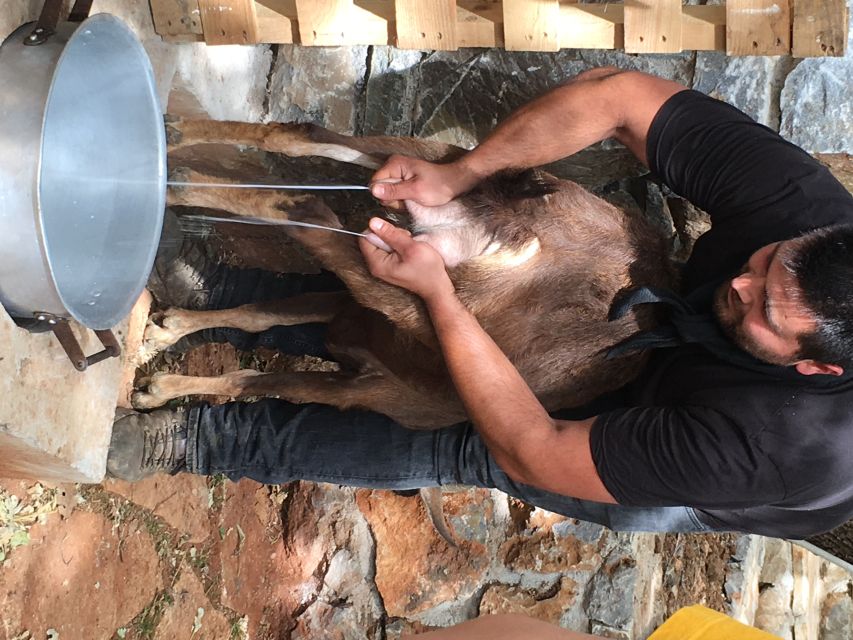
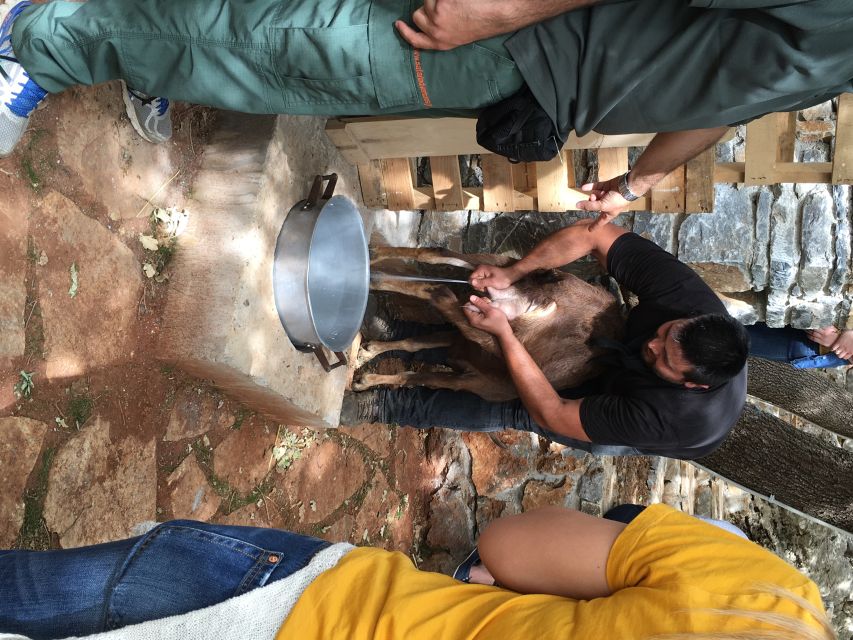
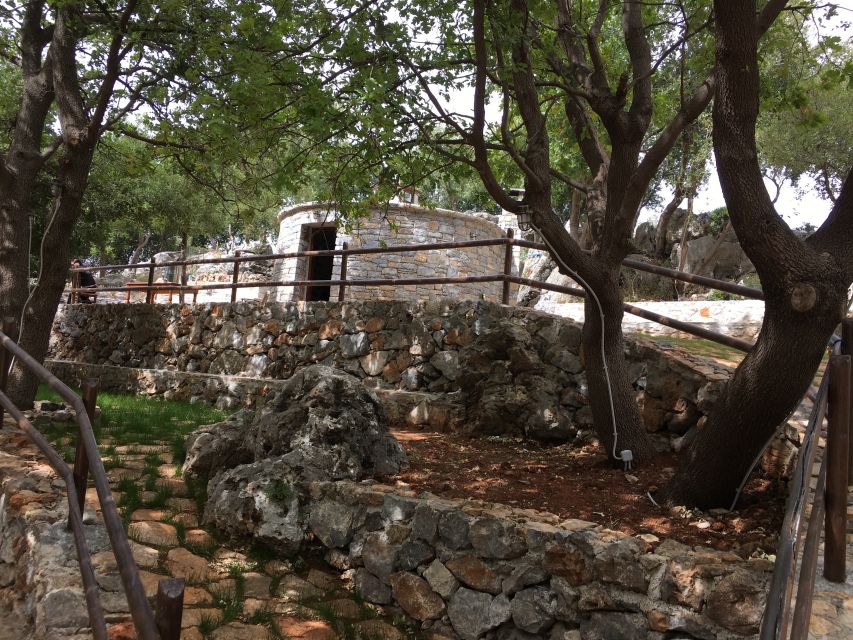
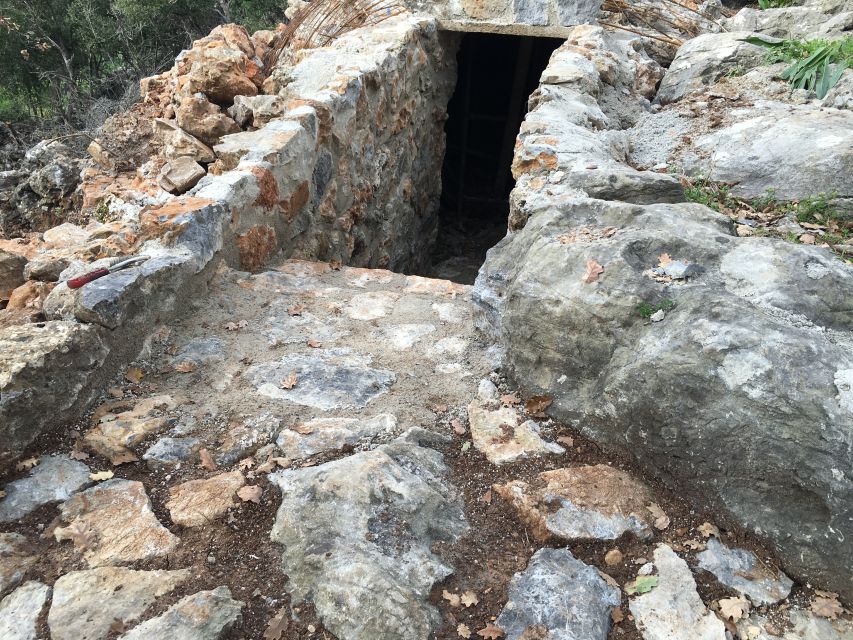
The most memorable part for many people is the stop that centers on mitato shepherd life and cheese-making. In the schedule, this is the longer farm-style segment (about 75 minutes) that includes a guided visit, walking around, a cheese tasting, and local snacks.
Here’s what makes it special: you’re not just hearing about mountain food systems. You’re watching cheese being made right in front of you, then tasting the results. That live process turns cheese from a product on a supermarket shelf into something with a rhythm and a logic tied to the landscape.
You’ll also hear stories of mountain life, and you’ll likely have time to look for wildlife from the area around the farm. Recent safari experiences have highlighted the cheese-making as both informative and fun, with guides focused on explaining what you’re seeing in plain language.
If you care about food culture, this is where you learn the most with the least guessing. After a wine stop and an olive oil mill, the cheese stop completes the trio of Crete’s staples. It’s also a nice pacing reset: after driving and viewpoints, you finally slow down and do something with your hands and senses.
Axos Village Tavern Lunch: Traditional Platters After the Climb
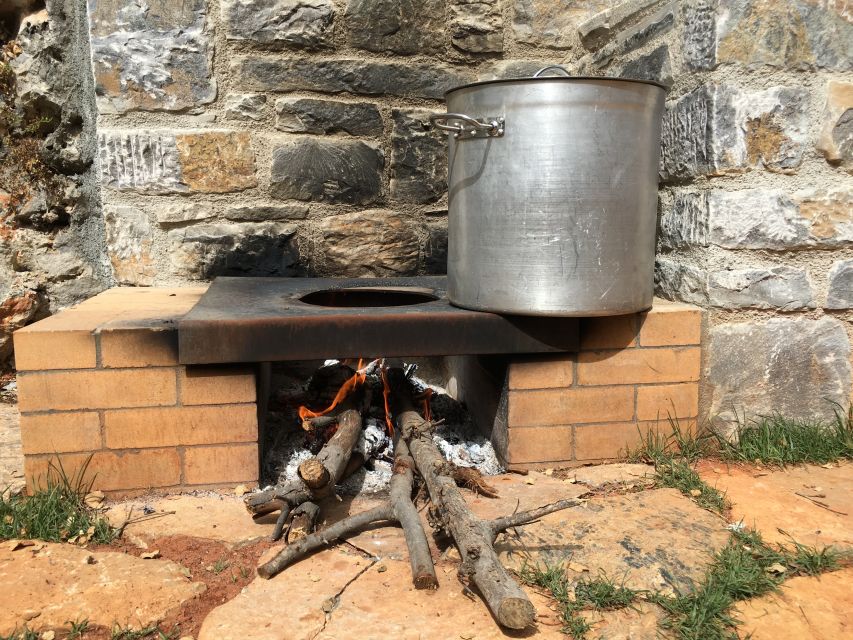
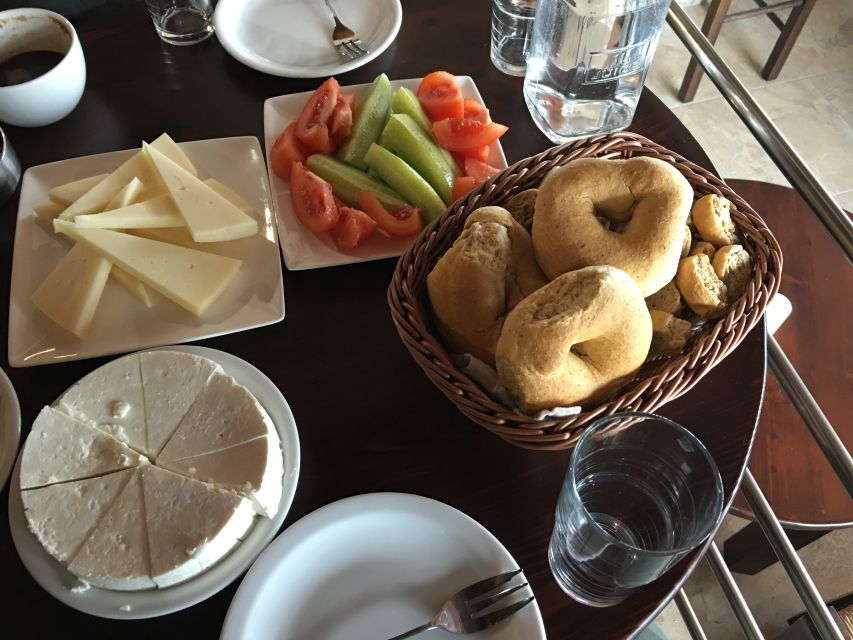
By the time you reach Axos village, you’ll be ready for a proper meal. Lunch runs about 1.5 hours at a family-run tavern with regional dishes. The tour includes lunch with traditional Cretan platters, so you’re not staring at a menu trying to translate your way into lunch.
This matters because it keeps the day’s energy steady. It’s easy to book tours where lunch is an afterthought. Here, lunch is a planned centerpiece, coming right after the mountain experiences that build up your appetite.
Not included: coffee, beers, and other refreshments at the tavern. If you want them, budget a little extra. But since tastings at the winery and olive oil mill are included, you can keep your spend focused on what you actually want to drink during the meal.
Price and Value: Is $128 Worth a Full Day?
At $128 per person for about 7 hours, the value depends on what you want from Crete. If your idea of a good day is long scenic drives plus a couple of quick stops, you could find cheaper. But if you want guided tastings, included entrance fees, an off-road vehicle day, and lunch built into the plan, this price starts to make sense fast.
You’re paying for several things at once:
- transport in a 4×4 (or 4×4 minivan) for rugged routes
- guided visits and tastings at the winery and olive oil mill
- a shepherd’s-hut cheese-making experience with tasting and local snacks
- lunch with traditional Cretan platters
- pickup and drop-off from multiple hotel areas
Also, small-group handling is a big part of value. Semi-private structure (up to 6–8 per vehicle) helps your guide manage questions and keep the day from feeling like a production line. When you’re tasting and listening, that attention makes a difference.
So my take: if you’re excited by food and you’re comfortable with mountain roads, this is solid value.
Who This Safari Fits Best (and Who Should Skip It)
This is best for people who want a hands-on Crete day: wine, olive oil, mountain cheese, and village scenery tied to real places. If you like off-road travel and don’t mind changing elevations, you’ll probably enjoy the feel of this tour.
It’s not suitable for:
- children under 7
- pregnant women
- people with back problems, heart problems, altitude sickness, high blood pressure, recent surgeries
- people with motion sickness
- people with mobility impairments, wheelchair users
- pets on the tour
- people over 6 ft 6 in (200 cm) or over 287 lbs (130 kg)
If any of those apply, it’s worth choosing a different type of day trip. The driving is a major part of the experience, and discomfort can ruin the tasting parts too.
Smart Tips Before You Go (So the Day Feels Easy)
A few practical things will make this tour smoother:
- Bring a sun hat and sunglasses. You’ll be outdoors and exposed at multiple stops.
- Wear comfortable clothes and shoes with grip. High-heeled shoes are not allowed.
- Pack a light jacket. You’ll be higher at viewpoints and it can feel cooler.
- Bring cash if you think you might purchase wine or olive oil. Purchases are optional but not included.
- Keep your camera handy. Halepa Monastery and the viewpoint segments are built for photos.
Also, a couple of no-nonsense rules help the day run cleanly: no pets, no smoking in the vehicle, no large luggage or bags, and no alcohol or drugs. Food and drinks aren’t allowed in the vehicle.
If you get motion sickness easily, don’t ignore that detail. This is not a flat, smooth experience.
Should You Book the Rethymno 4×4 Safari?
Book it if you want a day that treats Crete like more than scenery. This safari is strong when you’re hungry for food culture: Klados Winery wine tasting, Melidoni olive oil, and live mitato cheese-making plus a real lunch in Axos. The off-road mountain routes make it feel like you’re actually getting access to how Crete works.
Skip it if your priority is a relaxing, low-activity day. The rugged roads and the time outdoors add up, and the tour comes with clear limits for mobility, back/heart conditions, pregnancy, motion sickness, and similar concerns.
If you’re unsure, think about your “yes” button. If wine, olive oil, and cheese are your kind of travel, this is a very efficient way to cover three Crete favorites in one day, with guides who can explain it in a way you’ll remember.
FAQ
How long is the Rethymno 4×4 safari experience?
The duration is 7 hours.
Is pickup and drop-off included?
Yes. You get free hotel pick-up and drop-off, with multiple pickup and drop-off areas around Rethymno.
What group size is this safari designed for?
It’s a semi-private experience, with up to 6 or 8 persons per vehicle.
What languages do the guides speak?
The live tour guide is available in German and English.
What food and tastings are included?
You’ll have a wine tasting at the winery, an olive oil mill tour with tasting, a visit to the shepherd’s hut with cheese-making and cheese tasting plus local snacks, and lunch with traditional Cretan platters.
Are soft drinks, coffee, or beer included with lunch?
No. Coffee or beers or refreshments in the tavern are not included.
Can children drink the wine on this tour?
No. Children under 18 are not allowed to consume wine.
What should I bring with me?
Bring sunglasses, a sun hat, a camera, a jacket, comfortable clothes, and cash.
What is not allowed during the trip?
High-heeled shoes, pets, luggage or large bags, smoking in the vehicle, and alcohol and drugs are not allowed. Food and drinks are also not allowed in the vehicle.
Who should avoid this safari?
It’s not suitable for people under 7, pregnant women, people with back problems, people with mobility impairments or wheelchair users, and those with heart problems, altitude sickness, high blood pressure, recent surgeries, or motion sickness.