REVIEW · MARBELLA
Chefcooking Paella from our Andalusian Grandmother at a Family Farm
Book on Viator →Operated by Farm Las Marías · Bookable on Viator
One afternoon. One pan. A whole lot of flavor and family pride. This 4-hour paella experience in the Marbella area takes you out to Farm Las Marías, where María José and Rafael (with help from Anita and Sebastián mentioned in past visits) teach you the Andalusian grandmother style of making paella and then you eat it at home-style pace.
I especially like the way the day mixes hands-on cooking with a real farm walk. You get views framed by the Mediterranean Sea and the Sierra Bermeja, plus stories about the farmers who work this land. Another big win for me is the table is built like a proper meal, not just a quick bite: sangria with local wine and fruit, lots of starters, and dessert plus Colombian coffee.
A possible drawback to consider: this is a kitchen-at-home setup, so if you’re the kind of person who expects lots of spare room or perfectly timed courses, you might find it a little tight during the busiest cooking moments. Also, check in about quantities and your exact dietary needs so nothing feels missing for your group.
In This Review
- Key highlights you’ll feel right away
- How This Paella Experience Works: Farm, Lesson, and Lunch at One Address
- The Farm Walk Between Sea Breezes and Sierra Bermeja Views
- Your Welcome Table: Sangria, Starters, and a Lot of Real Eating
- The Abuela Paella Lesson: Step-by-Step, but Still Hands-On
- Drinks and Water: Keeping Things Comfortable During a Busy Kitchen Session
- Dessert and Colombian Coffee: The Finish That Makes It Feel Complete
- The Recipe Book You Take Home (and Why That Matters)
- Price and Value: Why $138.17 Can Make Sense Here
- Small-Group Feel: Who This Experience Fits Best
- Practical Tips to Get the Most From Your Afternoon
- Should You Book This Abuela Paella Farm Experience?
- FAQ
- How long does the cooking experience last?
- Where does the experience take place?
- Is it offered in English?
- What food and drinks are included?
- Can I request a vegetarian paella?
- Do they handle allergies or dietary restrictions?
- Is alcohol included for everyone?
Key highlights you’ll feel right away
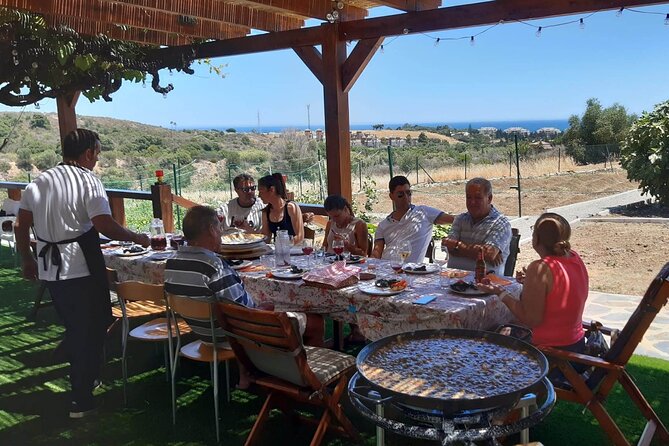
- Sangria made with local wine and citrus from the orchard, plus non-alcoholic refreshers too
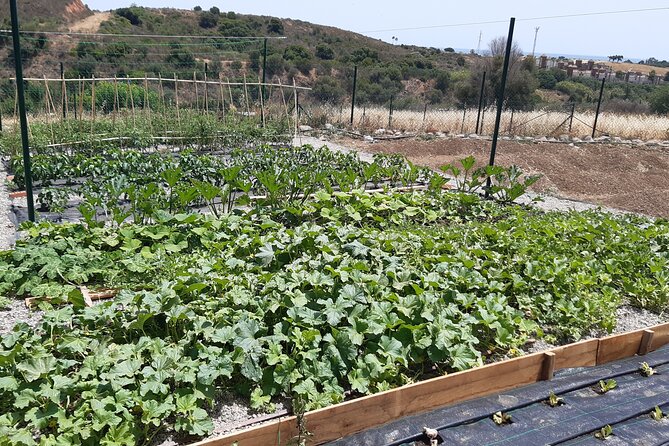
- Sea, mountains, and garden ingredients feeding into the paella plan
- Hands-on paella cooking with step-by-step guidance and recipe history
- A full starter spread (mussels, cheeses, olives, Iberian ham and sausages, artisan bread)
- Dessert and Colombian coffee to close out the meal in a relaxed way
- Small group feel with a maximum of 4 travelers
How This Paella Experience Works: Farm, Lesson, and Lunch at One Address
This isn’t a cooking class where you stand back and watch from a distance. It’s more like you’re invited into the rhythm of a working family farm kitchen and then handed responsibilities at the right times.
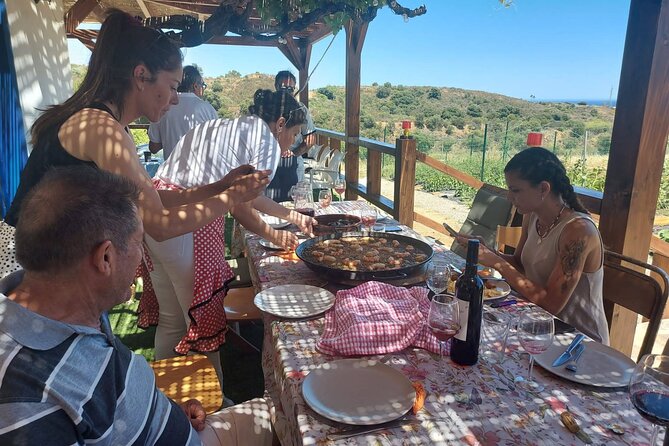
You’ll start the afternoon with a welcome drink: sangria prepared with local wine, plus fruits and citrus from the farm’s harvest. If you don’t want alcohol, you’ll still have soda/pop non-alcoholic drinks and the day keeps moving at a steady pace. Then comes a starter lineup built from local production—things like steamed mussels, fresh and cured cheeses, olives, Iberian ham and sausages, and artisanal breads.
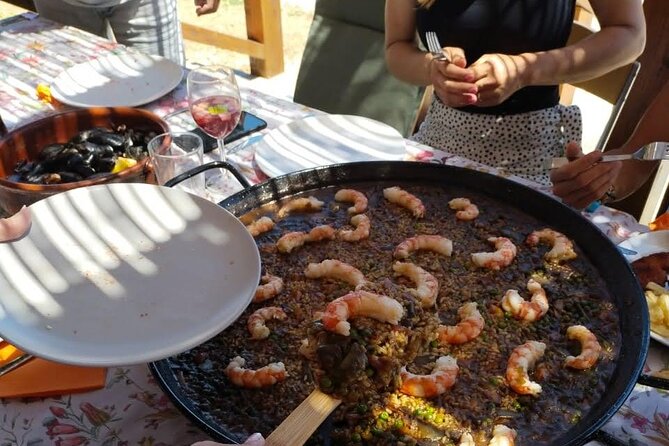
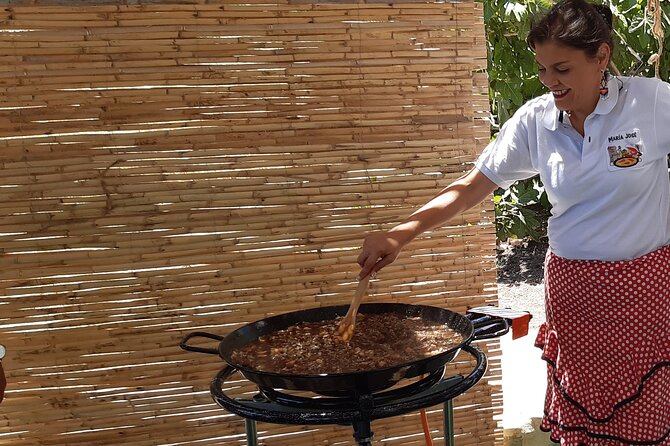
After you’re fed enough to focus (important), you’ll move into the main event: making the Paella de la Abuela Andaluza. The big point is that you’re not only learning how to build the dish. You’re learning how to think like an Andalusian cook—what matters, what to watch, and why the recipe evolved with the ingredients available around you.
And you’ll end with dessert—traditional Estepona pastries/desserts—plus Colombian coffee (and sometimes tea or infusions, depending on what’s offered that day).
The Farm Walk Between Sea Breezes and Sierra Bermeja Views
Before you touch the paella ingredients, you get the setting. You’ll tour the farm with the Mediterranean Sea and the Sierra Bermeja as a visual backdrop. That matters more than it sounds. Paella is regional cooking. It makes sense only when you can connect the pan to the place.
During the walk, you’ll hear the story of the farmers in the area. This isn’t generic “history talk.” It’s about why the land is handled the way it is, and how sea-and-mountain ingredients become a household tradition. It also helps you understand why the hosts keep talking about fresh products from multiple sources: the local market, the mountains, and the farm garden.
One practical tip: wear shoes you don’t mind getting slightly dusty or grassy. You’re on a working farm, not a museum floor.
Your Welcome Table: Sangria, Starters, and a Lot of Real Eating
The meal structure here is one of the best parts if you want value. You’re not paying just for the cooking steps—you’re paying for a full lunch experience built around Andalusian eating.
You’ll start with sangria—local wine + fruits + citrus—served as part of the welcome. Then, as the lesson begins, you can enjoy starters while you learn. The starter spread can include:
- Steamed mussels
- Fresh and cured cheeses
- Olives
- Iberian ham and sausages
- Artisanal breads
This “eat while you learn” format is a big deal. Paella has timing. It’s also technical enough that a hungry group can get impatient. Here, the food keeps your energy up so you can actually absorb the method instead of just waiting for your turn.
If you’re vegetarian, you should know that vegetarian options are available, including a paella variant. And the hosts say they can adapt to dietary restrictions or allergies as long as you tell them ahead of time. For peace of mind, I’d message your needs clearly before you go, not just rely on what you remember in the moment.
The Abuela Paella Lesson: Step-by-Step, but Still Hands-On
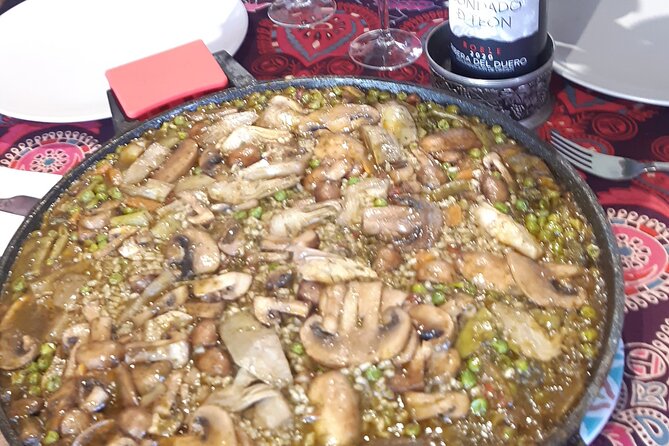
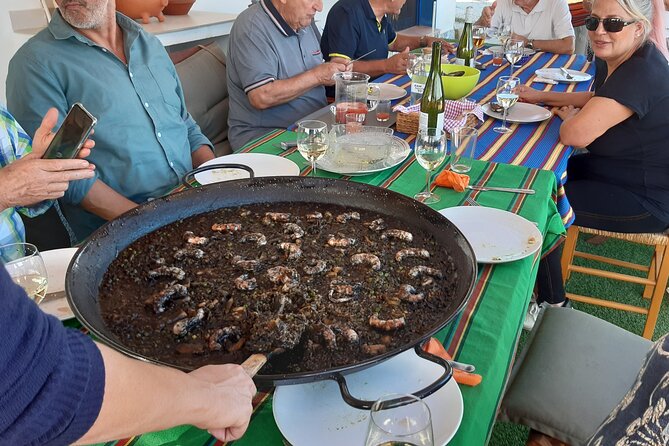
The main event is the Andalusian grandmother paella lesson, described as Paella de la Abuela Andaluza, made with fresh seafood and/or meat, or a vegetarian version depending on your choice.
What you’re really learning is the logic behind paella:
- how you build flavor before the rice stage
- what kind of ingredients matter in an Andalusian tradition
- why fresh inputs from sea, mountain, and garden show up in the dish
- how the hosts explain the recipe so it clicks, not just memorizes
This is also where the “home kitchen” feel is most noticeable. You’ll be near the cooking action. You’ll likely see the process clearly, but you also won’t have a sterile demo studio. That’s part of the charm.
The hosts—often mentioned as María José and Rafael—are praised for walking people through the recipe carefully. Past visitors highlight how technical paella can be, and how the instruction makes it understandable without turning it into a chemistry lecture.
One consideration: because paella is technical, you’ll do best if you pay attention from the start. Come in curious, not rushed. If you’re distracted, you might miss one of the step points the hosts emphasize.
Drinks and Water: Keeping Things Comfortable During a Busy Kitchen Session
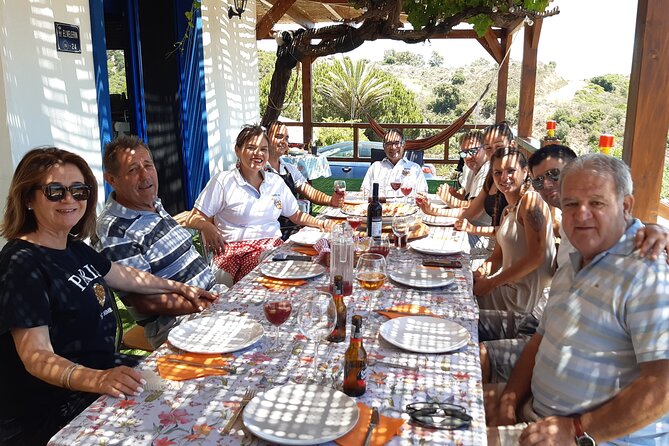
A small but meaningful detail: hydration. The included meal plan covers bottled drinking water extracted from a deep well with a high content of magnesium and minerals. That’s a nice touch because it makes the water feel like part of the day, not an afterthought.
Along the drink side, you’ll have sangria and other alcohol options mentioned as included (like beer or shots of cocktails by the hosts). Alcohol is limited to people over 18, so if you’re traveling with younger people, they’ll stick with non-alcoholic drinks.
Balance-wise, I like how this keeps the experience social without making it dependent on alcohol.
Dessert and Colombian Coffee: The Finish That Makes It Feel Complete
Many cooking experiences stop right when the main course leaves the table. This one doesn’t. Dessert and coffee give you a proper end to the afternoon, and it’s not just store-bought.
You’ll have traditional Estepona desserts, described as locally produced artisan pastries. Then comes Colombian coffee, paired with traditional cake.
If you’ve ever left a food tour still thinking about the cooking but feeling slightly cut off, this format helps. It turns the day into a full meal arc: welcome drink, starters, paella work and eating, then a final sit-down.
And if it rains, there’s an extra silver lining: at least one past visitor specifically called out the comfort of coffee and pastries even when the weather wasn’t cooperating.
The Recipe Book You Take Home (and Why That Matters)
You’ll receive a recipe book of the preparations. That’s not just a souvenir. It helps you reproduce what you learned at home without relying on memory, especially for something as step-sensitive as paella.
Paella can be one of those dishes where people get close, then one ingredient choice or timing shift changes the result. Having written guidance after the fact is a real value add.
If you cook at home even sometimes, this alone makes the class feel more than a one-day event.
Price and Value: Why $138.17 Can Make Sense Here
At $138.17 per person for about 4 hours, you’re not paying only for instruction. You’re paying for:
- a full lunch with starters, paella, dessert, and coffee
- drinks (including sangria and non-alcoholic options)
- the farm setting and guided storytelling
- a takeaway recipe book
- and the fact that this runs for a small group (maximum 4 travelers)
So the value math looks different than a big-group group class where you might only sample a portion of the meal.
That said, one review raised concerns about crowding, portion size, and whether listed items matched what was served at that time. You can’t always control how many people show up at once, but you can control how prepared you are. Before you go, I’d:
- confirm your exact paella choice (seafood/meat/vegetarian)
- tell them any allergy or dietary restriction in advance
- ask if there will be a lot of people beyond your booking so you know what to expect
If you book with that mindset, the price looks much more like a fair trade.
Small-Group Feel: Who This Experience Fits Best
This is a good match if you want food plus context, not just a recipe transfer. The farm walk, the ingredient sourcing, and the family-story side make it ideal for:
- couples or small groups who like a relaxed pace
- travelers who enjoy learning the why behind recipes
- people who want paella they can actually replicate later
It’s also ideal for anyone who appreciates a home-style atmosphere. Past visitors describe the hosts as welcoming and warm, the kind of hosts who make it feel like you’re being fed and taught at the same time.
If you’re traveling with kids, note that the experience does allow service animals. The data doesn’t list a child policy, but one review mentioned the price for a family and felt it wasn’t worth it for the portioning. That’s a cue to ask about portion size expectations for your ages, especially if your group includes children.
Practical Tips to Get the Most From Your Afternoon
Here’s how to set yourself up for a smooth visit.
Do ask about your paella style early. Seafood, meat, and vegetarian all exist here, and choosing correctly before cooking makes everything easier.
Plan for a full meal. Starters are part of the flow, and dessert plus coffee come after. Don’t schedule a heavy dinner later that same day.
Bring casual patience. Cooking paella takes attention. You’re in a real home/farm setting, not a perfectly choreographed stage.
Tell them your dietary needs in advance. They say they adapt to restrictions and allergies if you inform them.
Should You Book This Abuela Paella Farm Experience?
If you want a hands-on paella afternoon that includes real farm context, a proper lunch, and a recipe book to take home, this is a strong choice. I’d book it if you care about authenticity, enjoy meeting people at the table, and you like learning how a regional dish connects to its ingredients.
Skip it if you’re someone who needs lots of space to watch cooking from a distance, or if you’re very sensitive to portion sizes and timing. In that case, confirm your group size and what will be served for your specific choices before you pay.
FAQ
How long does the cooking experience last?
It lasts about 4 hours.
Where does the experience take place?
The start point listed is Las Marías, Cam. Nicola, km 1, 1, 29689 Estepona, Málaga, Spain, and the activity ends back at the meeting point.
Is it offered in English?
Yes, it’s offered in English.
What food and drinks are included?
You’ll get appetizers, paella lunch, dessert, sangria, non-alcoholic refreshing drinks (soda/pop), bottled water, and Colombian coffee and/or tea and infusions.
Can I request a vegetarian paella?
Yes. Vegetarian options are available, including a vegetarian version of the paella.
Do they handle allergies or dietary restrictions?
They say they adapt to any dietary restriction or allergy you inform them about.
Is alcohol included for everyone?
Alcoholic beverages are included, but alcohol is only for people over 18 years of age.