REVIEW · ZANZIBAR ARCHIPELAGO
Zanzibar: Spice Farm Tour with Lunch & Tropical Fruits
Book on GetYourGuide →Operated by Zanziworld Tours · Bookable on GetYourGuide
Spices grow right where you can taste them. This 2.5-hour Zanzibar spice-farm visit at Jambo Spice Farm mixes a guided plant walk with a practical shop stop at the end.
I especially love the hands-on, sensory way you meet the ingredients: cloves, Cinnamon, nutmeg, vanilla, turmeric, and more, all explained in plain language. I also love the food side of the tour, from fruit tastings like papaya, mango, and jackfruit to a traditional lunch that keeps the whole thing feeling like a real day out, not just a museum-style walk.
One consideration: the final stop is a spice shop, and you’ll have plenty of chances to buy. If you’re trying to travel light or stick to a budget, decide before you get there.
In This Review
- Key Things I’d Be Excited About
- Jambo Spice Farm: A Simple Plan That Works in Zanzibar
- The Guided Walk: Cloves, Cinnamon, Nutmeg, Vanilla, and Friends
- Where the Tour Gets Interesting: Medicinal Plants You Don’t Expect
- Tropical Fruits and Traditional Lunch: The Part Food Lovers Will Remember
- Spice Shop Stop: Buying Cloves and Vanilla With More Confidence
- Price and Logistics: Is $27 Good Value for Zanzibar?
- Who This Tour Fits Best (and Who Might Skip It)
- Should You Book This Zanzibar Spice Farm Tour?
- FAQ
- How long is the Zanzibar spice farm tour?
- What does the tour cost?
- Where do I meet for the tour?
- Is lunch included?
- What spices and plants will I see?
- What language is the tour guide in?
- Is there a place to buy spices during the tour?
Key Things I’d Be Excited About

- Plant-by-plant spice tasting with familiar kitchen ingredients like cloves, cinnamon, turmeric, nutmeg, and vanilla
- Two medicinal standouts: neem leaves (used for malaria and indigestion) and the iodine tree (linked to wound-healing)
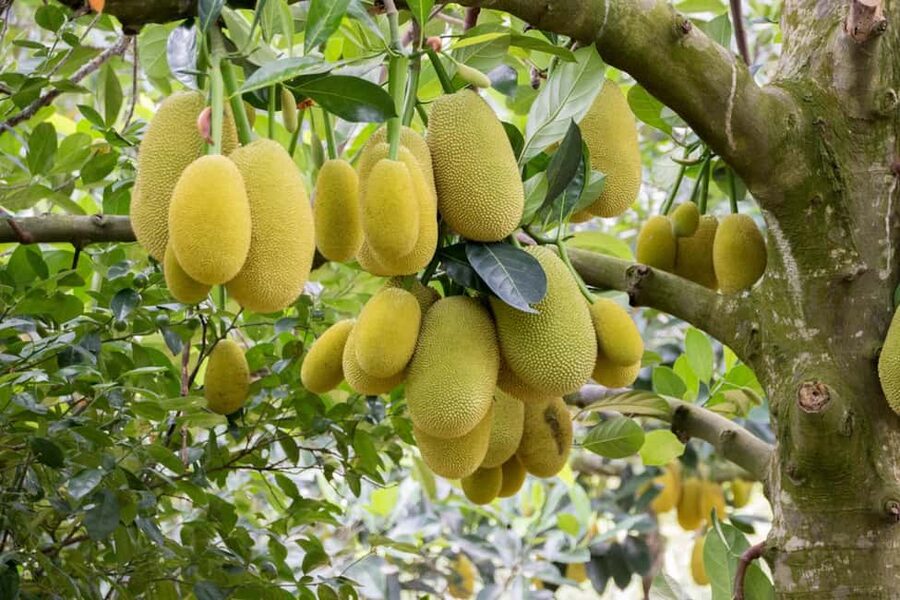
- Tropical fruit plus traditional lunch, including papaya, mango, and jackfruit, with drinking water provided
- Smell, taste, and learn style of guiding, where you can experience spices in their natural setting
- A friendly, organized guide experience in English, with guides who are confident and helpful
- Fun extra moments like the coconut picker nickname Mr. butterfly and other playful farm interactions
Jambo Spice Farm: A Simple Plan That Works in Zanzibar
This tour takes place in the Unguja South Region on Zanzibar, starting at the Jambo Spice Farm in Dole village. You meet in front of the entrance and the experience ends back at the same meeting point, which is handy if you like clear, low-stress planning.
At $27 per person for about 2.5 hours, you’re basically buying a guided intro to the island’s signature ingredients plus the chance to sample food along the way. If you’re short on time in Zanzibar, this format is a good match: you get a focused experience without needing to commit to a full day.
I also like that the tour is English-language, so you won’t feel left out. One of the strongest impressions from the guide side is confidence and helpfulness, and that matters here, because you’re walking among plants you’ve only seen in jars back home.
You can also read our reviews of more tours and experiences in Zanzibar Archipelago.


The Guided Walk: Cloves, Cinnamon, Nutmeg, Vanilla, and Friends
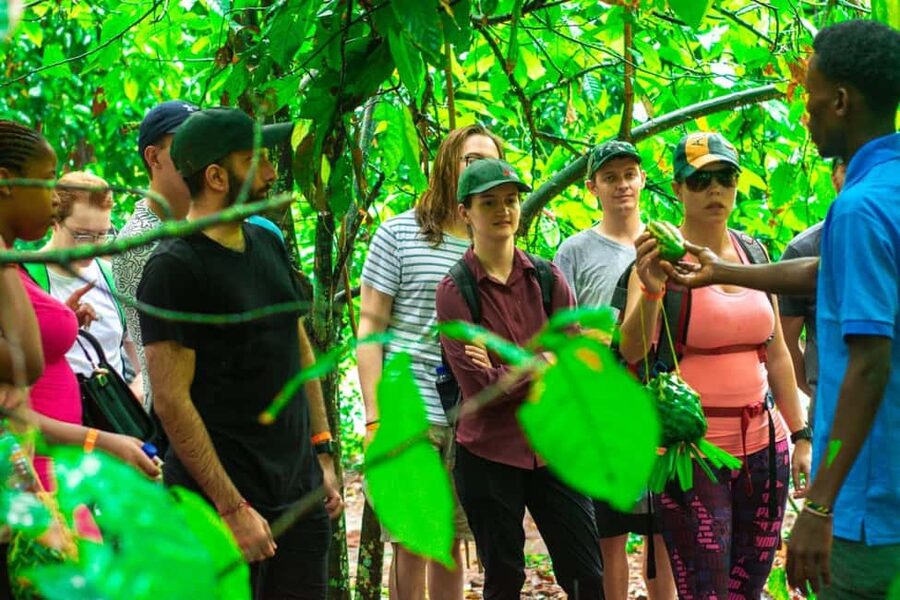
The core of the Zanzibar spice farm tour is the guided stroll through a working plantation where spice plants and herbs are grown. Expect to spend time looking closely at what you know from cooking—then learning what makes each plant useful.
Here’s what you can expect to encounter on the tour:
- Cloves
- Nutmeg
- Vanilla
- Cardamoms
- Cinnamon
- Turmeric
- Pepper
- Ginger
- Tamarind
- Menthol
- Curry
- Plus other herbs and plants connected to Zanzibar’s spice tradition
The value isn’t just that the plants exist—it’s how the guide connects them to real-world use. The tour is designed so you can understand where the ingredient comes from and why the plant is worth paying attention to. That turns the experience into something more practical than a casual garden walk.
You’ll also get a taste of the broader plant world beyond the “big names.” Some of the experience includes sampling things you might not expect, like coffee beans and stink fruit, plus farm aromas such as lemongrass. Even if you don’t buy anything, this kind of “see it, smell it, try it” approach helps the whole spice idea stick.
One more thing: the tour is described as a small plantation experience. That matters because it usually means you’re not being herded through a checklist with no time for questions. You can actually ask what you’re seeing and get answers.
Where the Tour Gets Interesting: Medicinal Plants You Don’t Expect
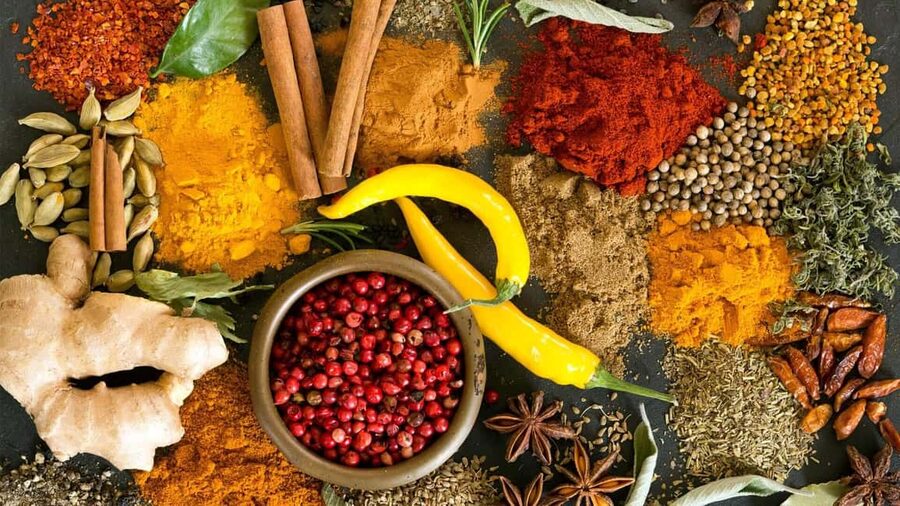
A spice farm tour can be all about flavor. This one also covers plant uses that go beyond cooking, including mentions of traditional applications you might not have run into before.
Two examples stand out as learning moments:
- Neem leaves, traditionally used to treat malaria and indigestion
- The iodine tree, known for wound-healing properties
Even if you’re not looking to treat anything yourself, I think these details add meaning. They explain why people grow these plants in the first place: it’s not only about trade and recipes, it’s also about everyday practical uses that have been part of local knowledge.
A word of caution, in a good-traveler way: because the tour frames these as traditional uses, don’t treat the tour as medical advice. Use the info for curiosity and cultural understanding, not for self-treatment.
Tropical Fruits and Traditional Lunch: The Part Food Lovers Will Remember
The tour doesn’t leave you hungry. After walking the spice areas, you shift into the tropical side with fruit tastings and a traditional lunch.
From the information given, you should expect tropical fruit options like:
- Papayas
- Mangoes
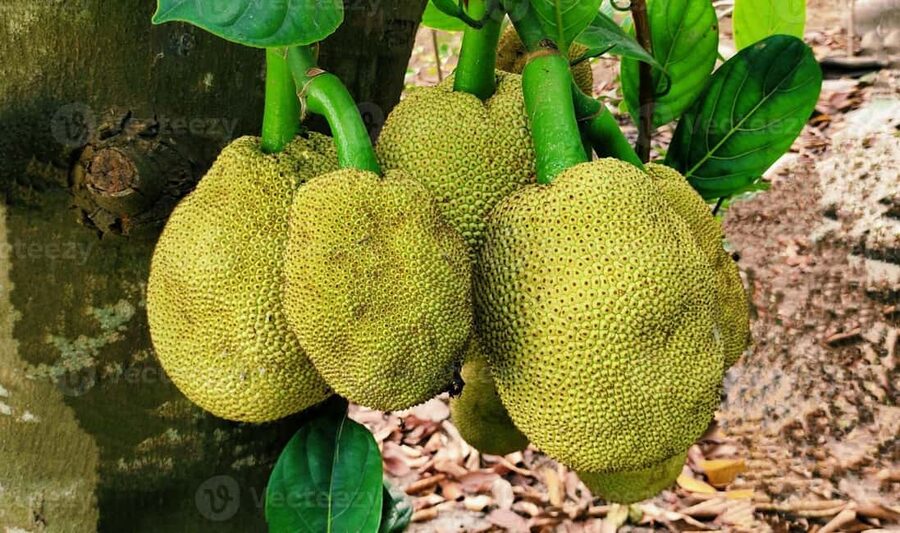
- Jackfruit
This is more than a side plate. The fruit tasting is tied to the same idea as the spices: Zanzibar grows a mix of ingredients that locals use in everyday life, not just products for visitors. When you taste fruit right where it grows, it’s easier to understand why people associate Zanzibar with agriculture and flavor.
Lunch is included, described as a traditional lunch, and drinking water is part of what’s provided. That combination makes the tour feel complete. You’re not just paying for a guide to point at plants—you’re also eating something that fits the theme of the day.
One smart way to approach this: go into the fruit and lunch segment with a tasting mindset. Ask what you’re eating and how it’s used. Even a simple fruit conversation can turn into a useful takeaway for cooking later.
Spice Shop Stop: Buying Cloves and Vanilla With More Confidence
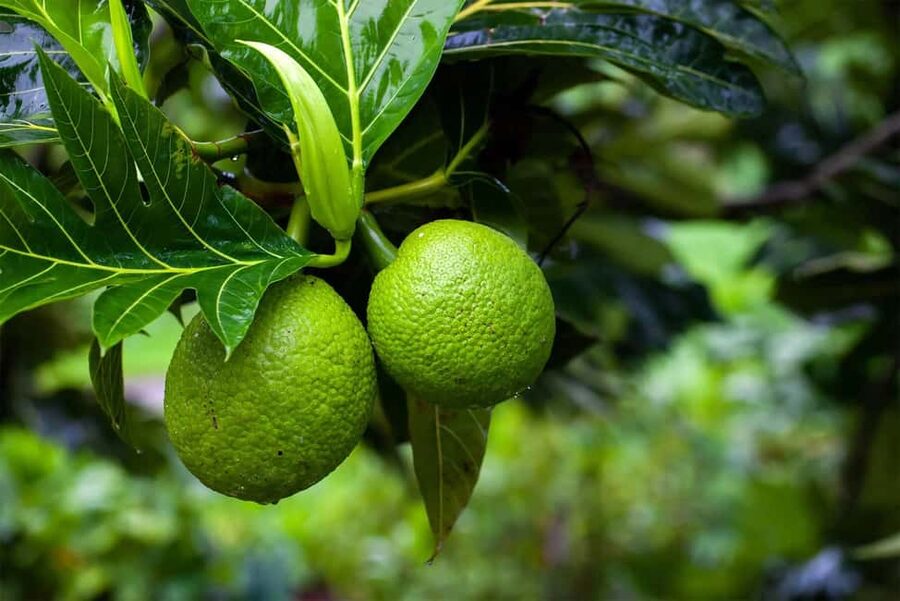
At the end, you visit the plantation’s spice shop, where you can purchase freshly harvested spices. This is where the tour becomes practical for your kitchen back home.
Because you’ve already spent time seeing and learning about the plants, buying is less about guessing and more about recognition. You’re also buying in the place where the products come from, rather than only trusting pictures from a shop window.
You can expect to find spices such as cloves, cinnamon, nutmeg, vanilla, and other items discussed during the walk. Reviews also mention that you may find soaps and oils alongside spices, which is useful if you want non-food souvenirs too.
How to keep it smooth: decide what you want before you get to the counter. A spice shop stop can tempt you into adding extras once you smell everything. If you set a spending target, you’ll enjoy the shopping more and still come home with items you’ll actually use.
Also, it’s a good idea to keep some small cash or tip-prep in mind. One review notes that a tip at the end is welcome.

Price and Logistics: Is $27 Good Value for Zanzibar?
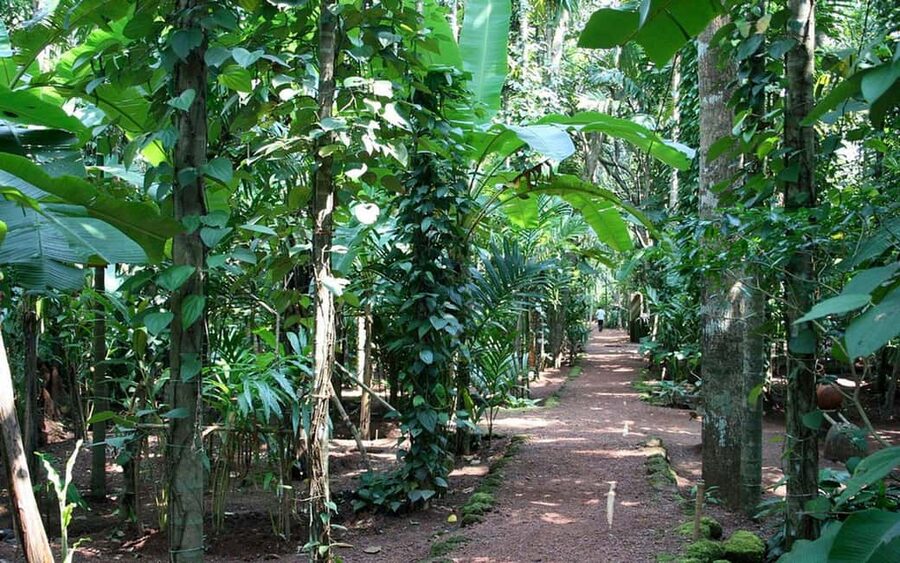
$27 for a 2.5-hour guided spice farm tour with entrances, a tour guide, traditional lunch, tropical fruits, drinking water, and government fees is fairly straightforward value. You’re not paying only for sightseeing time—you’re paying for interpretation (the guide), food (lunch and fruit), and access (entrances and fees).
That’s what makes the price feel reasonable rather than “just a walk.” If you were to price out lunch + a guided experience + admission-type costs separately, the total usually climbs quickly. Here, it’s packaged.
The main “logistics” consideration is also simple: the tour is time-limited and ends where it starts. If you’re planning other activities the same day, it’s easy to schedule around it.
One more practical note: because the experience is plant-based, you’ll likely be spending time outdoors. Wear comfortable walking shoes and plan for heat and sun. Drinking water is included, but you still want your own comfort covered.
Who This Tour Fits Best (and Who Might Skip It)

This Zanzibar spice farm tour with lunch makes the most sense if you:
- Want a first look at Zanzibar’s spice ingredients like cloves, cinnamon, nutmeg, vanilla, turmeric, and ginger
- Like food experiences where you actually taste what you learn
- Prefer a short, guided activity (around 2.5 hours) rather than a whole-day excursion
- Want take-home souvenirs that connect to a real story, not just a generic purchase
It may be less ideal if you:
- Only want photo stops and don’t enjoy learning about plants
- Are extremely sensitive to outdoor walking or heat
- Have zero interest in tasting fruit or eating lunch during tours
If you’re traveling with family, this sort of guided farm-and-food format can work because it keeps shifting between seeing, smelling, tasting, and eating. And the guide energy matters here—English-speaking guides who are friendly and helpful make a real difference.
One extra charm factor: the tour includes small human touches and farm character moments, like Mr. butterfly, the coconut picker. Those details can turn the trip from instructional to genuinely memorable.
Should You Book This Zanzibar Spice Farm Tour?
Yes, I’d book it if you want value, structure, and a real sensory experience. For $27, you’re getting a guided walk through spice plants, a medicinal-plant learning component, a proper included lunch, tropical fruit tastings, and the ability to buy spices where they’re grown.
Before you go, set a simple expectation: you’re not just going to see spices—you’re going to learn what they are, taste what you can, and then decide what to take home. If that sounds like your kind of Zanzibar day, this tour from Zanziworld Tours is a solid pick.
FAQ
How long is the Zanzibar spice farm tour?
The tour lasts about 2.5 hours.
What does the tour cost?
The price is $27 per person.
Where do I meet for the tour?
Meet in front of the entrance to Jambo Spice Farm in Dole village, Zanzibar.
Is lunch included?
Yes. The tour includes a traditional lunch, plus tropical fruits and drinking water.
What spices and plants will I see?
You’ll explore spice plants and herbs such as cloves, cinnamon, turmeric, nutmeg, vanilla, cardamoms, curry, pepper, tamarind, ginger, and more.
What language is the tour guide in?
The tour is in English.
Is there a place to buy spices during the tour?
Yes. The tour ends with a visit to the plantation’s spice shop where you can purchase freshly harvested spices.