REVIEW · SIEM REAP
Siem Reap: Lotus Silk Farm- Tour, Lake & Masterclass
Book on GetYourGuide →Operated by Savin Lotus Shop · Bookable on GetYourGuide
Lotus silk makes Siem Reap feel different fast. I love the hands-on lotus crafts and I love the peaceful boat ride that ends your morning with pink flowers floating by your feet. The whole set-up connects the sacred lotus plant to real Khmer-making skills, and you can walk away with six projects you actually made.
One thing to plan around: there’s no hotel pickup. You’ll meet at Biolab Cafe & Restaurant in downtown Siem Reap, get picked up from there, and return there too, so build in a little buffer for getting to the meeting point.
In This Review
- Key things I’d circle before you go
- Lotus Silk Farm: A side trip from Angkor that actually teaches
- Getting there from Biolab Cafe: the one logistics detail that matters
- The first stop: a 30-minute lotus story about fiber and sustainability
- Six hands-on workshops: make real stuff, not copies
- Lotus paper from recycled stem waste
- Lotus yarn from lotus fiber
- Lotus jewelry from dried seeds
- Incense sticks
- Eco-printing / botanical design on a premium silk scarf
- Carving the sacred lotus symbol into vegan leather
- Complimentary lotus tea and biscuits: small break, big payoff
- The best part for photos: the 30-minute boat ride through lotus fields
- Souvenirs you made: six projects that feel personal
- Who this suits best (and who might prefer something else)
- Price and value: is $70 fair for 4.5 hours?
- Practical tips so your day runs smoothly
- Should you book Lotus Silk Farm: Tour, Lake & Masterclass?
- FAQ
- How long is the Lotus Silk Farm experience?
- Where do I meet for pickup?
- Are hotel pickup and drop-off included?
- What time slots are available?
- How long is the boat ride?
- How many crafts do I do?
- What refreshments are included?
- What souvenirs do I take home?
- What language is instruction available in?
- Is the cost refundable if plans change?
Key things I’d circle before you go
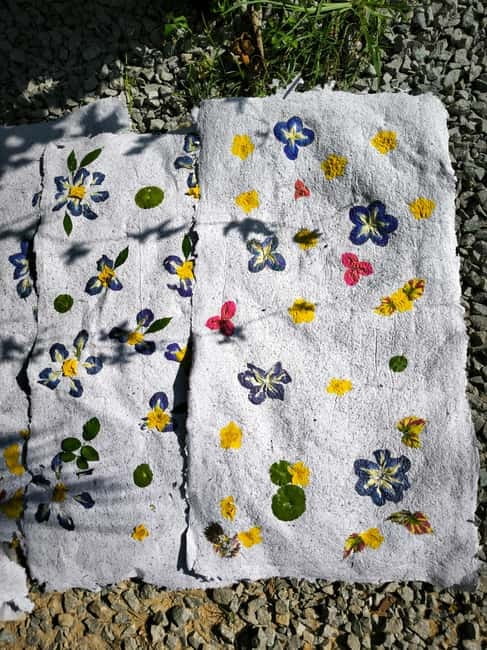
- Six crafts, one lotus theme: paper, yarn, jewelry, incense, eco-printing on silk, and lotus-symbol carving into vegan leather.
- 30-minute boat ride right through the lotus fields: calm water time, plus a bouquet-making moment from the boatman.
- A real “from plant to product” tour: you see how fiber becomes sustainable textile, and how women-led work started and continues.
- You don’t leave empty-handed: you take home the six handmade souvenirs you made.
- Small-group attention: you get patient guidance instead of being rushed through stations.
- Value for the time: a tour + workshops + boat ride in one 4.5-hour block for $70.
Lotus Silk Farm: A side trip from Angkor that actually teaches
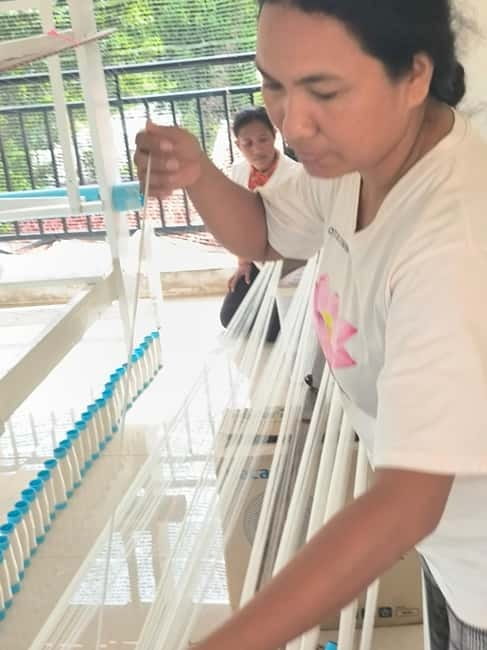
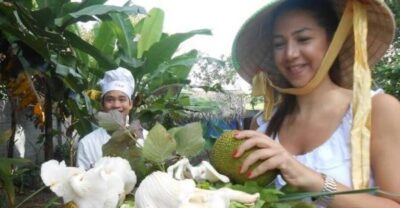
Siem Reap is famous for temples, but lotus silk farm gives you a different kind of Cambodia education: how a plant becomes work, art, and income. The lotus isn’t just decoration here. It’s the start of a full chain—how fiber is extracted, how waste is handled, and how makers turn it into products you can hold, wear, and explain later.
What I like most is that this isn’t a watch-and-stand experience. You get guided craft time, step-by-step. And the day doesn’t end with a souvenir shop dump. It ends with a slow boat glide through lotus fields, where the whole place suddenly feels quiet and photographic in the best way.
You can also read our reviews of more tours and experiences in Siem Reap.

Getting there from Biolab Cafe: the one logistics detail that matters
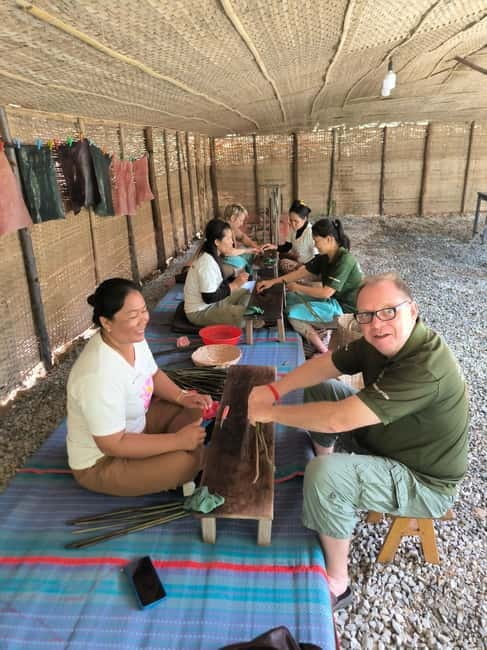
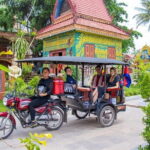
Your day starts at Biolab Cafe & Restaurant in downtown Siem Reap. That’s where you go to wait and where the pickup meets you. The tour provider transfers you to the farm and back, but only from/to this meeting point—no hotel-to-hotel service is included.
Pickups run at 8:30 AM, 10:00 AM, or 12:00 PM. Plan to arrive about 5 minutes early so the schedule stays smooth. If you’re staying outside the center, give yourself extra time to reach Biolab Cafe. Once you’re there, the wait area is air-conditioned, with restrooms and free WiFi available.
A small practical note: wear comfortable shoes and clothing you don’t mind getting a little “workshop” dust on. You’ll be making things by hand, not just sightseeing.
The first stop: a 30-minute lotus story about fiber and sustainability
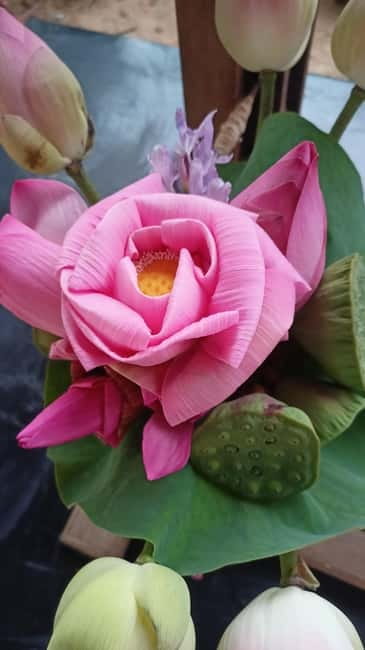
Before you start crafting, you get a guided visit that’s about 30 minutes. This part matters because it reframes the lotus from pretty flower to production material.
You’ll learn how the sacred lotus becomes something you’d call sustainable luxury. You also see the social side: this is a women-led craft effort that began in 2003 and supports rural artisans. The focus isn’t vague inspiration. It’s practical information about production and how the enterprise helps keep traditional skills alive.
If you care about how products are made, this quick tour sets you up well. The workshops later make more sense when you know what each part of the lotus is used for and why waste management is part of the process.
Six hands-on workshops: make real stuff, not copies
The core of the experience is six DIY handicraft activities. You move through stations with patient Khmer artisan guidance, which is the difference between enjoying crafts and just feeling lost.
Here’s what you can expect to make:
Lotus paper from recycled stem waste
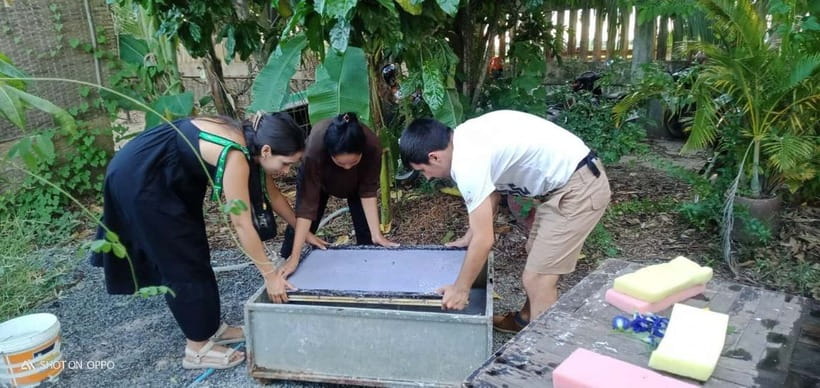
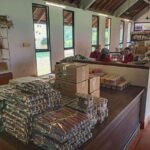
You’ll create lotus paper using recycled stem material. The key benefit for you is that you get to experience paper-making as a transformation process, not something that just appears in a stationary shop. It also makes a strong take-home item because you can keep it as paper, gift it, or frame it.

Lotus yarn from lotus fiber
Next up is spinning or working with lotus fiber into yarn. This is where you see how delicate lotus materials can still become usable thread. It’s a good craft station if you like textures and don’t mind slowing down to get the technique right.
Lotus jewelry from dried seeds
You’ll craft jewelry using dried seeds. This is hands-on, creative, and usually one of the more unique souvenir types you can carry home from Cambodia. It’s also the kind of project where you can easily make it “yours” because you choose how components come together.
Incense sticks
Then you’ll prepare incense sticks. The process links fragrance-making to traditional uses of lotus and botanicals. It’s a shorter-feeling craft compared to paper or yarn, but it’s memorable because you end up with something you can use later at home.
Eco-printing / botanical design on a premium silk scarf
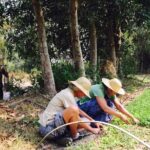
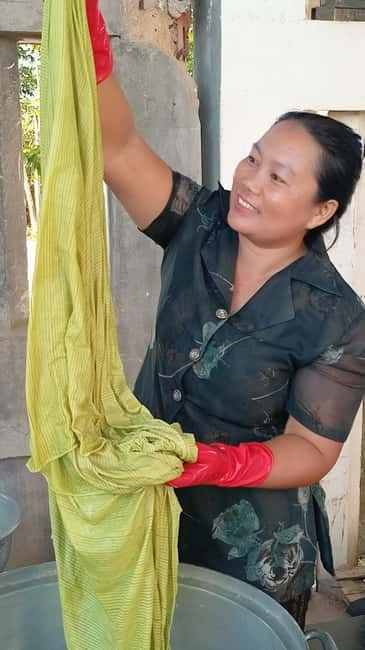
After that, you’ll work with fresh botanicals gathered from gardens and create an original design on a premium silk scarf through eco-printing. This is the station that tends to feel most artistic, because you can arrange your composition before it produces its final pattern.
Bring a camera mindset here. Even if your final design isn’t identical to someone else’s, that’s the point—your layout is part of the souvenir.
Carving the sacred lotus symbol into vegan leather
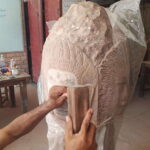
The last craft is a lotus-symbol carving on vegan leather made from lotus stem waste. If you like craft techniques that feel “more final product,” this is it. You’re creating a wearable or keepable symbol, not just a process you watched happen.
Across all six stations, what you’re really learning is how Khmer makers think: start with what the plant provides, respect the material, and turn it into something purposeful.
Complimentary lotus tea and biscuits: small break, big payoff
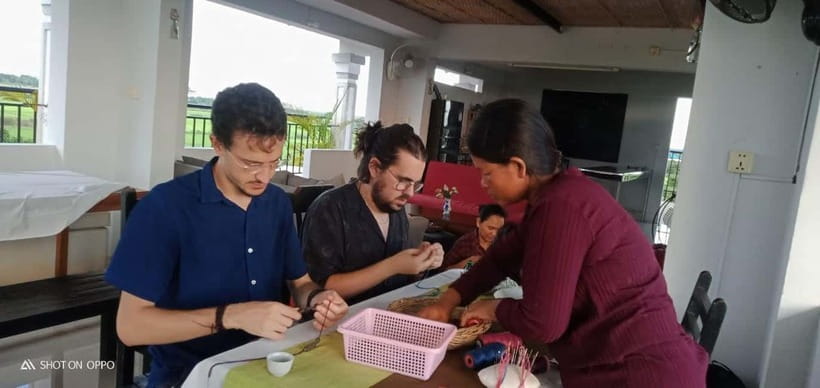
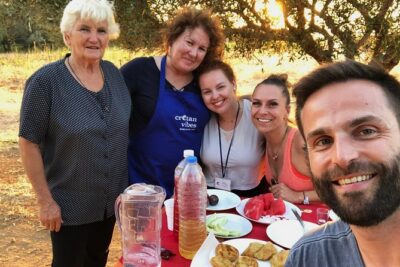
Between crafts, you’ll get refreshment: homemade lotus tea and lotus biscuits. It’s not a full meal, so don’t plan on this replacing lunch. But it does give you a real reset during a busy but friendly half-day schedule.
Also, water is provided. If you tend to drink more in the Cambodian heat, bring extra if you want.
The best part for photos: the 30-minute boat ride through lotus fields
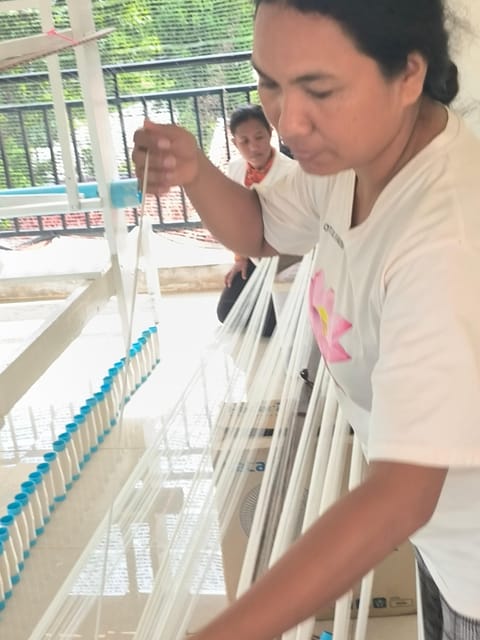
When the craft time ends, you switch gears for the reward: a traditional wooden boat and a 30-minute glide through lotus fields. This is the part many people rate as the highlight, and I get why. The pace drops instantly. The light changes. The water makes the lotus look like it’s floating on glass.
As you ride, you’ll watch the boatman create an intricate lotus flower bouquet. It’s one of those small skills that turns the boat ride from scenery into a moment with meaning—and it’s also a fun thing to photograph because you get both subject and action.
If you want your Siem Reap trip to include a quiet, nature-based memory that isn’t about ticket lines and temple crowds, this boat ride is where you get it.
Souvenirs you made: six projects that feel personal
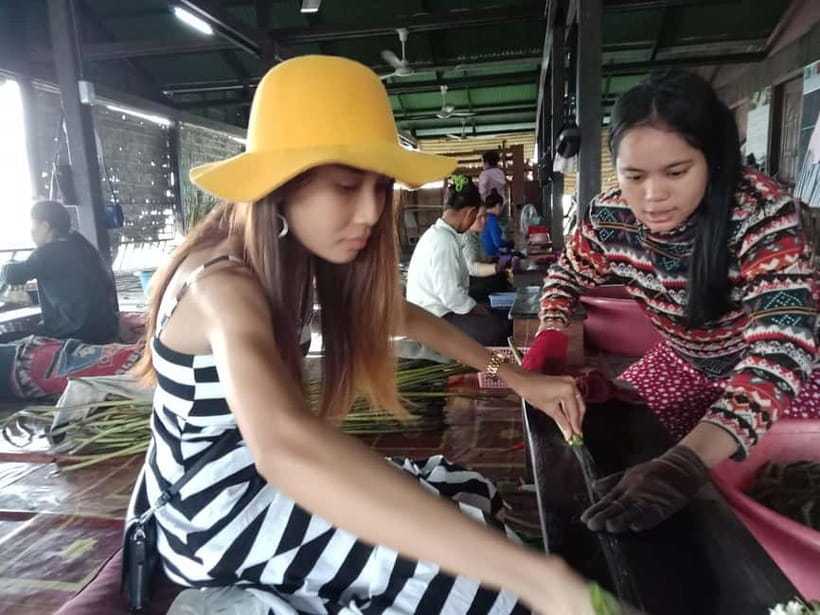
Most souvenir stops are easy: buy something, carry it. This place works differently. You take home six unique handmade items, created by you during the workshops.
That includes:
- lotus paper
- yarn
- jewelry
- incense sticks
- a patterned silk scarf
- lotus-symbol vegan leather item
And yes, you’ll likely end up with more gifts than you expected, because some experiences here include small extra parting touches. But even if you only count what you made, the “take-home value” is real.
Practical benefit: because these are made items (not just manufactured trinkets), they make great gifts for people who like craft, handmade goods, or anything tied to women-led social enterprises.
Who this suits best (and who might prefer something else)
This fits you if:
- you enjoy hands-on workshops
- you want culture beyond temples
- you like learning how everyday materials are turned into art
- you like slow nature moments with good photo opportunities
It might be less ideal if:
- you strongly prefer guided sightseeing over craft time
- you dislike anything with your hands involved (paper, fiber, pressing, arranging)
- you’re short on time and only want temples-focused highlights
Families often do well here too, because the stations are structured and the guidance is hands-on, not confusing.
Price and value: is $70 fair for 4.5 hours?
At $70 per person for about 4.5 hours, the price is easiest to judge by what’s included:
- a 30-minute guided visit explaining lotus-to-product production
- six distinct workshops where you make take-home items
- a 30-minute boat ride through lotus fields
- refreshments (lotus tea and biscuits)
- airport-style chaos is avoided because the day is planned as a sequence
If you try to book similar elements separately—craft workshops plus a guided production explanation plus a lotus field boat ride—you’d usually pay more in time and money. Here, the value comes from the combination: you get the learning, the making, and the nature payoff in one ticket.
Also, the social impact part isn’t marketing fluff in this case. The enterprise supports women artisans since 2003, and the work helps preserve traditional skills. That’s the kind of value that lasts longer than a few photos on your phone.
Practical tips so your day runs smoothly
A few small things make a big difference:
- Wear closed-toe comfort shoes. Even if the farm areas are neat, you’ll be standing and moving between stations.
- Bring a camera, and clean your phone lens first. The lotus fields are bright, and boats reflect light off the water.
- Expect workshop pace. You’ll be guided, but you’ll still need time to make things carefully.
- Plan no tight connection after. The day is timed as a half-day block. You’ll want a buffer for getting back to wherever you’re heading next.
- Skip heavy shopping expectations. Boutique purchases aren’t included. If you want lotus silk products beyond what you make, keep that budget ready.
Should you book Lotus Silk Farm: Tour, Lake & Masterclass?
I’d book it if you want a Siem Reap experience that mixes craft, nature, and meaningful work support in one smooth half-day. The strongest reasons are the same ones that keep showing up in people’s memories: you make six souvenirs, and the lotus boat ride delivers a rare calm moment that feels like a travel reset.
If you’re the type who loves temples but also wants a hands-on cultural day, this is a great balance. If you hate workshops or want only sightseeing with zero hands-on time, you might choose a different activity.
If you do book: aim for the morning start if you can. You’ll have nicer light for the lotus fields, and the rest of your day is still flexible.
FAQ
How long is the Lotus Silk Farm experience?
It lasts about 4.5 hours.
Where do I meet for pickup?
You meet at Biolab Cafe & Restaurant in downtown Siem Reap.
Are hotel pickup and drop-off included?
No. Transportation is provided only from/to the meeting point at Biolab Cafe & Restaurant.
What time slots are available?
Pickup starts at 8:30 AM, 10:00 AM, and 12:00 PM.
How long is the boat ride?
The boat ride through the lotus fields lasts about 30 minutes.
How many crafts do I do?
You do six traditional crafts DIY.
What refreshments are included?
Homemade lotus tea and lotus biscuits are included. Water is also provided.
What souvenirs do I take home?
You take home the six unique handmade items you create during the workshops.
What language is instruction available in?
The instructor speaks English and French.
Is the cost refundable if plans change?
Yes. Free cancellation is available up to 24 hours in advance for a full refund.