REVIEW · ZANZIBAR CITY
Spice Farm Bike Tour: Pedal Through Aromatic Adventures
Book on GetYourGuide →Operated by Happy Bikes Zanzibar · Bookable on GetYourGuide
That first inhale hits before the bike even rolls. This Spice Farm Bike Tour mixes everyday Zanzibar street life with a hands-on spice farm, then a green forest ride to look for red colobus monkeys. It’s one of the more memorable ways to get out of Stone Town without feeling like you’re stuck in a minibus.
I love how the ride is about real neighborhoods, not just postcard stops, with colorful street art and local rhythms along the way. I also love the farm portion, where you touch, smell, and taste spices and get a guided walk that connects plants to food, oils, soaps, and perfumes. One thing to keep in mind: this is not a casual spin. It includes hills, uneven off-road sections, and traffic-heavy stretches that can feel stressful if you’re not confident on a bike.
In This Review
- Key moments you’ll remember on this Zanzibar bike ride
- Why biking to a spice farm beats a bus ride
- The 6-hour flow: pickup, ride time, farm walk, and the forest backtrack
- The spice farm stop: where tasting becomes a lesson
- Lunch on the farm: Swahili food plus coconut water
- Masingini Forest return and red colobus monkey odds
- Price and logistics: value is good, but fitness is the real ticket
- A practical safety strategy
- What to bring (and what to skip) so your day feels easy
- Who should book this Spice Farm Bike Tour, and who should not
- Should you book this Zanzibar spice farm bike tour?
- FAQ
- FAQ
- What is the duration of the Spice Farm Bike Tour?
- Where do I meet my guide in Stone Town?
- What’s included in the price?
- Do I need to bring my own helmet?
- How far will I ride on the bike?
- Is the tour private?
- What language is the guide?
- Is the tour weather dependent?
- Is free cancellation available?
Key moments you’ll remember on this Zanzibar bike ride
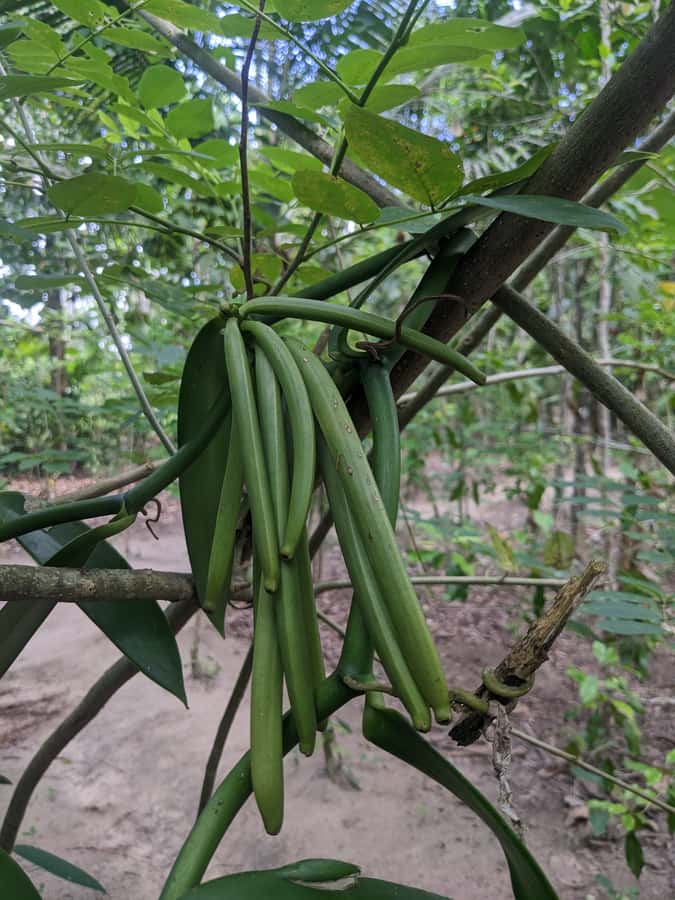
- Street culture by bicycle on main streets and local neighborhoods, not a fast bypass
- Touch-smell-taste spice farm walk plus tropical fruit tasting before lunch
- Swahili lunch with coconut water and time to chat and browse herbal products
- Masingini Forest return with chances to see red colobus monkeys and lots of birds
- English-speaking guides like Issa or Adam who keep things funny while explaining plants
- A slightly adventurous bike route with gravel, climbs, and uneven ground that filters out the faint-of-heart
Why biking to a spice farm beats a bus ride
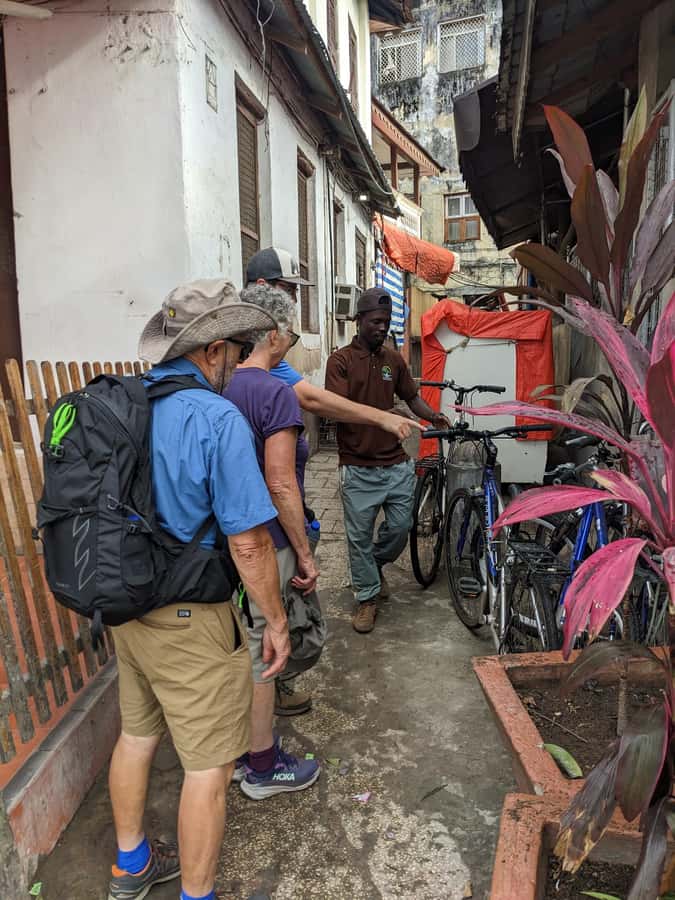
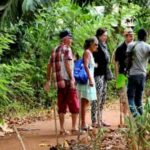
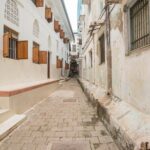
Zanzibar’s spice reputation can sound like a theme-park pitch. On this tour, it feels personal because you’re moving at human speed through the places people actually live. You ride from the Stone Town area into neighborhoods with everyday shop fronts, chatter, and street life.
That slow travel matters. It’s not only scenery. It changes what you notice: how people move, how streets look at bike speed, and how quickly your brain starts treating Zanzibar as a place you’re passing through, not only visiting.
The route is also part of the point. If you like tours that feel physical and real, this has that edge. If you want smooth, low-effort sightseeing, you might feel like you’re working more than you expected.
You can also read our reviews of more tours and experiences in Zanzibar City.

The 6-hour flow: pickup, ride time, farm walk, and the forest backtrack
The tour typically runs about 6 hours, with pickup depending on where you’re staying. You can meet your guide outside the Lukmaan restaurant on Mkunazini Street, or you may have optional pickup from North and East hotels (if your operator confirms it for your area).
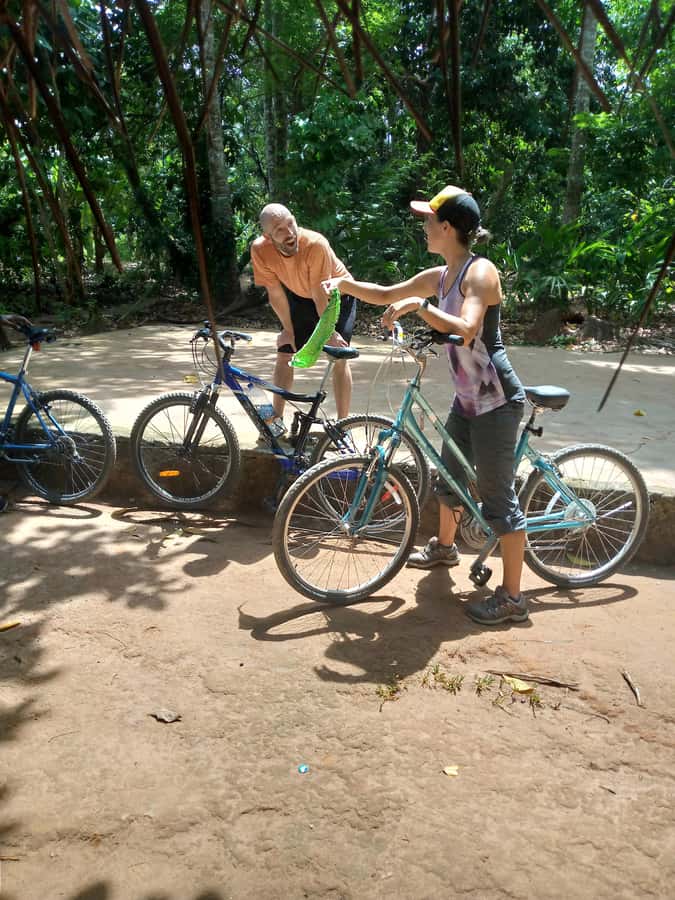
From the start, you mount a mountain bike and head out from Stone Town. You’ll cover about 14 km outward and 14 km back by bike, which adds up to around 28 km total. Then there’s also about one hour walking during the spice farm portion, so the day is a mix of pedaling and on-foot exploring.
One practical note: the ride isn’t “flat and easy.” It includes gravel roads and off-road segments, and the route isn’t level horizontally. That means constant micro-adjustments—speed control, balance, and braking—especially after hills or on uneven ground.
If you’re thinking about timing, plan for warm conditions. The climb out in heat is part of what makes the tour memorable, and it’s also why you’ll want sports shoes, sunscreen, and clothing you don’t mind sweating in.
The spice farm stop: where tasting becomes a lesson
After parking your bike in a quiet village setting, the spice farm experience starts with sensory basics: tropical fruits first. It’s a nice warm-up because it gets your attention on flavors before the walking tour begins.
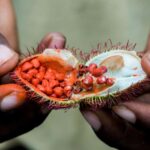
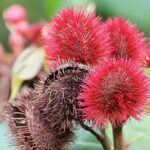
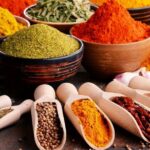
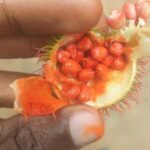
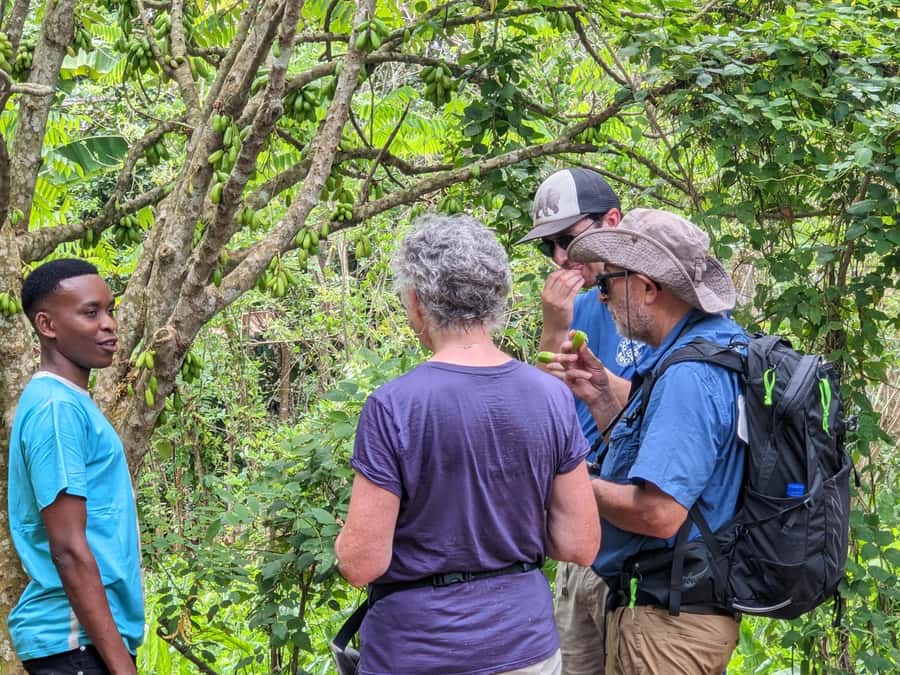
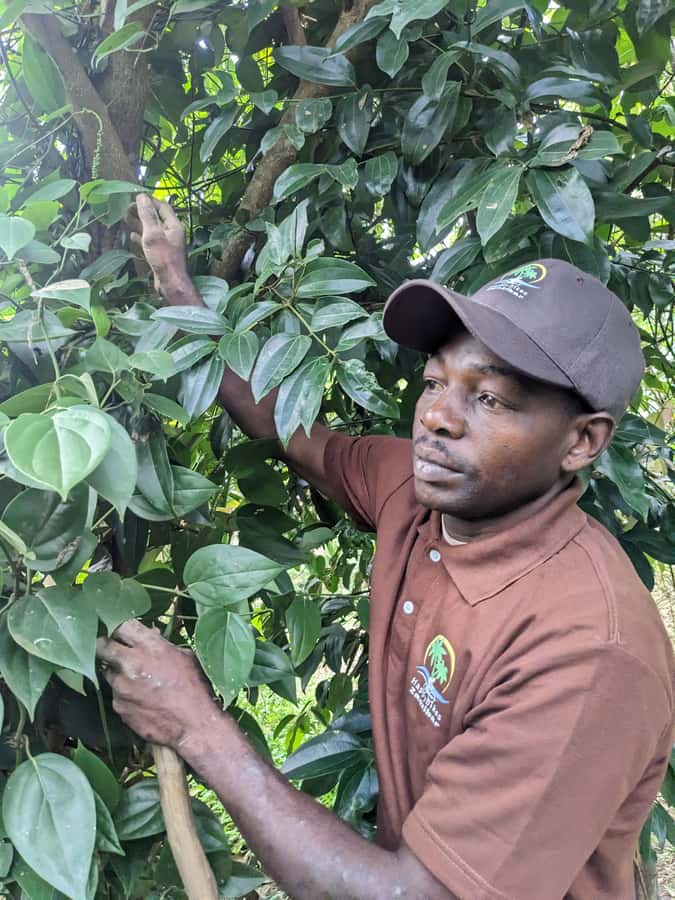
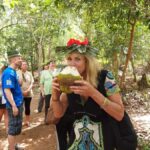
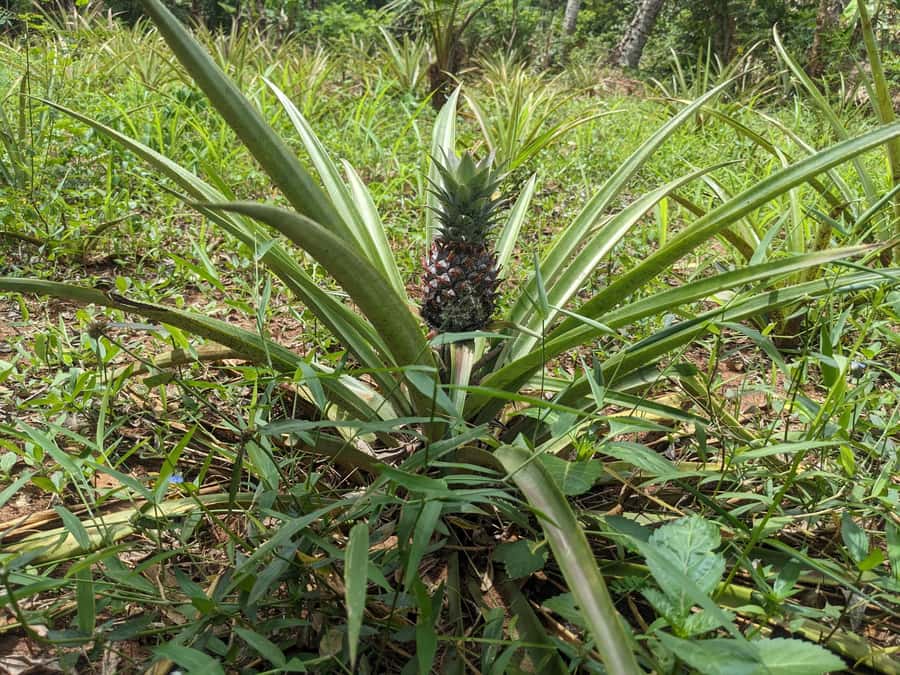
Then you do about an hour guided walk around the farm. This is where the story moves from “Zanzibar spices” to what’s actually happening in the soil. You’ll learn how different spices are grown and hear the specific stories tied to each plant. You’ll also get time to touch, smell, and taste the spices Zanzibar is known for.
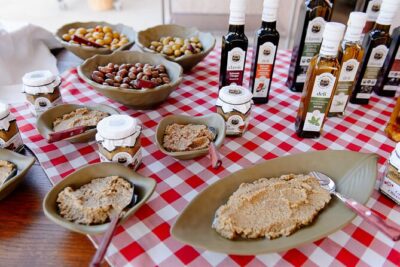
Expect more than a basic plant tour. The farm experience can include how spices are used for production items like soaps, oils, and perfumes, plus herbal products you can browse afterward. That matters because it connects the spice trade to everyday products you can buy and recognize later in Stone Town.
What’s the vibe? It’s calm compared with the streets. You park, slow down, and focus on one place long enough for the details to stick.
Lunch on the farm: Swahili food plus coconut water
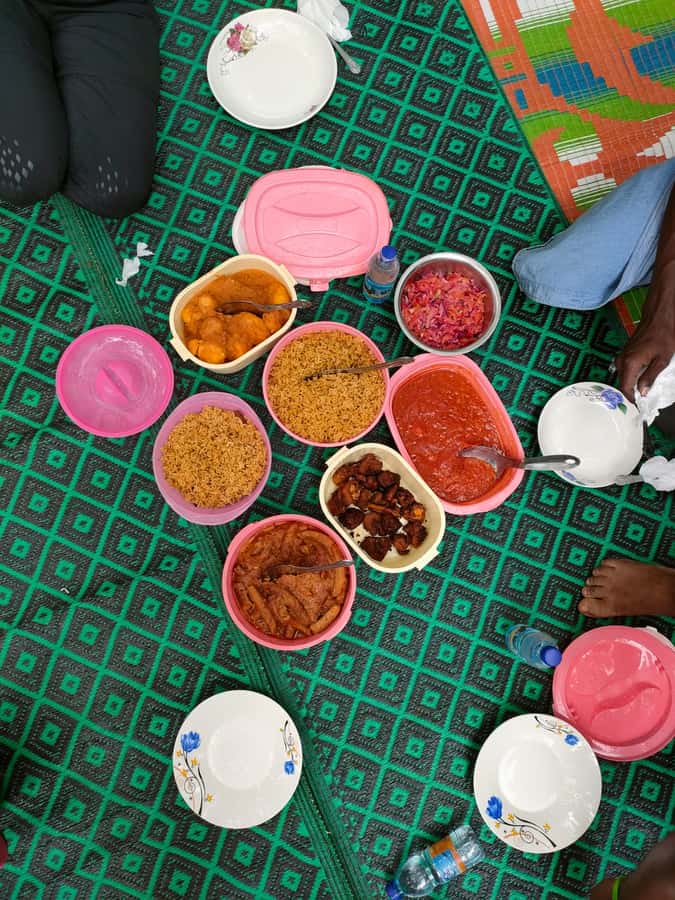
Lunch is included, and it’s Swahili cuisine. You’ll also get water and coconut water, which is a big deal after cycling in warm weather.
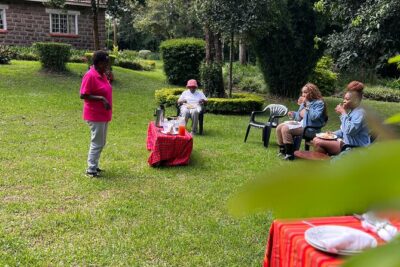
The lunch itself is more than fuel. It’s an easy social bridge: you’re sitting where people live and work, not just passing through a restaurant stop. And because you may have time to meet villagers and browse herbal products made locally, you’re not only consuming food—you’re also seeing how the farm ties into local life.
One small practical detail: bring some cash. Even though the core tour is included, you may want to purchase natural products on-site.
Masingini Forest return and red colobus monkey odds
The trip back is where the day shifts again. After the farm, you cycle through the Masingini Forest, and this is the moment many people remember most. You’re looking for red colobus monkeys, along with birds and other wildlife.
Forest time feels different from the spice farm quiet and from the city traffic. The air cools down (even if just slightly), and your attention changes. You slow your pace mentally to scan branches instead of reading streets.
You also want a camera ready, but keep your safety first. The terrain can be uneven and the ground can surprise you on descents. Take photos when you can, but don’t forget that the bike comes with its own workout.
If you’re lucky with monkey sightings, it can feel like Zanzibar turns into a nature documentary right in front of you. If you don’t spot them immediately, stick with it. Forest animals move like they mean it.


Price and logistics: value is good, but fitness is the real ticket
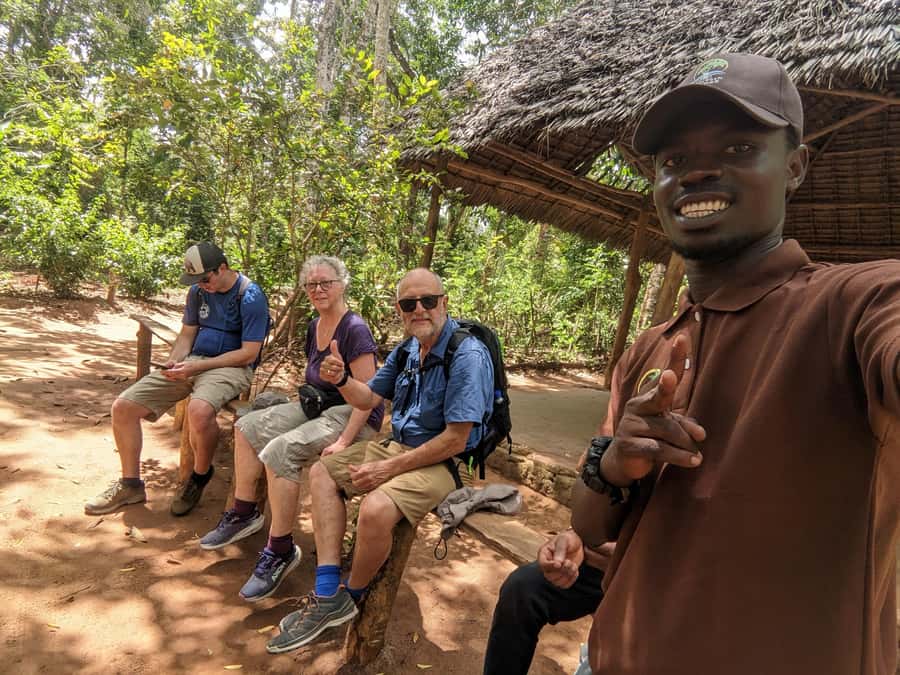
At $60 per person for a roughly 6-hour private group tour, you’re getting a package that includes: a local guide, bicycle rental, lunch, tropical fruits, water, coconut water, pickup and drop-off, plus entry tickets connected to the Dole area and Masingini Forest.
That adds up in real life. Bikes, a guide, and food in a tourist area can cost plenty on their own. So from a value standpoint, this pricing can feel fair, especially if you want both the farm lesson and the forest wildlife segment.
But here’s the truth: your biggest factor isn’t price. It’s whether you can handle the effort.
The route can involve:
- busy roads and traffic, including roundabout navigation in rush hour conditions
- uneven back roads and gravel
- hills and heat that make the ride sweaty and tiring
There’s also no helmet included. It’s allowed to bring a helmet yourself, and I’d consider doing it if you have one. On uneven ground, better head protection is never wasted.
A practical safety strategy
If you’re not a confident rider in traffic, do not treat that as a minor detail. One unhappy experience noted dangerous busy roads and a problem with losing the guide during a technical stretch. That’s a reminder to take the cycling portion seriously.
On the flip side, some riders report that the guides kept control and support strong, including arranging extra help when someone couldn’t manage the uphill part comfortably. If you’re unsure about your fitness level, ask your operator in advance about options like a partial ride back by local transport during the uphill sections. Having a plan before you’re already tired makes a huge difference.
What to bring (and what to skip) so your day feels easy
You’ll be happiest if you show up ready for cycling and heat. Bring:
- Sports shoes (not flip-flops)
- outdoor clothing you can sweat in
- sunscreen, sunglasses, and a hat
- a camera
- cash for herbal product purchases or other small extras
And skip:
- high-heeled shoes
- pets
- short skirts and ripped clothing
- alcohol and drugs
- loose clothing that can snag while biking
Also, plan for weather. The tour runs shower or shine, so light rain can happen. If you know it’s a chance, pack a simple layer that you can tolerate getting wet.
Who should book this Spice Farm Bike Tour, and who should not
This tour is not suitable for children under 9, people who can’t ride a bike, wheelchair users, and pregnant women. If any of those apply, look for a different way to enjoy the spice farm and forest.
It also helps to be honest about your cycling comfort. The best match is someone who:
- enjoys riding more than just taking photos
- can handle hills and uneven terrain
- doesn’t panic around traffic when moving slowly
If you’re a casual cyclist who wants mostly flat roads, you might end up wishing for a slower pace or a vehicle option. The terrain mix (main roads, gravel, off-road bits) is part of what makes the tour real, but it can also be the part you struggle with.
Should you book this Zanzibar spice farm bike tour?
If your ideal day in Zanzibar is equal parts people, plants, and nature, I think you’ll like this. You get a real neighborhood bike ride, a hands-on spice farm walk where tasting is the point, and a Masingini Forest return with a chance at red colobus monkeys.
Book it if you’re comfortable riding a mountain bike for about 28 km total and you don’t mind heat, hills, and uneven roads. Skip it (or ask for an easier support plan) if you get nervous with traffic or you’re worried you’ll stall on climbs.
FAQ
FAQ
What is the duration of the Spice Farm Bike Tour?
The tour lasts about 6 hours.
Where do I meet my guide in Stone Town?
If you’re not using pickup from a hotel, you can meet your guide in front of the Lukmaan restaurant on Mkunazini Street. The guide will be holding a map.
What’s included in the price?
Inclusions include a local guide, bicycle rental, lunch (Swahili cuisine), tropical fruits, water, coconut water, pickup and drop-off, and entry tickets related to Dole and Masingini Forest.
Do I need to bring my own helmet?
A helmet is not included. The tour data lists what to bring, but it does not say a helmet is provided.
How far will I ride on the bike?
You’ll ride about 14 km out and 14 km back to Stone Town, for roughly 28 km total by bike, plus walking time at the spice farm.
Is the tour private?
Yes. It’s listed as a private group.
What language is the guide?
The live tour guide speaks English.
Is the tour weather dependent?
It runs shower or shine, so plan for changes in conditions.
Is free cancellation available?
Yes. You can cancel up to 24 hours in advance for a full refund.