REVIEW · SIEM REAP
Half-Day: Silk Farm, Senteur Angkor, and Satcha Workshop
Book on GetYourGuide →Operated by Tour Guide Team Phnom Penh · Bookable on GetYourGuide
A silk cocoon day in Siem Reap? Yes. This half-day route is a smart way to see Cambodian silk making up close, plus visit craft hubs where you can watch work happen and shop with purpose. I like the step-by-step focus on the silkworm life cycle and the weaving process, and I also like how the Satcha stop groups multiple crafts under one roof. One thing to plan for: you’ll likely see goods at a range of prices, and some workshop products cost more than you expect.
You’ll get a hotel pickup in Krong Siem Reap and a private group ride that strings together four main stops in about 4 hours, with a roughly hour-long visit at each. The tour is led in English, and you’ll be on your feet for short walks, outdoor shade, and market-style browsing.
In This Review
- Key things I’d circle on your map
- Pickup to photos: how the 4 hours actually feel
- Stop 1: Angkor Silk Farm and the full silk workflow
- Stop 2: Satcha Handicraft Center’s six bamboo workshops
- Stop 3: Senteurs d’Angkor and sustainable Cambodian treasures
- Stop 4: Artisan d’Angkor for local crafts in the making
- Value and pricing: what $25 per group gets you
- Who this tour suits best
- A few smart things to bring and do
- Should you book this half-day craft tour?
- FAQ
- How long is the tour?
- Where does pickup happen?
- What does the $25 price cover?
- Are meals included?
- What should I bring?
- Is smoking allowed during the tour?
Key things I’d circle on your map
- See silk start to finish: mulberry trees, silkworms, then weaving.
- Six bamboo workshops at Satcha Handicraft Center: built from Cambodian bamboo from Kampong Cham.
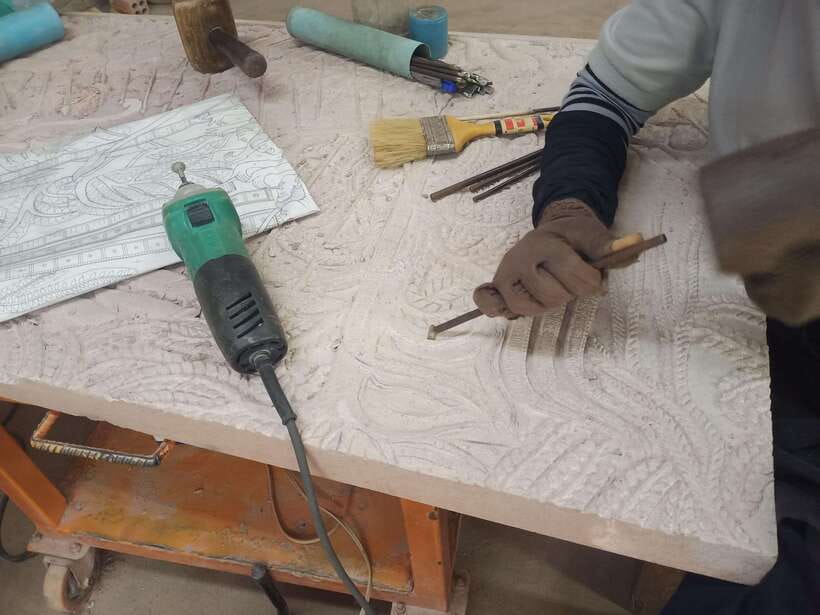
- 15 different craft know-hows in one visit: from carving and leather to weaving, silk, painting, lacquer, jewelry, and silver plating.
- Senteurs d’Angkor for sustainable Cambodian treasures: shop while learning the story behind what you’re buying.
- Artisan d’Angkor for hands-on craft making: watch local handicrafts being made, then buy on the spot.
- Separate entrance and skip-the-line flow: less time waiting, more time looking at real work.
Pickup to photos: how the 4 hours actually feel
This is the kind of tour that works well when you want meaningful local culture without committing to a full day. You start with hotel pickup in Krong Siem Reap, then transfer by van with short breaks between stops. The pacing is practical: photo stops, a walk-through, and then a guided look at what’s happening.
Because the duration is listed at 4 hours, you’ll feel the schedule stays tight. That’s a good thing if your time in Siem Reap is short. It can also mean you don’t get unlimited time to browse every table like you might at a standalone market. If you love shopping, go in with a plan: decide what you’re shopping for before you arrive, then let the guides point you toward options that match.
A final logistics note that matters on-site: no smoking and no food or drinks during the tour. You’ll want water outside of the tour moments (if your guide allows breaks), and you should treat this as a walk-and-learn visit, not a picnic day.
You can also read our reviews of more tours and experiences in Siem Reap.

Stop 1: Angkor Silk Farm and the full silk workflow
The silk farm visit is the heart of the experience. You get a guided look and time to take photos, and the focus is on how silk is made using traditional steps that visitors can actually follow.
What you’ll see is the real chain of cause-and-effect:
- Mulberry trees: you’re shown the food source that underpins the whole process.
- Silkworm life cycle: you learn how the silkworm stage fits in before anything becomes fabric.
- Weaving process: you finish with the transformation into the finished textile.
This is valuable because it’s easy to treat “silk” as a finished product with no context. Here, the tour forces the story to make sense. When you know what silk requires, you’ll shop more confidently. You’ll spot better-quality fabric and be less likely to buy something that’s labeled or packaged in a way that hides what it actually is.
Comfort tip: wear shoes you’re okay with getting warm and a little dusty. The silk farm part is partly outdoors, and the tour guidance recommends a hat and sunscreen, which is smart if you’re visiting during bright afternoons.
Shopping note: this stop includes time for shopping. That’s normal for the format, but I suggest you keep your budget flexible here. Silk items can vary a lot in price depending on how they’re made and what materials are used. If your heart says silk is for you, this is the place where learning first will make buying feel less random.
Stop 2: Satcha Handicraft Center’s six bamboo workshops
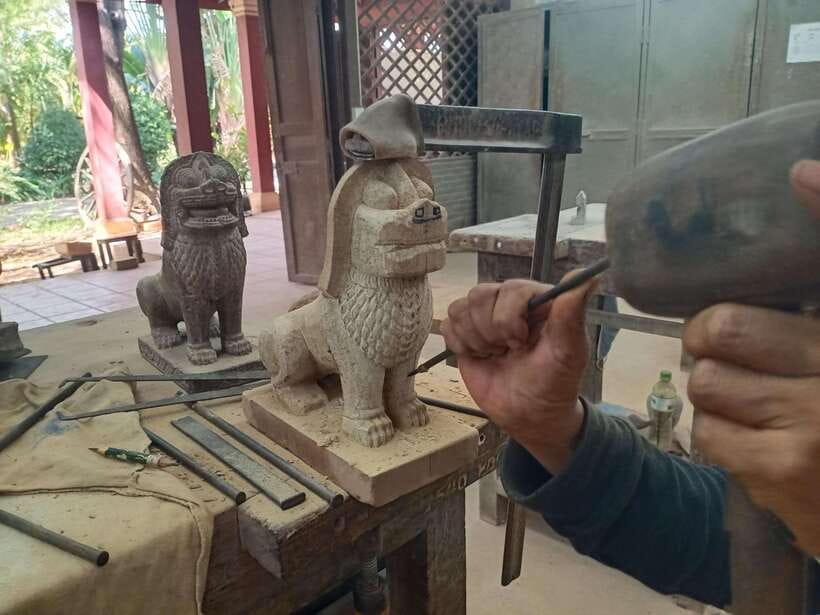
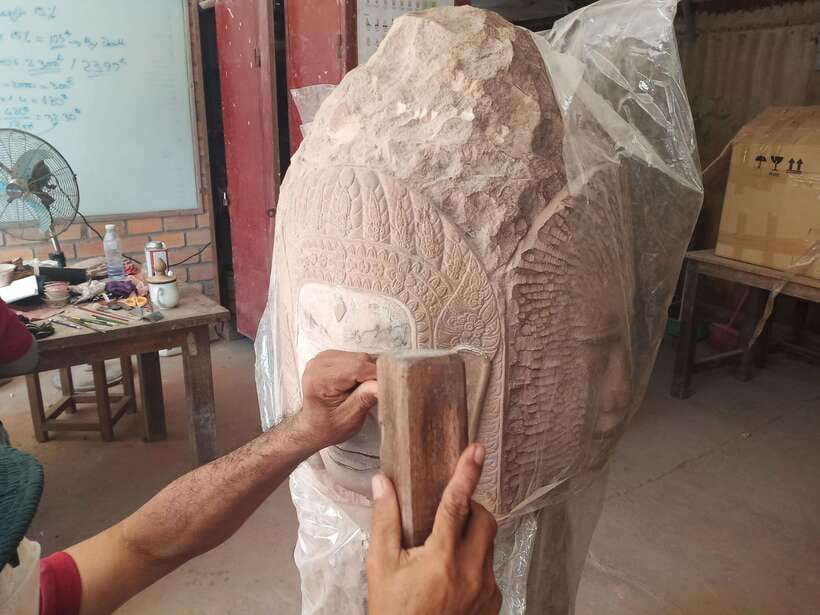
Next comes Satcha Handicraft Center, and this is where the tour shifts from one craft to a whole craft ecosystem.
This center is built with Cambodian bamboo from Kampong Cham, and the workshop spaces are designed with contemporary touches inspired by Khmer ornaments. If you like design details, this is where you can enjoy the buildings and not just the merchandise.
The guide-led part here is one of the best values in the tour because you’re not limited to watching one technique. The center hosts:
- 50+ artisans
- 15 different know-hows
That list includes: carving, stone, wood, bamboo, leather, weaving, rattan, seagrass, water hyacinth, silk, cotton, painting and lacquer, jewelry, and silver plating.
Even if you’re not an arts-and-crafts person, the range is worth it. It shows you how Cambodian handicrafts aren’t one monolithic thing. They’re linked skills—materials, tools, and training—that people keep passing down.
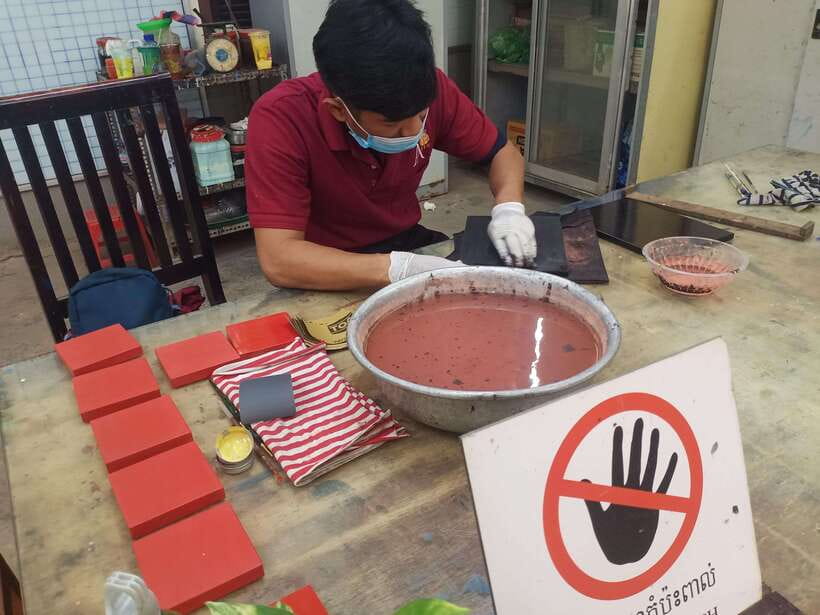
How the time is likely to work: you’ll probably get guided explanations in a couple of the workshop areas, then browsing time around what’s being made. A useful thing I learned from experience with craft centers: when you see multiple workshops in one place, you can compare styles quickly and figure out what you actually want to bring home.
One consideration: some workshop areas can feel more expensive than others, especially if you’re tempted by finished pieces rather than raw materials or smaller items. If you feel your budget tightening, do what you can before the showroom-heavy part—ask about smaller items or practical souvenirs first. That way you don’t start with your wallet already committed.
Stop 3: Senteurs d’Angkor and sustainable Cambodian treasures
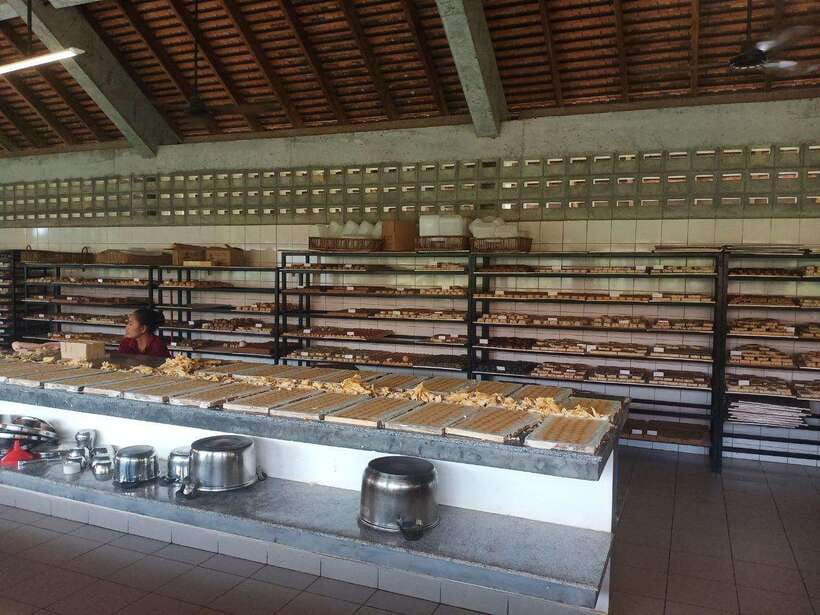
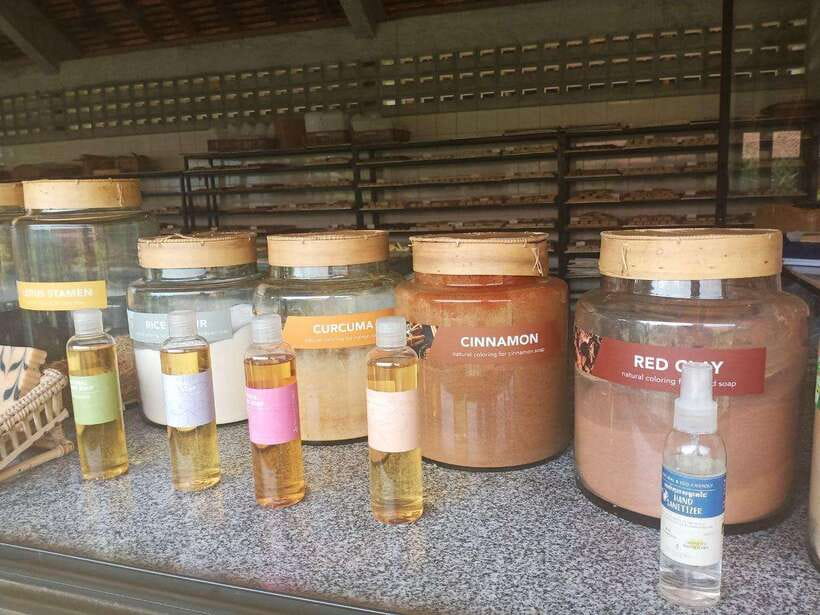
At Senteurs d’Angkor, the emphasis is on sustainable Cambodian treasures and artisanal products. You’ll get another guided stop with time to look and shop.
This part is less about a single technique you can watch step-by-step and more about understanding craft as a system: materials, production choices, and the kinds of products people make to support their livelihoods.
Why this stop is worth it:
- You get a different lens than a silk-only or workshop-only visit.
- You can browse gifts with a story behind them, not just a price tag.
What to do here: slow down for a few minutes and pick a category you care about—textiles, small handicrafts, or something that feels culturally specific. Then ask your guide questions if you have them. Even basic questions like how an item is made or what it’s made from can turn a browsing stop into a learning stop.
Also, keep your sunscreen and hat handy if the indoor/outdoor mix puts you in sun again. This is Cambodia, and half-day tours can still pack in heat.
Stop 4: Artisan d’Angkor for local crafts in the making
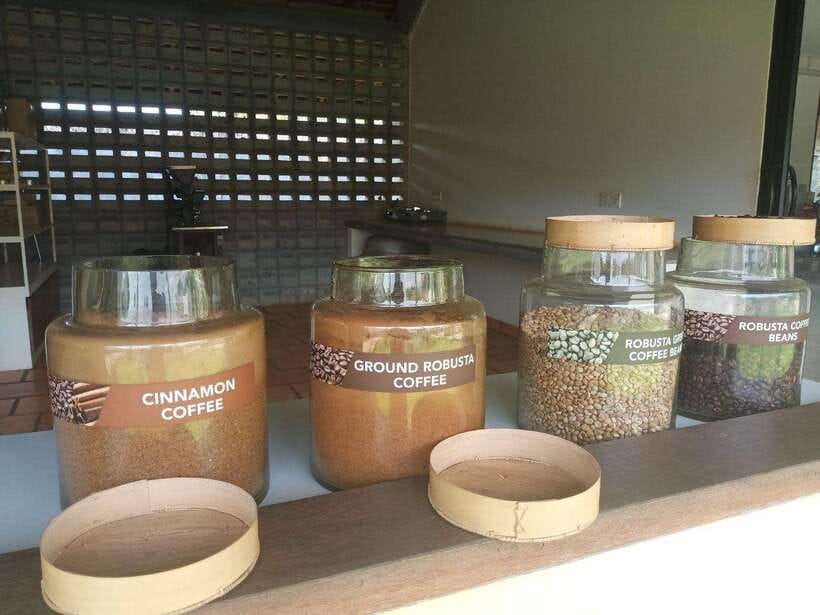
The final craft hub is Artisan d’Angkor, where you can see local handicrafts being made and shop the results. The big promise here is that it’s not just a display space. You’re there for creation, not only sales.
This last stop is a strong finish because your brain is primed by the earlier sites. After you’ve seen silk’s full workflow and watched multiple craft know-hows at Satcha, you’ll notice more details in what’s happening at Artisan d’Angkor. You’ll also be more realistic about what you’re buying—what’s labor-intensive, what takes more steps, and what’s likely to be durable.
A practical buying strategy for the end of the tour:
- If you’re getting gifts, look for items that are easy to pack and tough in daily use.
- If you want textiles, confirm what you’re getting based on the visible process you already learned.
- If you want decorative pieces, check finishing quality in person, not on a photo or box label.
You’ll head back to your hotel after this stop, with the schedule keeping things orderly so you don’t end the day exhausted.


Value and pricing: what $25 per group gets you
At $25 per group up to 2 for a 4-hour private group tour, the value comes from three things working together:
- Guided access to multiple craft locations instead of you trying to stitch them together yourself.
- Time allocation that’s long enough to watch processes, not just peek through a doorway.
- Transport plus hotel pickup/drop-off inside Siem Reap province, which saves a chunk of effort.
What’s not included is equally important: there’s no meal in the price. So budget for water and snacks if you need them outside the strict tour times. The tour recommends a few outdoor essentials, and that’s your signal to plan for comfort.
Also think about your goals. If you want to buy only a cheap souvenir, this may feel like a lot. If you want to understand craft and buy with confidence, it’s a good deal. The silk farm and Satcha center are the two big anchors for learning, and Artisan d’Angkor/Senteurs d’Angkor add breadth for shopping and context.
Who this tour suits best
This is a good fit if you:
- want hands-on craft experiences in a short time
- like structured shopping with context (silk and Cambodian handicrafts)
- enjoy seeing how goods connect to materials and process
It’s also a decent choice for couples or small groups because it’s described as private group, and you’ll move together with an English driver/guide setup.
It may feel less ideal if you hate shopping stops or you want a slow, flexible schedule. This tour is built around guided stops and workshops, so you’ll be moving from point to point.
And for mobility: it’s not suitable for wheelchair users, so plan accordingly.
A few smart things to bring and do
The tour guidance is clear, and it’s worth following:
- Comfortable shoes: you’ll walk and stand for workshop visits.
- Camera: there are photo opportunities at multiple stops.
- Hat and sunscreen: outdoor heat is part of the experience.
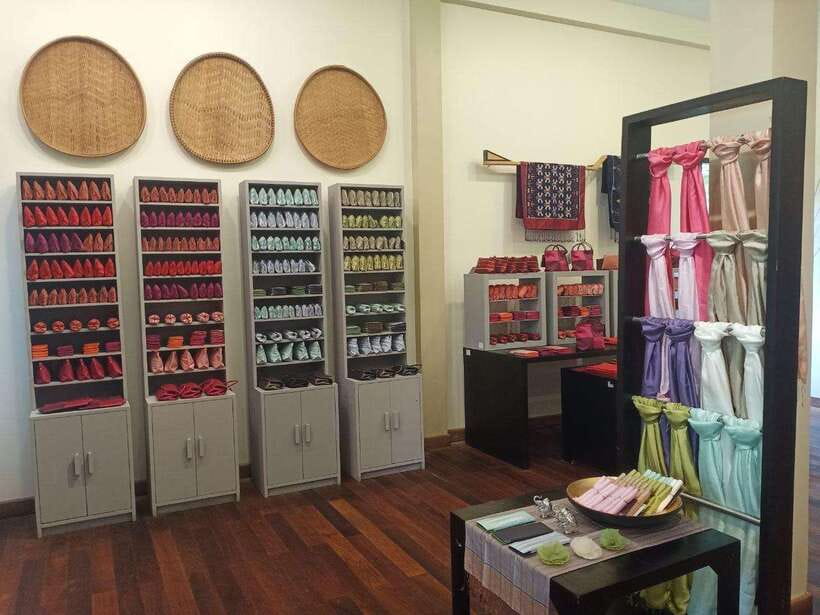
Also, set expectations for the shop side. Silk and craft centers are production-to-sale spaces, so prices will vary. If you’re trying to stay within a budget, shop with intention—start with the crafts that match what you learned about materials and process at earlier stops.
Should you book this half-day craft tour?
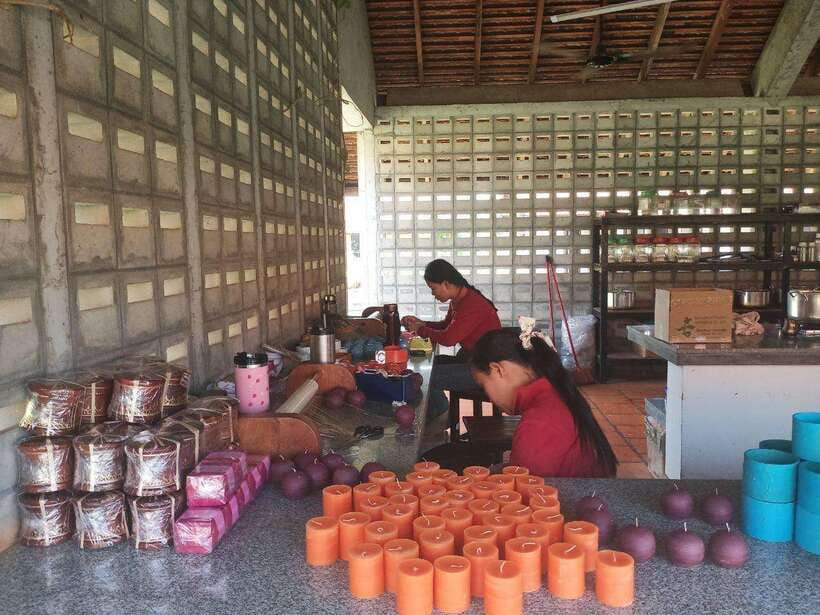
I think this one is worth booking if you want a clear route through Cambodian craft culture in about four hours, especially if silk is on your must-see list. The silk farm gives you the storyline from mulberry and silkworms to woven fabric. Then Satcha expands your view with six bamboo-built workshops and a huge range of craft know-hows.
But if your priority is pure sightseeing—temples, big views, and fewer market-like stops—this may feel too craft-focused. It’s a craft tour first, and shopping is part of the rhythm.
If you’re the type who likes gifts with meaning, or you want to buy something you understand, this tour makes that easy.
FAQ
How long is the tour?
The tour runs for about 4 hours.
Where does pickup happen?
Pickup is listed from Krong Siem Reap (Krong Siem Reap area).
What does the $25 price cover?
It includes hotel pickup and drop-off, visits to the silk farm, Satcha Handicraft Center, Senteurs d’Angkor, and Artisan d’Angkor.
Are meals included?
No. Meals are not included.
What should I bring?
Bring comfortable walking shoes, a hat, a camera, and sunscreen.
Is smoking allowed during the tour?
No. Smoking is not allowed during the tour. Food and drinks also aren’t allowed during the tour.