REVIEW · SIEM REAP
Lotus Silk Farm: Discover Learn and Experiment the Lotus Flower
Book on Viator →Operated by LOTUS SILK FARM · Bookable on Viator
You can smell the lotus, then wear it. At Lotus Silk Farm near Siem Reap, you get a hands-on morning learning how many uses grow out of one plant, starting with lotus tea and ending with a serene boat ride.
I especially liked the hands-on workshops—you’ll experiment with multiple lotus products, like lotus-fiber strands, seed-pod bracelets, paper, and incense sticks. I also liked the small group feel (max 15 travelers), which means you’re not just watching; you can ask questions and take your time.
One consideration: this experience needs good weather, so plan flexibility on your schedule.
In This Review
- Key Things That Make This Lotus Workshop Worth Your Time
- Lotus Silk Farm in Siem Reap: What This Morning Builds
- Before You Go: Location, Timing, and the Group Size Sweet Spot
- Start With Lotus Tea and Learn the Plant’s Many Uses
- The Six Lotus Workshops: Bracelet, Yarn, Paper, Incense, and More
- Making Seed-Pod Jewelry and Lotus Bracelets
- Extracting Lotus Fiber Strands for a Textile Feel
- Turning Lotus Into Paper
- Incense Sticks From Lotus Materials
- Bonus Craft Touches: Flower Folding and Necklace-Style Pieces
- A Calm Pace for Hands-On Learning
- Boat Ride to the Lotus Field: The Best Reset After Crafting
- Why This Workshop Feels Authentic (Not Just a Craft Demo)
- Price and Value: Is $47 Fair for 3 Hours and 6 Workshops?
- Who Should Book Lotus Silk Farm, and Who Might Skip It
- Should You Book Lotus Silk Farm?
- FAQ
- What is the duration of the Lotus Silk Farm tour?
- How much does the Lotus Silk Farm workshop cost?
- Where does the tour start?
- Does it include a boat ride?
- How many people are in a group?
- What activities are included?
- Is a mobile ticket used?
- What happens if the weather is poor?
- Is free cancellation available?
Key Things That Make This Lotus Workshop Worth Your Time
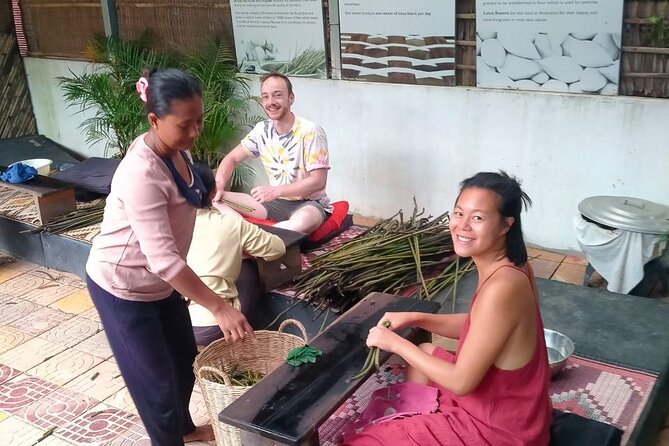
- Six lotus-based craft sessions where you actively make items instead of just touring
- Lotus tea to start so you’re using the plant from the first minute
- Lotus-to-souvenir results like bracelets, paper, incense sticks, and fiber strands
- A quiet boat ride to the lotus field to reset after crafting
- A small group size (max 15) for a more relaxed, personal pace
- A clear link to daily life through how artisans cultivate and repurpose the plant
Lotus Silk Farm in Siem Reap: What This Morning Builds
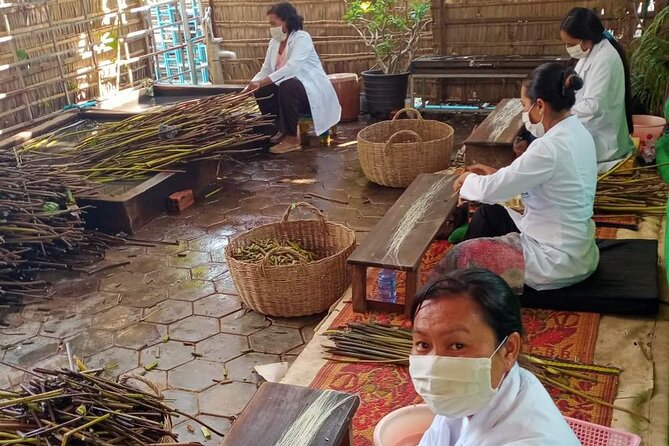
This is one of those activities that feels like a change of pace the second you arrive. You’re on a working lotus farm, and the day stays practical: you learn what parts of the plant get used, then you make things yourself with those parts in the middle of the process.
The lotus isn’t treated like a decoration. It’s treated like a resource. That mindset—simple, local, and hands-on—is what makes the morning stick with you. You’ll leave with souvenirs you made, not just photos.
Also, because it’s designed for a maximum of 15 people, it doesn’t turn into a fast-moving assembly line. You get enough time to handle materials, redo a step if it’s awkward, and actually understand what you’re doing.
You can also read our reviews of more tours and experiences in Siem Reap.

Before You Go: Location, Timing, and the Group Size Sweet Spot
The tour runs about 3 hours and starts at Lotus Silk Farm Siem Reap, 11 road 63, ភ្នំក្រោម 17250, Cambodia. It ends back at the meeting point.
That short duration matters. It’s long enough for real making (not just a quick demo), and short enough to fit neatly between temple visits or whatever you’re doing later in Siem Reap.
The format also matters: you’re capped at 15 travelers. In practice, that usually means less waiting, fewer rushed steps, and more staff attention when you need it.
One more practical note: the experience requires good weather. Since it includes farm time and a boat ride, cloudy or rainy conditions can affect whether everything runs as planned.
Start With Lotus Tea and Learn the Plant’s Many Uses
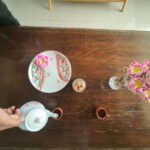
Right as you begin, you’ll get a cup of lotus tea. It sets the tone fast. Before you touch craft materials, you get a feel for the plant as something people actually drink—not just something you admire.
From there, the teaching is about practical uses:
- textiles and fibers (how the plant’s stalks become thread-like strands)
- botanical uses (how parts become teas and other simple products)
- jewelry and decorative items (seed pods turned into bead-like pieces)
- paper and craft materials (turning lotus into usable sheets or pulp-based goods)
- tea and small everyday items linked to cultivation
This is useful because it gives you a mental map. When you later make something like paper or a bracelet, you know what you’re working with and why it matters.
The Six Lotus Workshops: Bracelet, Yarn, Paper, Incense, and More
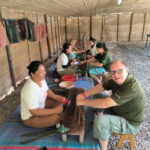
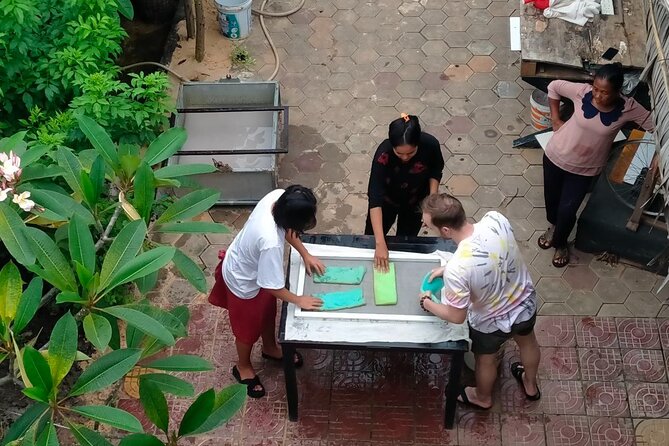
The core of the experience is six handicraft workshops. You move through different stations, and each one connects back to a part of the lotus plant. Instead of being guided through one craft only, you get to see how the plant supports several different kinds of handmade products.
Here are the kinds of things you can expect to make and experiment with during the sessions:
Making Seed-Pod Jewelry and Lotus Bracelets
Seed pods are a big star here. You’ll work with them in a jewelry-style format, including seed-pod bracelets and bead-like details that give a very natural look.
Even if jewelry-making isn’t your hobby, this one is satisfying because it turns something from the plant into a wearable souvenir. You’re basically learning how artisans transform leftover parts into finished goods.


Extracting Lotus Fiber Strands for a Textile Feel
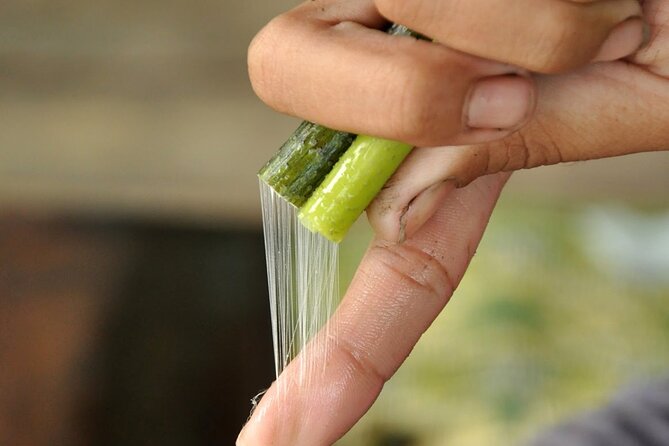
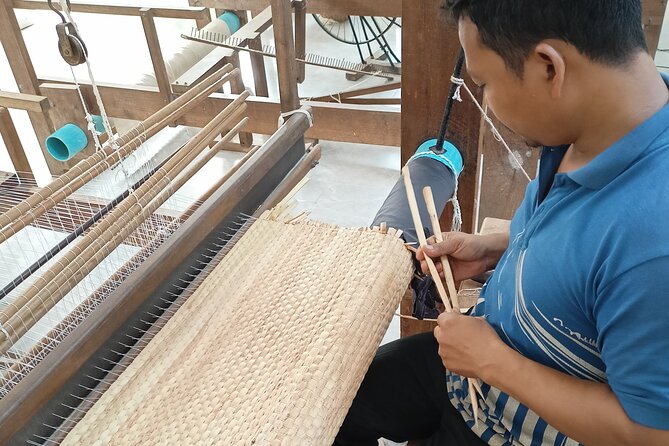
Another highlight is the fiber work. You’ll get hands-on with the idea of extracting silk fiber strands from the lotus stalks.
This is fascinating in a grounded way. It’s not mystical talk—it’s a process. And it helps you understand why lotus is talked about in connection with silk-like textiles and sustainable fashion: the materials start from cultivation, not from a machine-made supply chain.
Turning Lotus Into Paper
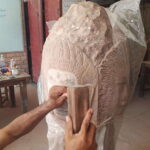
You’ll also try making lotus paper. This matters more than it sounds, because it shows how farm byproducts can become something useful and saleable.
When you make paper yourself, you understand the change from plant material to a finished sheet. It’s a small craft, but it trains your eye on what you’re actually handling. You’ll come away seeing lotus differently after that.
Incense Sticks From Lotus Materials
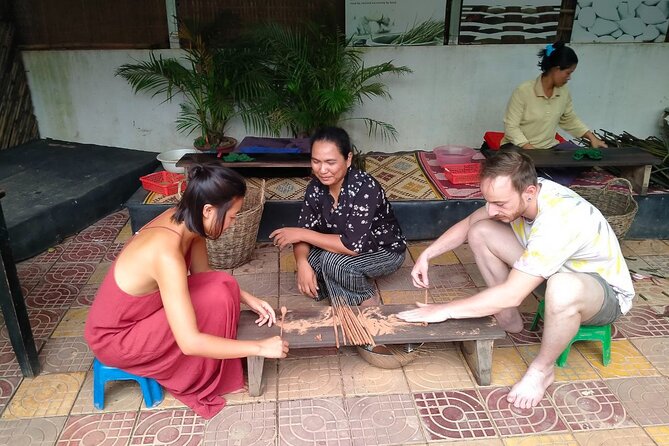
One of the more surprising items you can make is incense sticks. It’s a great match for the day because it adds a scent-based memory too.
It also reinforces the broader point of the workshop: people don’t waste lotus parts. If something can be dried, shaped, or processed, it finds a role.
Bonus Craft Touches: Flower Folding and Necklace-Style Pieces
Depending on the flow of the workshop, you’ll also do other small crafts tied to lotus design. In past sessions, people have made items like a necklace-style piece and practiced folding lotus flowers as part of the handmade souvenir experience.
These smaller moments are worth paying attention to. They’re often where you get the final look that makes a souvenir feel gift-worthy, not generic.
A Calm Pace for Hands-On Learning
Across all six workshops, the pace is meant to be manageable. You’re working, not sprinting. And because the group is capped at 15, you’re not just one person in a big class. You can get help when your hands are still figuring out the step.
Boat Ride to the Lotus Field: The Best Reset After Crafting
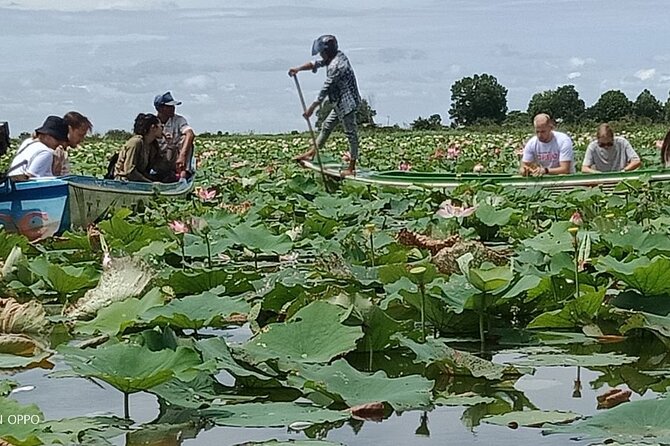
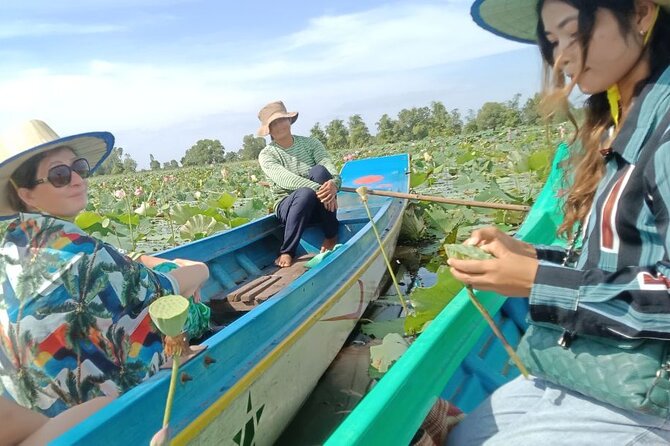
After the craft stations, you move into the scenery part of the day: a serene boat ride to the lotus field.
If you’re picturing something touristy and loud, don’t. This part is quiet and slow by design. You’ll glide through areas with water lilies and lotus—the kind of views that make you pause, even if you’ve been busy with crafts for most of the morning.
For me, the best part of the boat segment is contrast. Your hands have been working on textured, sometimes fiddly materials. Then suddenly you’re just looking at the plants floating in the water. It turns the day from hands-on making into a more reflective experience.
And honestly, it’s a smart way to end. You get a moment where you can really appreciate the thing you’ve been learning about.
Why This Workshop Feels Authentic (Not Just a Craft Demo)
This isn’t only about leaving with souvenirs. The better value is in what you learn while you’re making them.
You get an insight into the local lives of the artisans—how lotus cultivation links to crafts and practical household uses. That’s important because it turns souvenirs from objects into stories. You can explain to friends what you made and why lotus matters beyond a single use.
There’s also a clear sustainable angle built into the approach: different parts of the plant are repurposed into different products. That reduces waste in the everyday way that often gets missed when you only see a flower as a decorative item.
And because you’re making multiple products in one morning—bracelets, paper, incense, fiber strands—you see that the value isn’t one specialty. It’s a whole system.
Price and Value: Is $47 Fair for 3 Hours and 6 Workshops?
At $47 for roughly 3 hours, this is good value if you like hands-on activities and don’t just want a photo stop.
Here’s why it’s worth thinking about:
- You’re paying for six workshops, not one
- You get a lotus tea start
- You get a boat ride at the end
- You leave with multiple handmade souvenirs
- The group stays small (max 15), which usually improves the experience quality
If you’re the kind of traveler who enjoys trying crafts even when you’re not an expert, this price makes sense. You’re not paying for a lecture. You’re paying for a morning where you actively produce things.
If you prefer passive sightseeing with zero mess and zero hands-on work, you might find it too interactive. But based on the format, it’s designed specifically for making and learning.
Who Should Book Lotus Silk Farm, and Who Might Skip It
This is a strong match if:
- you like hands-on crafts and want to actually make items
- you’re curious about how plants become products
- you want a small-group experience with time to ask questions
- you want something calmer than a big-ticket temple day
You might skip or reconsider if:
- you need a fully weather-proof plan (the boat and outdoor farm time mean it needs good conditions)
- you only want one single craft and would rather spend time elsewhere
- you dislike working with natural materials and the possibility of getting a little involved (even if the day is kept friendly and manageable)
Should You Book Lotus Silk Farm?
I think you should book it if you want a genuine change of pace in Siem Reap. It’s not a quick walk-through. It’s a hands-on morning with six workshops, a lotus tea start, and a quiet boat ride to end the day on something peaceful.
It’s also a great use of time if you’re traveling with people who like different styles of activities. One person gets the crafts. Another enjoys the scenery. Everyone leaves with something they made.
If you’re flexible on weather and you’re up for touching and trying lotus-based crafts, this is one of the most satisfying 3-hour experiences you can fit into your schedule.
FAQ
What is the duration of the Lotus Silk Farm tour?
It runs for about 3 hours.
How much does the Lotus Silk Farm workshop cost?
The price is $47.
Where does the tour start?
It starts at Lotus Silk Farm Siem Reap, 11 road 63, ភ្នំក្រោម 17250, Cambodia.
Does it include a boat ride?
Yes. The day ends with a serene boat ride to the lotus field.
How many people are in a group?
There is a maximum of 15 travelers.
What activities are included?
You’ll do six handicraft workshops using parts of the lotus flower, starting with a cup of lotus tea. You’ll make items such as a bracelet, yarn and paper, and also work with other lotus-based crafts like incense sticks.
Is a mobile ticket used?
Yes, the tour uses a mobile ticket.
What happens if the weather is poor?
This experience requires good weather. If it’s canceled due to poor weather, you’ll be offered a different date or a full refund.
Is free cancellation available?
Yes. You can cancel up to 24 hours in advance for a full refund. If you cancel less than 24 hours before the experience starts, the amount paid is not refunded.