REVIEW · SIEM REAP
Half Day Trip: Silk Farm, Satcha, and Senteur d’Angkor Tour
Book on GetYourGuide →Operated by Tour Guide Team Cambodia · Bookable on GetYourGuide
Silk starts with tiny worms. On this half-day Siem Reap tour, you’ll follow the full silk story from mulberry leaves to woven fabric, then keep going through craft centers built for hands-on learning. I especially love how the stops connect real production steps with what you can actually buy at the end—no vague “look and leave” feeling. One thing to consider: it’s also a shopping circuit, so if you hate craft stores and sales tables, you might feel impatient during the visit-to-buy moments.
You’ll be picked up in Krong Siem Reap and shuttled around by tuk-tuk for short rides between workshops. The value is strong for a 4-hour experience at $25 per group (up to 2), and the vibe stays relaxed thanks to a private group and an English-speaking driver. Wear comfy shoes, bring a camera, and be ready to see how Khmer craftsmanship is kept alive in practical, everyday ways.
In This Review
- Key things that make this tour worth your time
- SilkFarm: From mulberry Leaves to Woven Cloth
- Satcha Handicraft Center and Six Bamboo Workshops
- Senteurs d’Angkor: Sustainable Cambodian Treasures You Can Actually Browse
- Artisan d’Angkor: Seeing Local Handicrafts Made
- Getting Around in Tuk-Tuk: How the 4 Hours Actually Flow
- Skip-the-Line and the Value of Time at Craft Centers
- Price and Who This Tour Fits Best
- A Balanced Take: What to Watch For
- Should you book this Silk Farm, Satcha, and Senteurs d’Angkor Tour?
- FAQ
- How long is the Half Day Trip: Silk Farm, Satcha, and Senteur d’Angkor?
- Where does the pickup and drop-off happen?
- How much does it cost?
- What’s included in the tour price?
- Are meals included?
- Does the tour offer English support?
- Is there a separate entrance or skip-the-line access?
- Is smoking allowed during the tour?
Key things that make this tour worth your time
- SilkFarm’s full lifecycle story: mulberry trees, silkworm stages, then the weaving process you can watch and understand
- Satcha’s 6 bamboo workshops: multiple skill areas in one place, inside buildings made with Cambodian bamboo
- Design details with Khmer influence: contemporary workshop style inspired by Khmer ornaments
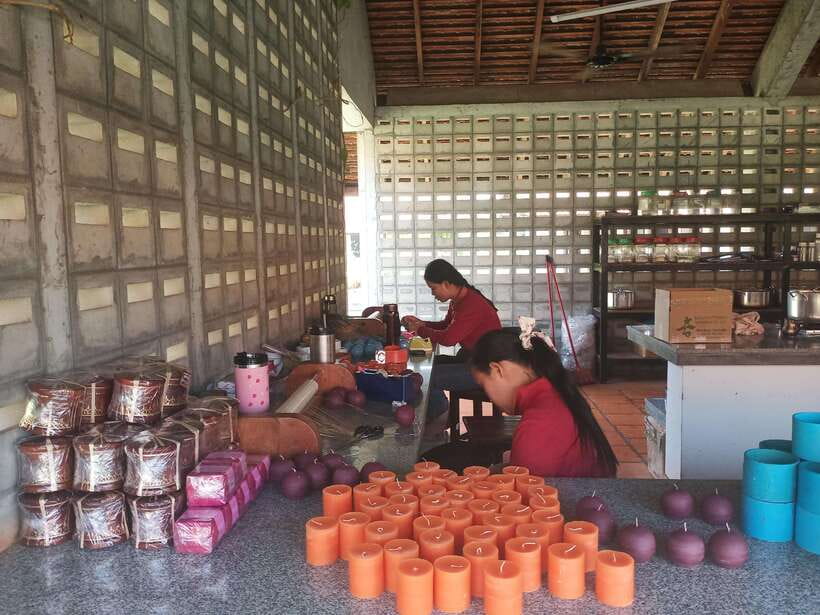
- Senteurs d’Angkor for artisanal products: a stop focused on sustainable Cambodian finds rather than mass souvenirs
- Artisan d’Angkor as a production hub: you’ll see how local handicrafts get made, not just packaged for sale
- Short, easy tuk-tuk hops: built for a half day without burning your schedule
SilkFarm: From mulberry Leaves to Woven Cloth
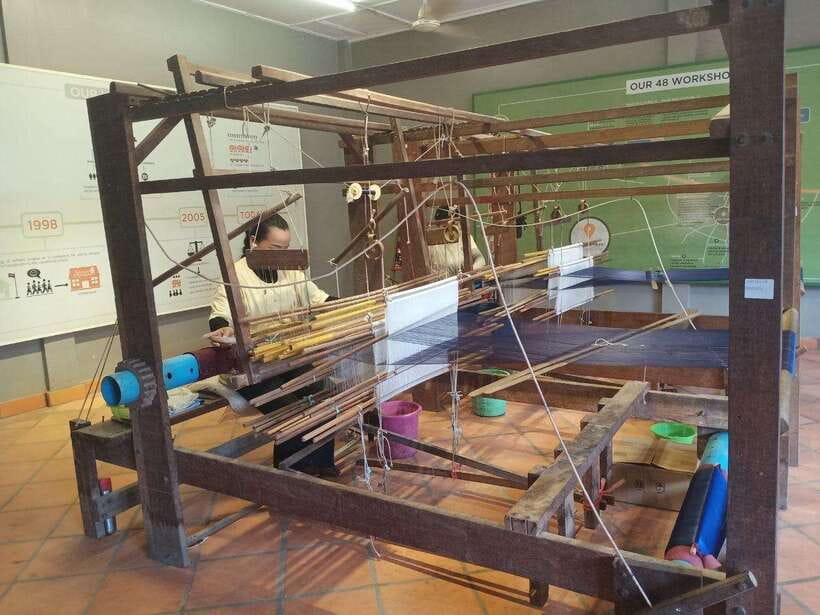
The best part of starting with a silk farm is that it resets your brain. Instead of thinking of silk as something “pretty,” you start seeing it as a process with steps, timing, and careful handling. You’ll be guided through the creation of traditional silk fabrics, starting with the mulberry trees that feed the silkworm lifecycle.
You’ll also get to see the silkworm stages up close, then follow how raw silk turns into fabric. That sequence matters. When you understand where the material comes from, the finished products stop feeling like random tourist goods and start feeling like the end result of real work. And because you’re on a short half-day tour, you get that “how it’s made” momentum without having to commit to a full day excursion.
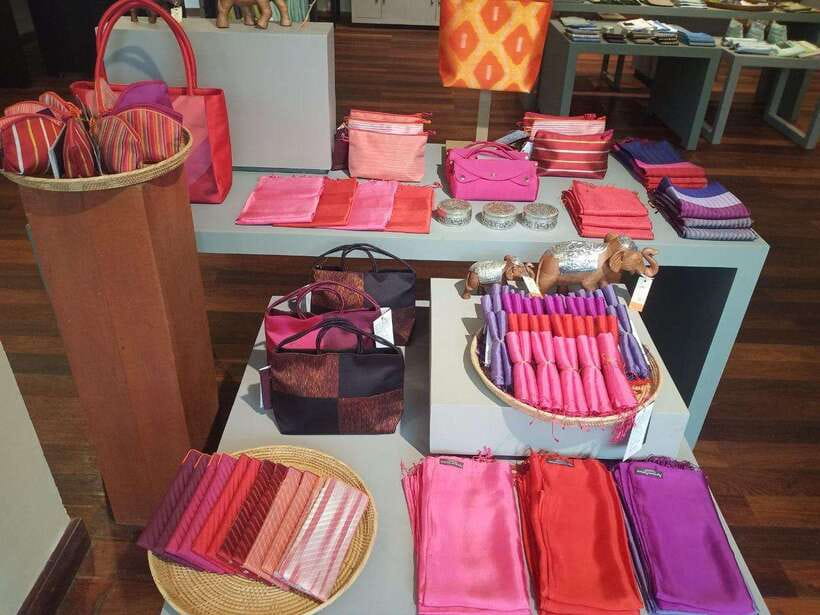
At SilkFarm, you’ll also have time for a guided walkthrough and shopping. That might sound like a common tour pattern, but here it feels more logical: you’re learning the process, then you can look for what you just understood—colors, textures, and weave quality. If you like buying with context, this is a big plus.
One practical note: even though it’s a farm setting, this isn’t described as a hike or a rugged trek. Still, you’ll be on your feet enough that comfortable walking shoes make the day easier.
You can also read our reviews of more tours and experiences in Siem Reap.
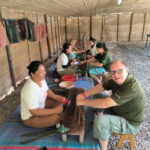

Satcha Handicraft Center and Six Bamboo Workshops
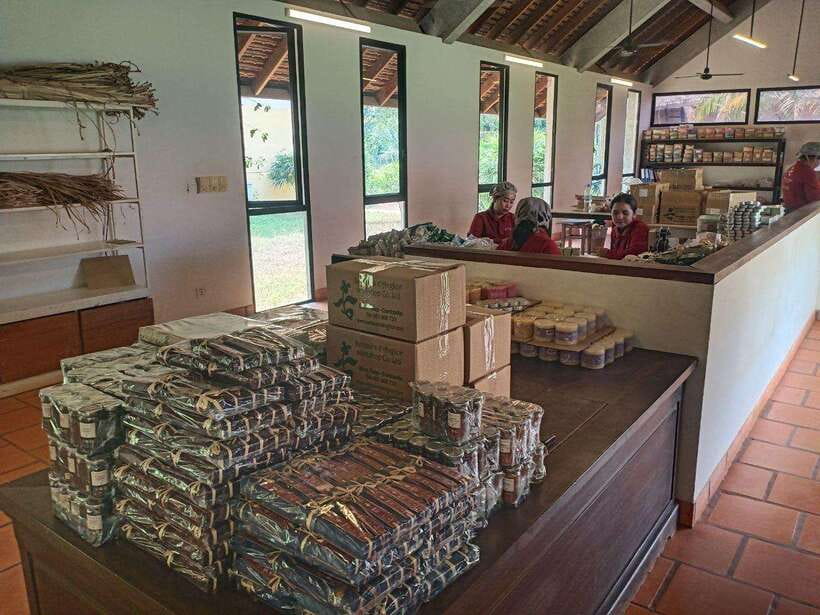
After SilkFarm, the tour shifts from agriculture to craft production. This is where I find the experience becomes more “learnable.” Satcha Handicraft Center includes 6 different workshops, so you can compare what different artisans are doing and how skills connect.
These workshops are in buildings made exclusively with Cambodian bamboo from Kampong Cham. That’s a meaningful detail. Bamboo isn’t just a construction material here—it’s part of the story of local ingenuity. Even if you don’t care much about architecture, you’ll still notice the workshop spaces are designed as dedicated work areas, not just display rooms.
The center also uses a design language that mixes contemporary layout with traditional influence: it’s described as having contemporary design inspired by Khmer ornaments. That blend is worth paying attention to. It tells you something practical about Cambodian crafts today: the goal isn’t to freeze everything in the past. It’s about keeping tradition visible while making it usable, attractive, and functional now.
Because the tour includes guided time at the workshops and also time to walk around and shop, you can do this two ways:
- If you’re there for craftsmanship, focus on watching how things are made and what tools are being used.
- If you’re shopping, use what you learned to spot differences in quality and finishing.
There’s also a photo angle here. Bamboo architecture plus workshop activity is a natural combination for pictures that look more “real” than typical souvenir shots. Just keep in mind that workshop spaces may feel busy when people are moving in and out.
Senteurs d’Angkor: Sustainable Cambodian Treasures You Can Actually Browse
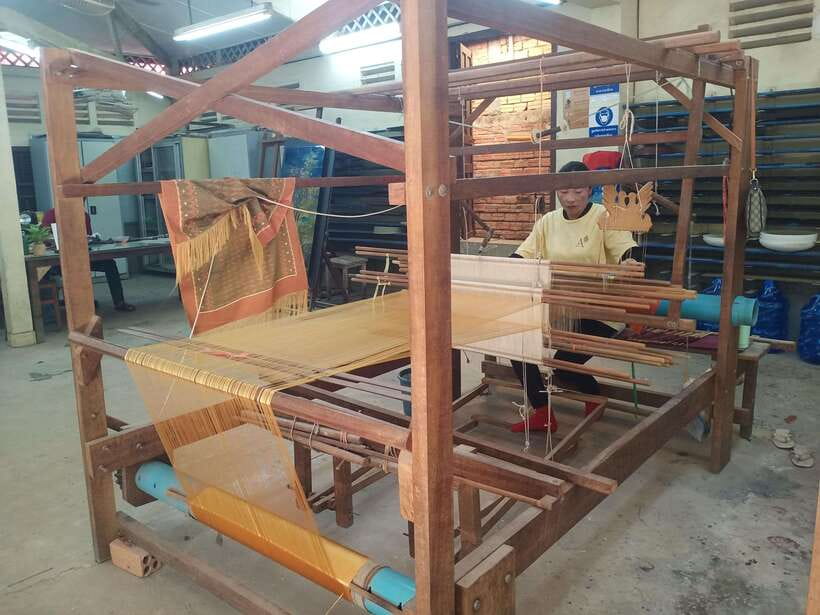
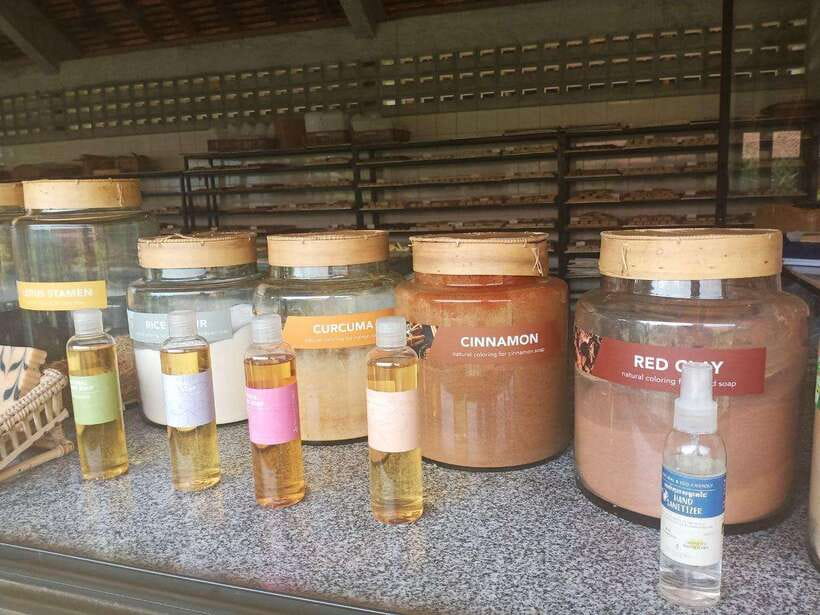
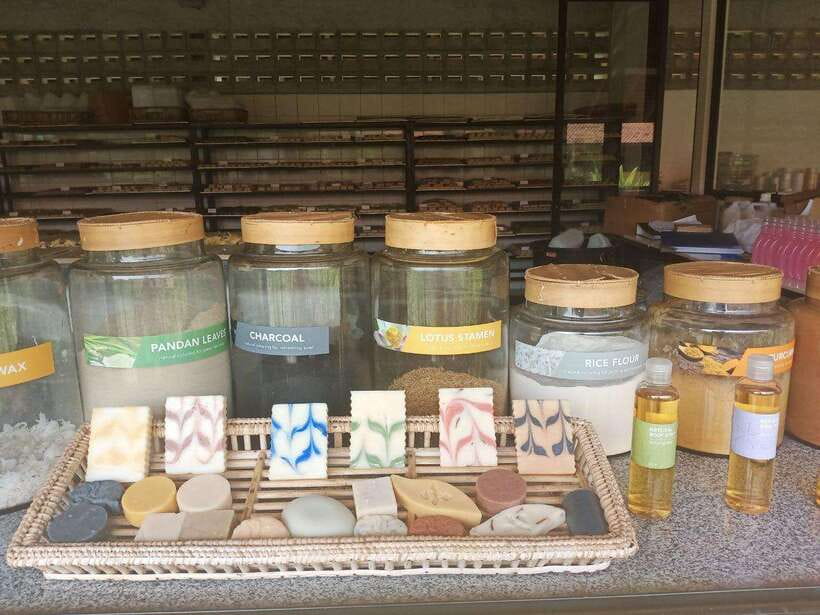
Next comes Senteurs d’Angkor, which is positioned around artisanal products and sustainable Cambodian treasures. This stop differs from the earlier ones because it’s more about selecting items than watching the entire production chain again from scratch.
If you’re the type who likes to understand a brand or a shop’s philosophy, this is a good place to slow down a little. The key phrase is sustainable treasures, and the tour description emphasizes local culture through products you can browse and choose from. That means you’re more likely to leave with items that feel tied to place, not just a generic “Cambodia” label.
This part of the day is also where you should manage your energy. You’ve already seen silk production, then moved through multiple workshop spaces. That’s mentally satisfying, but it can also make your feet tired and your brain ready for decisions. Use the time to pick one or two “worth it” items rather than trying to buy everything you see.
Also, because the tour is structured as a guided, private group experience, you can ask questions during the browse phase—what something is made from, why it’s made a certain way, or what makes one item different from another. That kind of back-and-forth turns shopping into learning, and it’s a big reason the experience gets strong ratings.
Artisan d’Angkor: Seeing Local Handicrafts Made
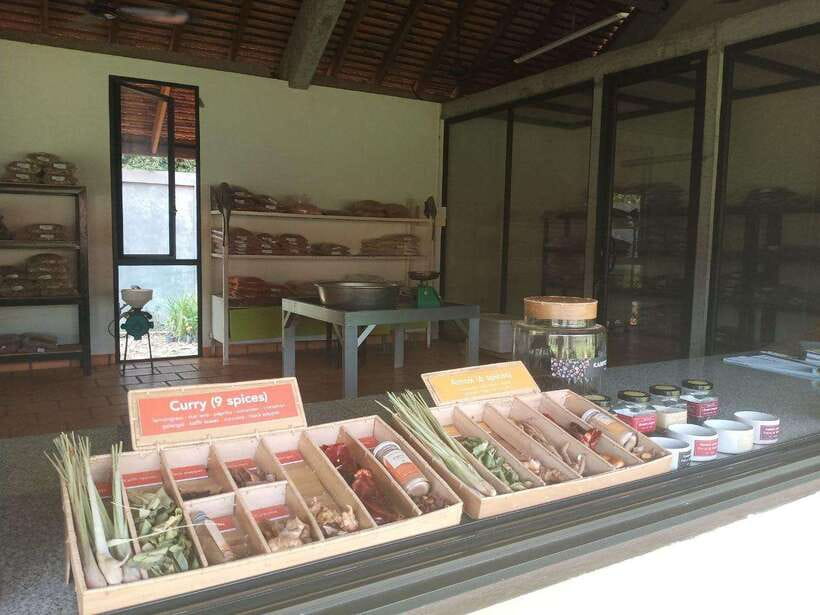
The last major production-focused stop is Artisan d’Angkor. The description is clear: this is where all local handicrafts are made. That matters because it closes the loop. Early on, you learned silk steps. Then you saw workshop-based craftsmanship. Here, you shift toward the idea of a local making hub—handicrafts as an ongoing activity, not just a one-off demonstration.
For buyers, this is often the point where your “I understand what I’m looking at” feeling can become useful. Once you’ve already walked through silk and craft workshops, you’re better at noticing details. You’ll be able to compare items based on workmanship instead of only color or price.
For non-buyers, it still works. You get a clear sense of where craft products come from and how local making is organized. That’s the kind of context that makes a souvenir feel like a story, not a bag of stuff.
You’ll also have time for guided viewing and shopping, so you can take breaks when you want. This is a half-day tour, so there’s enough structure to keep things moving, but not so much that you’re locked into a long, exhausting factory-style schedule.
Getting Around in Tuk-Tuk: How the 4 Hours Actually Flow
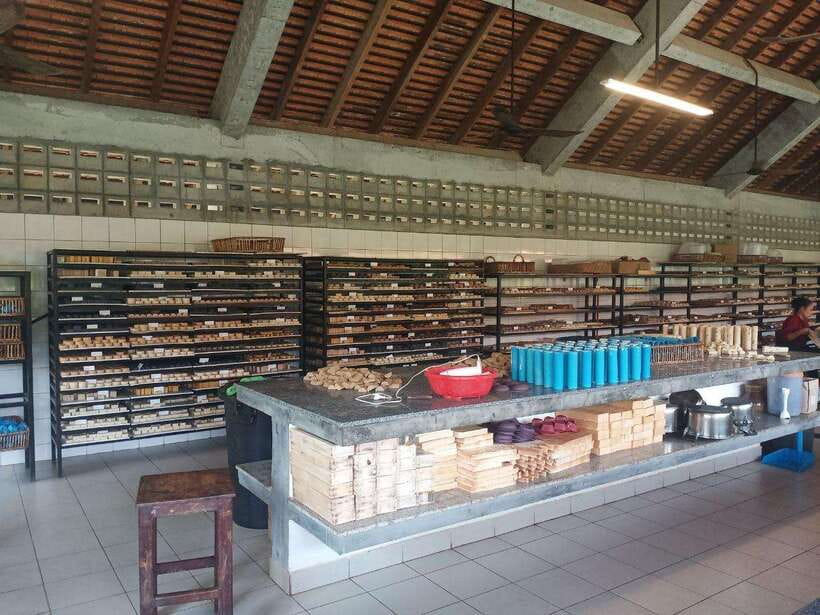
This is designed as a true half-day. You start in Krong Siem Reap with hotel pickup, then you’re taken by tuk-tuk between stops. The rides are short—around 15 minutes between key areas, plus a shorter transfer at the end—so you stay oriented and don’t lose much time to transportation.
The schedule also includes guided time at the SilkFarm stop (about 50 minutes) and similar guided time at the craft centers. There are also short photo-stop moments. That’s practical. You’re not just learning; you’re seeing places you’ll want to remember, and you’ll get a few natural chances to frame your shots.
One detail I like for comfort: the tour has an English driver and is set up as a private group. Even if you don’t speak Khmer, you can get answers without playing guessing games. Private groups also mean the pacing feels more flexible. If someone needs a bathroom break or a moment to step aside, it’s usually easier to handle than on a crowded shared bus.
You’ll also want to follow the simple rule: smoking isn’t allowed. And beyond that, the big “know before you go” items are straightforward: wear comfortable walking shoes and bring a camera.


Skip-the-Line and the Value of Time at Craft Centers
One reason this tour can feel efficient is that it includes skip-the-line access via a separate entrance. That matters in Siem Reap. Sometimes craft areas can have waiting lines, and a half-day schedule doesn’t forgive wasted time.
Instead, you spend that time where it counts: hearing explanations and watching how the work happens. For me, that’s the difference between a “tour of stops” and a “tour that teaches you something.” When you’re not stuck waiting, you absorb more during the guided segments.
Price and Who This Tour Fits Best
At $25 per group up to 2, the pricing feels built for small pairs—friends, couples, or family members who want a guided craft-focused outing without committing to a full day. If you’re traveling solo, you’ll still be in a private-group format, and you won’t have to negotiate your way through bigger crowds to get questions answered.
Meals aren’t included, so plan for that. If you’re doing this in the middle of your travel day, I’d grab something light before you go and then eat after you return. Since the tour is only 4 hours, it won’t wreck your appetite, but you’ll want to be comfortable.
So who is this best for?
- You should book if you like crafts with real context—how materials become products.
- You’ll likely enjoy it if you want to shop thoughtfully and not just for the sake of buying.
- You might skip it if you already know a lot about silk and handicrafts and prefer bigger sightseeing stops.
It’s also a solid option for rainy or very hot hours. Craft centers don’t depend on long outdoor walking, and the tuk-tuk hops keep you out of the heat between locations.
A Balanced Take: What to Watch For
The biggest potential drawback is also common to many craft-focused tours: some time is naturally spent browsing and shopping. That’s not a flaw if you came for purchases or for the feel of production-to-product, but it can be annoying if you want pure museum-style learning.
Also, because you’re visiting several craft venues close together, your brain will be collecting details fast. If you’re the type who likes slow, deep learning, consider choosing a couple standout items to focus on—silk quality at SilkFarm, bamboo workshop design and variety at Satcha, and sustainable treasure browsing at Senteurs d’Angkor. That way you keep the experience coherent instead of turning it into a blur.
Should you book this Silk Farm, Satcha, and Senteurs d’Angkor Tour?
If you want a half day in Siem Reap that feels practical and hands-on, I think this is a very reasonable pick. You get a clear silk education, a structured look at multiple bamboo workshops, and then two craft-shopping stops that tie into local making and sustainable product choices.
Book it if:
- you care about how things are made
- you want a small-group feel and an English-speaking driver
- you’d rather do craft learning than rush to another temple area
Skip or reconsider if:
- you don’t like shopping stops at all
- you’re looking for major landmark sightseeing rather than production and craft centers
- you want a longer day with fewer venues
FAQ
How long is the Half Day Trip: Silk Farm, Satcha, and Senteur d’Angkor?
The tour duration is 4 hours.
Where does the pickup and drop-off happen?
Pickup and drop-off are in Krong Siem Reap.
How much does it cost?
The price is $25 per group up to 2.
What’s included in the tour price?
Hotel pickup and drop-off, visits to Silk Farm, Senteur d’Angkor, Satcha Handicraft Center, and Artisan d’Angkor.
Are meals included?
No, meals are not included.
Does the tour offer English support?
Yes. The driver is English, and the tour language is English.
Is there a separate entrance or skip-the-line access?
Yes, it includes skip the line through a separate entrance.
Is smoking allowed during the tour?
No, smoking is not allowed.
If you want, tell me your travel dates and whether you’re shopping for gifts, and I’ll suggest what to prioritize at each stop so you don’t end up with a bag of “maybe” items.