REVIEW · ACCRA
Day Trip Near Accra – Visit Aburi Gardens, Waterfall & Cocoa Farm
Book on Viator →Operated by Vince · Bookable on Viator
Aburi feels like a break in one day. This Aburi trip from Accra swaps city noise for cooler hill air, guided stops at the gardens, the cocoa farm, and Oboadaka Falls, with Vince keeping everything organized and easy.
I love the Aburi Botanical Gardens for the calm walking paths and the mix of native and exotic trees, plus the orchids and shade that make the morning feel like a reset. I also like the Tetteh Quarshie cocoa farm stop because you get the real story of Ghana’s cocoa roots—plus you can still see original trees that are still fruiting.
The one thing to think about: you’ll be moving on and off for about 4 to 5 hours, and the falls part includes stair steps going downhill, so comfortable shoes help.
In This Review
- Key highlights you’ll care about
- Getting out of Accra fast, and why Aburi feels cooler
- Vince and the value of a guide who actually explains
- Aburi Botanical Gardens: trees, orchids, and conservation lessons
- Tetteh Quarshie Cocoa Farm: the 1879 story behind your chocolate
- Aburi Craft Village: where the souvenirs end up worth it
- Oboadaka Falls: the stair descent, the spray, and the sound
- Traditional lunch buffet and finishing strong
- Price and logistics: what $179 buys you
- Who should book this Aburi day trip
- Should you book the Aburi Gardens, Cocoa Farm, and Falls trip?
- FAQ
- How long is the Aburi trip near Accra?
- What does the tour cost?
- Do you get pickup from Accra and a drop-off after the tour?
- What stops are included during the day?
- What time does the tour run?
- Are tickets included?
- Is this a private tour?
- Can I cancel and get a full refund?
Key highlights you’ll care about
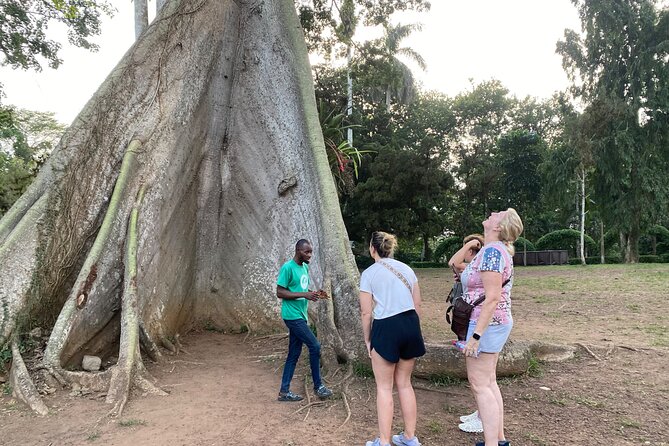
- Vince guides the whole day, and his professionalism makes solo travel feel straightforward and safe
- Aburi Botanical Gardens: a mix of palms, African mahogany, orchids, and conservation-focused learning
- Ghana cocoa history at Tetteh Quarshie (1879), including original cocoa trees still bearing fruit
- A craft village stop where artisans work and you can shop for souvenirs at the end of the day
- Oboadaka Falls with a stair descent to the plunge pool, plus the spray-and-songbird atmosphere
- Traditional lunch buffet at the end, with hotel drop-off back in Accra
Getting out of Accra fast, and why Aburi feels cooler
Aburi sits northeast of Accra in Ghana’s Eastern Region hills, and the altitude makes a noticeable difference. You feel it right away: less heat, more breeze, and a day that shifts from traffic and noise to birdsong and shade.
This is the kind of outing that makes sense when you have limited time but still want a real change of scenery. You’re not just driving past views. You’re doing short guided stops that each have a theme: nature, cocoa history, crafts, and then a waterfall payoff.
And because it’s a private tour, you’re not stuck waiting for a big group to find the same bathroom line. It stays efficient, especially with Vince running the day in a calm, professional way.
You can also read our reviews of more tours and experiences in Accra.
Vince and the value of a guide who actually explains
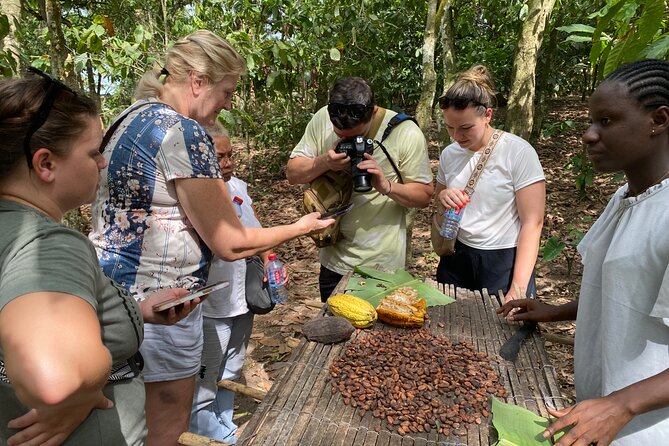
A big part of why this day works is the guide. Vince isn’t just along for the drive—he’s there to make the stops make sense.
That matters in places like a botanical garden and a cocoa farm. Without context, you end up taking photos and moving on. With a guide, you understand why certain trees matter, what conservation means in this setting, and how cocoa became part of Ghana’s story. Solo travelers also get a lot of comfort from this style. If you’re in Accra alone and don’t want to gamble on finding your way, this format keeps you in safe, clear hands.
I like that the pace feels intentional. You’re not rushed from one stop to the next just to hit a checklist. The day flows so you can actually enjoy each place.
Aburi Botanical Gardens: trees, orchids, and conservation lessons
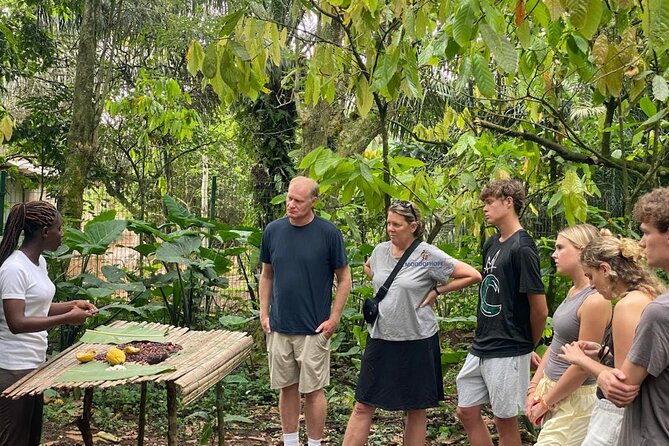
The botanical gardens are the first big reset. The walking trails wind through lush greenery, and you get that shaded, cooler feel that makes Aburi different from coastal Accra.
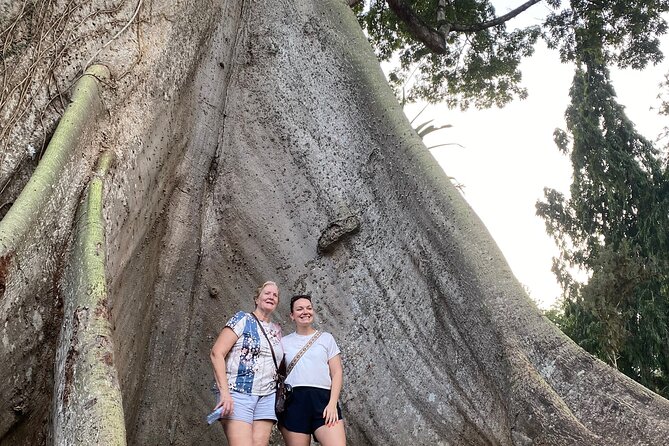
What I like here is the mix: towering palms and African mahogany create dappled shade, while delicate orchids can hang overhead. The guided part isn’t only about names of plants. You also learn why biodiversity and conservation matter, and how a garden can act like a living classroom.
It’s also a good stop for different ages and interests. If you love nature, you’ll appreciate the tree variety and peaceful pace. If you just want a break from constant city movement, this hour is gentle and restorative.
Practical tip: bring sunglasses and water. Even with cooler air, you’ll still spend time outdoors walking under trees that filter light in a way that can feel bright.
Tetteh Quarshie Cocoa Farm: the 1879 story behind your chocolate
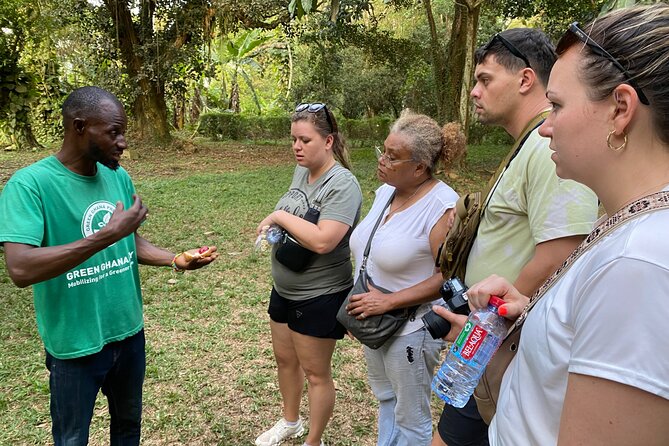
Next comes the cocoa farm in Akuapim-Mampong. This is where the day turns from plants to people and trade—how Ghana became known for cocoa and why it matters.
The farm is tied to Tetteh Quarshie, a blacksmith who is credited with introducing cocoa to Ghana in 1879 after returning from Fernando Po (modern-day Equatorial Guinea). That origin story can have speculation around the beans, but the farm itself is a strong historical marker of Quarshie’s legacy.
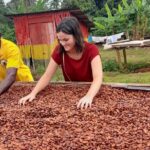
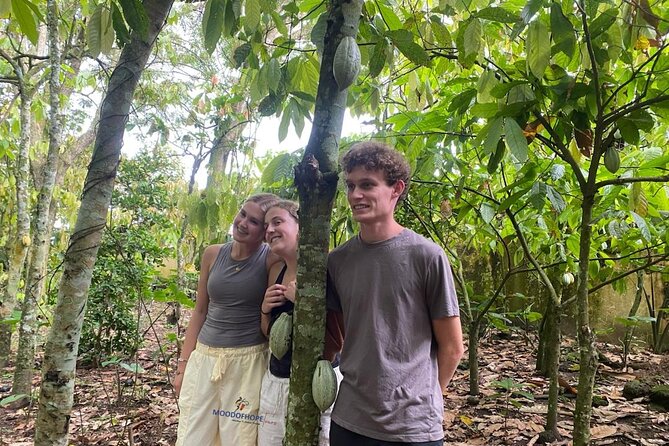
What makes this stop especially memorable is the presence of original cocoa trees—two of them—over 145 years old, and still bearing fruit. That’s not the kind of detail you forget after one photo. It makes the topic feel real, not like a museum label.
This is also a “you learn while you look” stop. You’ll come away with a better sense of how cocoa cultivation connects to Ghana’s identity today, and why a farm like this is worth visiting even if you already know what chocolate is.
Admission here is free for this experience, and the stop lasts about an hour, so you get the story without losing the rest of your day.
Aburi Craft Village: where the souvenirs end up worth it
After cocoa, the craft village is a helpful shift. By the time you reach it, you’ve got fresh context from nature and agriculture. Now you’re moving into hands-on culture.
At Aburi Craft Village, skilled artisans create intricate pieces, and you can purchase souvenirs directly. I like that the shopping happens after the more educational stops. You’re not scrambling to buy things while your brain is still processing plants and waterfall routes.
This is the part of the day that lets you take a small piece of the region home—especially if you prefer crafts made by people rather than mass-produced items that look the same in every shop.
Tip: if you’re price-sensitive, you’ll usually have more confidence shopping at the end of the tour rather than at the start when everything feels new and unfamiliar. You’ll know what you want.
Oboadaka Falls: the stair descent, the spray, and the sound
Then you head to Oboadaka Falls, about a 20-minute drive from the botanical gardens. This stop is all atmosphere.
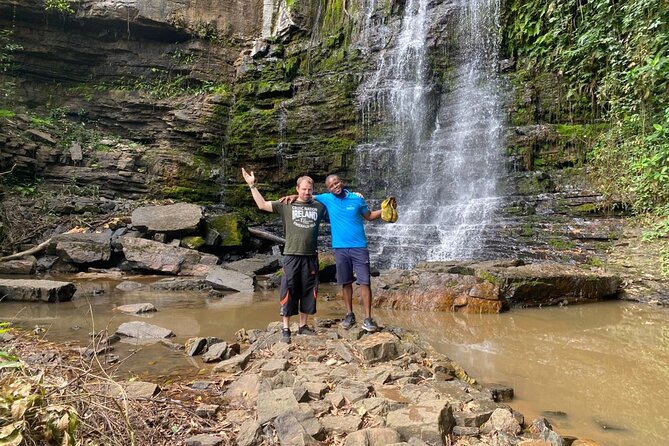
The waterfall experience includes songbirds and the smell of pine-like trees, plus the splash-and-roar sound as you get closer. The falls drop in a series of steep steps over rock, and you descend slowly toward the plunge pool.
One detail I think matters: Oboadaka is estimated at about 623 feet above ground level. That’s not just a number. When you’re down in it, you feel how high and powerful it is—especially as the water breaks into mist.
There’s a stair descent, so plan for a little effort. If you’re comfortable walking downhill and wearing shoes with grip, you’ll enjoy it. If you’re not, this still might be doable, but it’s the one part where you’ll want to pace yourself.
Traditional lunch buffet and finishing strong
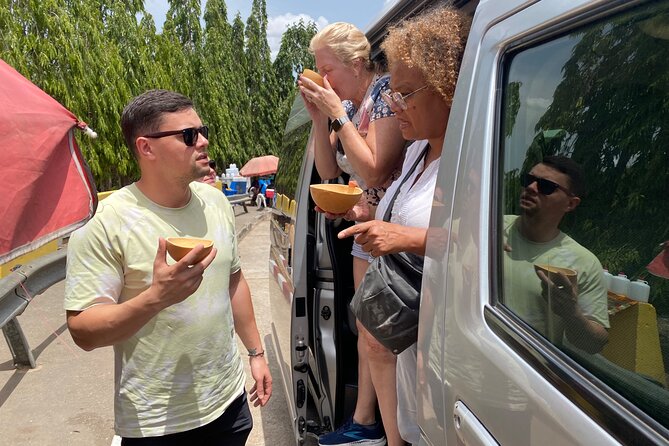
The day ends with a traditional lunch buffet and then hotel drop-off. This is a smart design choice.
After hours outside—walking garden paths, learning about cocoa, and descending to see the falls—you’ll want food that feels local and easy to eat without overthinking it. A buffet also gives you flexibility. You can go back for seconds if you’re hungry, or keep it light if your appetite is more “after-the-walk” than “big feast.”
I also like that lunch comes after the craft village. It keeps your souvenir shopping relaxed and doesn’t swallow your best energy for the day.
Price and logistics: what $179 buys you
At $179 per person, this isn’t a bargain-basement outing. But it can feel like good value because you’re getting a full Aburi circuit in half a day: gardens, cocoa farm, craft village, and waterfall, plus a traditional buffet lunch.
A big part of the value is the guide-led structure. You’re not just paying for transport. You’re paying for context, time management, and a route that actually fits together. The experience is also private, so you don’t waste time negotiating a group’s pace.
You’ll also get pickup offered and hotel drop-off at the end, which cuts down on the hardest part of day trips: figuring out where to be and when.
The mobile ticket format helps too, since you’re not hunting for paper tickets. And since confirmation happens at booking, the experience is set before you arrive.
Timing-wise, the activity runs daily from 8:00 AM to 5:00 PM. Your exact start time will depend on the schedule, but you’re working within that window.
Who should book this Aburi day trip
This is a great fit if:
- You want a short day trip that feels real, not a rushed drive-by
- You like nature, but you also want cultural and food-related context
- You’re traveling solo and want a guide who makes you feel welcome and safe
- You enjoy learning with clear explanations, especially around cocoa history
If you only want one highlight and don’t care about the others, you might find the schedule a bit full. But if you like a “four-stop day” where each place has a different theme, this works well.
Should you book the Aburi Gardens, Cocoa Farm, and Falls trip?
Yes, if you want an organized half-day that swaps Accra’s heat and motion for Aburi’s cooler hills and hands-on learning. I’d book it when you value a guide who explains, because that’s what turns the day from scenic into memorable.
If you’re sensitive to stairs or you prefer very slow travel, then keep the falls stop in mind and plan your footwear and pace accordingly. But for most people, this is one of those day trips where the details add up: gardens you can walk through comfortably, cocoa history you can actually see, crafts you can shop at the right moment, and a waterfall that delivers a real sense of scale.
FAQ
How long is the Aburi trip near Accra?
The experience lasts about 4 to 5 hours.
What does the tour cost?
It costs $179.00 per person.
Do you get pickup from Accra and a drop-off after the tour?
Pickup is offered, and the tour ends with hotel drop-off.
What stops are included during the day?
You’ll visit Aburi Botanical Gardens, the Tetteh Quarshie cocoa farm in Akuapim-Mampong, Aburi Craft Village, and Oboadaka Falls. The day also includes a traditional lunch buffet.
What time does the tour run?
The tour is available daily from 8:00 AM to 5:00 PM.
Are tickets included?
Admission is included for Aburi Botanical Gardens and Aburi Craft Village, and admission is included for the Oboadaka Falls stop. The cocoa farm admission is listed as free. The tour also uses a mobile ticket.
Is this a private tour?
Yes. Only your group participates.
Can I cancel and get a full refund?
Yes. You can cancel up to 24 hours in advance for a full refund.