REVIEW · ACCRA
1 Day cocoa farm tour
Book on Viator →Operated by Happy eagle tourism management · Bookable on Viator
Chocolate starts with shade. This 1-day cocoa farm tour from Accra takes you to Asamankese to see how Ghana’s most famous cash crop is grown, harvested, and processed. You’ll get the farm rhythm, not a staged demo, plus a chance to learn why cocoa matters far beyond the chocolate bar.
My favorite part is the canopy walk under cocoa trees. In the best moments, you’re hearing the farm sounds up close and seeing the steps that turn pods into the beans you recognize. I also like that lunch and snacks are included, so the day feels complete instead of rushed.
One thing to plan for: the tour’s timing starts early, around 7:30 am, and it needs good weather to run. If rain changes the schedule, you’ll have to be flexible.
In This Review
- Key highlights I’d bet on
- Cocoa farm reality: what you’ll actually see in Asamankese
- Price and private-guide value for a 1-day cocoa outing
- 7:30 am from Fantail Street: timing, pickup, and what to plan
- Inside the cocoa canopy: pods, husking sounds, and drying to beans
- Rural way of living in Ghana: the cash crop beyond the farm gate
- Lunch, snacks, and cocoa tasting that connects to what you saw
- Why an older cocoa farm visit feels different
- Good-fit checklist: who should book this cocoa farm tour?
- Should you book this cocoa farm tour from Accra?
- FAQ
- How long is the cocoa farm tour?
- What time does the tour start, and where do I meet?
- Is pickup included?
- What’s included for food?
- Is this a private tour?
- How much does the tour cost?
- What happens if the weather is bad?
Key highlights I’d bet on
- Private, group-only guide for a more personal pace and questions
- Asamankese farm stop focused on local history and the farm’s setting
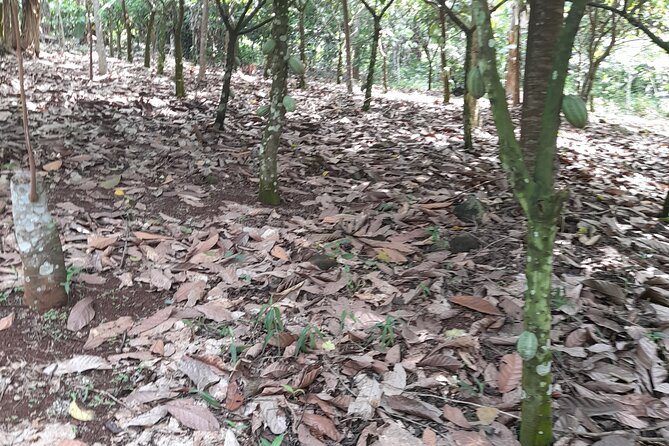
- Canopy walk experience walking among cocoa trees in shade
- Harvesting and drying process seen step-by-step, from pods to beans
- Lunch and snacks included so you’re not hunting food mid-tour
- Cocoa tasting included, so you can connect flavor to process
Cocoa farm reality: what you’ll actually see in Asamankese
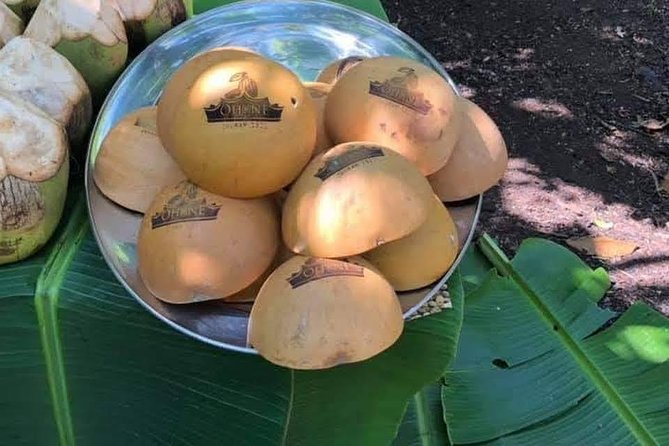
This tour is built around one simple idea: chocolate doesn’t begin in a factory. It begins on a farm, in the shade, with careful work done day after day. In Asamankese, you’ll be shown the day-to-day practices that keep cocoa moving from living plants to dried beans.
The tour also leans into Ghana’s bigger story. Cocoa is a major cash crop, and you’ll hear how that role shows up in rural livelihoods and the economy. Even if you’re not a farming nerd, you’ll start noticing the logic behind what you’re seeing: shade management, harvesting timing, and the drying steps that protect quality.
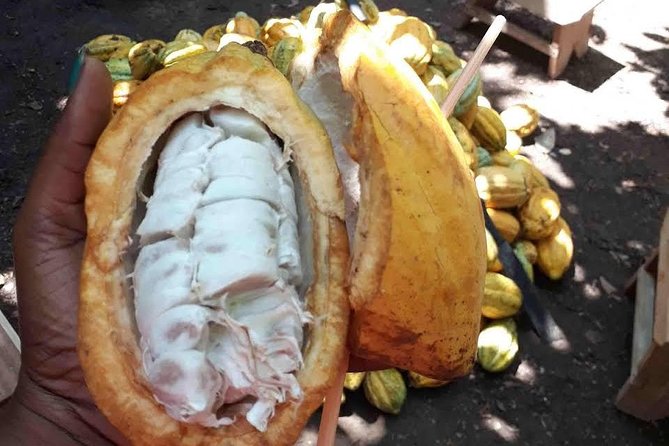
And yes, you’ll get more than just beans. The farm experience includes a look at other cocoa products that you may not find in the usual urban markets—things that help you connect cocoa farming to what ends up in everyday life.
You can also read our reviews of more tours and experiences in Accra.
Price and private-guide value for a 1-day cocoa outing
The price is $349.94 per person for about 6 hours 30 minutes, and it’s typically booked around 5 days in advance. That’s not “cheap,” especially compared to mass tours. But it can be good value if you care about explanation, pace, and hands-on moments.
Here’s where the cost can make sense:
- You get a private tour, meaning just your group with a dedicated guide instead of a big crowd.
- Lunch and snacks are included, so a big part of the “real spending” is already handled.
- Pickup is offered, which matters when you want a smooth start without figuring out local transport for a half-day journey.
The trip also has strong social proof: a 4.7 rating from 11 reviews and a 100% recommendation rate. That doesn’t guarantee your experience, but it does suggest people consistently come away feeling they learned something real and left satisfied.
7:30 am from Fantail Street: timing, pickup, and what to plan
Your tour start is 7:30 am, with the ticket redemption point at Fantail Street, Fantail St, Accra, Ghana. Pickup is included, so you shouldn’t have to navigate the start point alone—still, it’s smart to be ready a bit early, since farm days don’t wait for late arrivals.
Because this is a countryside outing, you’ll want to think like a field visitor, not a city sightseer. Wear something you can move in and expect to get a little dusty. Comfort beats style here. Also, since the tour requires good weather, you should keep your day flexible in the lead-up—especially if you’re only in Accra for a short window.
One more practical note: the farm portion is long enough that you’ll feel it by mid-tour. That’s exactly why the included lunch and snacks matter. They keep your energy steady while you’re absorbing the process.
Inside the cocoa canopy: pods, husking sounds, and drying to beans
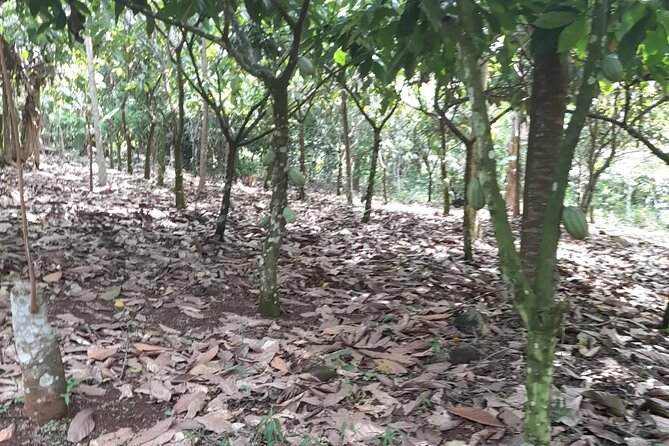
The most vivid part of the experience is how close you get to cocoa as a plant, not a product. There’s a strong chance you’ll do some walking under the cocoa trees, where the shade changes the whole feel of the farm. One review highlighted the ambience of being under the canopy and described how the sounds of husking dried leaves made the day feel exciting and real.
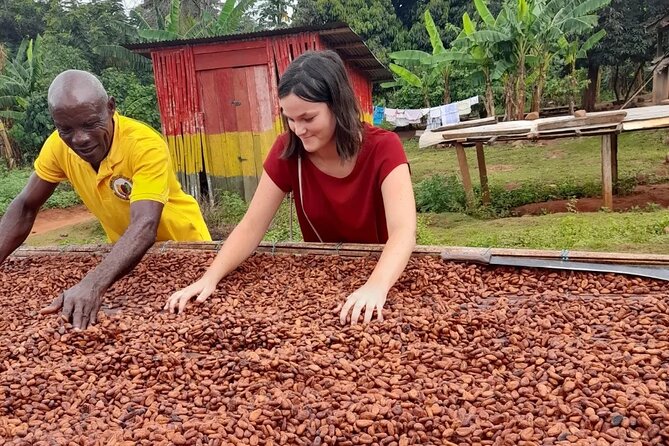
On the farm tour, the big “how it becomes chocolate” story is tied to what happens after pods are harvested. You’ll see how cocoa is harvested and then how it’s processed—especially the drying steps that help transform what’s inside the pod into the beans used later for chocolate production. The goal isn’t to overwhelm you with technical terms. It’s to show the sequence, so the final product you buy makes logical sense.
If you’re trying to understand cocoa quality, this is where it clicks. Drying isn’t just a random step—it’s part of how farmers protect the beans before they reach buyers. Seeing the work firsthand gives you a better sense of why farmers are careful and why the timing matters.
Rural way of living in Ghana: the cash crop beyond the farm gate
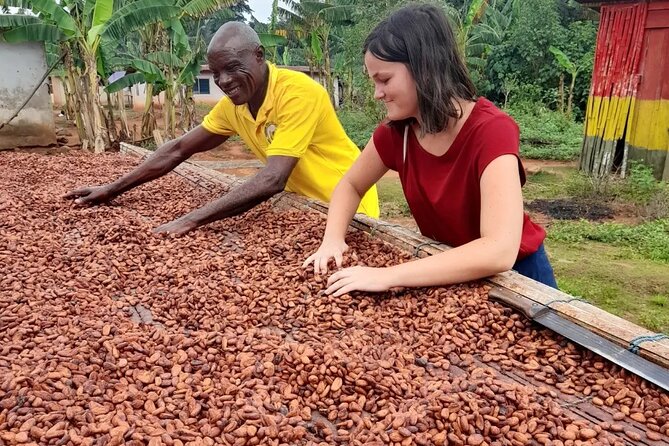
This tour isn’t only about plants. It’s also about people and place. You’ll learn about the rural way of living connected to cocoa farming—how daily routines, seasonal work, and farm decisions link back to Ghana’s economy.
The key value here is perspective. Cocoa might look like just another agricultural product, but in Ghana it’s an income engine. When your guide connects farm practices to the broader system—sales, livelihoods, and the importance of the crop—you start viewing chocolate as a supply chain built on real human work.
You’ll also visit a farm in Asamankese, and part of the stop includes history and the beauty of the area. That means you’re not only walking through production steps. You’re also getting a sense of the town’s setting and why this specific farming region matters.
One review singled out the guide for being patient and adding extra attractions without extra payment. Another review praised a guide named Bless as friendly and well informed. That matches what you want from a private guide: calm explanations, room for questions, and a sense that the farm story is being shared—not just “managed.”
Lunch, snacks, and cocoa tasting that connects to what you saw
Food can make or break long tours. Here, lunch and snacks are included, which keeps the day from turning into a hangry sprint between viewpoints.
Even more important, the tour includes a chance to try cocoa. That matters because tasting is the fastest way to connect your senses to the process you’ve just been shown. You’ll likely finish with a better mental link between what you saw—harvest and drying—and what you experience on your tongue.
I also like that the tour doesn’t treat tasting like a gimmick. It’s part of the story. When you try cocoa after learning how it’s worked through the farm stages, you don’t just taste something new—you understand where it fits.
Why an older cocoa farm visit feels different
The tour includes a visit to one of Ghana’s oldest cocoa farms. That detail matters because older farms often reflect accumulated local know-how: how people manage shade, harvest timing, and processing in the rhythms that work for that region.
This is also where you get the “farm day” feeling. Newer setups can still be educational, but older farms have an added layer of context. You’re seeing not just production, but how cocoa farming has been woven into the landscape and routines over time.
The stop in Asamankese includes admission ticket free, which is a small but helpful detail. It means you’re not paying extra just to enter the farm experience part of the day. Practically, it keeps the “what am I paying for?” question simpler.
Good-fit checklist: who should book this cocoa farm tour?
This tour fits best if you want a grounded, no-nonsense experience with real learning. It’s especially good for:
- Food travelers who care about origin stories you can see with your eyes
- People who like asking questions and getting tailored explanations from a private guide
- Anyone who wants a structured way to understand cocoa’s role in Ghana, not just a quick photo stop
It may feel less perfect if you hate early starts or you get grumpy in wet weather. Since the tour needs good weather, you should plan for the possibility of rescheduling.
Also, because the day is farm-focused and fairly active, bring yourself as if you’re visiting working land. Comfortable shoes and patience will make the biggest difference.
Should you book this cocoa farm tour from Accra?
I’d book it if your goal is to understand cocoa beyond packaging. The combo of private guiding, a canopy walk, and seeing the real harvesting and drying process makes this one of the more meaningful farm tours you can do from Accra. Add in included lunch, snacks, and cocoa tasting, and you get a full day that doesn’t leave you scrambling for basics.
I’d think twice if your schedule is tight and you don’t have flexibility for weather changes. But if you can handle a countryside day and you want something authentic and practical, this tour is a strong choice—especially with the consistently high rating and recommendation level.
FAQ
How long is the cocoa farm tour?
The tour lasts about 6 hours 30 minutes.
What time does the tour start, and where do I meet?
The start time is 7:30 am. The ticket redemption point is Fantail Street, Fantail St, Accra, Ghana.
Is pickup included?
Yes, pickup is offered.
What’s included for food?
Lunch and snacks are included. The tour also includes a chance to try cocoa.
Is this a private tour?
Yes. It’s a private tour/activity, and only your group participates.
How much does the tour cost?
The price is $349.94 per person.
What happens if the weather is bad?
The experience requires good weather. If it’s canceled due to poor weather, you’ll be offered a different date or a full refund.