REVIEW · SARDINIA
Cagliari Olive Oil Farm & Tasting (Since 1600, 20 Minutes Away)
Book on Viator →Operated by Sa mola de su notariu - Museo dell'olio · Bookable on Viator
Olive oil gets a real Sardinian education. Near Cagliari, this Sa Mola de su Notariu visit pairs a living olive-oil story with a guided tasting of three bestselling EVO styles, plus food and wine. I like how hands-on it feels, because you’re not just looking at bottles—you’re getting shown how the oil is made and then tested on the palate.
One thing to consider: it’s scheduled in set time slots and runs on good-weather conditions, so you’ll want to pick a time you won’t mind shifting plans around. Also, at $66.26 per person, it’s best for people who genuinely want to learn tasting basics and bring home bottles, not just snack and stroll.
In This Review
- Key Highlights You’ll Care About
- Where This Olive Oil Farm Experience Fits in Sardinia
- Museum Start: Sa Mola de su Notariu and the 400-Year Timeline
- Live EVO Mill Production Tour: Watching the Process, Not Just Reading It
- The 3-Oil Guided Tasting: Olio Del Tempio, Limolio, and Rogo del Tempio
- The Meal Pairing: Sardinian Ingredients That Help You Taste Better
- Buying Direct: 20% Off and How to Choose What to Take Home
- Price, Group Size, and Timing: Getting Real Value for $66.26
- Who This Works Best For (and Who Might Skip It)
- Should You Book This Olive Oil Farm & Tasting?
- FAQ
- How long is the olive oil masterclass?
- Where does the tour start?
- Is the tour offered in English?
- How many people are in a group?
- What olive oils do you taste?
- Is there food and wine included?
- Can I buy olive oil to take home, and do you offer a discount?
Key Highlights You’ll Care About
- Sa Mola de su Notariu museum with about 400 years of family history
- A guided tasting focused on 3 specific oils: Olio del Tempio, Limolio, and Rogo del Tempio
- Underground oil cistern with ancient oil lamps, which adds real “this is old” context
- A small-group experience with a cap of 10 travelers, so questions actually get answered
- Buy direct on-site with a 20% discount on your favorite EVO bottles
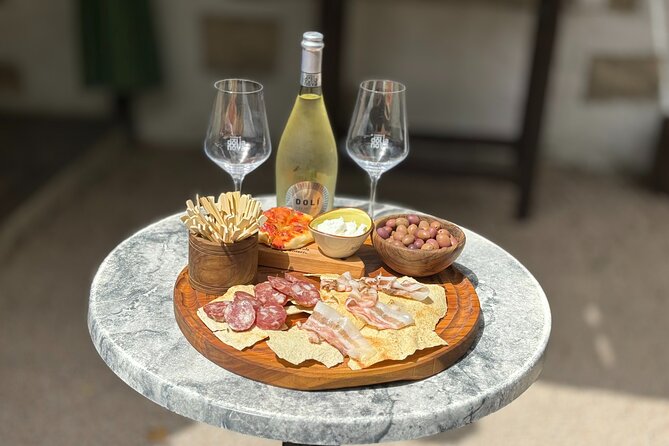
- Food pairing that matches the oils: cured Sardinian meats, sparkling wine, olives, and carasau bread
Where This Olive Oil Farm Experience Fits in Sardinia
Cagliari is the place most people base themselves, but the real olive-oil story is a bit outside the city. This outing takes you to Dolianova area farm territory—about 20 minutes from Cagliari—where extra virgin olive oil is treated like a craft, not an afterthought.
The format is simple: you start with museum time, you move into the production story, then you finish with tasting and pairing. That structure matters because it gives you a quick mental map. You see what the family has done for generations, learn how production works, then taste the results with food that’s meant to make the differences easier to notice.
What I like here is that the tasting is built around the kinds of oils you’ll actually use at home. One is classic EVO (smooth and versatile), one is infused with lemon (great for seafood and salads), and one brings heat with a blend of herbs (made to stand up to grilled meats and pizza). If you’ve ever wondered why olive oil tastes different from bottle to bottle, this tour is the kind that gives you a practical way to think about it.
And yes, the setting is part of the point: there’s a museum component and even an underground oil cistern with ancient lamps, which makes the whole experience feel rooted in real agricultural life—not just a showroom.
You can also read our reviews of more tours and experiences in Sardinia.
Museum Start: Sa Mola de su Notariu and the 400-Year Timeline
Your experience starts at Sa mola de su notariu Oil Museum and Olio del Tempio (Viale Europa, 18, 09041 Dolianova SU). The museum portion is designed to get you oriented fast.
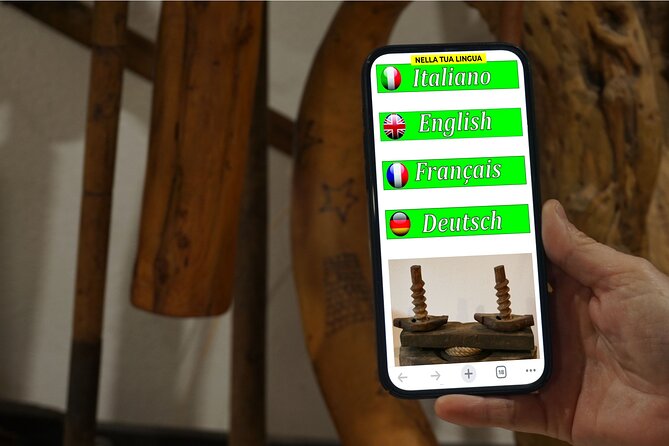
You’ll see the story told through museum-style material—boards, photos, and production-related information—plus the kind of guided explanation that connects tools and process to the people who used them. The museum is tied to a family history described as reaching back four centuries, which helps the visit feel grounded. It’s not only about modern branding. It’s about survival, repetition, and passing knowledge along.
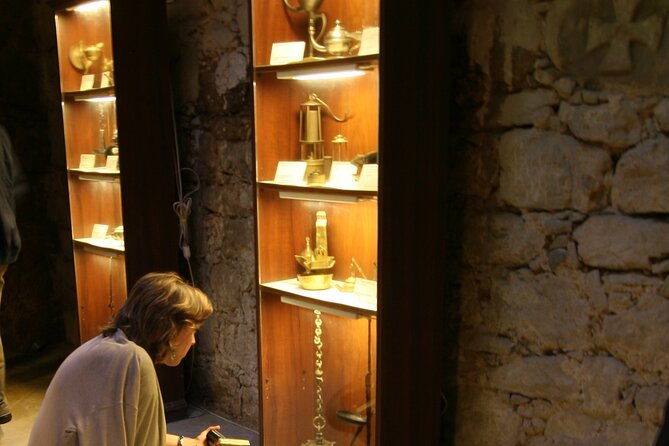
Even better, you don’t just stay above ground. The experience includes time with an underground oil cistern and ancient oil lamps. That’s the sort of detail that makes your brain stop treating olive oil like a generic pantry item. In plain terms, it shows that oil storage and oil production were once serious, practical technology—built into the landscape, not just printed on labels.
Practical tip: if you’re the type who likes questions, this is a good moment to ask how producers decide what becomes extra virgin and what makes a bottle taste better to you. The tour is set up so you’ll get talking time, not just passive listening.
Live EVO Mill Production Tour: Watching the Process, Not Just Reading It
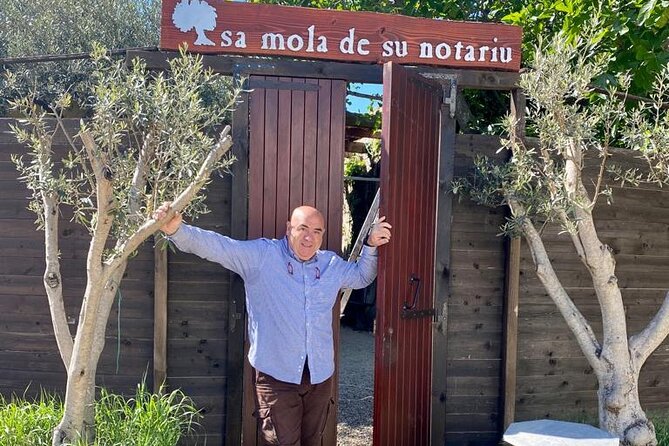
After the museum, the tour shifts into the production side with a live EVO mill production tour. This is where you’ll see the steps behind extra virgin olive oil—the path from olives to what ends up in your glass.
This part matters because tasting works better when you understand the “why.” Olive oil flavor is not random. It’s connected to how olives are handled and processed. The guide also frames the museum materials and production info so the story feels consistent rather than like separate activities glued together.
Also, because the group size is limited to up to 10 travelers, you’re more likely to get your questions answered without rushing. That makes a difference if you’re trying to learn the basics of how to recognize a good bottle and not just drink through a flight.
If you’re food-minded, pay attention during the mill portion to what makes an olive oil taste clean and balanced to you. The goal isn’t to memorize technical terms. It’s to leave with a way to evaluate what you buy later.
The 3-Oil Guided Tasting: Olio Del Tempio, Limolio, and Rogo del Tempio
The tasting is guided and built around three bestsellers, and that’s a smart choice because it covers three different styles of use.
You’ll taste:
- Olio del Tempio (extra virgin olive oil)
- Limolio (olive oil plus lemon), especially good with seafood, salads, and fish carpaccio
- Rogo del Tempio (a spicy olive oil made with 9 Sardinian herbs), ideal for grilled meats, pizza, and pecorino cheese
I like this lineup because it shows olive oil as a flavor tool, not only a drizzle. The lemon oil teaches you how citrus notes can brighten a dish. The herb-and-spice version shows you how olive oil can act like a seasoning, the way hot olive oil or chili oil does in other regions—but with Sardinian character.
Food pairing is part of the tasting logic, too. You won’t just taste oils alone and guess what they pair with. You’ll eat alongside them, which makes the differences easier to remember later.
Tasting pace note: this is set up as a masterclass-style session (about 90 minutes), but the overall activity is listed as about an hour. Either way, expect a focused block rather than a long, wandering farm day. It’s ideal if you want a meaningful experience without losing half your day.
The Meal Pairing: Sardinian Ingredients That Help You Taste Better
Food here isn’t an add-on. It’s part of the tasting education.
Your sample menu includes:
- Starter: extravirgin olive oil
- Stuzzichini
- Tagliere con olive, salumi e pane carasau (olives, cured meats, and carasau bread)
- Fresh goat cheese served with Limolio
- Pizzette served with Rogo del Tempio (the spicy herb oil)
You also get sparkling wine as part of the pairing. That matters because bubbles and acidity can refresh your palate between tastings, so the flavors don’t blur together.
Here’s the practical value: after you taste three oils and eat matching foods, you’ll start connecting flavors the way locals do. You’ll know which bottle works on salad, which one boosts seafood, and which one turns a simple pizza or cheese into something more intense. That’s the real takeaway if you buy oil to use at home, not only to collect.
And if you’re picky about food, don’t worry—this is Sardinian comfort cooking, not complicated haute cuisine. You’re eating items that fit naturally with olive oil flavors: bread, cheese, cured meats, olives, and simple tastable combinations.
Buying Direct: 20% Off and How to Choose What to Take Home
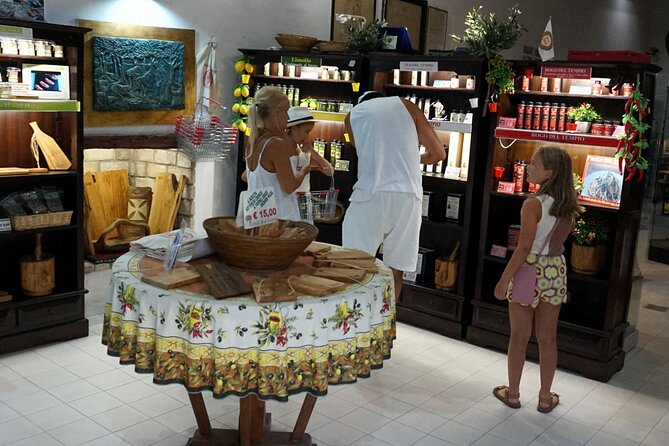
One of the biggest “value” drivers is the direct shop time at the end. You can buy your favorite EVOs on-site, with a 20% discount available during the visit.
This is more than a marketing line. The tasting is designed to help you decide what you actually like—then the discount gives you a financial nudge to bring it home while your senses are still fresh.
If you’re worried about choosing blindly, stick to your tasting notes:
- If you loved versatility and classic extra virgin flavors, go for Olio del Tempio.
- If lemon-forward brightness is your style, Limolio is an easy win for seafood and salads.
- If you want something that brings heat and herbal character to everyday food, Rogo del Tempio is built for grilled meats, pizza, and pecorino.
Also look out for additional products you might find in the shop, since the on-site experience is set up as a take-home extension of the tasting session—not a separate stop.
Practical tip: plan your suitcase space. Olive oil bottles take room, and you’ll likely want more than one.
Price, Group Size, and Timing: Getting Real Value for $66.26
At $66.26 per person, this isn’t the cheapest thing you can do around Cagliari. The question is whether you’re paying for education and tasting—or paying for atmosphere.
What you’re getting for the money is a lot in one block:
- museum time (Sa Mola de su notariu with family history)
- live EVO mill production tour
- time in an underground cistern with ancient oil lamps
- guided tasting of three specific oils
- a premium food pairing with cured meats, sparkling wine, natural olives, and carasau bread
- the chance to buy direct with 20% off
The group cap of 10 travelers is also meaningful. In a smaller group, the guide can adapt to your pace and answer questions without cutting you off. That helps if you’re aiming to learn how to recognize good extra virgin olive oil rather than just tasting three flavors.
Timing-wise, sessions run at 10am, 12pm, 3pm, and 5pm, and it’s about 20 minutes from Cagliari. If you have a tight itinerary, the set start times help you plan. If weather is unpredictable, you’ll also want to keep an open option nearby, because the activity requires good weather.
Transport reality check: it’s listed as near public transportation, but olive-farm days can still be easier with a car. If you’re relying on buses or shuttles, give yourself some buffer so you don’t cut it too close.
Who This Works Best For (and Who Might Skip It)
This is a great fit if you:
- want a hands-on EVO masterclass style experience (not just a quick tasting)
- enjoy food pairings and want to understand how oil changes dishes
- like small-group tours where you can ask questions
- want to buy bottles based on taste, not marketing
You might skip it if you:
- only want a casual souvenir stop and don’t care about learning flavor differences
- dislike structured sessions with set start times
- are very short on time and need something under an hour with no tasting meal component
Families with older kids can also find it interesting because it’s sensory (taste, smell, food) and not only “museum walking.” The underground cistern and the production tour tend to grab attention more than a typical lecture-style visit.
Language note: it’s offered in English, and a small group usually helps the explanation land well.
Should You Book This Olive Oil Farm & Tasting?
Yes, I’d book it if olive oil is one of your priorities in Sardinia. This isn’t only about drinking samples. It’s a guided chain: museum context, production reality, then tastings you can translate into real meals later.
I’d also book it if you plan to bring home bottles. The 20% on-site discount and the match between oils and foods makes it easier to pick what you’ll actually use.
Just be smart about your timing. Choose one of the morning or mid-afternoon slots you won’t regret, and aim for good weather. If those two things line up, you’ll get a genuinely practical Sardinian experience—part family history, part food lesson, and part shopping with confidence.
FAQ
How long is the olive oil masterclass?
The experience runs for about 1 hour on the activity listing, and it is described as a 90-minute extra virgin olive oil masterclass.
Where does the tour start?
It starts at Sa mola de su notariu Oil Museum – Olio del Tempio – Olive Oil Tourism, Viale Europa, 18, 09041 Dolianova SU, Italy.
Is the tour offered in English?
Yes, it is offered in English.
How many people are in a group?
The tour has a maximum of 10 travelers.
What olive oils do you taste?
You taste three bestsellers: Olio del Tempio (extra virgin olive oil), Limolio (olive oil with lemon), and Rogo del Tempio EVO (spicy, made with 9 Sardinian herbs).
Is there food and wine included?
Yes. You get premium food pairing including cured Sardinian meats, sparkling wine, natural olives, and carasau bread, along with the sample menu items served with Limolio and Rogo del Tempio.
Can I buy olive oil to take home, and do you offer a discount?
Yes. You can buy directly on-site, with a 20% discount for purchases during the experience.