REVIEW · CAN THO
Can Tho: Floating Market explore local life, Mekong farm
Book on GetYourGuide →Operated by FME travel · Bookable on GetYourGuide
Morning on the Mekong changes your pace. This community-focused tour mixes a Cái Răng floating market breakfast with small-canal cruising that feels calmer than the usual checklist stops. I also like the hands-on moments, especially the family noodle-making and the cacao farm visit, and there’s one watch-out: it starts very early, and the small boats are basic, not fancy.
The day is built around food and everyday life, not souvenir shopping. You’ll see how river families work, eat on the water, and then get time with a family-run rice noodle house and a cacao plantation. One consideration: you’ll walk some village paths and you’ll be on the water for stretches, so it’s not ideal if you have back issues or mobility limits.
If you’re in Cần Thơ for a short stay and want a Mekong morning that feels real, this is a strong value pick for the price. The itinerary runs about 7 to 9 hours (often about 7), and it can shift a bit with water conditions, which is normal here.
In This Review
- Key things to know before you go
- Why the 5:30 AM start makes this tour work
- Cái Răng floating market breakfast: pineapple boat and river-side meals
- The family rice noodle house: how the work actually gets done
- The calm canals and village walk: paddle time without the chaos
- Lò hủ tiếu Chín Của and the stop that ties food to place
- Cacao farm at Vườn Ca Cao Mười Cương: Mr. Cacao and cacao milk
- Boat time, tides, and why your schedule may shift slightly
- Price and value: what $54 buys you in real-world terms
- What to bring: simple gear that saves the morning
- Who should book this Can Thơ community Mekong ecotour
- Optional cooking class: when you want to extend the day
- Should you book it
- FAQ
- What time does the tour start?
- How long is the tour in Cần Thơ?
- Do they offer vegetarian breakfast options?
- What language is the guide?
- What’s included in the tour price?
- Where do they pick you up and drop you off?
- Is the tour private or a small group?
- What should I bring for the morning?
- Is this tour suitable for everyone?
Key things to know before you go
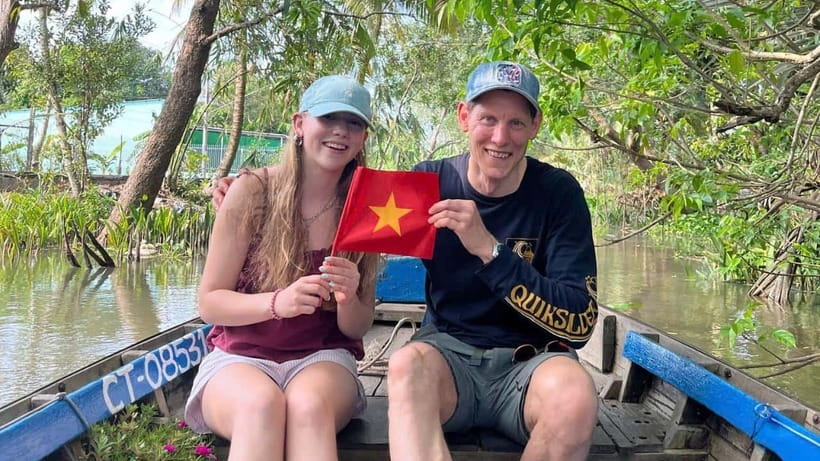
- Breakfast on the river in Cái Răng, with vegetarian-friendly options
- Family rice noodle making with a real process and no shop-tour sales pressure
- Paddle into quieter canals where you can actually hear nature
- Cacao farm visit with cacao milk from local growers (including Mr. Cacao)
- Simple small-boat ride, so set expectations and dress comfortably for early hours
Why the 5:30 AM start makes this tour work
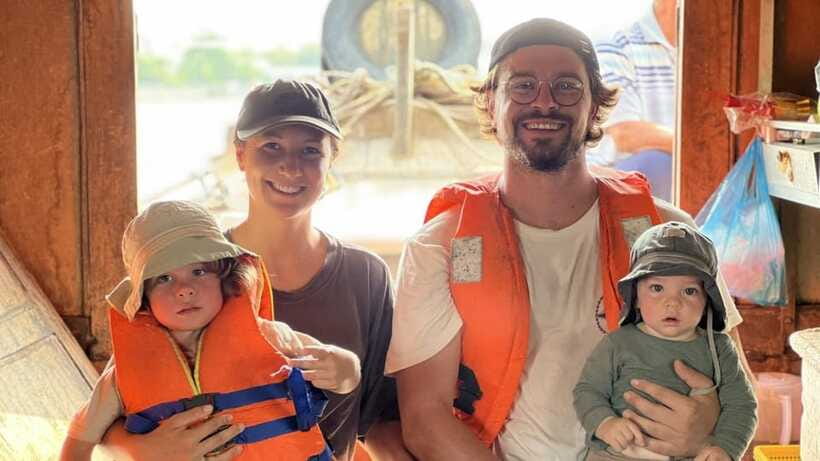
This tour begins around 5:30 AM, which sounds aggressive until you realize why it’s perfect. Morning light on the river is usually softer, the water activity feels more “working day” than “tour day,” and the Cái Răng market experience lands before crowds and heat.
Pickup happens from your hotel lobby in the city center (or a listed meeting point), then you head out by boat. The early timing matters because the schedule includes multiple stops spread across river areas, farm areas, and a short village walk. If you’ve ever been stuck joining a market tour after the peak, you’ll see the difference right away.
Also, expect timing flexibility. Waterway conditions can change how long boat segments take, so you might finish a little earlier or later than a fixed clock. The good news: they adjust the day to keep the experience flowing.
You can also read our reviews of more tours and experiences in Can Tho.


Cái Răng floating market breakfast: pineapple boat and river-side meals
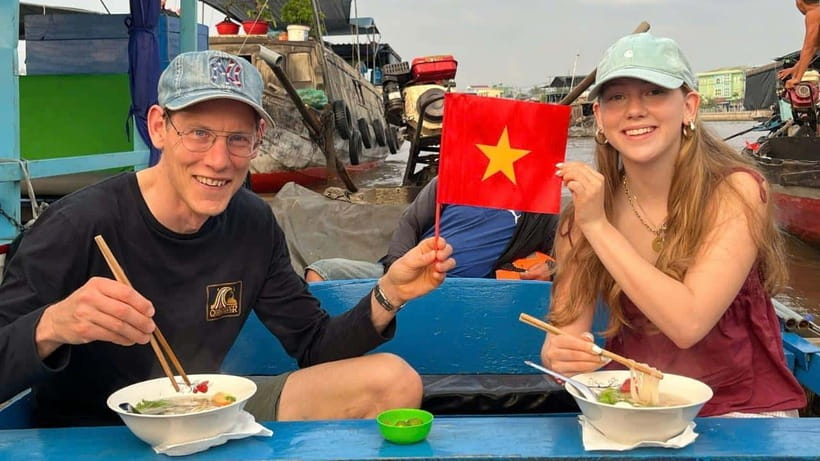
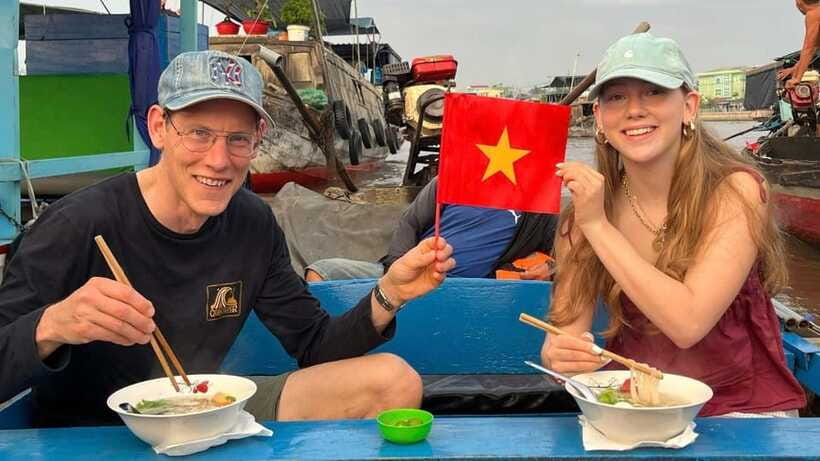
You arrive at the Cái Răng floating market in the early morning, and the first big win is breakfast prepared by a local vendor. This isn’t just you standing near stalls while someone talks at you. You get to eat in the setting where the food is being traded and made for the day.
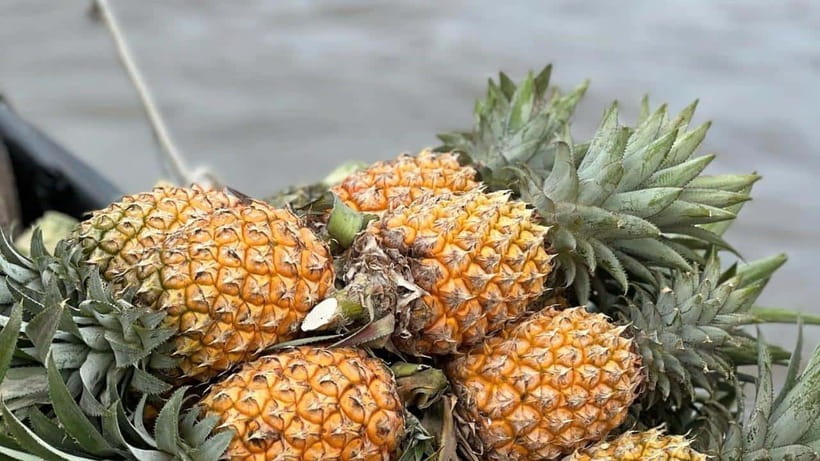
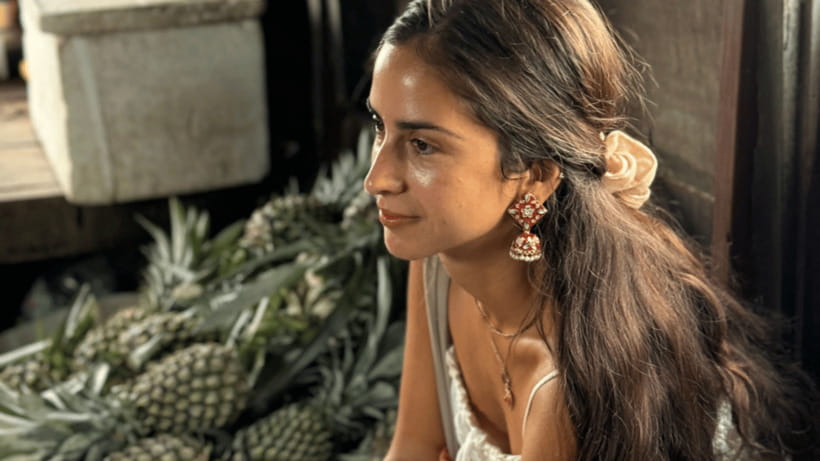
From there, you’ll do a guided walk-and-view moment through the market area. Part of this stop is a photo-and-sightseeing block, and part is your breakfast time. You’ll also have a “pineapple boat stop,” which is exactly what it sounds like: fresh fruit and a quick chat with people who live off river commerce.
One practical tip: go in hungry. Breakfast is part of the structured plan, and you’ll also get fresh fruit and drinks with the meal. If you’re vegetarian, there are options noted for the breakfast.
And yes, you’ll be on boats more than once. One boat segment is about 45 minutes before you settle into the market area, and there are additional shorter transfers during the morning. That means you should treat this as a “river day,” not a quick market detour.
The family rice noodle house: how the work actually gets done
After the market, you’ll head to a family-run rice noodle house (often scheduled around 7:00 AM). This is one of the most meaningful stops because it focuses on technique, not sales.
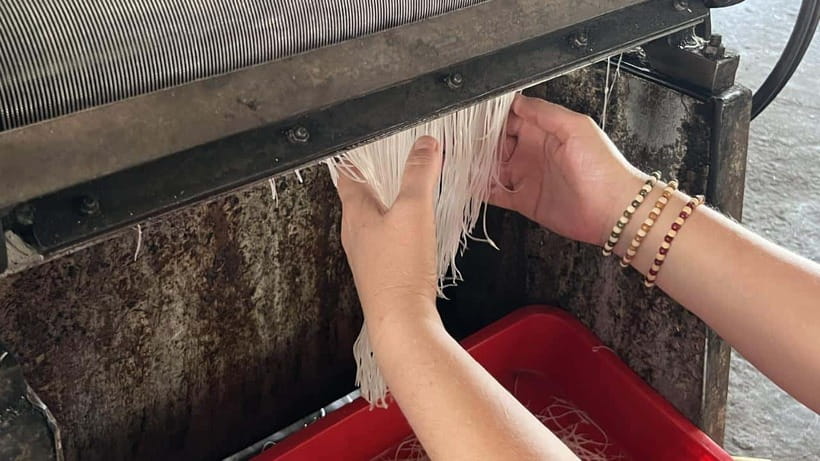
Here’s what makes it different: you watch traditional methods where artisans handcraft colorful noodles. You’ll get hands-on time where you can try making noodles yourself, and the visit is explicitly framed as supporting a family business rather than a store you’re pushed to buy from.
You also get guided time plus walking time and time to eat regional food tied to the noodle tradition. The schedule includes a block of about 45 minutes for the noodle house visit, including the guided tour and your food moment.
What you should pay attention to during this stop:
- How the noodles change as they’re made (texture and color come from the process)
- How many small steps the craft involves
- The pace of the work, which is steady and practical
If you care about food culture beyond restaurants, this is usually the part people remember long after the market photos fade.
The calm canals and village walk: paddle time without the chaos
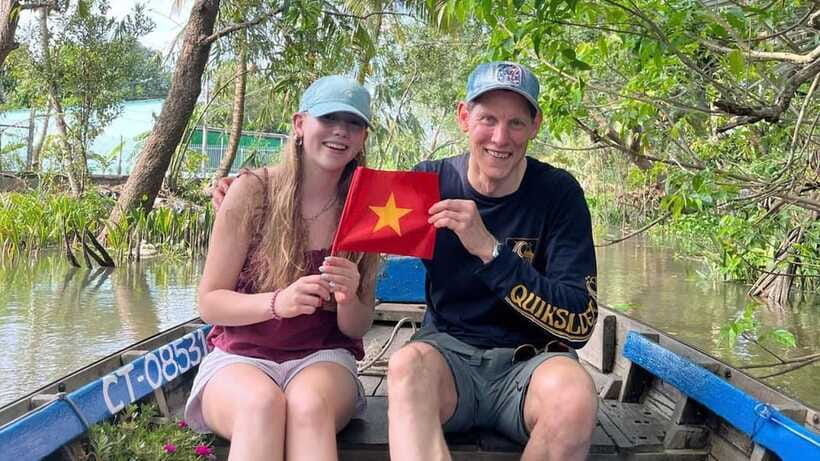
Next, the tour shifts into quieter water and slower viewing. You’ll cruise into small canals by paddle, described as peaceful and “untouched” in the sense that it’s not a nonstop performance-style route.
This canal segment is built to give you a different sense of the Mekong system: less market intensity, more daily life and nature sounds. The plan includes time for nature spotting like water palms and coconut trees. It’s also a chance to slow down and look at how homes and work connect to the water.
After the canal time, there’s a village walk—short, but real. You get to see traditional homes and get small interactions with local residents as part of the experience.
Two practical considerations:
- Comfortable shoes matter here. You’ll want something you can walk in without worrying.
- This section works best if you keep your expectations simple: it’s not a show. It’s daily life.
One nice detail in the flow: the day alternates between guided segments and “you have time to look” moments (photo stops plus cruising). It helps prevent the morning from feeling like constant instructions.
Lò hủ tiếu Chín Của and the stop that ties food to place
Between the canals and the cacao farm, there’s a food-focused stop at Lò hủ tiếu Chín Của. This part is around 45 minutes, and it includes visiting, guided tour, sightseeing, a walk, and a regional food moment.
Think of this stop as a bridge. Earlier you learned how noodles are made; here you connect that to a specific local preparation and place in the community. The schedule keeps it from being random by placing it after your quieter canal and village time—so you don’t feel like you’re stuck in food-only mode from the start.
If you’re the type who likes structure, this stop makes sense because it adds context: noodle craft exists for a reason, and this is part of what that reason looks like on the ground.
Cacao farm at Vườn Ca Cao Mười Cương: Mr. Cacao and cacao milk
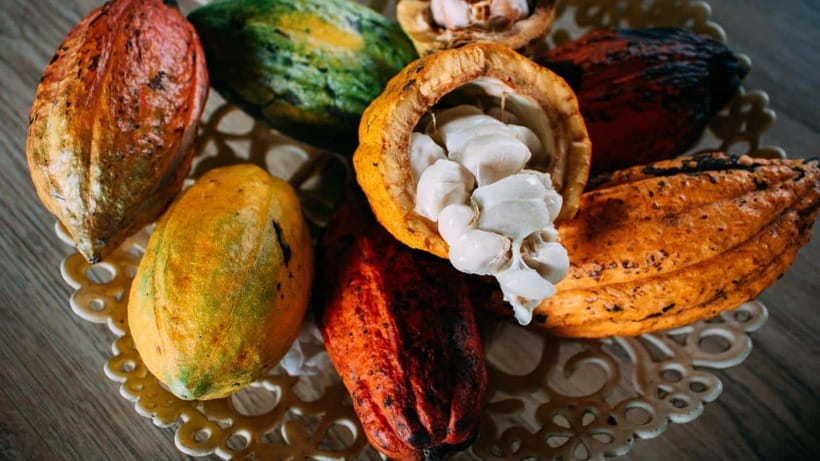
One of the stand-out experiences on this day is the visit to Vườn Ca Cao Mười Cương (about 1 hour). You’ll walk through a cacao plantation where a local artisan explains cultivation and chocolate-making basics using traditional family methods.
This isn’t presented as a “chocolate museum.” You’re there to understand the crop and see how the process begins, then ends up as drinks and chocolate.
The tour also includes a glass of cacao milk. It’s a small serving, but it’s the kind of moment that makes the visit feel complete, because you’re tasting something made from what you just saw.
And yes, the tour data specifically references insights from Mr. Cacao, so if you enjoy learning from the person who grows and produces, you’ll likely love this segment.
Tip: if you’re someone who wants to buy chocolate, don’t assume there’s a shop moment. The visit is described as a cacao plantation lesson with tasting, so plan to treat it as education first.
Boat time, tides, and why your schedule may shift slightly
You’ll spend real time on boats. The itinerary includes multiple riverboat segments, including 45 minutes, a short 10-minute transfer, and a longer 75-minute boat ride near the end of the tour.
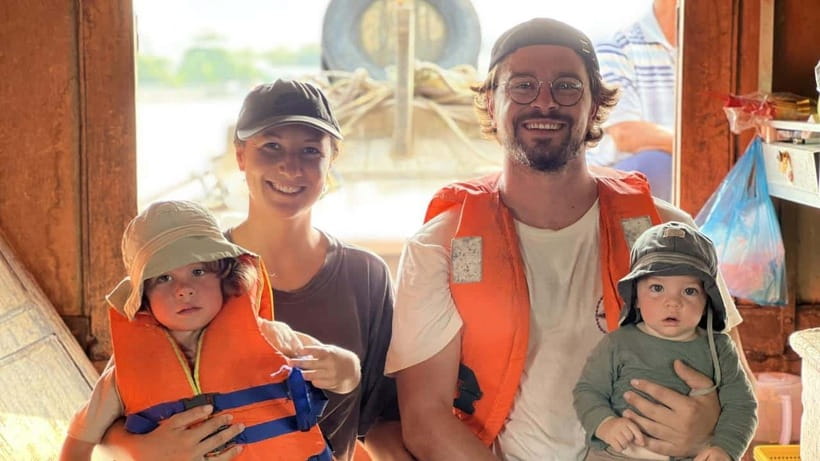
This matters because it affects your comfort. Boats here are described as sampan/small boats, and one note from the experience is that they’re simple, not sophisticated. That’s not a dealbreaker—just set expectations. Bring a hat, water, and wear clothes that you’re okay getting a little sun or wind on.
Also, tides and water conditions can affect timing. You might return earlier or later than expected. The tour plan explicitly says they’ll brief you before departure and adjust to get the best experience.
Price and value: what $54 buys you in real-world terms
At about $54 per person, this tour is priced like a full morning experience, not a half-day market walk. And that pricing makes sense when you look at what’s included:
- Hotel pickup and drop-off in the city center
- Guided experience across the river, canal, and farm segments
- Breakfast on the floating market (vegetarian options available)
- Fruit and drinks
- Entrance fees for key stops
- Visits to a floating market, rice noodle house, cacao farm, and village walk
- Cacao milk tasting
So you’re paying for time plus structure: multiple transport segments, local guides, and entry/host support for several different family-run stops.
One thing to consider: it’s not wheelchair friendly, and it’s noted as not suitable for pregnant women and people with back problems. If any of that might apply, don’t force it. The value is great, but the day is still physical and water-based.
What to bring: simple gear that saves the morning
The tour gives a basic list, and I agree with all of it:
- Comfortable shoes (for village walking and uneven spots near boats)
- Hat and sunscreen (early sun still hits)
- Camera (you’ll want it on the water)
- Water (bring some extra even if drinks are provided)
- Comfortable clothes for a warm morning and potential wind on the river
If you’re the kind of person who gets cold on boats even in the morning, bring a light layer. The data doesn’t mention rain gear, so use your own weather judgment for the Mekong in your travel month.
Who should book this Can Thơ community Mekong ecotour
This tour is a great fit if you want:
- Food culture that’s tied to craft (rice noodles) and farming (cacao)
- A Mekong day that includes canals and village life, not just a market photo session
- An English-speaking guide experience (French speaking is available with an extra fee)
It’s especially appealing for people who like small-group travel. The tour data says private or small groups are available, which typically means more flexibility for questions and less waiting around.
If you want a calm, early, real-life look at Cần Thơ’s river economy, this does that better than many “market then coffee” tours.
Guide note: the experience provider lists guides who speak English and French, and one named guide, Tieu Phung, is described as helpful, funny, and in a good mood. That kind of energy matters early in the morning when you’re still half-awake.
Optional cooking class: when you want to extend the day
There’s an optional extension around 3 PM if you want more than the main morning plan. The add-on includes:
- A visit to a local market to pick ingredients
- A homestay cooking class with a local chef
- Learning to prepare authentic dishes connected to daily food culture
This option is not presented as part of the included price, so treat it as a bonus if you like hands-on cooking and want a longer day in town.
Should you book it
Book this tour if you want a structured Mekong morning that connects floating market breakfast to family craft and local farming. The rice noodle house and cacao farm are the two big reasons the experience feels more than just a scenic boat ride.
Skip it if you strongly prefer polished, modern comforts. The boat segments are described as simple, and the schedule includes walking and early timing. If mobility or comfort is a major concern, look for a gentler option.
If your goal is to understand how river and farm life connect in Cần Thơ, this is a smart way to spend your day for the money.
FAQ
What time does the tour start?
The tour starts early, around 5:30 AM, with pickup from your hotel (if you’re in the city center) or a meeting point.
How long is the tour in Cần Thơ?
It runs about 7 to 9 hours, with the duration described as approximately 7 hours for the main experience. It may end earlier or later depending on water conditions.
Do they offer vegetarian breakfast options?
Yes. The breakfast at the floating market is described as vegetarian-friendly, with options available.
What language is the guide?
The tour includes a live guide in English and French. A French speaking guide is available with an extra fee.
What’s included in the tour price?
Included items include hotel pickup and drop-off in the city center, boat transport with a driver, breakfast (vegetarian options), fresh fruit and drinks, entrance fees for the floating market, rice noodle house, cacao farm, village walk, and a glass of cacao milk.
Where do they pick you up and drop you off?
Pickup and drop-off are offered in Cần Thơ city center at your hotel lobby or the listed meeting point area, and you return to the same pickup location. If you stay outside the city center, extra fees may apply.
Is the tour private or a small group?
The tour is described as private or small groups available.
What should I bring for the morning?
Bring comfortable shoes, a hat, camera, sunscreen, water, and comfortable clothes.
Is this tour suitable for everyone?
It’s not suitable for pregnant women, people with back problems, and wheelchair users.