REVIEW · CYGNET BAY PEARL FARM
Cygnet Bay Pearl Farm Behind-the-Scenes Tour & Live Harvest
Book on GetYourGuide →Operated by Cygnet Bay Pearl Farm · Bookable on GetYourGuide
Pearls have a backstory worth hearing. At Cygnet Bay Pearl Farm, I love the chance to watch a live harvest and then learn why pearl farming is so tightly controlled by nature and time. You’ll also finish with an up-close grading and appreciation session that makes the whole operation feel real, not like a museum stop.
The one drawback to plan around is simple: the farm is remote, and transport from Broome isn’t included, so you’ll want to handle the drive or flight connection before you get excited.
In This Review
- Key Things To Know Before You Go
- Why Cygnet Bay Pearl Farm Feels More Real Than Most Tours
- The 1-Hour Tour Plan: History, Harvest, and Pearl Grading
- 1) Pearling history at Cygnet Bay
- 2) The live pearl harvest demonstration
- 3) In-depth pearl grading and appreciation
- Live Pearl Harvest: What You’ll Actually Learn to Watch For
- Pearl Grading and Appreciation: Why This Ends Up Being the Most Useful Part
- Value for Money: Is $27 Worth It?
- Getting There From Broome: Remote Timing and Real-World Logistics
- What to Bring (So the Tour Feels Comfortable, Not Miserable)
- Where to Stay Nearby: Make It More Than a Stop
- Who This Tour Fits Best (And Who Might Skip It)
- Should You Book Cygnet Bay Pearl Farm?
- FAQ
- How long is the Cygnet Bay Pearl Farm behind-the-scenes tour?
- How much does the tour cost?
- What’s included in the tour?
- Where is the meeting point?
- Is transport from Broome included?
- Is food and drink included?
- Can I cancel or pay later?
Key Things To Know Before You Go
- Australia’s oldest operating pearl farm: It’s historically important and still working today.
- A live harvest you can see: You’re not just looking at equipment behind glass.
- A guide-led pearl grading talk: You leave with a better eye for what matters in pearls.
- Remote Cape Leveque setting: Think white sand beaches, turquoise water, and serious night-sky time.
- Short and focused: At 1 hour, it’s easy to fit into a day-trip plan if you’re already in the region.
- $27 per person value: You’re paying for a guided, hands-on farm experience, not just a viewing area.
Why Cygnet Bay Pearl Farm Feels More Real Than Most Tours
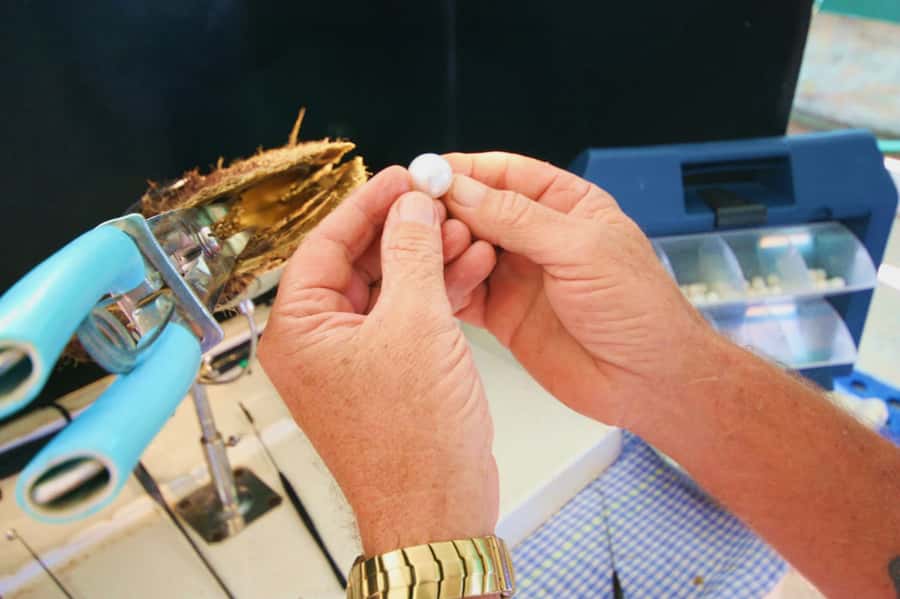
This isn’t a staged show. Cygnet Bay Pearl Farm is one of the very few operating pearl farms that opens its doors to the public, and it has the track record to back that up. It’s Australia’s oldest operating pearl farm, and the tour is built around the fact that pearls aren’t an artifact from the past. They come from a living system that’s still being managed day after day.
I like tours that connect the story to the workflow. Here, you get both: the history of pearling in the Cygnet Bay area, and then the practical demonstration of what’s happening on the farm right now. That mix helps you understand why people want these pearls in the first place, and why timing, care, and technique matter.
There’s also the setting. The Dampier Peninsula area around the farm is known for untouched-feeling beaches and huge sky time. If you’re the type who likes your “activity” to come with scenery, this place delivers.
The 1-Hour Tour Plan: History, Harvest, and Pearl Grading
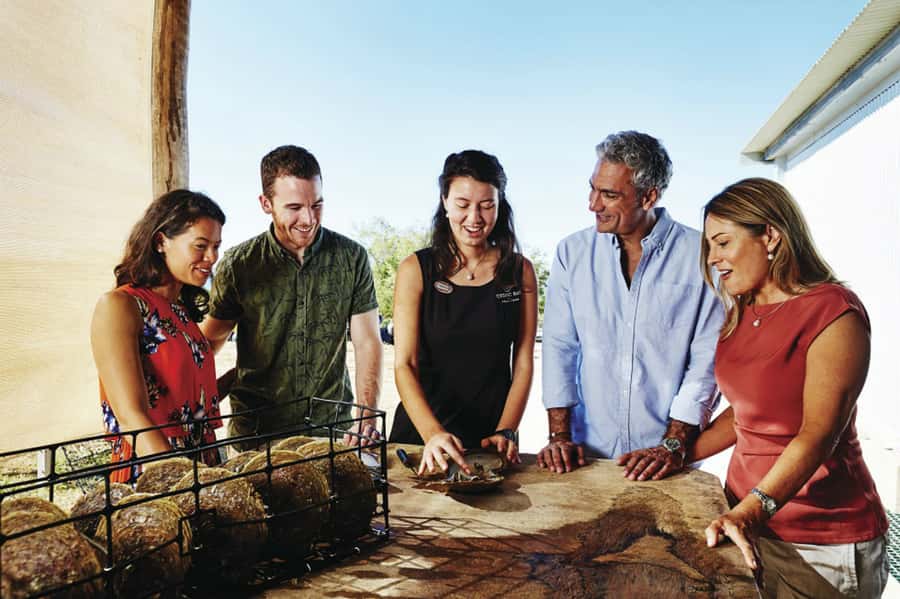
The duration is 1 hour, so the guide keeps things moving. In that time, you’ll go through three core parts.
1) Pearling history at Cygnet Bay
You start with context—how pearling developed in the area and how the farm became Australia’s oldest operating operation. This matters because pearl farming isn’t only about the final product. It’s about controlling conditions over time, and understanding the human side of the industry: tools, decisions, and the evolution from earlier pearling methods to modern farming.
A good guide makes this part click. One guide name that pops up often is Sarah, with guests calling out how clear and informative she is. If Sarah is leading your group, that’s a strong sign you’ll understand what you’re seeing during the harvest.
2) The live pearl harvest demonstration
Next comes the part that grabs your attention: a live pearl harvest. You’ll see the farm at work and learn what’s involved in bringing pearls through the process. Since the tour includes the live harvest, you’re not just hearing about pearls in theory—you’re watching the operation while the guide explains what each step means.
3) In-depth pearl grading and appreciation
You finish with an appreciation session focused on how pearls are graded. This is where the tour earns its value. Once you understand that pearls can be evaluated and compared, you stop treating them like one generic “pretty thing.” You start noticing differences and asking smarter questions about quality and value.
Live Pearl Harvest: What You’ll Actually Learn to Watch For
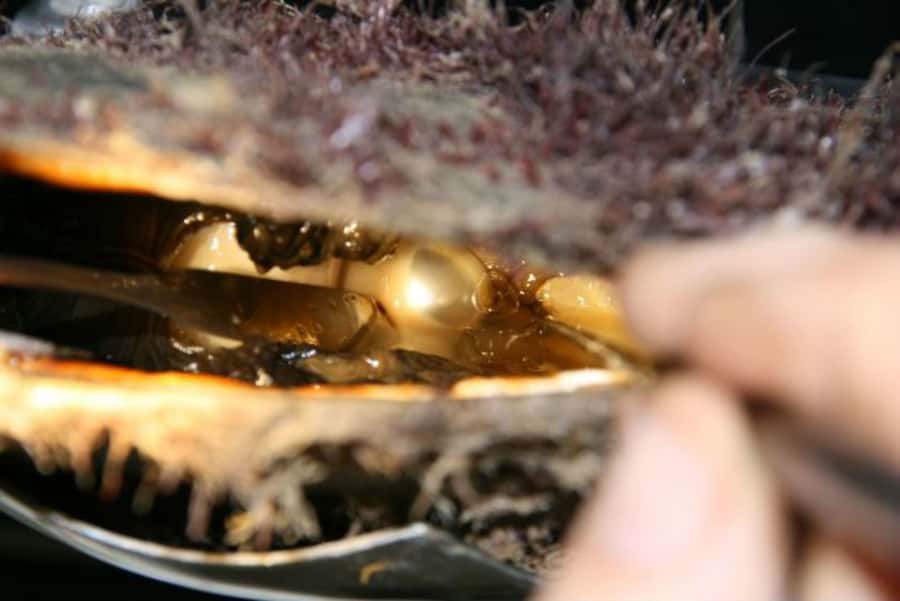
When people book a pearl tour, they usually expect a fun spectacle. The better outcome is learning how to look.
During the live harvest portion, your guide demonstrates the process in a fully operational pearl farm setting. That gives you a sense of scale and routine. Pearls aren’t pulled out like popcorn. The farm workflow is careful and structured, and the tour highlights that reality.
Here’s the practical value: after you see the harvest, you’re more likely to understand why pearl farming takes planning and why the results depend on choices made well before the final moment. You also get a clearer idea of how pearls can vary—enough that grading matters, and enough that buyers pay attention.
If you’re into natural products, this section can feel surprisingly hands-on. It makes the whole thing more grounded, especially when paired with the final grading and appreciation session.
Pearl Grading and Appreciation: Why This Ends Up Being the Most Useful Part
The grading segment is the part I’d put at the top of the “do not skip” list. It’s one thing to look at pearls. It’s another to learn how they’re assessed and why some are valued more than others.
The tour calls this an in-depth pearl grading and appreciation session, which tells you it’s designed to change your perspective, not just point at a display. You’ll come away knowing what to pay attention to when you’re viewing pearls later, whether that’s at a gallery or while shopping during your trip.
One practical reason this matters: pearls are personal. People buy based on style and budget, not only “best” quality. When you learn the basics of grading, you can match your purchase to your priorities. That keeps you from feeling lost in a showroom.
If you want to do this tour as more than a photo stop, focus on the grading part. Take mental notes. Then, when you see pearls for sale afterward, you’ll be able to compare instead of guessing.
Value for Money: Is $27 Worth It?
At $27 per person for a 1-hour guided tour with a live harvest included, the price is fairly easy to justify—assuming you’re already positioned near the Cape Leveque area. You’re paying for more than a walk-through. You get:
- A guided experience
- A demonstration of a live harvest
- A grading and appreciation session
That’s a lot of “human explanation” for a short time. The real financial catch is that transport to the farm isn’t included, and the farm is about 200 kilometers north of Broome (roughly a 2.5-hour drive). If you’re not already in the region, you’ll likely spend elsewhere—fuel, car rental, or flight transfer—before you even reach the farm.
So the value equation looks like this:
- If you’re already in the area: the tour itself feels like a solid deal.
- If you need to travel long distance just for this: the tour price may be low, but your trip costs will rise.
Either way, it’s a strong option for travelers who want a working industry experience in a short window.
Getting There From Broome: Remote Timing and Real-World Logistics
The farm sits on the Dampier Peninsula, reached via Cape Leveque Road, and it’s described as about 2.5 hours out of Broome. That distance matters because the experience is built around being somewhere you can’t casually pass by on a whim.
You can self-drive or coordinate flight transfers, but either way, plan like a grown-up. This is a remote location, and shops and fuel are limited and often closed on weekends. Translation: don’t wing it on timing.
Also, you should think about the meeting point clearly. It’s listed as Cygnet Bay Pearl Farm, Cape Leveque Road, Dampier Peninsula, Western Australia. If you’re driving, double-check your route before you leave Broome. If you’re using flights, buffer your schedule so you don’t arrive stressed.
The best days are the calm ones. Remote places punish rushed plans.
What to Bring (So the Tour Feels Comfortable, Not Miserable)
Even though the tour is only 1 hour, the environment can be intense—sun, salt air, and that “you are far from everything” feeling.
Bring:
- Water
- Sunscreen
- A hat
- Your camera
You won’t be able to count on quick convenience stops out there. Pack these before you drive out. If you’re extending your stay after the tour, you’ll thank yourself later when you’re outside enjoying the coastline and the night sky.
Where to Stay Nearby: Make It More Than a Stop
One of the nicer things about Cygnet Bay is that you can stay right at the farm area. Accommodation is available onsite, including luxury safari tents, pearler cottages, or camping sites, plus there’s a restaurant on-site.
If you’re planning to turn this into a short stay, this is a great way to cut down on back-and-forth driving. It also makes it easier to experience the local rhythm—sunrise colors, beach time, and those famous star views at night. The area is known for a million-star kind of atmosphere, and staying locally gives you more chances to enjoy it.
Who This Tour Fits Best (And Who Might Skip It)
This is a great fit if you:
- Want a working farm experience, not a staged attraction
- Like learning how natural products are produced
- Appreciate short tours with a clear payoff
- Are interested in buying pearls with a bit more understanding
It may be less ideal if you:
- Hate remote logistics and don’t want to manage transport from Broome
- Only want a quick photo moment and nothing more
- Are expecting food as part of the experience (food and drink aren’t included)
Because it’s 1 hour, it works best as an efficient industry stop within a Cape Leveque/Dampier Peninsula plan.
Should You Book Cygnet Bay Pearl Farm?
My take: yes, if you’re already heading toward the Dampier Peninsula or you’re planning a short stay in the Cape Leveque area. For $27, you get a rare mix—history, a live harvest, and an educational grading and appreciation session—delivered in a tight 1 hour.
Book it especially if you want your visit to mean something. After this, pearls won’t just look pretty. You’ll have a better sense of why pearls vary and how they’re assessed.
If you’re only considering it as a far-off side trip from Broome with no other plans, do the math on transport and time first. The tour price is friendly, but the location is not a casual hop.
FAQ
How long is the Cygnet Bay Pearl Farm behind-the-scenes tour?
The tour lasts 1 hour.
How much does the tour cost?
It costs $27 per person.
What’s included in the tour?
The tour includes a 1-hour guided experience, a guide, and a live pearl harvest. Pearl grading and appreciation are also part of the tour.
Where is the meeting point?
You meet at Cygnet Bay Pearl Farm on Cape Leveque Road, Dampier Peninsula, Western Australia.
Is transport from Broome included?
No. Transport to the farm is not included. The farm is about 200 kilometers north of Broome, roughly a 2.5-hour drive.
Is food and drink included?
No. Food and drink are not included.
Can I cancel or pay later?
Yes. You can cancel up to 24 hours in advance for a full refund, and the booking offers a reserve now & pay later option.