REVIEW · TIRANA
Farm-to-Table Cooking Class with Local Family by 1001 AlbAdv
Book on Viator →Operated by 1001 Albanian Adventures · Bookable on Viator
A meal with wine, fruit, and a story you can taste. This farm-to-table class brings you into the Berat region for a hands-on experience built around local produce and small-batch traditions. One highlight is the way the family pairs flavors—especially the preserved cherry-village fruit dessert.
I really like the small group size (max 10). It keeps things relaxed and social, which is a big deal if you’re traveling solo and you don’t want a stiff, classroom vibe. And I love that the day doesn’t just end at a table—you get a quick pass by the old bridge, then head out to Drobonik in the countryside.
One thing to consider: the experience depends on good weather. If the day gets canceled for weather, you’ll need to pick a new date or get a refund.
In This Review
- Key things to know
- Why Drobonik’s cherry-village cooking feels personal
- Getting there from Berat (and a quick look at the old bridge)
- The family welcome: blush wine, cheese, olives, and bread
- Farm-to-table learning happens through the meal, not a lecture
- The preserved fruit dessert: mandarin, walnut, and cherry in syrup
- Raki pairing: how the alcohol helps balance the sweetness
- Tea and mountain honey close the meal the local way
- Price and value: what $72.25 actually buys you
- What the 3 hours 30 minutes feels like in real time
- What’s not included (so you don’t get surprised)
- Who should book this cooking class, and who might skip it
- Should you book this with 1001 Albanian Adventures?
- FAQ
- What’s included in the meal?
- How long is the cooking class?
- What’s the group size limit?
- Where do we meet and where does it end?
- Is the experience offered in English?
- What happens if the weather is poor?
Key things to know
- Max 10 people, so you actually get time to talk, not just eat.
- Start with an easy local welcome: blush wine, plus cheeses, olives, and bread.
- The dessert is built on preserved fruit like mandarin, walnut, and cherry in sweet syrup.
- You’ll get pairing moments with local raki, tea, and local honey.
- Private transportation is included, so you’re not stuck figuring out roads on your own.
Why Drobonik’s cherry-village cooking feels personal
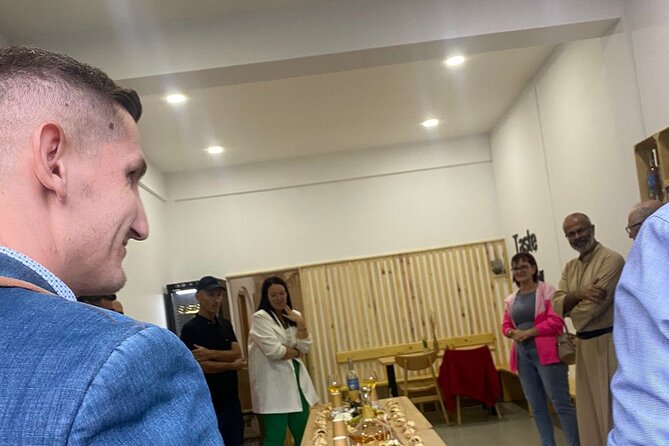
This experience centers on the idea that food isn’t an idea. It’s a rhythm: what grows nearby, how it’s stored, and how a family turns ingredients into a meal you remember.
Drobonik is described as a characteristic cherry village. You feel that focus in the food sequence—fruit isn’t a side detail here. It’s part of the main event, including a preserved fruit dessert with ingredients like mandarin and cherry.
I also like how the whole thing connects back to the Berat area. Even when you’re tasting things like local blush wine, the story stays local—one vineyard is about 15 minutes from Berat, and the tea you get at the end is tied to mountain growth in the region.
You can also read our reviews of more tours and experiences in Tirana.
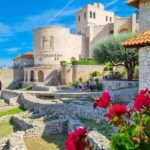
Getting there from Berat (and a quick look at the old bridge)
Your meeting point is Rruga Mihal Komnena 5001, Berat 5001, Albania, and the activity ends back there. Even though the tour is listed under Tirana, the practical reality is that you’re starting in Berat—so double-check that your confirmation matches this spot.
Before you reach the cherry village, you’ll pass by the old bridge of the city. Think of it as a gentle “we’re here” moment. It’s not a long sightseeing day, but it does help you orient yourself before food takes over the schedule.
Transportation is private and included. That matters because this is a food-focused outing. You don’t want the logistics stealing your attention from the meal.
The family welcome: blush wine, cheese, olives, and bread
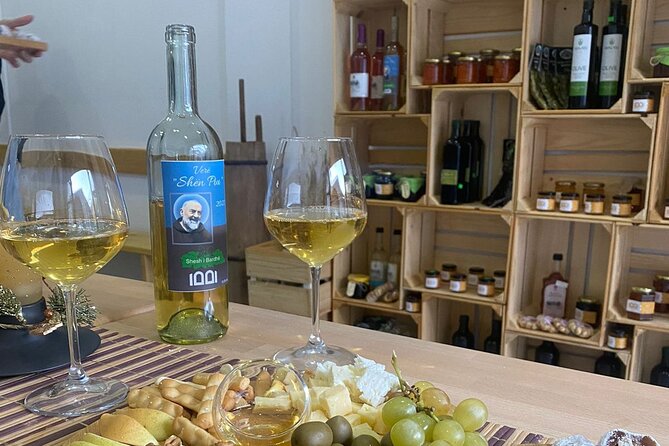
The first course sets the tone: a local blush wine, plus a spread of local cheeses, olives, and bread. This is one of those “simple but done right” introductions. It also keeps the pace friendly—no rushing, no awkward waiting while everyone pretends they understand how the lesson works.
A couple of small details make this more than just a tasting.
- You get local items that feel connected to the region, not generic restaurant versions.
- The rhythm is social. You’re eating and talking while the family explains what you’re tasting and how it fits their way of cooking.
And yes, the wine shows up early. If you don’t drink alcohol, you’ll probably still be able to enjoy the meal, but you should plan ahead and ask what non-alcohol options they offer (the tour data only confirms wine and raki are part of the experience).
Farm-to-table learning happens through the meal, not a lecture
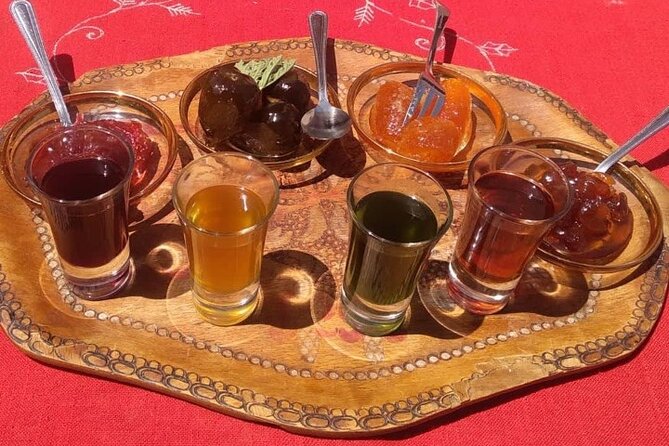
A “cooking class” can mean two things: chopping onions in a kitchen or learning the logic behind a meal. Here, you get the second one, with the learning happening through the family’s ingredients and food flow.
You’ll be in a setting tied to the harvest—then you’ll eat what that harvest becomes. That matters because it teaches you how people think about flavor when they’re working with what they can get nearby.
The experience also includes fresh drinking water. That sounds basic, but in practice it’s helpful. After time outdoors and moving around, you’re not stuck paying for water or hunting for it at the wrong moment.
The preserved fruit dessert: mandarin, walnut, and cherry in syrup
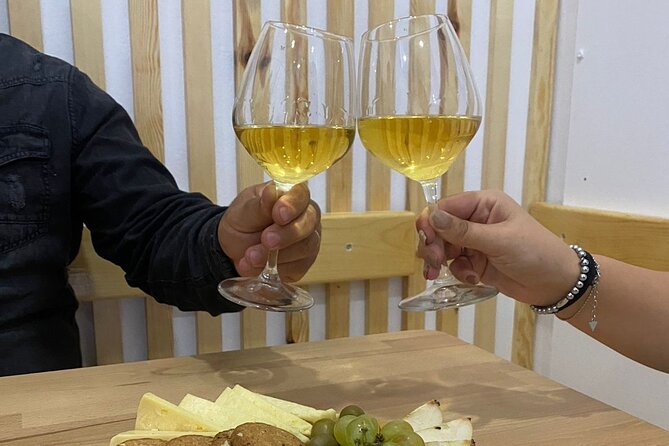
This is the part people talk about because it’s unusual in a very specific way. The dessert includes fruit like mandarin, walnut, and cherry, preserved and soaked in sweet syrup.
Here’s the detail that makes it memorable: the preparation can include the walnut shell and even mandarin rind, and they’re still edible. The result is a dessert that tastes like fruit and caramelized spice at the same time, with sweetness that’s more complex than straight sugar.
Why this works in a cooking class setting: you’re tasting the “before and after.” You see how fruit becomes shelf-stable comfort food. You’re not just eating something sweet—you’re learning how a family keeps the taste of a season going.
Also, you get to choose what you want for this part when it comes to dessert selections. That’s a nice touch because it keeps the meal from feeling completely scripted.
Raki pairing: how the alcohol helps balance the sweetness
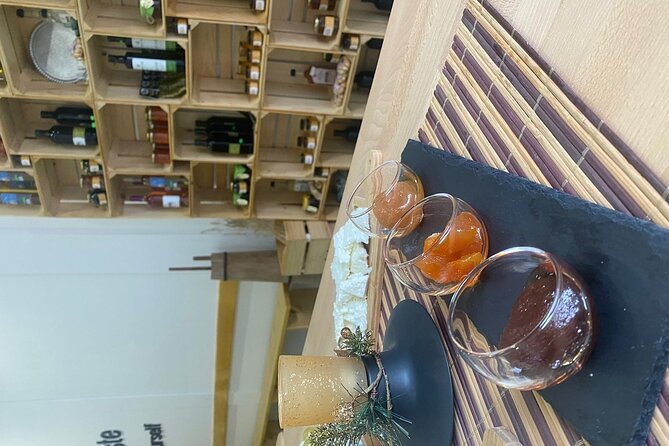
If you’re only expecting dessert, the pairings will surprise you—in a good way. Local raki is paired with the preserved fruit, and the idea is clear: cut the sweetness and sharpen the flavors.
That pairing logic is a practical lesson you can take home. Sweet desserts often feel one-note if you don’t bring in acidity, bite, or something herbal/spicy. The raki gives that counterpoint, so the dessert doesn’t bulldoze your taste buds.
It also adds personality to the whole meal. Albania is full of regional products, but pairings like this show how locals build balance without turning everything into a formal tasting menu.
If you want to keep it mild, just know that alcohol is part of the structure. You’ll likely be offered wine and raki as part of the food flow, so plan how you want to handle that.
Tea and mountain honey close the meal the local way
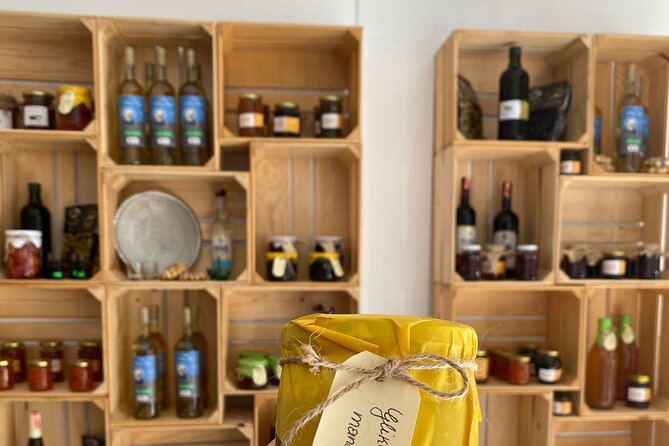
After the heavier sweetness, the day ends with tea and local honey. You can choose a mountain tea grown locally in the Berat area, and the tea is described as aromatic and flavorful.
This finish matters because it cleans the palate without going bland. Honey gives warmth and rounded sweetness, while mountain tea adds scent and bite. Together, it makes the end of the experience feel like it belongs with the rest of the meal instead of being a random add-on.
Price and value: what $72.25 actually buys you
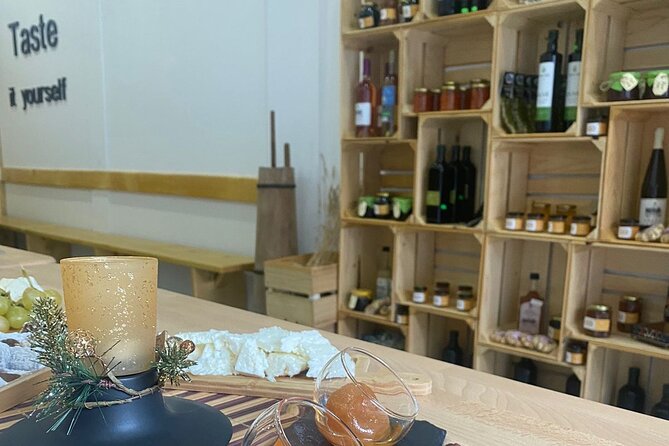
At $72.25 per person, this isn’t a budget snack stop. But it’s also not priced like a high-end tasting event. The value comes from what’s included.
Here’s what you should mentally count for value:
- Lunch or dinner is included (depending on when your activity runs).
- Snacks and local hospitality are included.
- Private transportation is included.
- All fees and taxes are included.
- Fresh drinking water from the tape is provided.
When you add up transportation + a full meal + a guided, family-based food experience, the price starts to make sense. What’s not included is also important: you might want to buy extras like a bottle of raki, gliko, or handicrafts, and tips are not included.
So I’d treat this as a “spend once, eat well” day. If you’re comparing it to grabbing food on your own, you’re paying for the structure, the access to a family table, and the ingredient-led storytelling.
What the 3 hours 30 minutes feels like in real time
The duration is about 3 hours 30 minutes. Stop time shows Drobonik as the key chunk, while the bridge pass happens early.
That length is ideal if you want a meaningful food experience without giving up your whole day. It also helps if you’re balancing other plans around Berat or your broader Albania itinerary.
Because the group is capped at 10 people, the schedule tends to feel controlled. You’re not waiting for long stretches, and you’re more likely to get questions answered while the food is still warm and fresh.
What’s not included (so you don’t get surprised)
This is one of those tours where you’ll likely encounter tempting local products. If you want souvenirs, you’ll pay extra. The tour data specifically calls out items like:
- bottles of raki
- gliko (sweet preserves)
- handicrafts
Tips aren’t included either. That part is fairly standard, but it’s good to know so you can decide based on your comfort level.
Who should book this cooking class, and who might skip it
I think this fits best if you:
- want a small-group food experience near Berat instead of a large tour bus situation
- enjoy local wine and raki pairings with regional snacks
- like learning through tasting—especially preserved fruit and the logic behind it
- are comfortable with a weather-dependent outing
It might be less ideal if:
- you dislike alcohol completely and you’d prefer a strictly non-alcohol menu (the experience includes wine and raki as part of the flow)
- you’re very schedule-tight and can’t shift if weather causes a change
- you’re traveling only for a quick bite and don’t want a full meal experience
Should you book this with 1001 Albanian Adventures?
If your idea of a great day is food with a real local owner—someone who can explain why fruit is preserved, why certain teas matter, and how pairings keep sweetness in check—then yes, I’d book it.
The strongest reasons to choose it are the ones that hit your senses fast: blush wine and a regional spread to start, a preserved fruit dessert that’s genuinely different, and a satisfying finish with mountain tea and honey. Add private transport and a max-10 group, and you get a day that feels personal without feeling difficult.
My only real hesitation is the weather factor. If you’re booking at a time when rain or wind is common, plan to be flexible.
If you want a family-cooked meal with local ingredients that actually teach you something—this is a smart pick.
FAQ
What’s included in the meal?
You get lunch or dinner depending on the activity time, plus snacks and local hospitality. Fresh drinking water from the tape is also included.
How long is the cooking class?
The experience lasts about 3 hours 30 minutes.
What’s the group size limit?
The tour has a maximum of 10 travelers.
Where do we meet and where does it end?
The meeting point is Rruga Mihal Komnena 5001, Berat 5001, Albania, and the activity ends back at the same place.
Is the experience offered in English?
Yes, it’s offered in English.
What happens if the weather is poor?
This experience requires good weather. If it’s canceled due to poor weather, you’ll be offered a different date or a full refund.