REVIEW · LA PAZ MEXICO
La Paz: Pearl Farm Experience and shop
Book on GetYourGuide →Operated by La Paz City Map · Bookable on GetYourGuide
Pearls have a surprising origin in La Paz. This 2-hour La Paz pearl farm visit turns a shiny souvenir into a real story, with live sea creatures and a clear look at modern pearl cultivation. I especially liked seeing the process presented with care, not hype.
I also loved the human touch: the guide (Ivan, one of the owners) gives the pearls-from-ancient-times context, then walks you through how cultured pearls are produced step by step. That pairing—history plus practical lab visuals—makes the experience feel complete. You’ll spend most of the time focused on what’s happening in the farm and lab, not just looking at displays.
One thing to consider: there’s no food included, and the jewelry shop is there for buying, not as a freebie. If you want to leave with a pearl necklace, plan for extra spending on top of the $68 price.
In This Review
- Key highlights worth your time
- Why La Paz pearls have fans far beyond Mexico
- Inside the pearl farm lab: what you’ll actually see
- How pearl cultivation works (in plain language)
- The hands-on part: making it stick
- The jewelry shop: how to use it as part of your learning
- Price and time: is $68 per person good value?
- Who this tour fits best (and who might skip it)
- Practical tips so you’ll get the most out of the 2 hours
- Should you book the La Paz pearl farm experience?
- FAQ
- How long is the La Paz pearl farm experience?
- Where does the tour start?
- What’s included in the tour price?
- Is food included?
- Is the tour available in English and Spanish?
- Can I buy jewelry during the tour?
- Is the tour wheelchair accessible?
- What is the cancellation policy?
- Does it offer free cancellation or pay later?
Key highlights worth your time
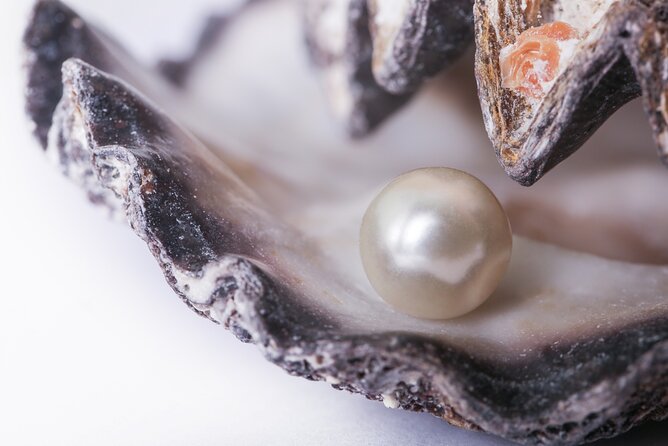
- La Paz pearl story: how pearls became important across centuries, including a link to Queen Elizabeth’s crown
- Hands-on learning in the lab setting, with real explanations of how cultured pearls form
- Live marine life up close (oyster-related animals and other sea creatures you can see during the visit)
- Clear look at pearl farming from oysters to the life cycle and the cultivation process
- Exclusive jewelry shop at the end, where you can inspect pearls before buying
Why La Paz pearls have fans far beyond Mexico
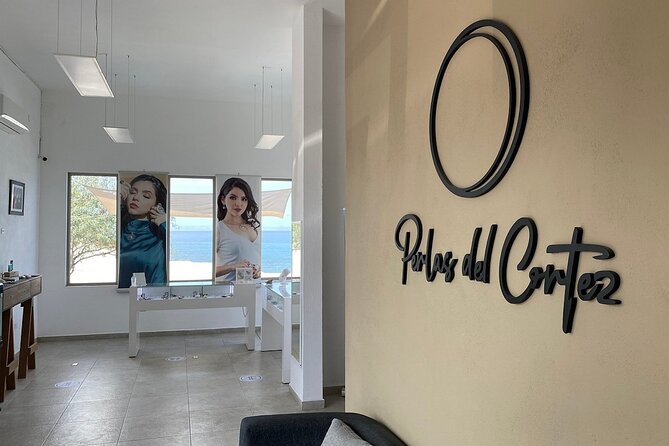
La Paz pearls aren’t sold here as luck or magic. They’re presented as a long-running regional craft, with the tour explaining why pearls from this area have a reputation that travels well outside Baja California Sur.
One of the most memorable parts is the historical framing. The experience points out that the pearl in Queen Elizabeth’s crown comes from La Paz. Even if you’re not into royal trivia, it’s a useful anchor: it helps you understand why people cared about pearls long before mass production existed. You start seeing pearls as a product of place, not just a product of shine.
And it’s not only “history for history’s sake.” You get that story right before you’re shown the living side of the process. That order matters. When you later see pearl oysters and the cultivation method, the history stops being abstract and turns into a reason people keep investing in this work.
Inside the pearl farm lab: what you’ll actually see
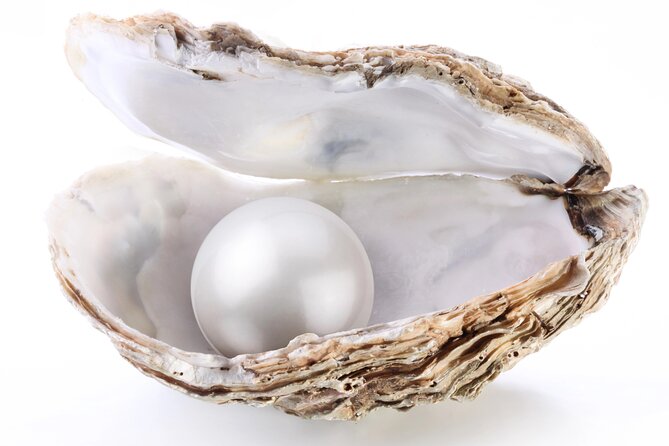
Expect the mood to be hands-on and practical. This isn’t a big museum with glass cases the whole way through. You’ll visit the lab area, where the guide explains the art of pearl farming and lets you interact with the idea of cultivation rather than just reading about it.
What stands out is the mix of living organisms and the cultivation focus. You’ll learn with live marine life around you—pearl oysters, and also creatures like crabs, urchins, starfish, and fish (plus more, depending on what’s part of the farm’s setup that day). Seeing animals in the same space where pearls are cultivated makes the whole thing feel grounded.
The tour also includes time to appreciate different types of pearls and how the process leads to the finished product. That matters because most people only see the final pearl. Here you get the “how it becomes real” part, which is the difference between admiring jewelry and understanding craftsmanship.
How pearl cultivation works (in plain language)
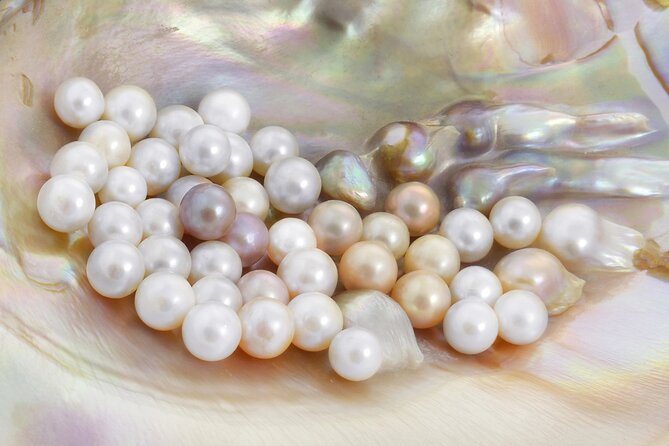
The guide structure is built to be easy to follow. You get an interactive lecture that connects regional history with what’s happening in the farm. Then you move through the cultivation process in a logical sequence, including the oyster life cycle.
A specific detail that sticks with me is the surgically implanted step. In the process explanation, you learn about the marble that gets implanted and later leads to the formation of a cultured pearl. That kind of detail is exactly what you want on a tour like this: it turns a vague “they grow pearls” statement into something you can visualize.
You’ll also get the explanation of the oysters’ journey through their life stages—again, not just as biology trivia, but as context for timing, care, and why pearls aren’t instant. Cultivation takes work and patience. Seeing it described in stages helps you understand why pearls cost what they cost later in the shop.
And yes, the guide experience matters. Ivan is described as well educated and skillful, with a friendly, engaging approach. That kind of guiding is what keeps this from feeling like a sales pitch. You end the tour feeling like you understand what you’re being offered when you walk into the jewelry shop.
The hands-on part: making it stick
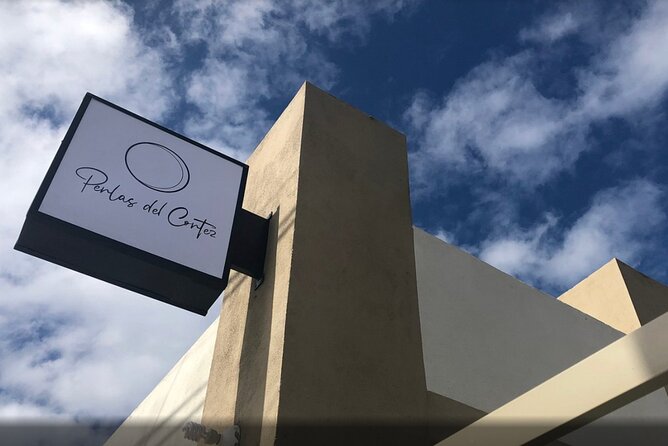
“Hands-on” can mean anything from touching a shell to actually participating. Here, the experience is designed so you do more than watch.
During the lab visit and interactive segments, you’ll get hands-on experience while the guide walks you through what you’re seeing. I like that you’re not left to guess. The tour is set up so learning happens through doing and asking questions, especially around the pearl cultivation process.
If you’re the kind of person who learns faster by handling things (even briefly), this section is the one that tends to make the whole visit memorable. You leave with mental images—how the oysters are cared for, what stages exist, and what the process looks like in real life.
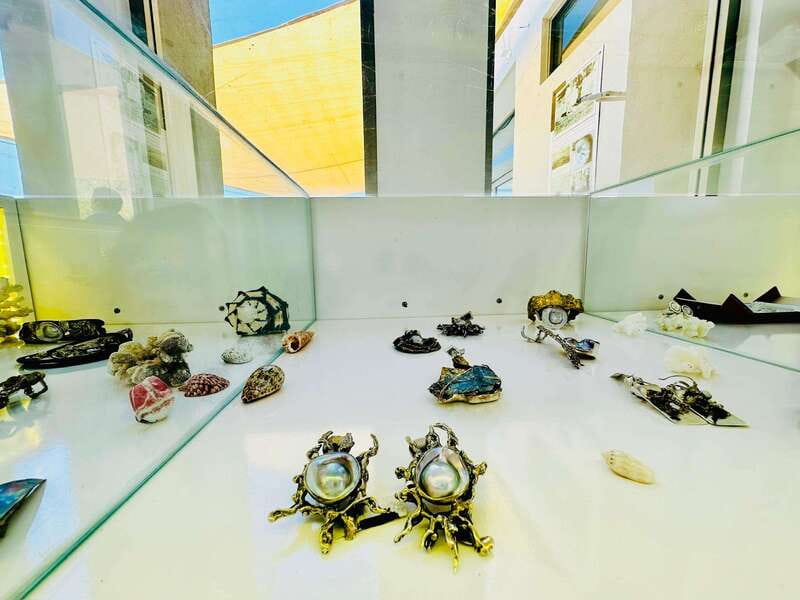
The jewelry shop: how to use it as part of your learning
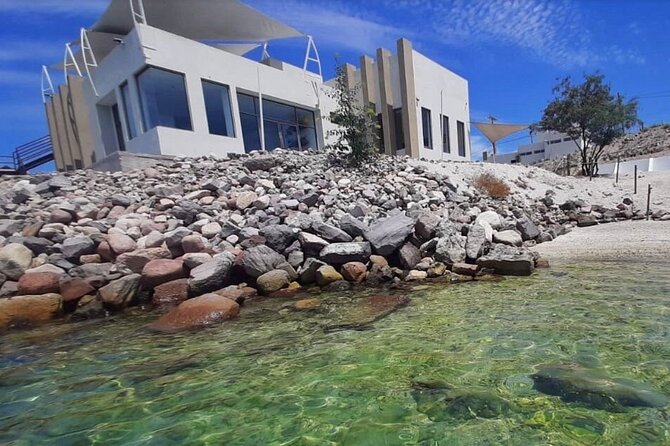
The final stop is the exclusive jewelry shop, where you can admire and purchase pearls. This matters because you don’t walk in as a blank slate.
By the time you reach the shop, you’ve already seen oysters, heard the cultivation story, and learned about how cultured pearls form. That means your shopping instinct improves. Instead of only thinking about price tags and sparkle, you can ask better questions about the pearls you’re looking at.
A practical note: pearl jewelry is available for purchase, but the tour price doesn’t promise included jewelry (and souvenirs/jewelry are listed as not included). So go in with a clear plan. If you want one item, decide your budget before you arrive. If you don’t want to buy, it still works as an inspection session—use it to compare what “different types” look like after the process you just learned.
Price and time: is $68 per person good value?
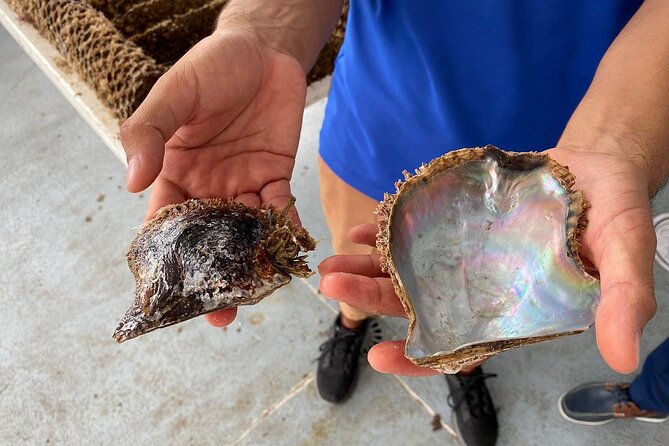
At $68 per person for about 2 hours, you’re paying for a very specific experience: guided lab education plus access to a working pearl farming environment, plus the shop visit.
For me, the value comes from the mix of things you rarely get together:
- you get the historical context (including the Queen Elizabeth connection),
- you get the modern cultivation explanation (including the implantation step),
- and you get live marine organisms in the same tour flow.
If all you wanted was a photo opportunity, you’d probably feel shortchanged. But if you like learning how something is made—especially something as “mysterious” as pearls—this price is easier to justify.
Just factor in what’s not included. There’s no food on the tour, and you shouldn’t assume any jewelry, souvenirs, or drinks are bundled into the ticket. If you’re hungry afterward, you’ll want a plan for a meal in La Paz.
Who this tour fits best (and who might skip it)
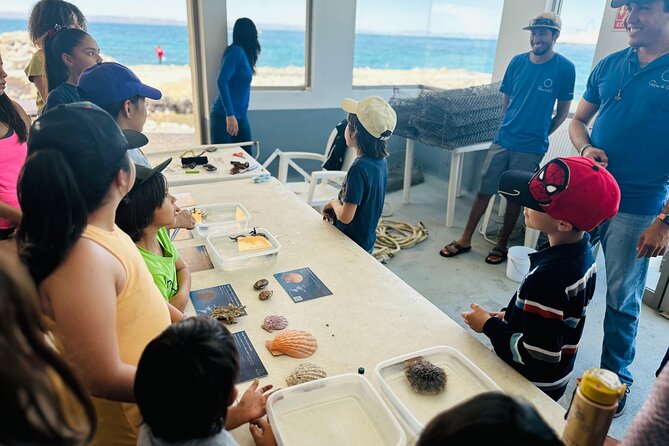
This is a great fit if you:
- enjoy science-y explanations but want them in human, guide-led language,
- like hands-on learning more than passive sightseeing,
- and want a meaningful stop that connects La Paz to a global pearl reputation.
It’s also ideal if you’re in the mood for something that feels local and practical. Pearl cultivation is a regional industry, and the tour treats it like work with a process—not like a magic trick.
You might reconsider if:
- you prefer strictly outdoor sightseeing with minimal indoor/lab time,
- you’re not interested in jewelry at all (even though you can enjoy the learning without buying),
- or you’re traveling with very limited time and need a quick stop with no lab segments.
Practical tips so you’ll get the most out of the 2 hours
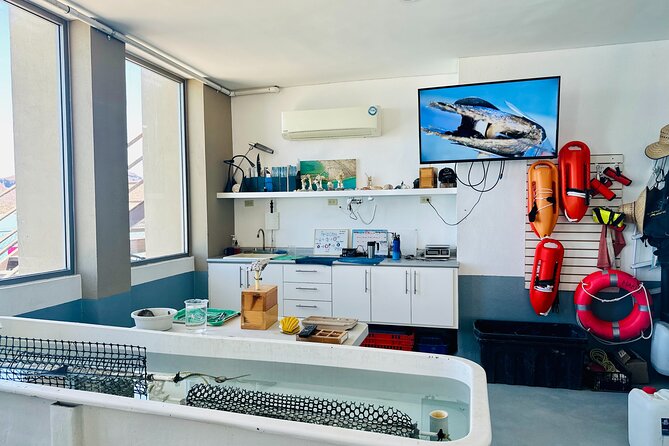
Since the experience is around 2 hours, treat it like a focused workshop, not a slow wander.
- Go in ready to ask questions. The tour is interactive, and the guide’s role is to connect history to the cultivation steps.
- Bring a realistic expectation: the shop is there, and you’ll have the chance to buy. Even if you don’t, you’ll want time to look.
- Plan food around it. Since there’s no food served, eat before or plan a meal after.
Should you book the La Paz pearl farm experience?
I’d book it if you want a hands-on, guided look at how pearls actually get made, with live marine life and a clear storyline from past to present. The strongest part is the pairing of context and process—especially with a guide like Ivan, who explains the history and then shows the cultivation method with real skill.
If you’re mostly “anti-tour” and only want beaches or city streets, you might pass. But if you enjoy learning how a regional craft works—and you don’t mind a jewelry shop at the end—this is one of the more thoughtful, memorable stops in La Paz.
FAQ
How long is the La Paz pearl farm experience?
The tour lasts about 2 hours.
Where does the tour start?
It starts at Avenida Pichilingue.
What’s included in the tour price?
It includes historical significance of the area, art of modern pearl culturing, a visit to the laboratory, appreciation of different types of pearls and the whole process to obtain them, and a hands-on experience.
Is food included?
No. Food and beverages are for purchase, and no food will be served on the tour.
Is the tour available in English and Spanish?
Yes. The live tour guide is available in English and Spanish.
Can I buy jewelry during the tour?
Yes. Pearl jewelry is available for purchase in the exclusive jewelry shop. Jewelry is not included in the tour price.
Is the tour wheelchair accessible?
Yes, it is wheelchair accessible.
What is the cancellation policy?
You can cancel up to 24 hours in advance for a full refund.
Does it offer free cancellation or pay later?
Yes. You can reserve now and pay later, and there is free cancellation up to 24 hours before the tour.