REVIEW · SETE
Loupian: Tour guide of our oyster farm and tasting
Book on GetYourGuide →Operated by SANCHEZ HUÏTRES · Bookable on GetYourGuide
Oyster farming runs on technique and time. On this 1.5-hour outing in Loupian, you see how oysters are handled in the Thau basin, from farm work to the final meal.
What I like most is the clear walk-through of each step, and the fact it ends with oyster tasting instead of a lecture and a goodbye.
Second, the vibe is practical and upbeat. You get an English or French live guide, plus a tasting finish that feels like the point, not an add-on.
One thing to keep in mind: it is a short visit, so if you want a long, deep education (or tons of tastings), you may wish it lasted longer.
In This Review
- Key things to know before you go
- Oyster farming in Loupian, explained step by step
- Where the tour starts: parking and the port-side location
- Visiting the oyster farm: what you’ll see on the route
- Rope suspension aging: the technique you should ask about
- The Thau basin story: why the guide’s family perspective matters
- Oyster tasting plus one glass of white wine: how to make it fun
- Price and value: why $11 makes sense here
- Timing and what “1.5 hours” feels like on the ground
- Who should book this oyster farm tour—and who might skip it
- A few smart tips before you go
- Should you book the Loupian oyster farm tour with Sanchez Huîtres?
- FAQ
- How long is the oyster farm tour and tasting?
- What’s included in the price?
- Where is the meeting point in Loupian?
- What languages does the guide speak?
- Is the tour wheelchair accessible?
- What are the tour dates?
- Are pets or certain footwear allowed?
Key things to know before you go
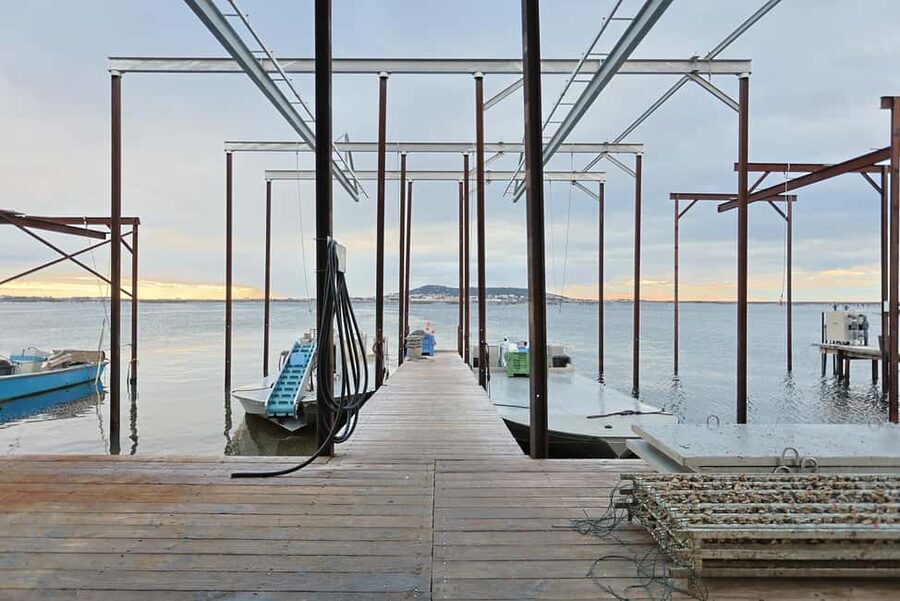
- Behind-the-scenes oyster farming: You’ll see the real stages used in the Thau basin
- How oysters are aged: Ask about the rope suspension technique
- Hands-on farm explanation: fining, detroquing, and shipping are explained as you go
- Tasting that closes the loop: different oyster sorts plus a glass of white wine
- Fast and friendly: 1.5 hours is just right for a focused stop in Loupian
- Bilingual guide: English and French are both offered
Oyster farming in Loupian, explained step by step
This is the kind of tour that makes you respect food production. Oysters don’t just show up on a plate. There’s a rhythm to the work, and you’ll see the logic behind it during the guided walk.
The setting is the Étang de Thau area. That matters because the lagoon is part of the oyster story you’re being taught. The guide frames it like a family tradition: sharing know-how, showing the uniqueness of the basin, and putting a spotlight on taste at the end.
You’ll cover the farm workflow in plain language. Instead of sounding like a science class, it’s described as real tasks: preparing oysters, handling them at the right moments, and managing them so they end up ready for eating.
You can also read our reviews of more tours and experiences in Sete.
Where the tour starts: parking and the port-side location
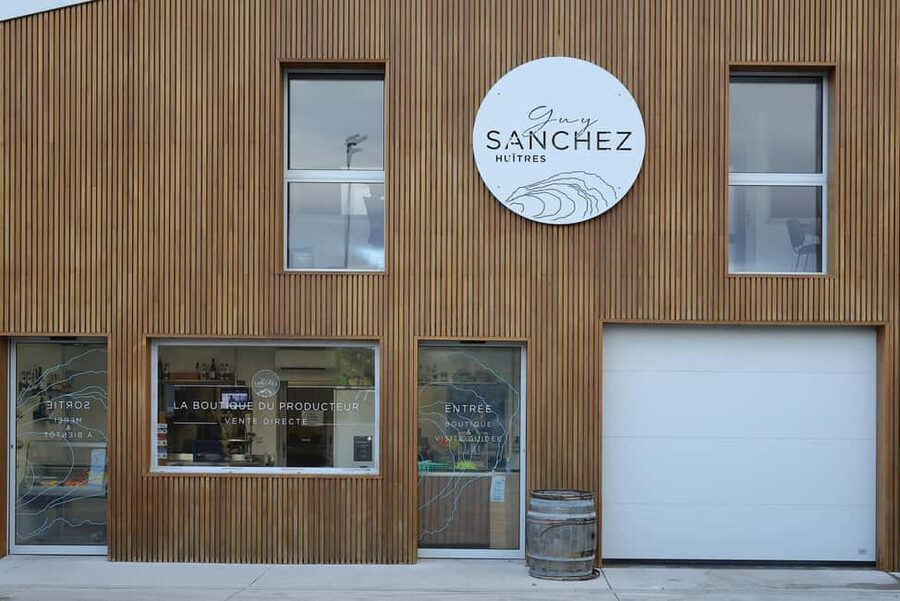
The tour meets in Loupian. Your starting point is listed as 838 Rte de la Coquille, and it’s connected to the port area near Le port de Loupian, le Bourbou, 34140 Loupian.
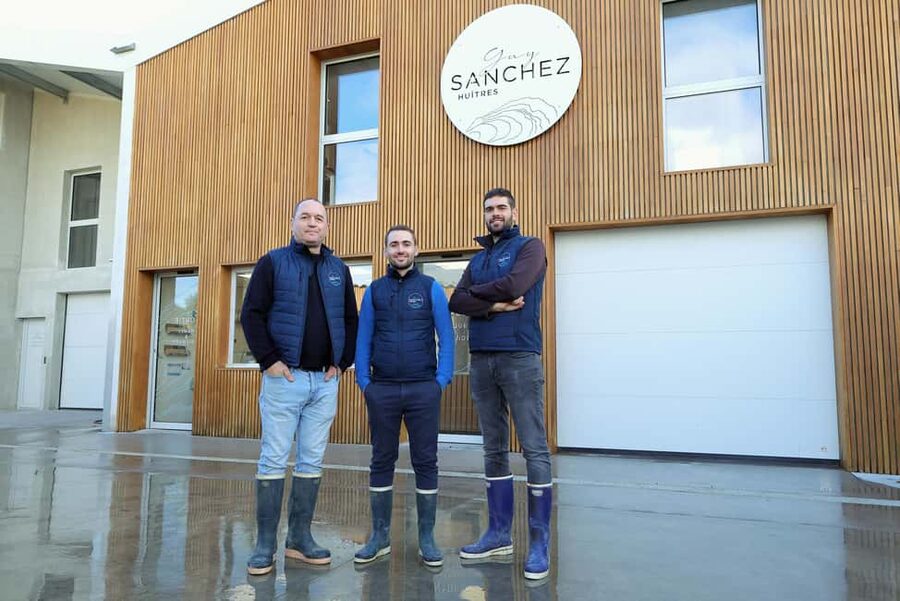
The key practical detail is spotting the place. There’s a big parking and a big brown building that serves as your visual landmark. If you’re driving, this setup is pretty friendly because you’re not hunting down tiny signs or doorways in the middle of nowhere.
Plan to arrive a few minutes early. Even with a smooth farm site, you’ll want time to park, find the meeting point, and get settled before the 1.5-hour start.
Visiting the oyster farm: what you’ll see on the route
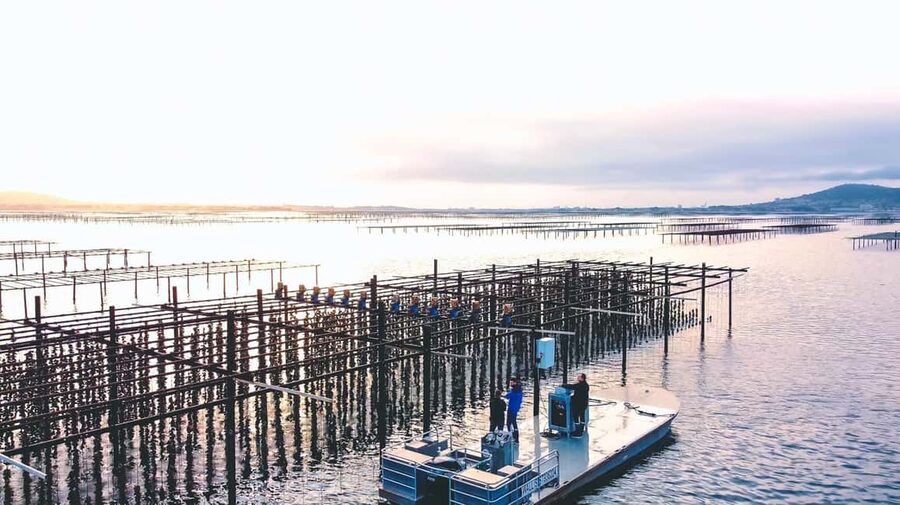
The guided portion takes you onto the oyster farm so you can see the stages as they happen. The tour is designed to show you the process in sequence, so each new term makes sense in context.
You’ll walk through the farm’s working steps that are specifically named on the itinerary:
- Fining
- Detroquing
- Shipping
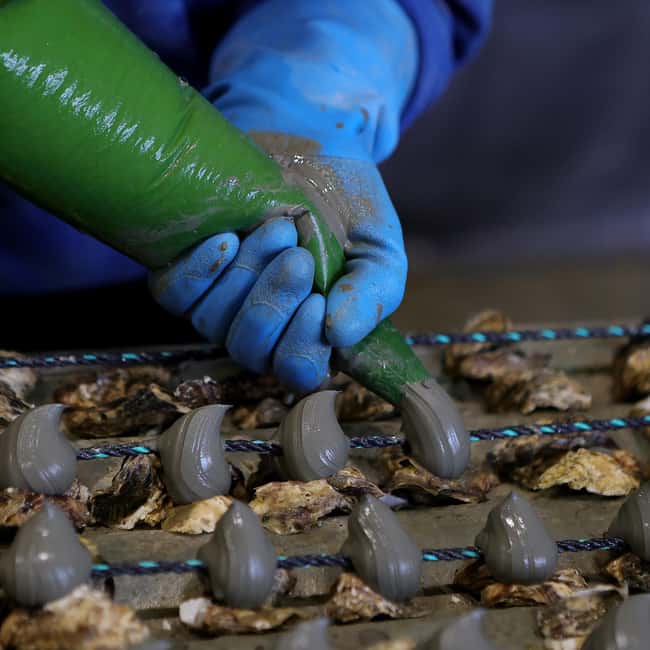
Even if you’ve never heard these words before, you’ll likely get the point quickly. Fining is about sorting and getting oysters to the right stage of handling. Detroquing is a key part of removing oysters from the equipment and preparing them for what comes next. Shipping is where the farm connects to delivery, so the tour doesn’t end at farm gates—it follows the path toward plates.
What makes this tour satisfying is that the explanation stays tied to what you’re looking at. You’re not just learning definitions. You’re watching the workflow unfold in front of you.
Rope suspension aging: the technique you should ask about
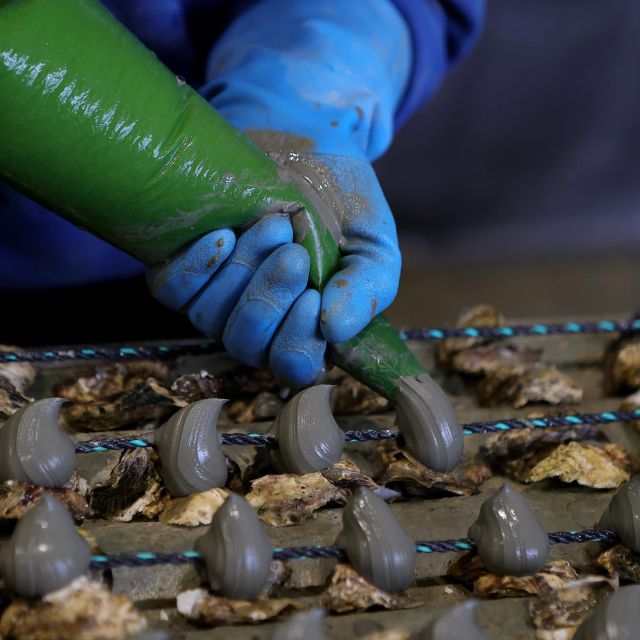
One of the most “aha” moments is the way the oysters are aged and pampered before eating. The tour mentions a specific technique: rope suspension.
This is your chance to ask how rope suspension changes the oysters’ final texture and flavor profile. The tour doesn’t market it as magic. It’s presented as technique—how oysters are supported and tended so they develop the qualities you want.
If you like your food stories with mechanics behind them, this is a highlight. Rope suspension is the kind of detail that turns a tasting into something you can actually connect to farm work.
And it also explains why this tour feels worth doing even if you’re not a hardcore seafood person. You’re learning the “why” behind the taste, not just being handed a plate.
The Thau basin story: why the guide’s family perspective matters
This is a family-business style tour. The host emphasizes passing on traditions of the profession and explaining the uniqueness of the Étang de Thau.
That family angle matters more than you’d think. It tends to make the explanations less scripted and more grounded. You’re hearing how the job is done, not a glossy description meant only for marketing.
From the way the guide is described, you can expect a lively, interactive tone—questions are likely encouraged, and the pace is meant to keep you switched on. For me, that’s the difference between a tour that feels like work and a tour that feels like hanging out while someone shows you what they do for a living.
Oyster tasting plus one glass of white wine: how to make it fun
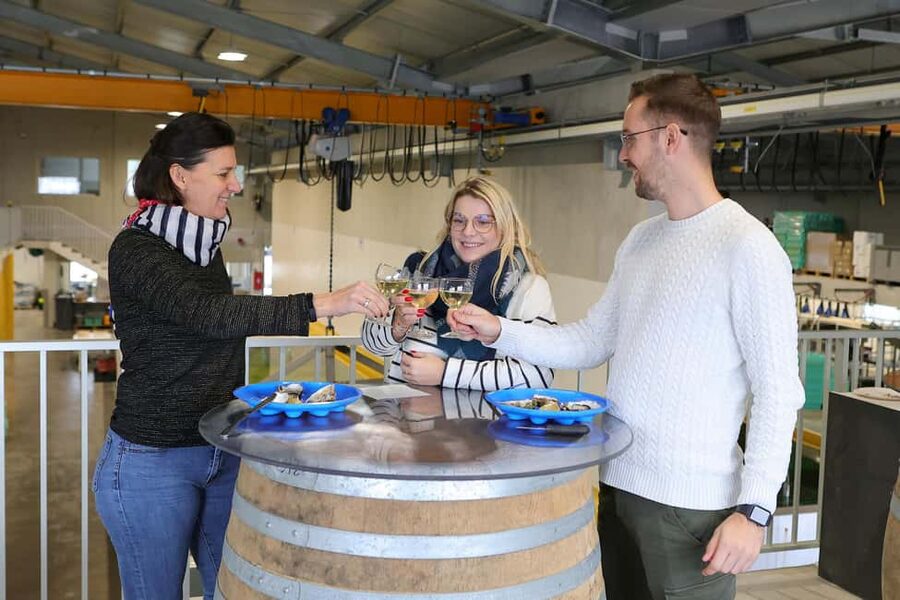
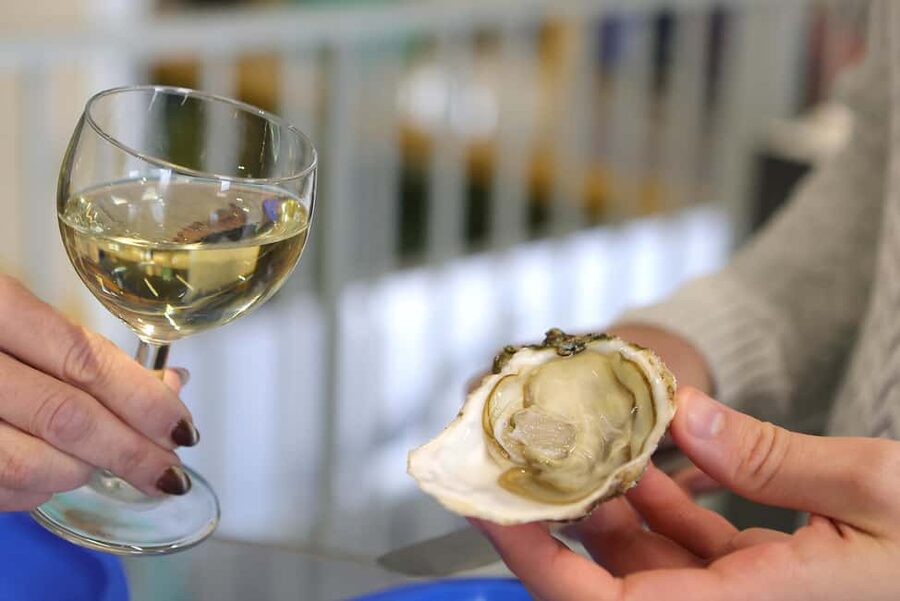
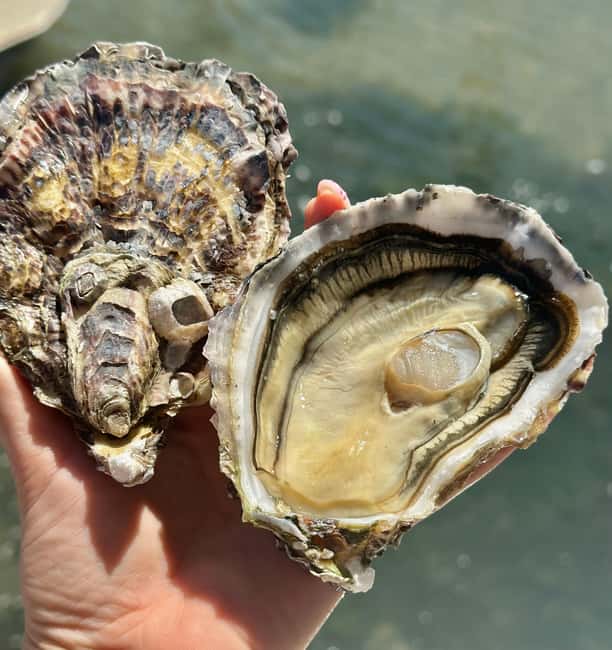
The final stop is the best kind of closer: tasting. The tour ends with tasting different sort oysters, so you can compare flavors instead of sampling just one option.
It also includes one glass of white wine. That matters because wine helps you notice differences—salinity, sweetness, and how the oyster finishes in your mouth. Even if you don’t consider yourself a wine drinker, this small glass is enough to add a second lens to the tasting.
Here’s how to get the most from the tasting part:
- Eat slowly and try to match each oyster to what you learned about handling stages
- Pay attention to texture, not only flavor
- If the guide offers guidance, take it. They’ll often suggest what to notice first
This isn’t an all-you-can-eat situation. You’re getting a focused tasting designed to cap the tour. That’s why it works within the 1.5-hour format.
Price and value: why $11 makes sense here
The price is listed as $11 per person for a 1.5-hour tour that includes:
- the guided tour of the oyster farm and stages
- oyster tasting
- one glass of white wine
- parking
That’s the big value story. Many tours charge more just to enter a site, then sell food separately. Here, the tasting is part of the experience, and the explanation is built to lead into it.
Also, the cost feels easier to justify for a quick stop. If you’re already in the area and want a short, authentic local activity, this checks the boxes without eating half a day.
One extra practical note: the booking options include reserve & pay later, and free cancellation up to 24 hours in advance for a full refund. That flexibility reduces risk if your plans shift.
Timing and what “1.5 hours” feels like on the ground
One and a half hours sounds short, but it matches the structure: start on-site, walk the farm stages, then taste. It’s a smart length for learning without fatigue.
If you’re visiting in the warmer months, this duration helps too. You’re out, you learn, you taste, and you get back to the rest of your day before you’re done cooking in the sun.
The tour is open from April 1st to the end of October. So if you’re traveling outside that window, you’ll want to pick an alternative activity in the region.
Who should book this oyster farm tour—and who might skip it
I think this is a great fit for:
- Food lovers who like their meals with a backstory
- Families and couples who want something local and hands-on
- Anyone who wants a short, efficient experience in Loupian
It may not be ideal if you’re looking for:
- A long multi-stop day tour
- A heavy deep-dive course where you take notes for hours
Also, note the site rules. Pets are not allowed, and you’re not allowed slippers or bare feet. If you’re traveling light with summer footwear, plan ahead so you don’t lose time arguing with the rules on arrival.
A few smart tips before you go
Bring the right mindset: you’re on an active farm. Even if the pace is friendly, you’ll be outside and near working areas.
Practical pointers:
- Wear footwear that you can walk in comfortably (no bare feet, no slippers)
- Expect a short tour window, so keep phones charged but focused
- If you’re selecting between languages, pick the one you feel most confident listening to. The guide is described as very clear, so following every term makes the tasting more meaningful
And if you care about understanding what you’re eating, arrive ready to ask questions. The best part of tours like this is the follow-up you get from a real person doing the job.
Should you book the Loupian oyster farm tour with Sanchez Huîtres?
Yes, if you want an authentic oyster experience in a short time. The combination of farm visit, named stages (fining, detroquing, shipping), and the tasting with one glass of white wine makes this feel like real value rather than a pricey souvenir stop.
Also, it’s a strong choice if you appreciate a guided explanation that stays interactive. The guide style is described as dynamic and passionate, and the fact that English is offered helps if you’re not fully fluent in French.
Skip it only if you’re outside the April–October window, or if you can’t meet the basic site rules on pets and footwear. Otherwise, this is one of those rare activities where the meal actually teaches you something first.
FAQ
How long is the oyster farm tour and tasting?
It lasts about 1.5 hours.
What’s included in the price?
You get the guided tour, oyster tasting, one glass of white wine, and parking.
Where is the meeting point in Loupian?
The tour starts in Loupian at 838 Rte de la Coquille. There’s big parking and a big brown building where you should meet.
What languages does the guide speak?
The live guide offers English and French.
Is the tour wheelchair accessible?
Yes, the tour is listed as wheelchair accessible.
What are the tour dates?
It runs from April 1st to the end of October.
Are pets or certain footwear allowed?
Pets are not allowed. You also cannot wear slippers or go barefoot.